
From Ghee to Body Butter: How Indian Skin Rituals Quietly Evolved
Generations ago, Indian grandmothers relied on simple kitchen staples for glowing skin. Fresh malai from boiled milk, spoonfuls of pure ghee, and homemade pastes from turmeric and besan formed the backbone of daily routines. These natural ingredients deeply nourish skin for both men and women, protecting against harsh sun and dry winds. The core principle—intensive moisture and repair—remains unchanged today.
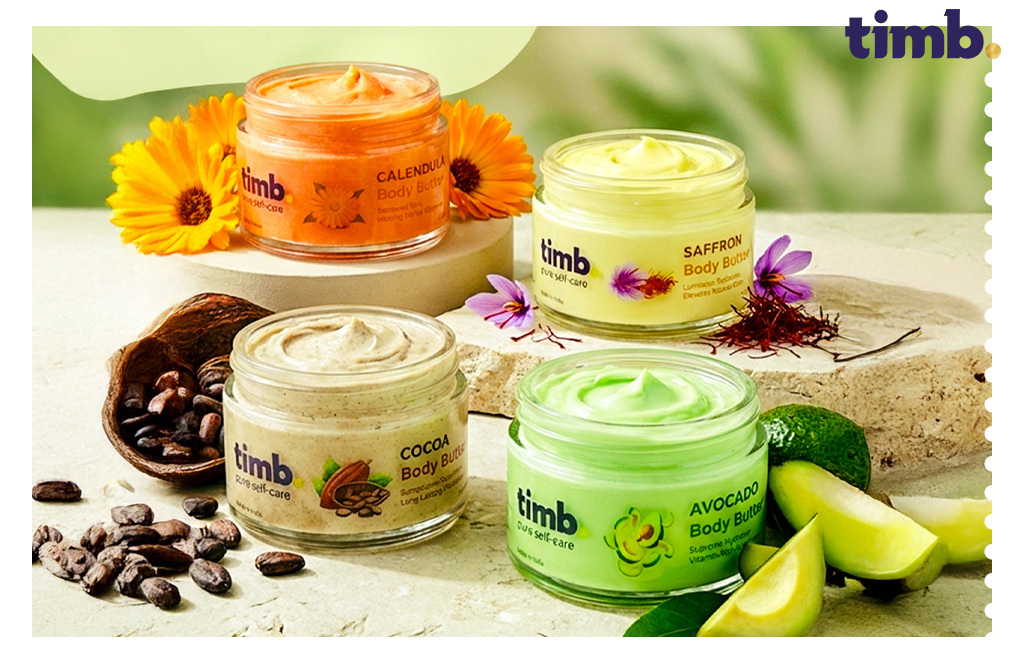
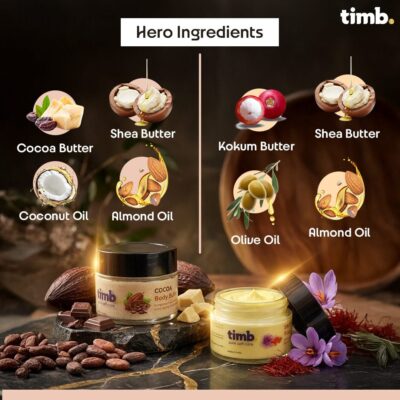
Over the decades, these rituals have evolved while retaining their essence. Traditional ghee, rich in fatty acids, gave way to whipped body butters made from shea and mango seed extracts. Malai-inspired creams evolved into thick, emollient spreads that mimic the skin’s barrier. Interestingly, ghee contains conjugated linoleic acid, a compound now studied for its anti-inflammatory skin benefits, much like modern butters. This shift blended old wisdom with new formulations.
Doctors Advice
Dr. Sharma, a dermatologist specializing in natural skincare from Mumbai, notes the continuity. “Ancestral practices using lipid-rich foods like ghee laid the foundation for today’s body butters,” Dr. Sharma said. “They deliver sustained hydration without synthetic additives, benefiting all skin types.” Her insight highlights how these evolutions effectively address urban dryness and pollution.
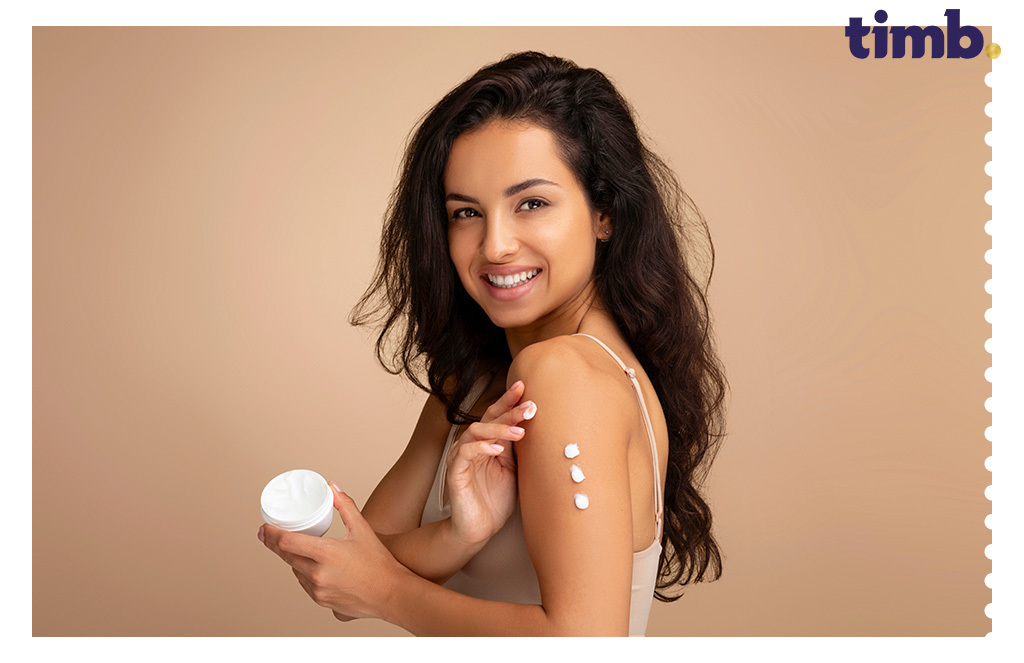
Men found ghee massages soothed razor burn and rough patches, while women used malai for soft, even-toned skin. Today, natural body butter serves similar roles—men apply it post-shave for calm, hydrated skin, and women love its glow after long days. Moreover, body butters lock in 24-hour moisture, far surpassing lighter lotions.
Pro Tip:
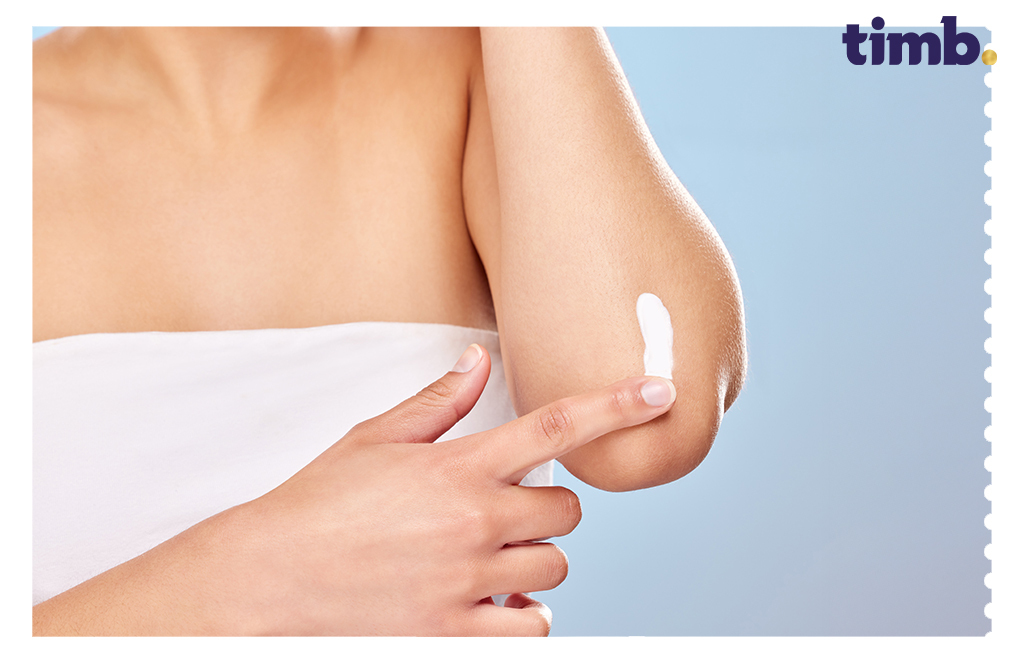
Apply natural body butter at night before sleeping for maximum absorption and overnight repair.
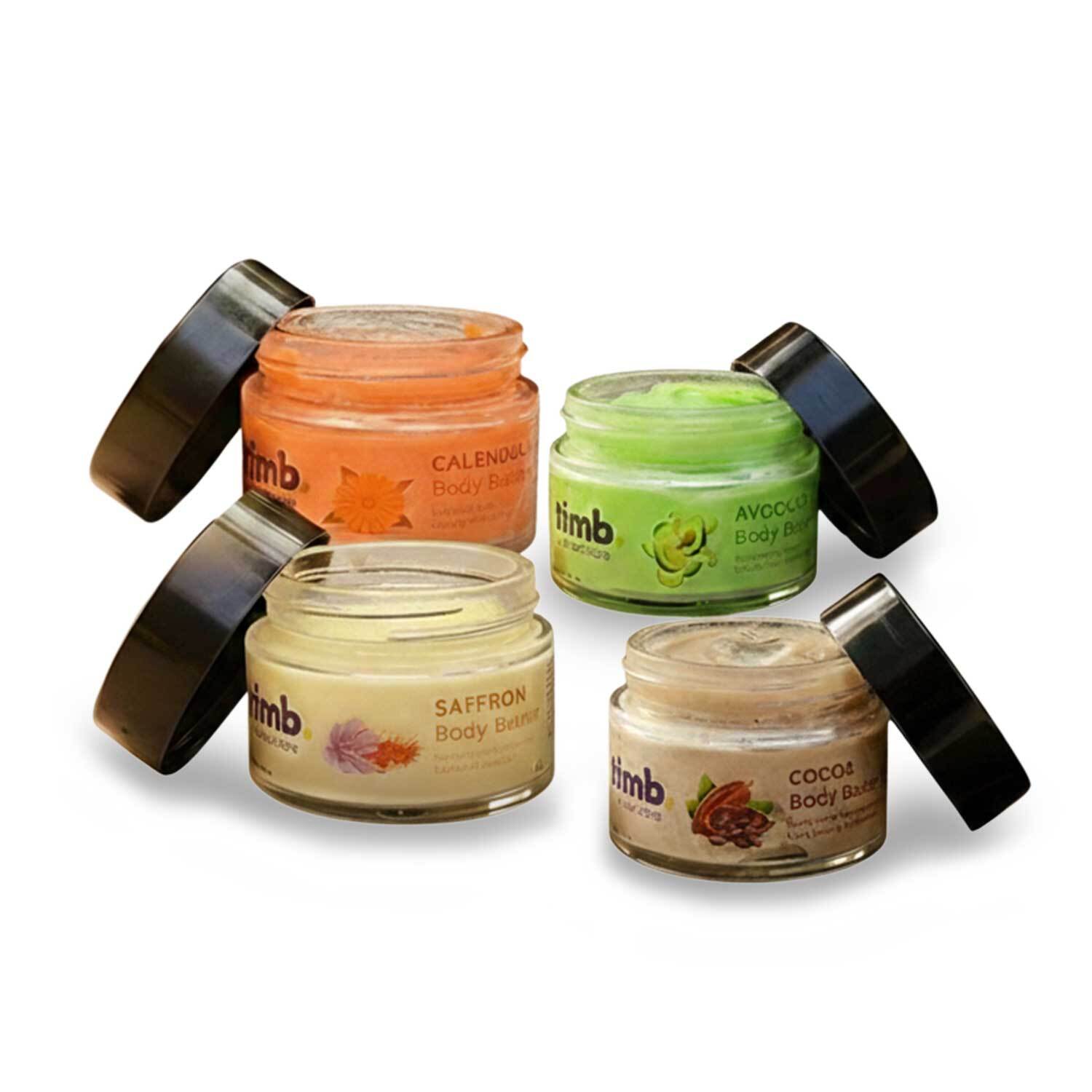
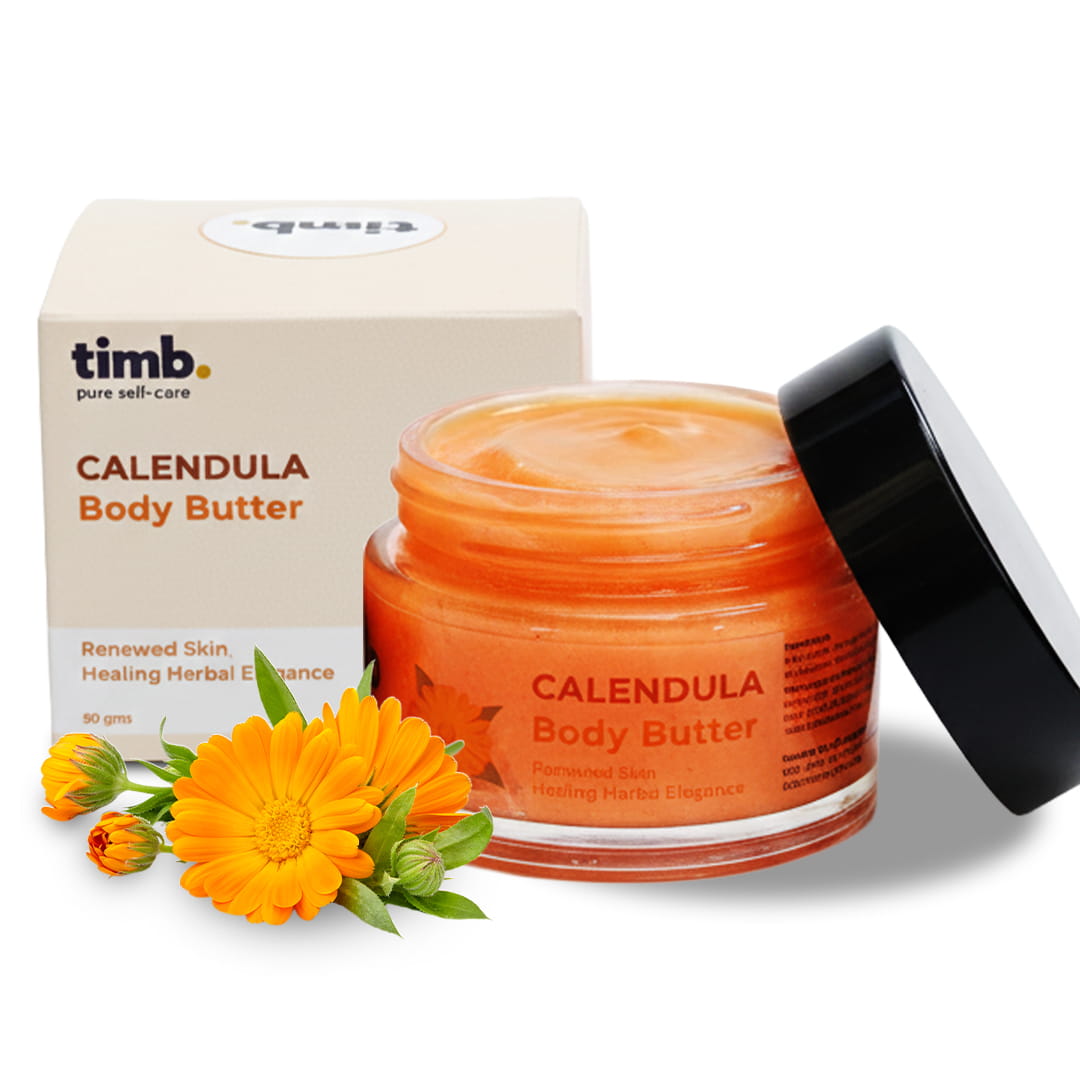
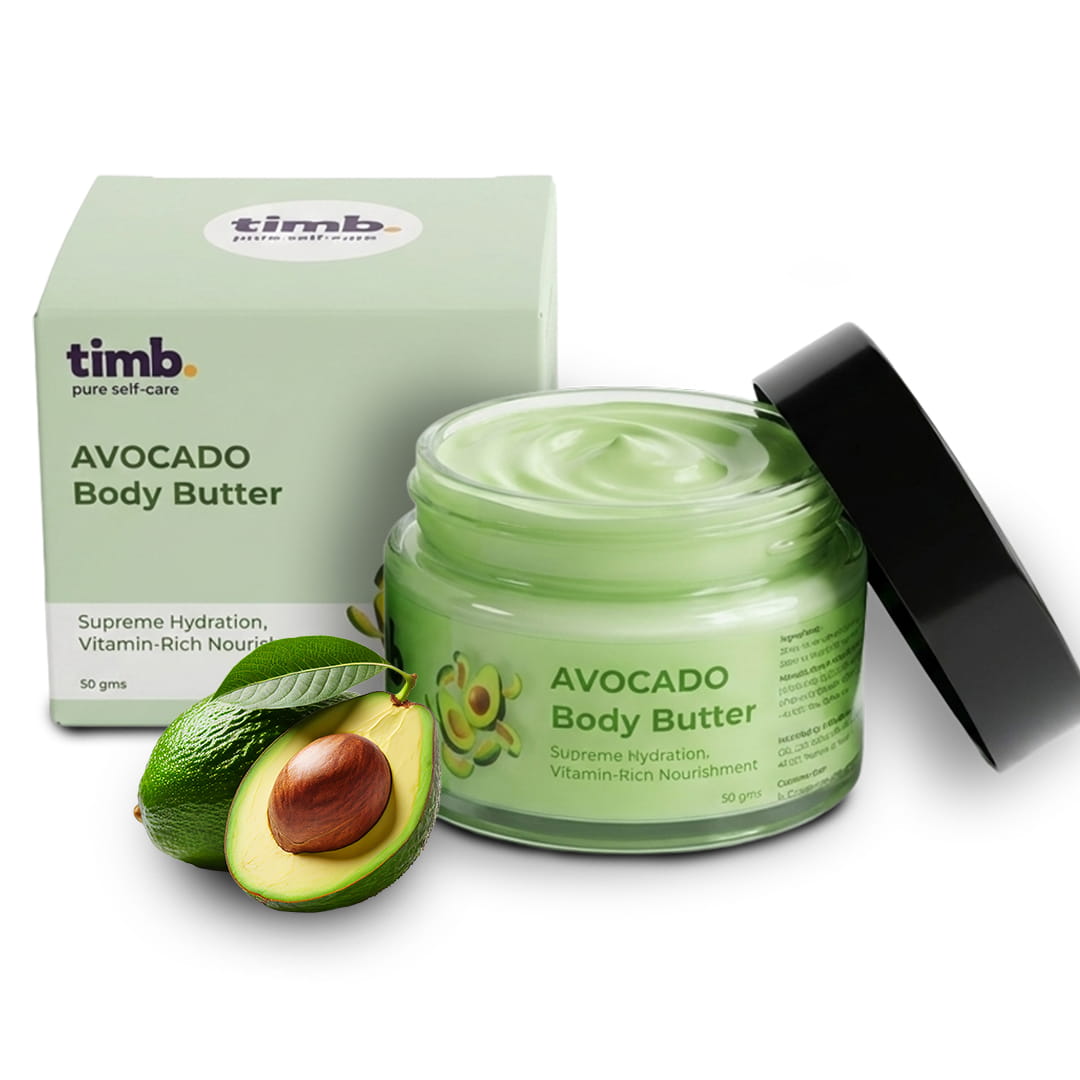
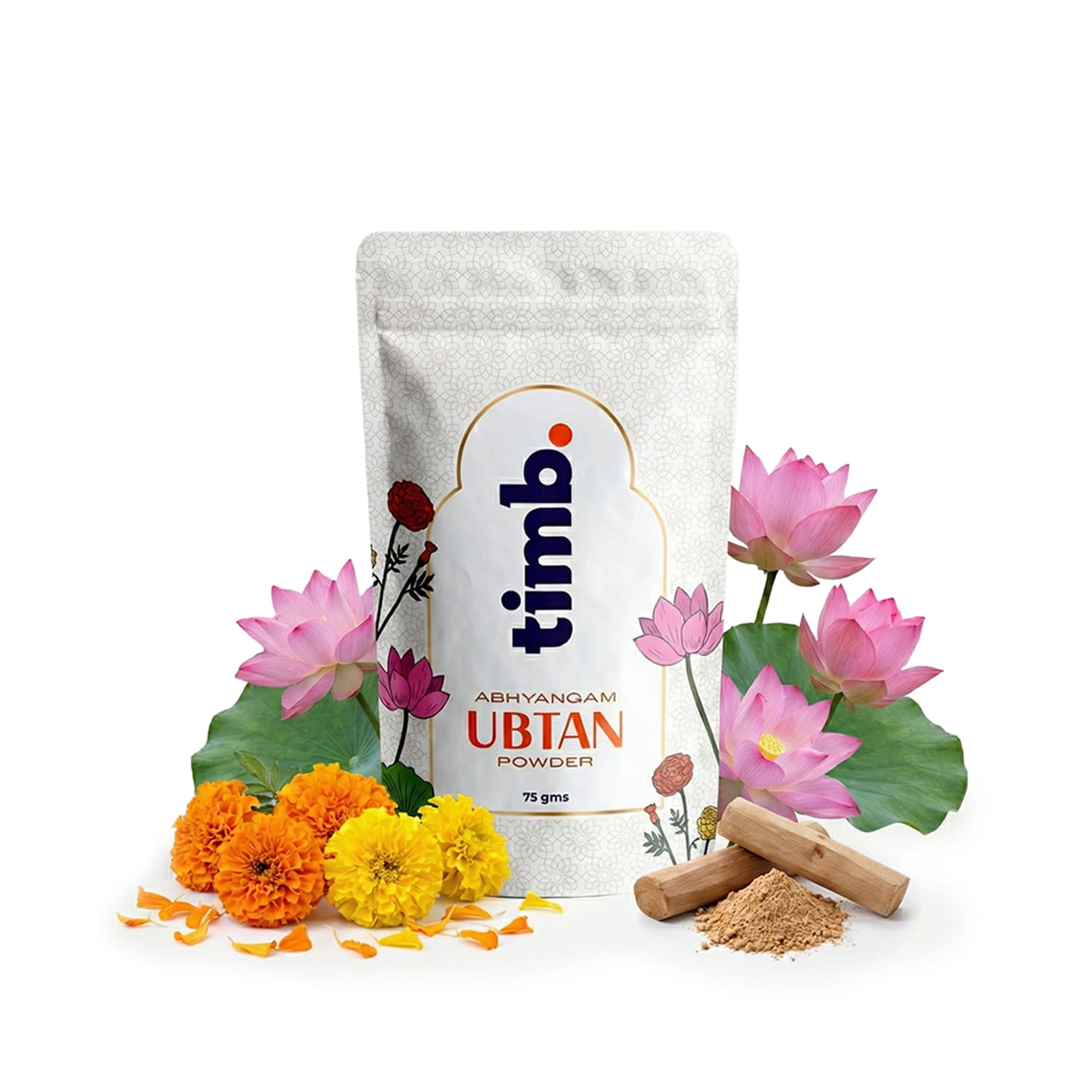
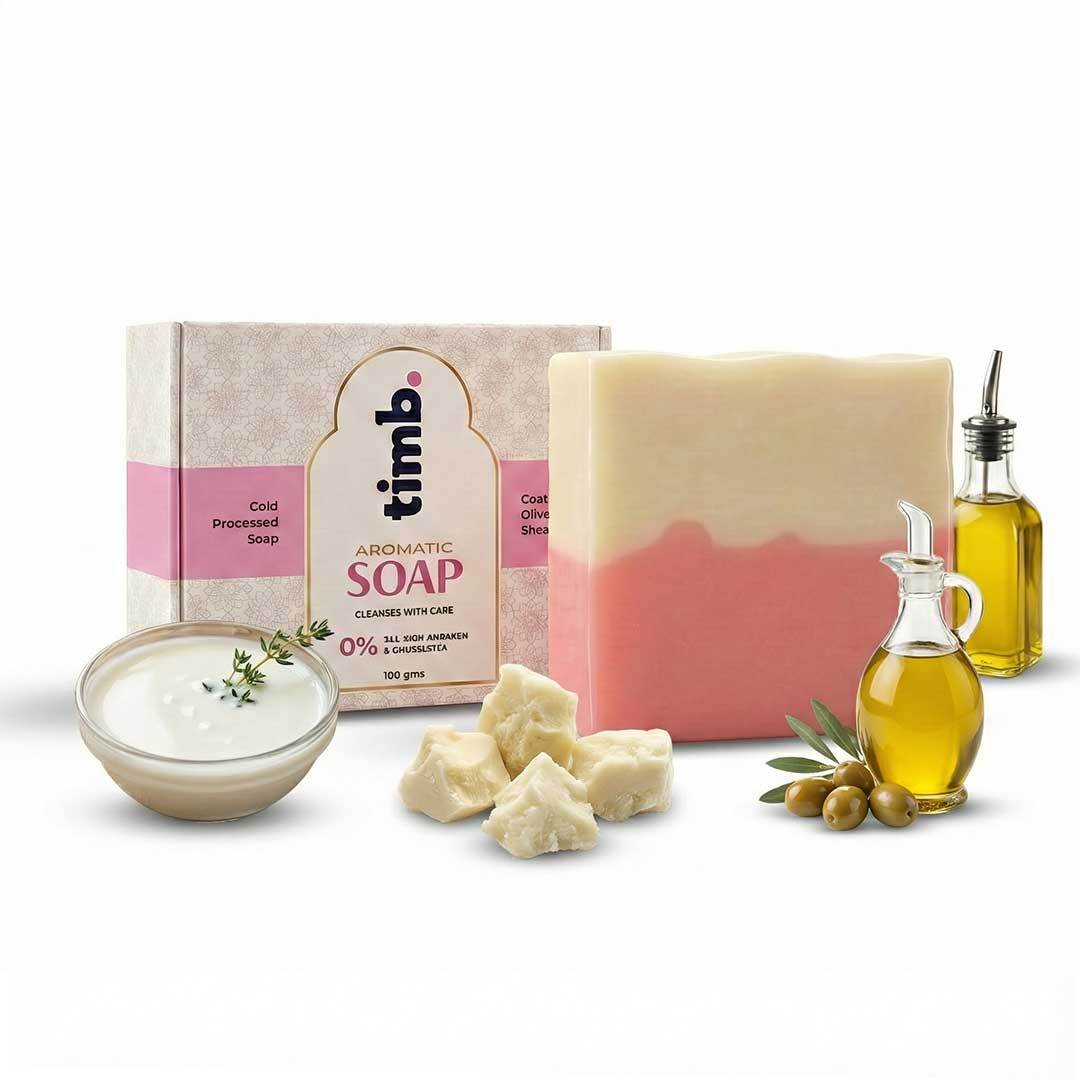
Ready to embrace this legacy? Try Timb’s body butter products for authentic, nourishing blends rooted in tradition.