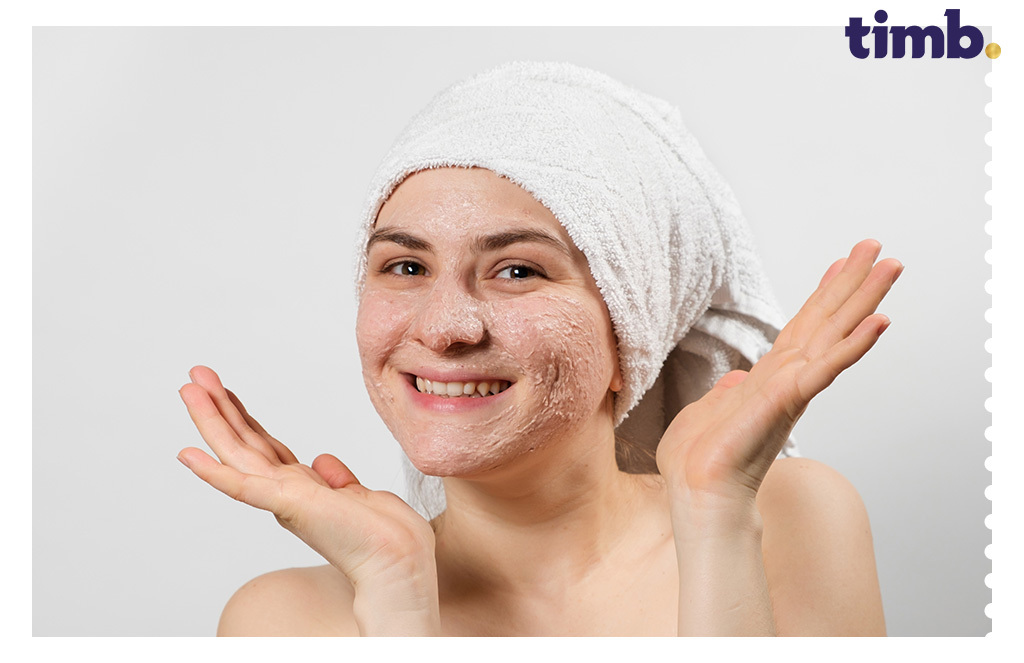


When Priya noticed constant itching on her scalp, she thought it was simple dandruff. Meanwhile, Raj, a gym trainer, began losing patches of hair without warning. Both were shocked when their doctor diagnosed a fungal scalp infection, a condition quietly affecting men and women of all ages. Though it seems minor, untreated scalp fungus can cause serious discomfort and visible changes.
Symptoms to Notice
Symptoms of fungal scalp infections vary slightly for men and women, but some signs are clear. Persistent itching, flaky patches, or redness often warn early on. Men may experience hair thinning or sudden bald spots, while women might notice scalp tenderness and unusual shedding. In advanced cases, pus-filled sores or swollen lymph nodes can develop, requiring medical attention.
Causes Behind the Condition
Several causes contribute to fungal scalp infections, and lifestyle factors often play an important role. Frequent sweating, sharing personal hair items, or using unhygienic salon tools can quickly spread fungal spores. According to Dr. Tandon, a dermatologist, “Moist conditions in the scalp allow fungi to multiply, making prevention just as important as treatment.” Weakened immunity, excess oil production, or contact with infected pets are also recognized triggers, increasing the risk for both genders.
Best Treatments with Natural Support
Modern treatments usually involve antifungal medications or medicated shampoos prescribed by specialists. At the same time, some individuals find relief by integrating herbal and natural remedies that create a healthier scalp environment. Balancing professional care with natural approaches provides long-term benefits, helping protect hair health. For instance, keeping the scalp dry, maintaining personal hygiene, and choosing chemical-free products are often recommended along with prescribed treatment. Stress management and diet improvements can additionally make recovery faster and reduce recurrence.

Moving Toward Scalp Health
A fungal scalp infection should never be dismissed as a minor inconvenience, especially when early signs are visible. By recognizing symptoms promptly, understanding causes, and adopting both medical and natural options, it is possible to overcome discomfort and regain confidence. Both Priya and Raj found that with consistent care, their scalp slowly revived, reminding us all that persistence and healthy choices matter just as much as medicine.