
Key Takeaways
- Long showers with hot water strip your skin’s natural oils and cause dry skin after showering, so switch to lukewarm water and cap showers at ten minutes.
- Skip harsh, fragranced soaps and choose gentle, sulphate-free cleansers that clean without stripping moisture.
- Apply moisturizer within two to three minutes of stepping out, while skin is still damp, to lock in hydration.
- Look for ceramides, hyaluronic acid, or glycerin on the label; these are the ingredients that actually rebuild your skin barrier.
- If dryness, itching, or flaking persists despite these changes, see a dermatologist rather than just switching skin care brands.
Introduction
You step out of a hot shower feeling refreshed, and within minutes your skin starts to pull, itch, or feel tight. If you’ve noticed dry skin after a shower more often than you’d like, you’re not imagining it. This is one of the most common skincare complaints, especially during winter or after long, hot showers, and it happens to people with normal skin just as much as those with naturally dry skin. Understanding why you get dry skin after a shower is the first step toward fixing it, and the good news is that the causes are well understood and entirely manageable with the right habits and products.
In this blog, we’ll break down exactly what happens to your skin during bathing, what dermatologists say about it, and the practical steps you can take to keep your skin soft, hydrated, and comfortable long after you towel off.
Understanding the Problem
What Causes Dry Skin After Bathing?
Skin has a thin outer layer called the stratum corneum, made up of skin cells held together by natural oils and lipids. Think of it like bricks (skin cells) held together by mortar (lipids). This layer is what keeps moisture locked inside your skin and keeps irritants out. Water, especially hot water, is surprisingly good at breaking down the lipids.
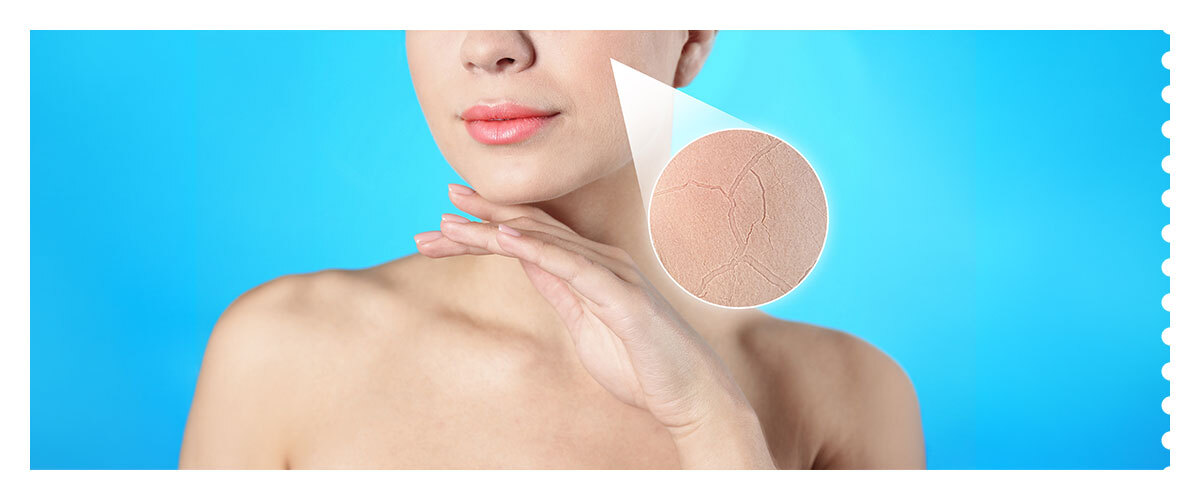
When you bathe, water doesn’t just clean your skin; it also strips away the natural oils, called sebum, that sit on the surface. Hot water speeds this up considerably because heat increases blood flow to the skin and opens up pores, making it easier for oils to wash away. The longer and hotter the shower, the more of this protective barrier gets removed. Once that barrier is compromised, water inside your skin evaporates faster than usual, a process dermatologists call transepidermal water loss. That’s the tight, dry, sometimes flaky feeling you notice right after bathing.
Soap and body wash play a role too. Many cleansers, particularly ones with sulphates or strong fragrances, are formulated to cut through oil and dirt effectively, but they don’t distinguish between grime and the beneficial oils your skin needs. Hard water, which contains higher mineral content, can also leave a residue that interferes with how well moisturizer absorbs afterward.
Common Misconceptions
A lot of people assume that dry skin only affects those with naturally dry or sensitive skin types, but that’s not accurate. Even oily skin can end up dehydrated after a shower if the water is too hot or the cleanser is too harsh. Another common myth is that longer showers are cleaner or healthier. In reality, dermatologists generally recommend keeping showers under ten minutes, since prolonged exposure to water, regardless of temperature, weakens the skin barrier over time.
Some people also believe that skipping moisturizer is fine as long as they don’t feel dry immediately. But transepidermal water loss can continue for hours after bathing, meaning skin that feels fine at first can become tight, flaky, or itchy later in the day.
Signs You May Be Experiencing It
The most obvious sign is that tight, stretched sensation on your face, arms or legs shortly after drying off. Other signs include visible flaking, redness, small cracks on the hands or heels and an itchy sensation that worsens when you scratch. If you notice your skin looks dull or feels rough to the touch within an hour of bathing, that’s a strong indicator your skin barrier needs support.
What Experts Say
Dermatologists widely agree that water temperature and bathing duration are the two biggest controllable factors behind post-shower dryness. Research on skin barrier function has consistently shown that hot water exposure accelerates lipid loss from the stratum corneum, and that lukewarm water is significantly gentler on the skin’s protective layer.
According to Dr. Ahuja, “Hot water above 40 degrees Celsius and ten or more minutes under running water actively dissolves the ceramides and natural lipids that hold the skin barrier cells together.” A shorter shower with lukewarm water significantly reduces dryness and irritation.
Here’s a conversation that plays out in dermatology clinics more often than you’d expect:
Patient: “I shower every morning, and my skin still feels dry by the afternoon. I’m using a moisturizer, so I don’t understand what’s going wrong.”
Dermatologist: “What temperature is the water, and how long are your showers?”
Patient: “Pretty hot, and probably fifteen to twenty minutes. It’s relaxing.”
Dermatologist: “That’s likely your main issue. Hot water for that long strips away the oils your skin needs to hold onto moisture. Try lowering the temperature and keeping it under ten minutes, then apply your moisturizer within a couple of minutes of stepping out, while your skin is still damp.”
This exchange captures a mistake many people don’t realize they’re making. It’s not that moisturizing is ineffective; it’s that the moisturizer is being applied too late, or asked to compensate for a bathing routine that’s already working against the skin.
Experts also point to certain ingredients that genuinely help repair the skin barrier, including ceramides, hyaluronic acid, and glycerin. These ingredients either mimic the skin’s natural lipids or draw water into the skin and help it stay there. On the flip side, experts caution against fragranced soaps, alcohol-heavy products, and overly abrasive exfoliation, all of which can worsen barrier damage rather than help it.
Suggestions & Recommendations
What to Look for in a Product
When choosing a cleanser or moisturizer, look for labels that say “fragrance-free,” “hydrating,” or “for sensitive skin.” Cream-based cleansers tend to be gentler than foaming ones, since foaming agents often rely on the same sulphates that strip natural oils. For moisturizers, thicker creams and ointments generally lock in more moisture than thin lotions, particularly for very dry or cracked skin.
Ingredients That Help
Ceramides help rebuild the skin’s natural barrier, since they’re one of the main lipids your skin loses during bathing. Hyaluronic acid can hold significant amounts of water and helps plump and hydrate the skin from within. Glycerin is a humectant that draws moisture from the air into your skin. Niacinamide can also support barrier repair while calming redness and irritation.
Ingredients to Avoid
Sulphates like sodium lauryl sulphate are effective cleansers but tend to be too harsh for daily use, especially on already dry skin. Denatured alcohol, common in some toners and gels, can dry out skin quickly. Strong synthetic fragrances are another common irritant, particularly for people with sensitive or reactive skin.
Choosing Among Skin Care Brands
The market has no shortage of options, and not every product needs to be expensive to be effective. When comparing skin care brands, focus on products that have harsh-chemical-free formulations like Timb. Many well-regarded skin care brands now formulate specifically around ceramides and barrier repair, a sign that the broader skincare industry has caught up with dermatological research on this exact issue. Reading a few ingredient labels side by side is often more useful than relying on packaging claims alone.
Building an Effective Skincare Routine
A simple, consistent routine works better than a complicated one. Cleanse with a gentle, fragrance-free wash, pat skin dry rather than rubbing, and apply moisturizer immediately while skin is still damp. If you have particularly dry areas like elbows, knees, or heels, consider a slightly richer cream just for those spots.
Solutions & Pro Tips
Practical Daily Habits
Lower your shower temperature to lukewarm, and try to keep showers under ten minutes. If you’re used to long, hot showers, this adjustment can feel like a big change at first, but most people adapt within a week or two. Using a humidifier in dry indoor environments, particularly during winter or in heavily air-conditioned spaces, also helps prevent skin from drying out between showers.
Application Techniques
Pat your skin dry with a towel instead of rubbing, which can cause micro-tears in already stressed skin. Apply moisturizer within two to three minutes of stepping out of the shower, while skin is still slightly damp, since this helps trap existing moisture rather than trying to add it back after the skin has already dried out.
Best Times to Use Products
Morning routines should focus on lightweight hydration that layers well under sunscreen, while night-time routines can use richer creams or overnight barrier repair products, since skin does much of its repair work while you sleep.
Tips for Maximizing Results
Avoid over-exfoliating, since removing too many dead skin cells can further weaken the barrier. Stick to exfoliating no more than two to three times a week, and always follow with moisturizer. If your skin still feels persistently dry despite these changes, it may be worth consulting a dermatologist, since underlying conditions like eczema can also cause similar symptoms.
Conclusion
Dry skin after shower isn’t a mystery or something you simply have to live with. It comes down to a few consistent factors: hot water, long showers, harsh cleansers, and moisturizer applied too late or not at all. Small adjustments, like lowering the water temperature, shortening your shower, and locking in moisture within minutes of bathing, can make a noticeable difference within days. Pay attention to how your skin feels after each shower, and don’t be afraid to experiment with different skin care brands and ingredients until you find what genuinely works for your skin. Your skin will thank you for it, one shower at a time.
FAQ's
Yes, hard water leaves mineral deposits on the skin that can interfere with how well moisturizer absorbs afterward. This is especially common in parts of India, so a good post-shower moisturizing routine matters even more.
Look for ceramides, hyaluronic acid, and glycerin; these rebuild and support the skin barrier rather than just sitting on top of it.
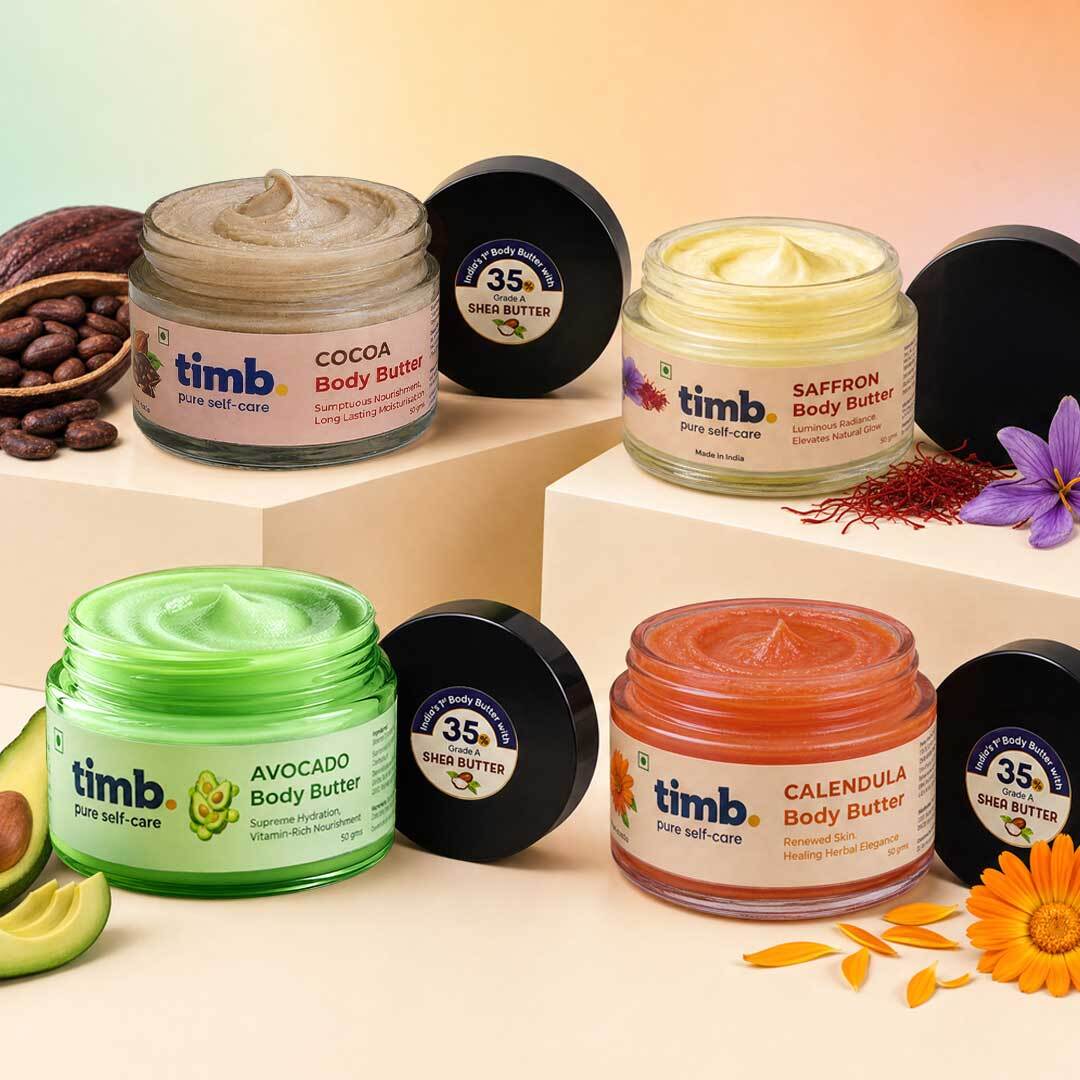
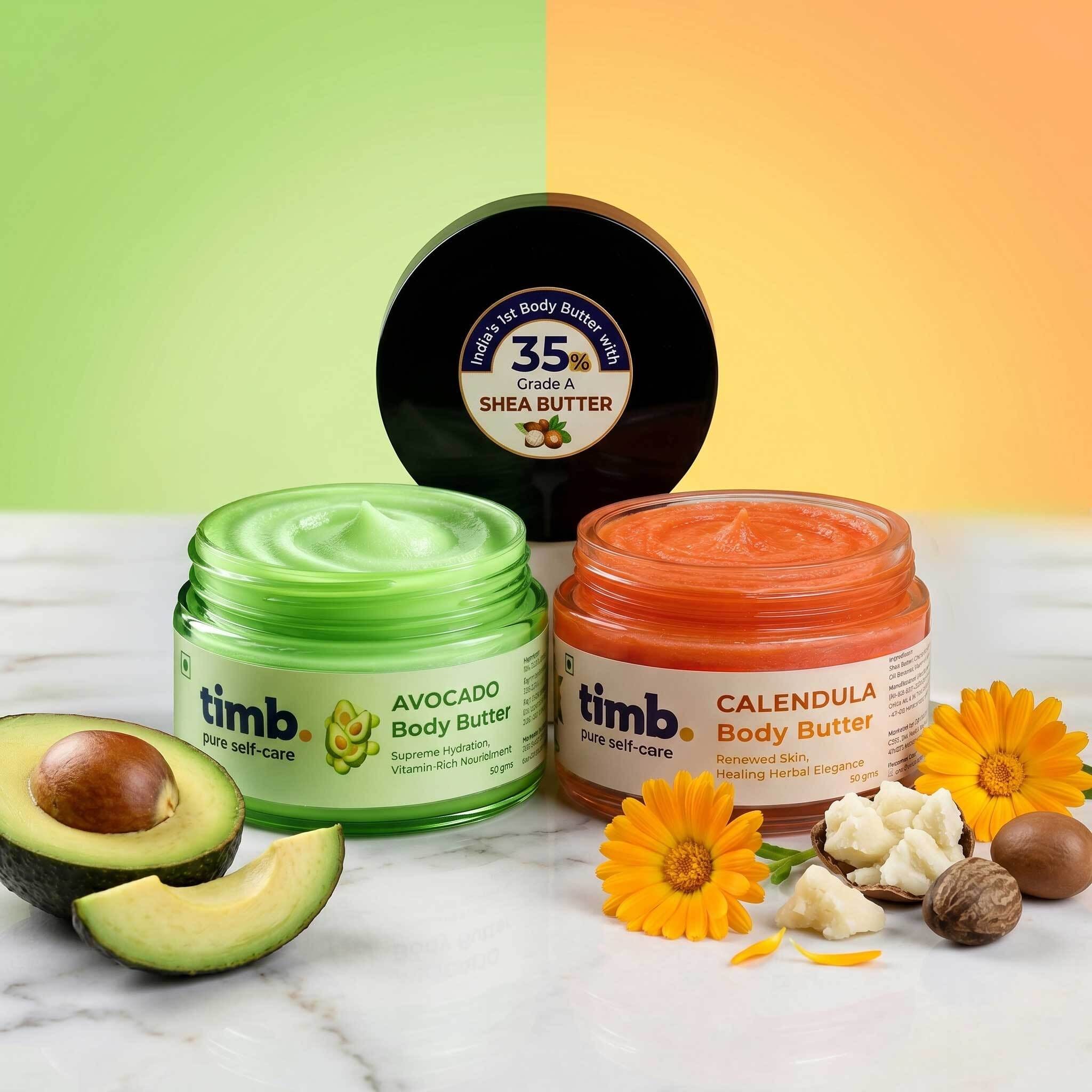
Calendula, Avocado, Cocoa, Saffron Body Butter with Shea | Dry Skin | Men & Women | All Seasons | 50gm Each
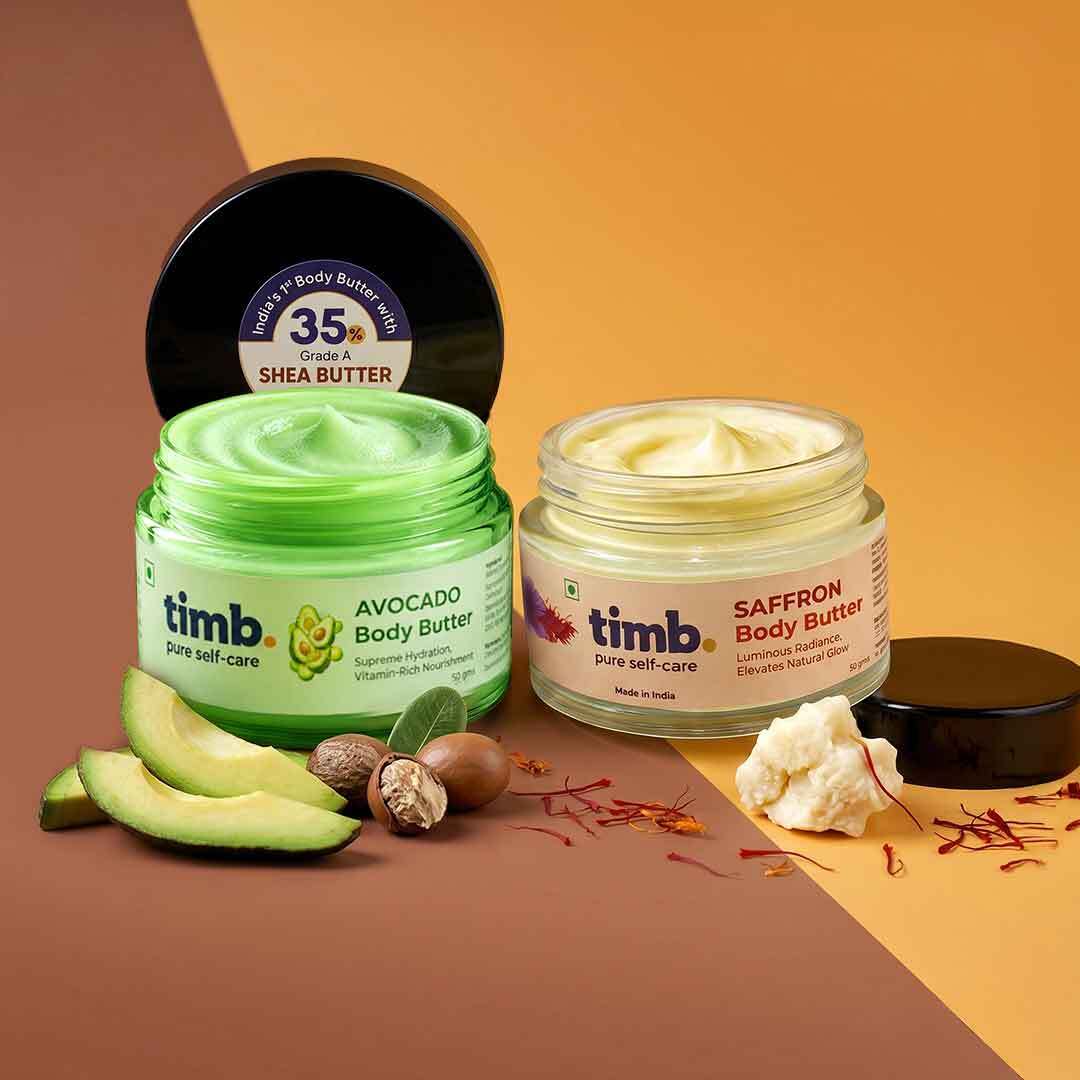
Rated 4.52 out of 5₹1,516.00Original price was: ₹1,516.00.₹1,349.00Current price is: ₹1,349.00.MRP (incl. of all taxes) Add to cartAvocado & Saffron Body Butter with Shea Butter | Dry Skin | Men & Women | All Seasons | 50gm Each
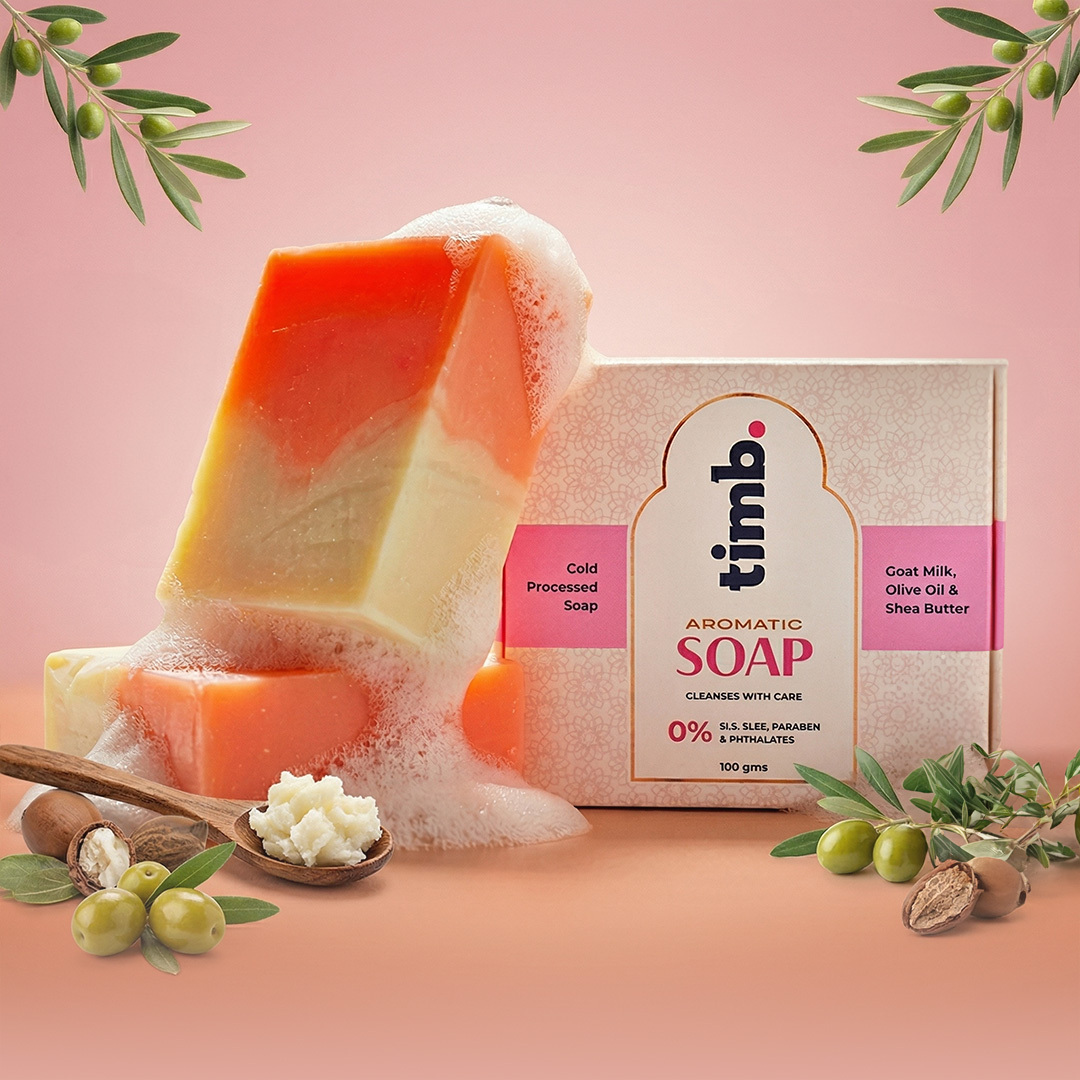
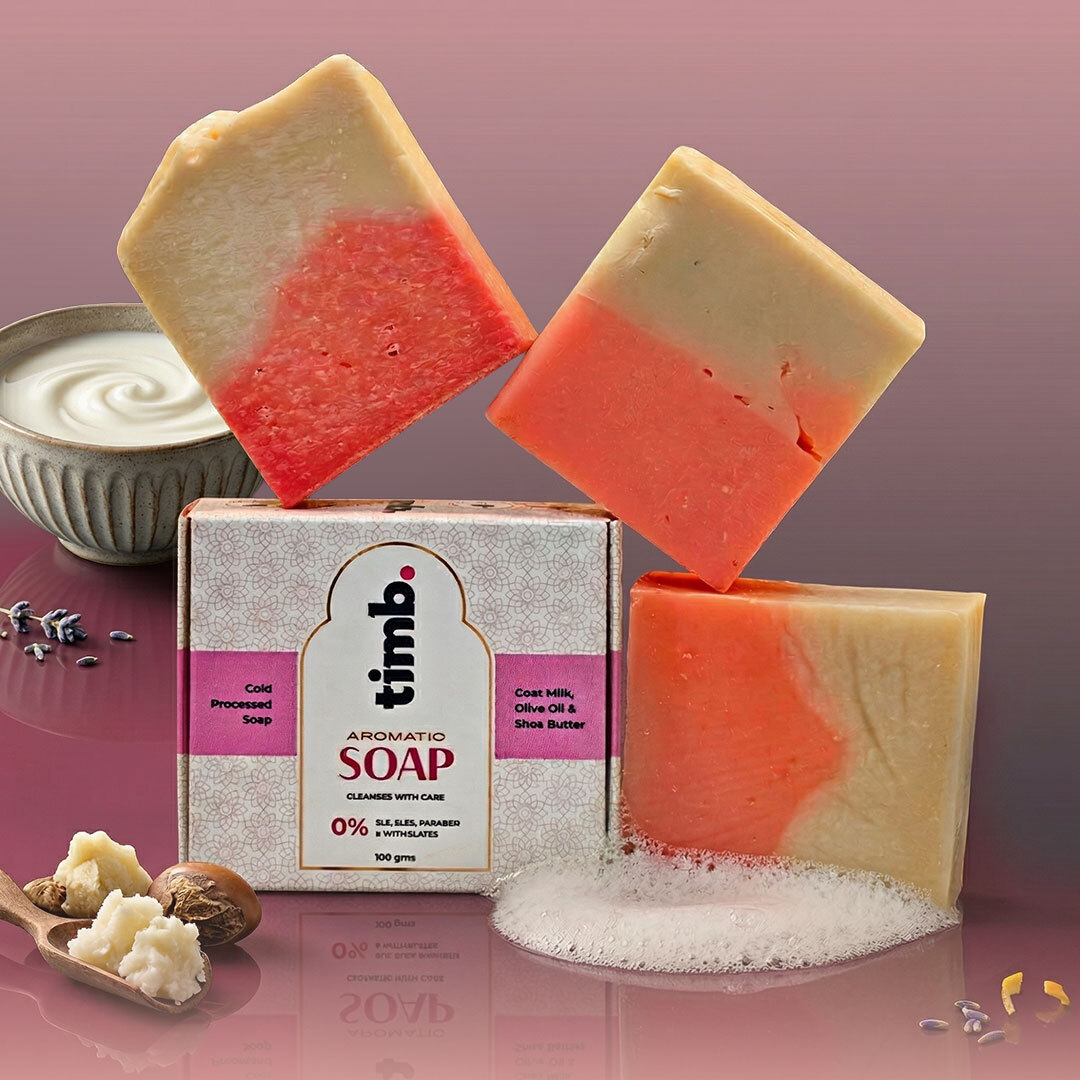
Rated 5.00 out of 5₹758.00Original price was: ₹758.00.₹679.00Current price is: ₹679.00.MRP (incl. of all taxes) Add to cartAromatic: Goat Milk Bath Soap Bar | Handmade Cold Processed Bathing Soap | With Shea Butter & Coconut Oil | 100g (Pack of 2)
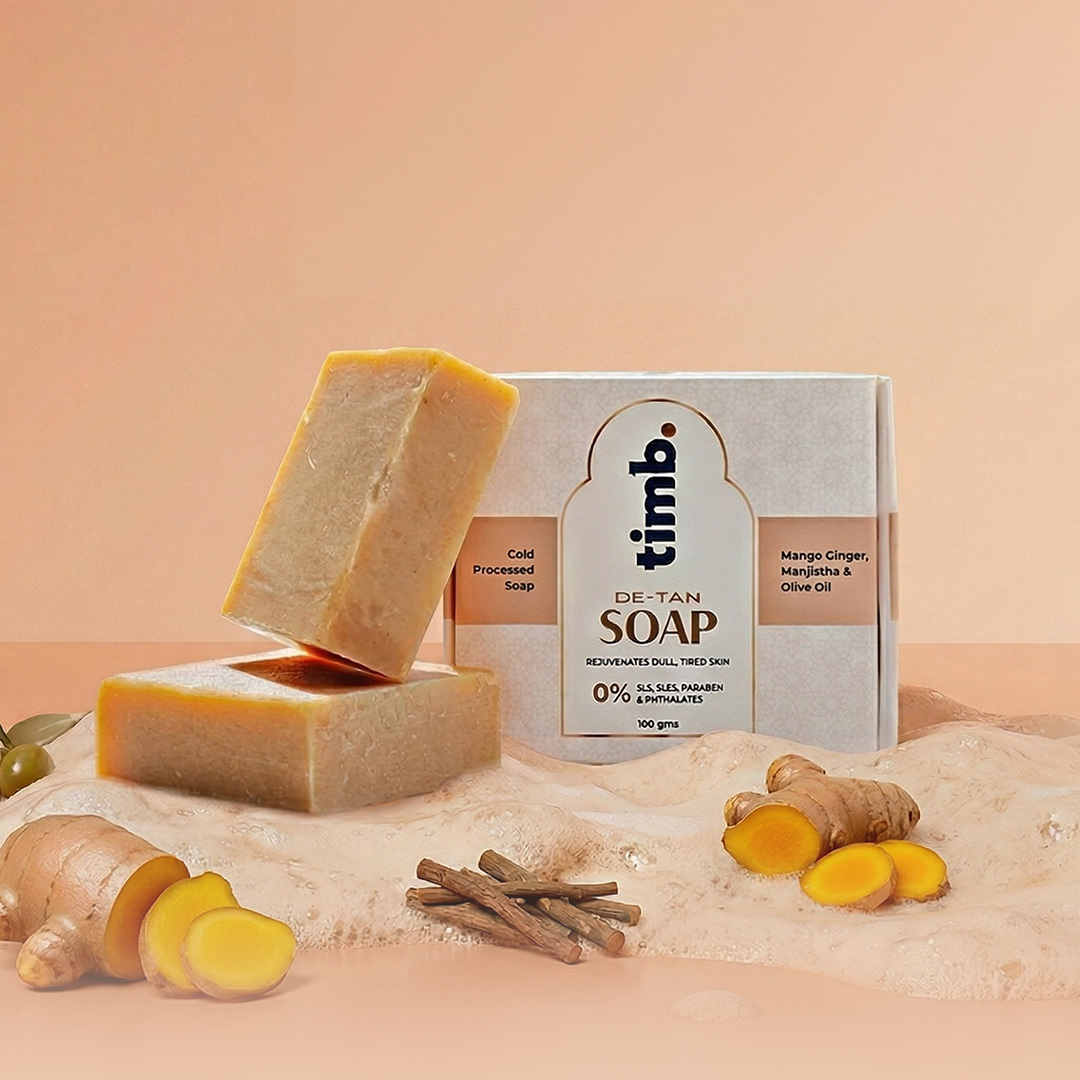
Rated 4.29 out of 5₹758.00Original price was: ₹758.00.₹659.00Current price is: ₹659.00.MRP (incl. of all taxes) Add to cartDeTan: Tan Removal Bath Soap Bar | Handmade Cold Processed Skin Brightening Bathing Soap | 100% Chemical Free | 100g (Pack of 2)
Rated 4.31 out of 5₹758.00Original price was: ₹758.00.₹659.00Current price is: ₹659.00.MRP (incl. of all taxes) Add to cart