
Key Takeaways
- Exfoliation helps maintain smooth, healthy skin when done correctly and in moderation.
- Over-exfoliation can weaken the skin barrier, causing dryness, irritation, and sensitivity.
- The right exfoliation routine depends on your skin type and how it responds.
- Gentle exfoliants like AHAs, BHAs, and PHAs are effective when used properly.
- Consistency and a balanced skincare routine are more important than harsh exfoliation.
Many people think exfoliating every day is the secret to glowing skin. But over-exfoliation can do more harm than good. One of the biggest reasons for skin barrier damage is exfoliating too often or using harsh products. Many exfoliation mistakes, like scrubbing your skin every day, can make your skin dry, red, and sensitive. Even natural exfoliation is not safe if you do it too often. By avoiding over-exfoliation, understanding skin barrier damage, choosing natural exfoliation wisely, and preventing common exfoliation mistakes, you can keep your skin healthy, smooth and glowing.
Introduction
A few months ago, my friend Ruchi started following skincare influencers who claimed that regular exfoliation was the secret to glowing, glass-like skin. As a result, she began using a face scrub every morning. At first, her skin looked smoother and brighter. However, within two weeks, it became red, dry, and sensitive. Even her regular moisturizer started to sting. Thinking she needed better products, she tried several new ones, but nothing worked. Finally, she visited a dermatologist, who said, “Your skin isn’t lacking products. It’s asking for a break.” The real problem wasn’t her skincare products-it was over exfoliation. Similarly, many people believe that exfoliating more often leads to healthier skin. In reality, too much exfoliation can weaken your skin barrier and do more harm than good.
Understanding the Problem
Your skin has a natural protective layer called the skin barrier. Think of it as an invisible shield that locks in moisture and protects your skin from pollution and bacteria. However, daily exfoliation can weaken this barrier. As a result, your skin may become dry, red, sensitive, and irritated. This is known as skin barrier damage.
So, what exactly is exfoliation?
our skin naturally sheds dead skin cells every day. However, some remain on the surface, making your skin look dull. Exfoliation removes these dead cells, revealing smoother and healthier-looking skin. Improve skin texture
- Brighten dull skin
- Help skincare products absorb better
- Reduce clogged pores
- Promote a more even-looking complexion
Exfoliation is good for your skin-but only in moderation. However, doing it every day can strip away your skin’s natural oils and weaken its protective barrier. Think of it like polishing a wooden table. Polishing it occasionally keeps it shiny, but polishing it every day removes its protective layer. Similarly, over-exfoliation can lead to skin barrier damage, leaving your skin dry, red, and sensitive instead of healthy and glowing.
- Redness
- Tightness
- Flaky patches
- Burning after applying skincare
- Increased sensitivity
Ironically, many people mistake these symptoms for dry skin and start buying more skincare products. In reality, their skin isn’t asking for more products. It’s asking for less exfoliation.
Did You Know? – Your skin naturally renews itself every 28-40 days. Exfoliation only supports this process, so daily exfoliation isn’t necessary. Giving your skin time to repair is just as important.
Is Daily Exfoliation Right for You?
Daily exfoliation may not be suitable for everyone. If your skin often feels dry, irritated, or sensitive after exfoliating, it could be a sign that you’re overdoing it. This is especially helpful if you:
- Exfoliate every day for brighter skin.
- Use face scrubs or exfoliating acids regularly.
- Have dry, sensitive, or acne-prone skin.
- Notice redness, tightness, or stinging after exfoliating.
Many people think removing more oil will reduce acne. However, exfoliating too often can weaken your skin barrier and make your skin produce even more oil. No matter your skin type, exfoliating in moderation is the key to healthy, glowing skin.
What Experts Say
Dermatologists agree that exfoliation is beneficial, but only in moderation. According to Dr. Jaishree Sharad, most people only need to exfoliate 1-3 times a week, while sensitive skin may need it even less. She also recommends using gentle exfoliants, moisturizing after exfoliation, and wearing sunscreen daily to protect the skin barrier. As skincare experts often say-
“Consistency gives better results than intensity.“
Signs You’re Over-Exfoliating
Your skin doesn’t get damaged overnight. Instead, it shows small warning signs that are easy to ignore. However, many people mistake these signs for dry skin or acne and continue exfoliating. If you’ve recently started exfoliating more often, watch for these symptoms:
- Your Skin Feels Tight All the Time
Have you ever washed your face and felt like your skin was being stretched? It could be a sign that your skin has lost too much moisture. A weak skin barrier can’t lock in hydration, leaving your skin dry and uncomfortable.
- Your Skincare Products Suddenly Sting
One of the earliest signs of skin barrier damage is a burning or stinging sensation when applying skincare products. If your regular moisturizer suddenly starts to burn, the moisturizer usually isn’t the problem. Your weakened skin barrier is simply more sensitive than before.
- Redness That Doesn’t Go Away
A little redness immediately after exfoliating can be normal; however, if your skin stays red for hours or days, it’s a sign of irritation and a damaged skin barrier. For example, using strong acids like glycolic acid too often can worsen sensitivity, so your skin needs rest and recovery-not more exfoliation.
- Your Skin Looks Shiny but Feels Dry
This confuses many people. Your face may appear oily or shiny, yet it feels rough and dehydrated. Why does this happen? When you strip away too much oil through over-exfoliation, your skin tries to protect itself by producing even more oil. The result is oily-looking skin that’s actually lacking hydration.
- Your Skin Becomes Sensitive to Everything
If sunlight, wind, makeup, or even plain water suddenly makes your face uncomfortable, your skin barrier may already be compromised. Healthy skin should feel comfortable throughout the day. Constant sensitivity is often a sign that your skin needs rest.
Quick Tip
“If you notice two or more of these symptoms, stop exfoliating for a few days. Focus on gentle cleansing, hydration, and moisturizing to help your skin barrier recover.”
Mistakes That Can Damage Your Skin Barrier
Exfoliation is good for your skin, but only when done correctly. However, certain exfoliation mistakes can irritate your skin and lead to skin barrier damage. Here are the most common ones to avoid.
- Exfoliating every day – your skin needs time to recover. For most people, 1-3 times a week is enough.
- Scrubbing too hard- harsh rubbing can irritate your skin and damage the skin barrier.
- Using harsh scrubs- Walnut shells or coarse sugar, can create tiny scratches on your skin.
- Mixing strong actives- combining glycolic acid, retinol, and Vitamin C can lead to over-exfoliation.
- Skipping moisturizer- Moisturizing after exfoliation helps restore hydration and protect your skin barrier.
- Skipping sunscreen- Exfoliated skin is more sensitive to the sun, so daily sunscreen is essential.
Interesting Fact – Many people think that if their skin tingles after exfoliating, the product is “working.” In reality, strong tingling or burning usually means irritation. Healthy exfoliation should feel smooth, not painful.
Physical vs Chemical Exfoliation
Not all exfoliants work the same way. Understanding the difference can help you choose the right one for your skin.
Physical Exfoliation | Chemical Exfoliation |
|---|---|
Removes dead skin by gently rubbing the surface | Uses mild acids to dissolve dead skin cells |
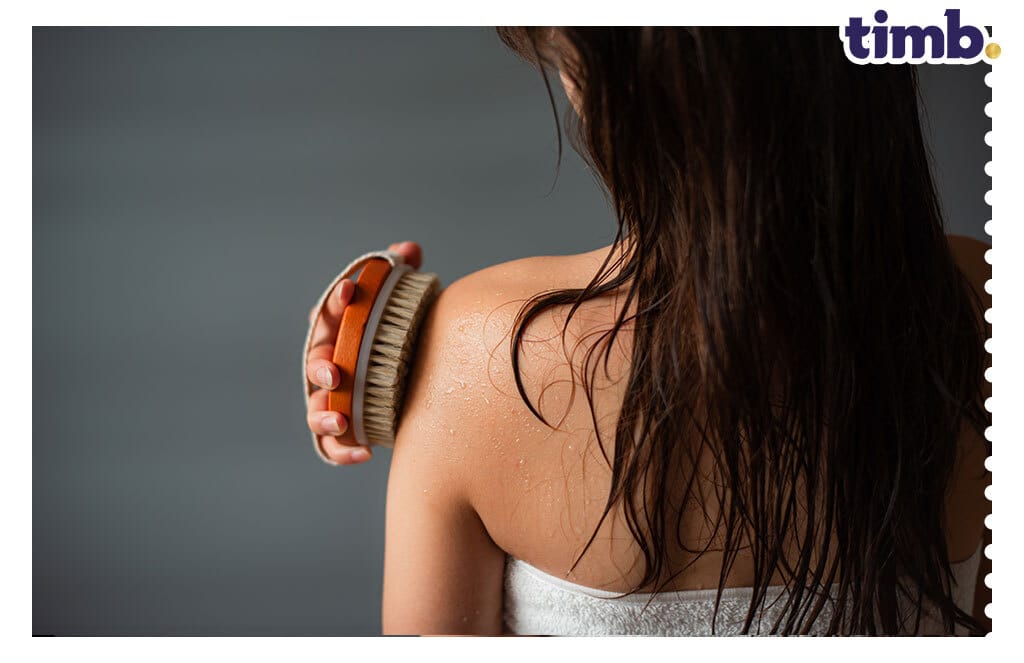
Includes scrubs, brushes, and cleansing tools | Includes AHAs, BHAs, and PHAs |
Results are immediate | Works gradually over time |
Can be harsh if used aggressively | Usually gentler when used correctly |
Neither method is better than the other. The right choice depends on your skin type and how sensitive your skin is. The most important thing is to avoid using either one too frequently.
Is Natural Exfoliation Better?
Many people believe homemade exfoliators are safer because they use natural ingredients; however, some natural ingredients can still irritate or damage the skin. Therefore, “natural” does not always mean “better” or “safer” for your skin. Some ingredients that can provide natural exfoliation include:
- Finely ground oatmeal
- Rice flour
- Yogurt (contains natural lactic acid)
- Papaya (contains natural enzymes)
- Mashed oats mixed with honey
Natural Ingredients You Should Be Careful With
Not every DIY skincare ingredient is suitable for your face. Some common ingredients can do more harm than good. Even with natural exfoliation, moderation is the key.Using natural ingredients every day can still lead to irritation and weaken your skin barrier. Think of natural exfoliation as a gentle helper-not something your skin needs daily. Avoid using-
- Lemon juice (too acidic)
- Baking soda (disrupts the skin’s natural pH)
- Coarse sugar crystals (can scratch the skin)
- Coffee grounds (uneven texture may irritate the skin)
How Often Should You Exfoliate?
One of the biggest skincare myths is that exfoliating more often gives better results. The truth is, your skin needs time to repair and renew itself. Exfoliating too frequently doesn’t speed up this process-it interrupts it. The ideal frequency depends on your skin type, the exfoliating product you use,and how your skin responds. Listening to your skin is just as important as following a skincare routine.
Recommended Exfoliation Frequency by Skin Type: Dry skin should be exfoliated once a week, sensitive skin once every 10-14 days, normal skin 1-2 times a week, oily skin 2-3 times a week, and combination skin 1-2 times a week. Always adjust the frequency based on how your skin responds.
Exfoliation Myths vs Facts Explained
Myth | Fact |
|---|---|
Daily exfoliation gives glowing skin. | Daily exfoliation can lead to skin barrier damage and irritation. |
Oily skin should be scrubbed every day. | Excessive exfoliation can actually increase oil production. |
If your skin tingles, the product is working. | Burning or stinging often means your skin is irritated. |
Natural ingredients are always safe. | Some DIY ingredients, like lemon and baking soda, can damage your skin. |
Quick Skincare Routine After Exfoliation
If you’ve just exfoliated, keep the rest of your routine simple.
- Cleanse your face gently.
- Exfoliate using a suitable product.
- Apply a hydrating serum if your skin tolerates it.
- Follow with a moisturizer.
- In the morning, finish with sunscreen.
Interesting fact: Your skin does most of its repair work while you sleep. That’s one reason why nighttime is often the best time to exfoliate. It gives your skin several hours to recover before facing sun exposure and pollution the next day.
Pro Tips for Safe Exfoliation
Small changes can make a big difference when it comes to healthy skin. For example, exfoliating at night allows your skin to recover while you sleep. You should always moisturize right after, wear sunscreen the next morning, avoid mixing multiple exfoliating products, and skip exfoliation if your skin is irritated or healing. In addition, start new exfoliants slowly (once a week) and increase only if your skin tolerates it, and prefer gentle exfoliants over rough scrubs. Overall, consistency matters more than being harsh. For a gentle and traditional option, you can also try Abhyangam Ubtan Powder, which helps exfoliate softly while keeping the skin smooth.
Conclusion
Exfoliation is one of the best ways to maintain smooth, healthy-looking skin, but only when done correctly. The goal is not to exfoliate every day, but to gently remove dead skin cells without harming the skin barrier. As Ruchi discovered, using more products or exfoliating more often doesn’t give better results-in fact, over-exfoliation can make skin dry, sensitive, and irritated. Instead, focus on a long-term routine based on your skin type, moisturize regularly, and protect your skin with sunscreen. True glow comes from healthy habits, not harsh scrubbing, because your skin needs balance, patience, and care.
FAQ's
Common signs include redness, tightness, dryness, burning when applying skincare, flaking, and increased sensitivity.
Abhyangam Ubtan Powder | Natural Face & Body Brightening Mask | 75gms
Rated 4.53 out of 5₹199.00Original price was: ₹199.00.₹179.00Current price is: ₹179.00.MRP (incl. of all taxes) Add to cartDeTan: Tan Removal Bath Soap Bar | Handmade Cold Processed Skin Brightening Bathing Soap | 100% Chemical Free | 100g (Pack of 2)
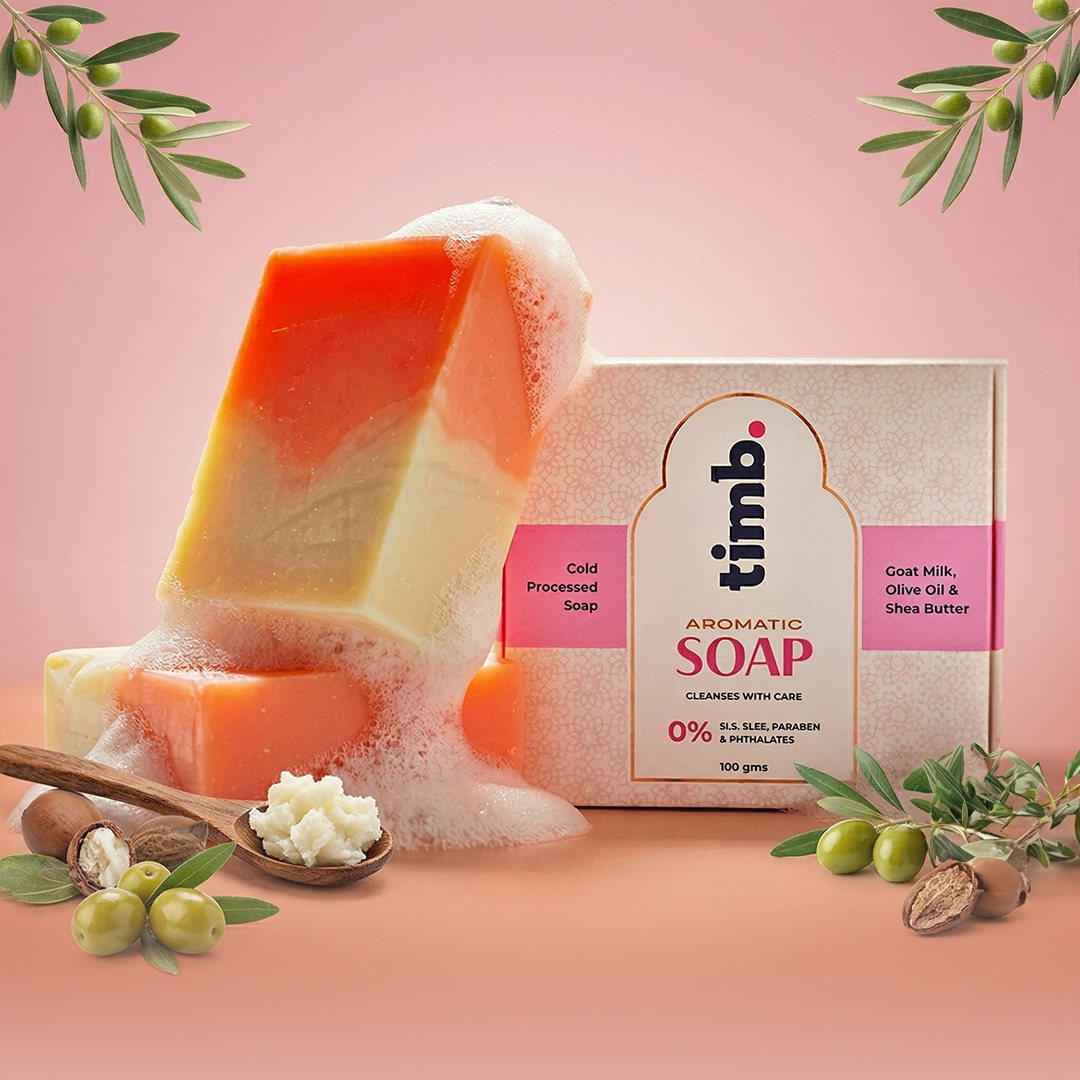
Rated 4.31 out of 5₹758.00Original price was: ₹758.00.₹659.00Current price is: ₹659.00.MRP (incl. of all taxes) Add to cartAromatic: Goat Milk Bath Soap Bar | Handmade Cold Processed Bathing Soap | With Shea Butter & Coconut Oil | 100g (Pack of 1)
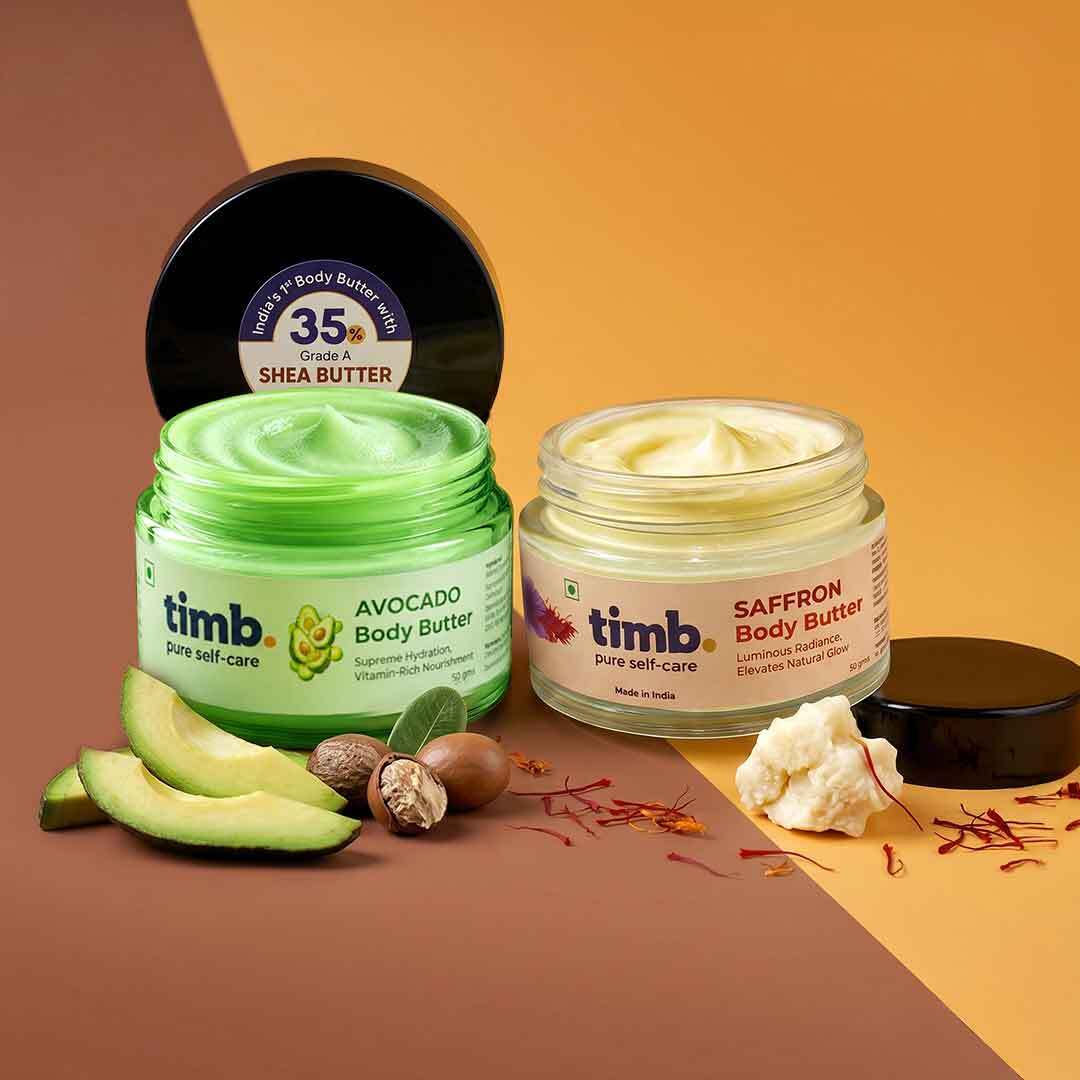
Rated 4.63 out of 5₹379.00Original price was: ₹379.00.₹341.00Current price is: ₹341.00.MRP (incl. of all taxes) Add to cartAvocado & Saffron Body Butter with Shea Butter | Dry Skin | Men & Women | All Seasons | 50gm Each
Rated 5.00 out of 5₹758.00Original price was: ₹758.00.₹679.00Current price is: ₹679.00.MRP (incl. of all taxes) Add to cart