

Key Takeaways
- Head massage for hair growth may improve blood circulation to the scalp, creating a healthier environment for hair follicles.
- While scalp massage alone cannot reverse genetic hair loss, it can support stronger, healthier-looking hair when combined with a proper hair care routine.
- Regular massage helps reduce stress, one of the contributing factors to temporary hair fall.
- Using nourishing oils during scalp massage may improve scalp hydration and reduce dryness.
- Consistency is more important than pressure; gentle daily massages provide better long-term benefits.
- A healthy diet, quality hair products, and proper scalp care remain essential for optimal hair growth.
Introduction
Hair fall has become one of the most common beauty concerns today. Whether it’s due to stress, pollution, hormonal changes, nutritional deficiencies, or excessive heat styling, almost everyone experiences hair loss at some point. In the search for natural remedies, one traditional practice has continued to stand the test of time: head massage for hair growth.
From Ayurvedic oil massages performed by our grandparents to modern scalp massage devices promoted on social media, scalp massage has gained popularity as a simple yet effective addition to a healthy hair care routine. But does science actually support this age-old belief? Can spending a few minutes massaging your scalp each day really help your hair grow thicker and stronger?
The answer is both interesting and realistic. While a head massage isn’t a miracle cure for baldness, research suggests that regular scalp massage may improve scalp health, enhance blood circulation, reduce stress, and even contribute to healthier hair over time. The key lies in understanding what scalp massage can and cannot do.
Many people expect immediate results after a few massages, only to become disappointed. Hair growth is a slow biological process influenced by genetics, hormones, nutrition, lifestyle, and scalp condition. Scalp massage works by supporting these natural processes rather than replacing them.
In this comprehensive guide, we’ll explore the science behind head massage for hair growth, discuss expert opinions, uncover common myths, explain the best massage techniques, and provide practical tips to maximize your results naturally.
Understanding Hair Growth
Before understanding how scalp massage works, it’s helpful to know how hair grows.
Each hair follicle continuously cycles through three main phases:
1. Anagen (Growth Phase)
This is the active growth stage that lasts anywhere from 2 to 7 years. Around 85–90% of your hair is usually in this phase.
2. Catagen (Transition Phase)
This short stage lasts around two weeks as hair growth slows and the follicle begins shrinking.
3. Telogen (Resting Phase)
Hair rests before naturally shedding, allowing new hair to grow.
Healthy follicles produce thicker, stronger strands. Anything that improves the scalp environment may help these follicles function more efficiently.
What Happens During a Head Massage?
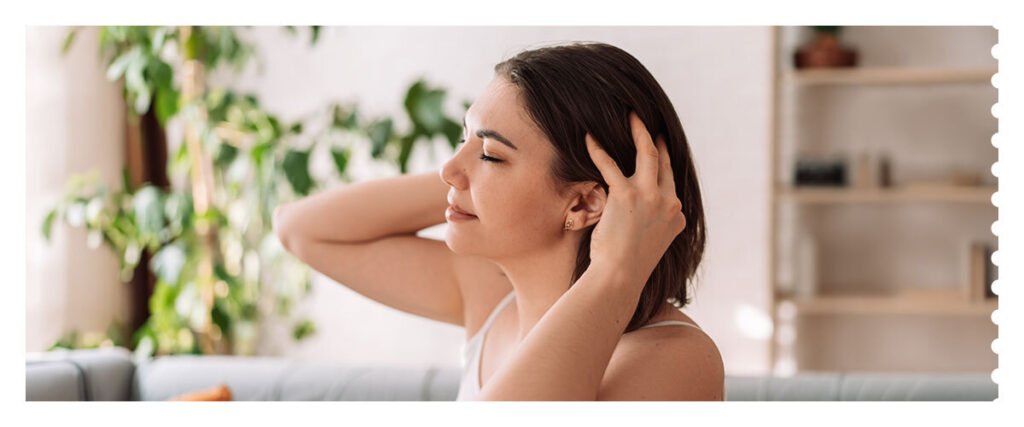
A scalp massage involves applying gentle pressure using fingertips or specialized massage tools.
The process may help by:
- Increasing blood circulation
- Relaxing scalp muscles
- Improving lymphatic drainage
- Reducing scalp tension
- Encouraging natural oil distribution
- Supporting healthier follicles
Unlike expensive treatments, scalp massage is non-invasive, affordable, and easy to perform at home.
Does Science Support Head Massage for Hair Growth?
Several studies suggest encouraging results.
A small Japanese study published in Eplasty (2016) found that participants performing a four-minute daily scalp massage for 24 weeks experienced thicker hair shafts compared to baseline measurements.
Researchers believe the gentle stretching forces generated during massage may influence dermal papilla cells, specialized cells located at the base of hair follicles that regulate hair growth.
Other research indicates that improved circulation may enhance oxygen and nutrient delivery to hair follicles.
However, it’s important to understand:
- Massage improves hair thickness more consistently than hair count.
- Results require months of consistency.
- Massage works best alongside good nutrition and scalp care.
- It cannot permanently reverse hereditary baldness.
Therefore, head massage for hair growth should be viewed as a supportive habit rather than a standalone cure.
How Head Massage May Support Hair Growth
1. Improves Blood Circulation
Healthy follicles require oxygen and nutrients.
Gentle massage increases microcirculation around the scalp, potentially improving nutrient delivery to follicles.
Better circulation creates an environment where follicles can perform more efficiently.
2. Reduces Stress-Induced Hair Fall
Stress is strongly associated with telogen effluvium, a temporary form of hair shedding.
Scalp massage activates the body’s relaxation response, helping lower stress levels.
Reduced stress supports healthier hair growth cycles over time.
3. Relaxes Tight Scalp Muscles
Many people unknowingly carry tension around the scalp, temples, and neck.
Massaging helps release this tightness, potentially improving local blood flow and comfort.
4. Supports Scalp Health
A healthy scalp is the foundation of healthy hair.
Massage may help:
- Remove dead skin cells
- Distribute natural oils evenly
- Improve scalp hydration
- Reduce mild dryness
- Encourage healthier skin turnover
5. Enhances Oil Absorption
When combined with nourishing oils, massage allows products to spread evenly across the scalp.
Popular oils include:
- Coconut oil
- Almond oil
- Jojoba oil
- Rosemary-infused oil
- Sesame oil
These oils moisturize the scalp while massage improves their distribution.
6. Encourages Hair Thickness
Although scalp massage doesn’t instantly create new follicles, existing hairs may become thicker over time.
This makes hair appear fuller and healthier.
Common Causes of Hair Fall That Massage Alone Cannot Fix
Even though head massage for hair growth is beneficial, it cannot solve every hair problem.
Hair loss caused by the following may require additional treatment:
- Iron deficiency
- Thyroid disorders
- Hormonal imbalance
- PCOS
- Genetics
- Autoimmune diseases
- Certain medications
- Severe nutritional deficiencies
If hair shedding is excessive or sudden, consult a dermatologist for proper diagnosis.
Who Should Try Head Massage?
Scalp massage is particularly beneficial for people who:
- Experience mild hair thinning
- Have dry scalp
- Feel stressed frequently
- Spend long hours at desks
- Have scalp tightness
- Want healthier-looking hair naturally
It can be incorporated into almost any hair care routine.
Who Should Avoid Frequent Scalp Massage?
Avoid vigorous massage if you have:
- Active scalp infections
- Open wounds
- Severe dandruff flare-ups
- Psoriasis during active inflammation
- Painful scalp conditions
Always seek medical advice if unsure.
Best Techniques for Head Massage
Fingertip Circular Massage
- Use fingertips instead of nails.
- Apply gentle circular motions.
- Cover the entire scalp.
- Continue for 5–10 minutes.
Pressure Point Massage
Focus on:
- Crown
- Temples
- Back of the head
- Hairline
This technique helps relieve muscle tension.
Oil Massage
Warm oil slightly before use.
Massage gently for 10 minutes.
Leave overnight or wash after 30–60 minutes.
Inverted Massage
Some people massage while bending forward.
Although popular online, scientific evidence supporting this method remains limited.
Avoid it if it causes dizziness.
How Often Should You Massage Your Scalp?
Experts generally recommend:
- 5–10 minutes daily
- Or 15 minutes, 3–4 times weekly
Consistency matters more than duration.
Avoid aggressive rubbing.
Can Massage Devices Work?
Electric scalp massagers and silicone scalp brushes are increasingly popular.
Benefits include:
- Consistent pressure
- Reduced finger fatigue
- Even scalp stimulation
- Comfortable home use
However, they are not necessarily more effective than using your fingertips correctly.
Oils That Pair Well with Head Massage
Rich in fatty acids that reduce protein loss.
Rosemary Oil
Early research suggests rosemary may support hair growth when used consistently and diluted properly.
Almond Oil
Contains vitamin E and healthy fats.
Jojoba Oil
Helps moisturize without feeling overly greasy.
Sesame Oil
Frequently used in Ayurvedic scalp massages.
Always perform a patch test before trying new oils.
Lifestyle Habits That Improve Results
Scalp massage works best alongside healthy habits.
Consider:
- Eating protein-rich foods
- Consuming iron-rich vegetables
- Getting enough zinc and biotin through diet
- Drinking sufficient water
- Sleeping 7–8 hours nightly
- Managing stress
- Avoiding excessive heat styling
- Using gentle shampoos
- Trimming split ends regularly
Hair health reflects overall health.
Common Myths About Head Massage
Myth 1: Harder Massage Means Faster Hair Growth
False.
Aggressive rubbing may damage follicles.
Myth 2: Hair Will Grow Overnight
False.
Hair grows approximately 1–1.5 cm per month.
Myth 3: Oils Alone Grow Hair
Not entirely.
Healthy follicles require proper nutrition and overall scalp health.
Myth 4: Scalp Massage Cures Baldness
False.
Massage cannot permanently reverse androgenetic alopecia.
What Experts Say
Many dermatologists agree that scalp massage can be a valuable supportive practice but should not be considered a standalone treatment for significant hair loss.
According to Dr. Koushik, maintaining a healthy scalp environment is an important part of promoting stronger hair. Improved circulation, reduced stress, and consistent scalp care may contribute to healthier hair growth, particularly when combined with proper nutrition and evidence-based treatments when necessary.
Similarly, hair specialists emphasize that hair growth depends on multiple factors, including genetics, hormones, diet, and overall health. Scalp massage can improve scalp wellness and relaxation, but persistent or severe hair loss should always be evaluated by a qualified dermatologist.
Suggestions & Recommendations
If you want to maximize the benefits of head massage for hair growth, consider these practical recommendations:
Build a Consistent Routine
Perform a gentle scalp massage for 5–10 minutes daily or at least 3–4 times a week. Consistency over several months is far more effective than occasional long massage sessions.
Use Gentle Pressure
Massage using the pads of your fingertips rather than your nails. Excessive force can irritate the scalp and may even contribute to unnecessary hair breakage.
Choose the Right Hair Care Products
Healthy hair starts with a healthy scalp. Use mild shampoos and nourishing conditioners that cleanse without stripping away the scalp’s natural moisture.
Support Hair Growth Through Nutrition
Include foods rich in:
- Protein
- Iron
- Zinc
- Omega-3 fatty acids
- Vitamins A, C, D, and E
Balanced nutrition helps nourish hair follicles from within.
Stay Hydrated
Adequate hydration supports overall skin and scalp health, helping maintain an optimal environment for hair growth.
Manage Stress
Since chronic stress can trigger temporary hair shedding, pair your scalp massage routine with activities like meditation, yoga, or regular exercise to improve overall well-being.
Be Patient
Visible improvements in hair quality or thickness may take three to six months. Hair growth is a gradual process, so realistic expectations are essential.
Solutions & Pro Tips
To get the most from head massage for hair growth, combine the technique with a holistic hair care routine rather than relying on massage alone.
- Massage your scalp before washing your hair to loosen dirt, excess oil, and product buildup, allowing your shampoo to cleanse more effectively.
- If you enjoy oiling your hair, choose lightweight, nourishing oils and gently massage them into the scalp for a few minutes instead of applying heavy pressure.
- Avoid tying your hair too tightly immediately after a massage, as the follicles may be more sensitive.
- Clean your scalp massage tools regularly to prevent the buildup of bacteria, oil, and dead skin cells.
- Protect your scalp from excessive sun exposure by wearing a hat or scarf when spending long periods outdoors.
- Limit the use of high-heat styling tools, which can weaken hair shafts and contribute to breakage.
- Pair your massage routine with a balanced hair care regimen that includes gentle cleansing, conditioning, and regular scalp care.
If you’re looking to upgrade your overall routine, you can also explore natural hair care options available at the Timb Store. Instead of focusing on one product, building a complete routine with mild cleansers, nourishing conditioners, and scalp-friendly hair care essentials can help support healthier-looking hair over time.
Remember, scalp massage works best as one part of a comprehensive approach that includes healthy habits, proper nutrition, stress management, and suitable hair care products.
Conclusion
So, does head massage really help hair growth? The evidence suggests that it can, but with realistic expectations. While scalp massage isn’t a miracle solution that instantly reverses hair loss or creates new hair follicles, it offers several meaningful benefits that support healthier hair over time. Improved blood circulation, reduced stress, better scalp health, and enhanced relaxation all contribute to creating a more favorable environment for hair follicles to function.
The biggest advantage of head massage for hair growth is that it’s simple, affordable, safe for most people, and easy to include in your daily routine. Just a few minutes of gentle massage each day may help improve hair thickness, scalp comfort, and overall hair quality when practiced consistently.
For the best results, combine scalp massage with a balanced diet, adequate hydration, quality sleep, stress management, and a well-rounded hair care routine. If you’re looking for natural hair care essentials to complement these healthy habits, the TIMB Store offers a range of products designed to support scalp and hair wellness as part of your everyday routine.
Ultimately, healthy hair is built through consistency, not quick fixes. Think of scalp massage as a long-term investment in your scalp health, one that can help your hair look stronger, healthier, and more vibrant over time.
FAQ's
Yes, head massage for hair growth may improve blood circulation, reduce stress, and promote a healthier scalp environment, which can support stronger and thicker-looking hair over time.
Most experts recommend 5–10 minutes of gentle scalp massage daily or at least three to four times a week.
Coconut oil, rosemary-infused oil (properly diluted), almond oil, jojoba oil, and sesame oil are commonly used for scalp massage due to their nourishing properties.
Visible improvements in hair quality or thickness generally require consistent practice for at least three to six months, depending on individual factors.
Yes. Daily gentle massage is considered safe for most people, provided you avoid excessive pressure or scratching the scalp with your nails.
Gentle massage may improve scalp cleanliness and oil distribution, but dandruff caused by fungal overgrowth usually requires appropriate anti-dandruff treatment.
Plant-Based Keratin Hair Oil: Growth, Reduces Hair Loss | 100ml
Rated 4.35 out of 5₹449.00Original price was: ₹449.00.₹404.00Current price is: ₹404.00.MRP (incl. of all taxes) Add to cartProtein Shampoo for Healthy Hair, Scalp Nourishment | Long & Thick Hair | 100ml
Rated 4.64 out of 5₹399.00Original price was: ₹399.00.₹359.00Current price is: ₹359.00.MRP (incl. of all taxes) Add to cartNourishing Conditioner For Detangles, Strengthens & Shines Hair | 100ml
Rated 4.33 out of 5₹499.00Original price was: ₹499.00.₹449.00Current price is: ₹449.00.MRP (incl. of all taxes) Add to cartProtein Shampoo, Keratin Oil & Nourishing Conditioner Combo | Strong Hair | 100ml Each
Rated 4.56 out of 5₹1,347.00Original price was: ₹1,347.00.₹1,179.00Current price is: ₹1,179.00.MRP (incl. of all taxes) Add to cart