

Key Takeaways
- Avoiding common face pack mistakes is just as important as choosing a high-quality face pack. Using the right product correctly helps you achieve healthier and more radiant-looking skin.
- Always select a face pack based on your skin type. Hydrating masks work best for dry skin, while clay-based masks are generally more suitable for oily or combination skin.
- Cleanse your face thoroughly before applying a face pack and apply only a thin, even layer. This allows the ingredients to work effectively without wasting product.
- Most face packs should be left on for 10–20 minutes. Keeping them on for too long may dry out the skin instead of providing additional benefits.
- Use face packs in moderation. Applying them too frequently is one of the most common face pack mistakes and may weaken the skin’s natural protective barrier.
- After removing the face pack, always follow up with a moisturizer to restore hydration and keep your skin soft and balanced.
- Perform a patch test before trying any new skincare product, especially if you have sensitive or reactive skin.
- Healthy skin depends on consistency. Combining face packs with cleansing, moisturizing, sunscreen, a balanced diet, adequate hydration, and proper sleep delivers better long-term results than relying on face packs alone.
- Remember that skincare is a gradual process. Avoid expecting instant transformations, and focus on maintaining a regular routine that supports your skin’s natural health over time.
Introduction
Face packs are one of the easiest and most effective ways to give your skin extra care. Whether your goal is to hydrate dry skin, control excess oil, brighten a dull complexion, or simply enjoy a relaxing self-care session, a face pack can be a valuable addition to your skincare routine. From traditional homemade recipes to modern clay, gel, and cream-based formulations, face packs have been used for centuries to help cleanse, nourish, and refresh the skin.
However, simply applying a face pack is not enough to achieve healthy, glowing skin. Many people unknowingly make several face pack mistakes that reduce the effectiveness of the product or even lead to skin irritation. Leaving a face pack on for too long, choosing the wrong formula for your skin type, applying it too frequently, or skipping moisturizer afterward are just a few examples of common errors that can affect your skin’s health.
Every skin type has different needs. Oily skin may benefit from clay-based face packs that absorb excess oil, while dry skin often requires hydrating ingredients that replenish moisture. Using the wrong face pack or applying it incorrectly can disrupt the skin’s natural barrier and leave it feeling dry, tight, or sensitive instead of soft and refreshed.
Another common misconception is that using a face pack more often will produce faster results. In reality, excessive use may strip away the skin’s natural oils and increase sensitivity. Understanding the right technique, frequency, and ingredients is just as important as selecting a quality product.
In this blog, we’ll explore the most common face pack mistakes, explain why they happen, discuss expert recommendations, and share practical tips to help you use face packs correctly. By avoiding these simple mistakes, you can maximize the benefits of your skincare routine and enjoy healthier, more radiant-looking skin.
Interesting Fact
Did you know?
Your skin naturally renews itself approximately every 28 days, although this process slows down with age. A face pack doesn’t change this natural cycle, but when used correctly, it can help remove excess oil, impurities, and dead skin cells from the surface of the skin, making it appear smoother and more refreshed. Avoiding common face pack mistakes ensures your skin gets these benefits without unnecessary irritation.
Understanding Face Packs
A face pack is a skincare product designed to remain on the skin for a short period before being rinsed off. Unlike cleansers, which remove dirt immediately, face packs work by allowing beneficial ingredients to remain in contact with the skin for several minutes.
Depending on their formulation, face packs may help:
- Remove excess oil
- Clean impurities from the skin’s surface
- Hydrate dry skin
- Improve the appearance of dull skin
- Leave the skin feeling refreshed
- Provide temporary soothing effects
Different face packs are formulated for different skin concerns, which is why choosing one that matches your skin type is essential.
Why Face Packs Are Important
When used correctly, face packs can complement your regular skincare routine by providing targeted care that everyday cleansing alone may not offer.
Some of their benefits include:
- Deep cleansing the skin’s surface
- Helping remove excess sebum
- Improving the appearance of pores
- Providing hydration
- Making the skin feel smoother
- Supporting a healthy-looking complexion
However, many of these benefits can be reduced by common face pack mistakes.
Top Common Face Pack Mistakes to Avoid
Understanding these mistakes can help you get better results while protecting your skin.
One of the biggest face pack mistakes is selecting a product without considering your skin type.
For example:
- Dry skin usually benefits from cream-based or hydrating face packs.
- Oily skin often responds well to clay-based face packs.
- Sensitive skin requires gentle, fragrance-free formulations.
- Combination skin may need products that balance oil without over-drying.
Using the wrong product may leave your skin feeling uncomfortable instead of refreshed.
- Applying a Face Pack Every Day
Many people believe that frequent use leads to faster results.
In reality, overusing a face pack can:
For most skin types, using a face pack 1–3 times a week is generally sufficient.
- Leaving the Face Pack on for Too Long
Another common face pack mistake is allowing the product to remain on the skin far beyond the recommended time.
This is particularly common with clay face packs.
Leaving them on too long may:
Always follow the instructions provided by the manufacturer.
- Applying Too Much Product
A thicker layer doesn’t make the face pack work better.
Instead, it:
- Wastes product
- Takes longer to dry
- Can be difficult to rinse off
Apply a thin, even layer across the face while avoiding the eyes and lips.
- Skipping Cleansing Before Application
Applying a face pack to dirty skin is another frequent face pack mistake.
If dirt, makeup, sunscreen, or oil remains on the skin, the face pack cannot interact effectively with the skin’s surface.
Always cleanse your face before applying any mask.
- Forgetting to Moisturize Afterwards
Many people wash off the face pack and finish their routine there.
However, cleansing and masking may temporarily reduce surface moisture.
Applying a moisturizer afterward helps maintain hydration and supports the skin barrier.
- Ignoring a Patch Test
Trying a new face pack without testing it first may increase the risk of irritation, especially if you have sensitive skin.
Before applying a new product to your entire face:
- Apply a small amount behind your ear or on your inner arm.
- Wait 24 hours.
- Check for redness, itching, or irritation.
- Using Very Hot Water to Remove the Face Pack
Hot water may strip away the skin’s natural oils.
Instead, rinse using lukewarm water, then gently pat your skin dry with a soft towel.
- Scrubbing Aggressively While Removing It
Some people rub their skin vigorously to remove dried face packs.
This may irritate the skin and damage its protective barrier.
Instead:
- Soften the pack with water.
- Remove it gently using circular motions.
- Pat the skin dry.
- Expecting Instant Results
One of the most common face pack mistakes is expecting dramatic changes after a single application.
Healthy skin develops through consistent care.
Face packs work best as part of a regular skincare routine that includes:
- Cleansing
- Moisturizing
- Sun protection
- Healthy lifestyle habits
How Often Should You Use a Face Pack?
The ideal frequency depends on your skin type.
Dry Skin
✔️ 1–2 times per week
Hydrating masks help maintain moisture without overloading the skin.
Oily Skin
✔️ 2–3 times per week
Clay masks may help control excess oil when used appropriately.
Combination Skin
✔️ 1–2 times per week
Choose balancing face packs that target both oily and dry areas.
Face Pack Mistakes for Different Skin Types
Not every face pack works the same way for everyone. One of the biggest face pack mistakes is assuming that all skin types require the same ingredients and application methods. Understanding your skin type can help you choose the right face pack and avoid unnecessary irritation.
Dry Skin
Dry skin lacks sufficient moisture and often feels tight, rough, or flaky.
Common Face Pack Mistakes
- Using clay masks too frequently
- Leaving the face pack on until it becomes completely dry
- Skipping moisturizer after rinsing
- Choosing products containing harsh alcohols
Better Approach
Look for hydrating ingredients such as:
- Hyaluronic Acid
- Aloe Vera
- Shea Butter
- Honey
- Glycerin
Use a face pack once or twice a week to maintain hydration without overloading the skin.
Oily Skin
Oily skin produces excess sebum, making it more prone to shine and clogged pores.
Common Face Pack Mistakes
- Applying face packs every day
- Using overly harsh products to remove oil
- Leaving clay masks on for too long
- Over-exfoliating before applying a mask
Better Approach
Choose balancing ingredients like:
- Kaolin Clay
- Multani Mitti (Fuller’s Earth)
- Niacinamide
- Tea Tree
- Charcoal
Use a face pack 2–3 times a week, depending on your skin’s needs.
Combination Skin
Combination skin has both oily and dry areas.
Common Face Pack Mistakes
- Using one product for the entire face without considering different skin zones
- Choosing products that over-dry the cheeks
- Ignoring hydration
Better Approach
Apply hydrating masks to dry areas and clay masks only to the oily T-zone if needed. This technique, often called “multi-masking,” can help balance different areas of the face.
Sensitive Skin
Sensitive skin reacts more easily to environmental changes and certain skincare ingredients.
Common Face Pack Mistakes
- Trying multiple new products at once
- Skipping a patch test
- Using heavily fragranced masks
- Scrubbing the skin while removing the face pack
Better Approach
Choose products containing soothing ingredients like:
- Aloe Vera
- Oat Extract
- Calendula
- Chamomile
- Centella Asiatica
Use the face pack once a week unless otherwise advised by a dermatologist.
What Experts Say
- Dr Shetty
According to Dr. Shetty- healthy skin starts with a consistent skincare routine rather than using multiple products excessively. She recommends selecting skincare products based on your skin type and avoiding overuse, as excessive treatments can weaken the skin barrier.
- Dr. Kiran
According to Dr. Kiran – maintaining a healthy skin barrier is essential for radiant skin. She encourages using gentle skincare products and avoiding harsh practices that may lead to unnecessary irritation or dryness.
- Dr. Anju
According to Dr. Anju –skincare should focus on long-term consistency rather than expecting overnight transformations. She advises following product instructions carefully and giving the skin enough time to respond naturally.
Scientific Evidence
Face packs can temporarily improve the appearance and feel of the skin, but their effectiveness depends on their ingredients and proper usage.
Clay-Based Face Packs
Clay ingredients such as kaolin and bentonite absorb excess oil from the skin’s surface.
Benefits include:
- Reducing surface oil
- Leaving skin feeling cleaner
- Improving the appearance of pores
However, leaving clay masks on too long is one of the common face pack mistakes, as overly dry masks may leave the skin feeling tight.
Hydrating Face Packs
Hydrating masks often contain ingredients that help attract and retain moisture.
Common ingredients include:
- Hyaluronic Acid
- Glycerin
- Aloe Vera
These ingredients help improve the skin’s hydration temporarily and leave it feeling smoother.
Antioxidant Ingredients
Ingredients such as Vitamin C, Green Tea Extract, and Niacinamide help protect the skin from environmental stress and support a healthier-looking complexion when used consistently as part of a skincare routine.
Ingredients to Look For
Choosing the right ingredients can help you avoid many face pack mistakes while supporting healthy skin.
Aloe Vera
Benefits
✔️ Soothes the skin
✔️ Provides hydration
✔️ Suitable for most skin types
Benefits
✔️ Attracts moisture
✔️ Helps keep skin hydrated
✔️ Leaves skin feeling plumper
Benefits
✔️ Locks in moisture
✔️ Softens the skin
✔️ Supports the skin barrier
Benefits
✔️ Gently absorbs excess oil
✔️ Suitable for oily and combination skin
✔️ Less drying than stronger clays
Multani Mitti (Fuller’s Earth)
Benefits
✔️ Helps control excess oil
✔️ Refreshes oily skin
✔️ Commonly used in traditional skincare
Benefits
✔️ Helps balance oil production
✔️ Supports the skin barrier
✔️ Improves overall skin appearance
Oat Extract
Benefits
✔️ Calms sensitive skin
✔️ Reduces discomfort
✔️ Supports hydration
Honey
Benefits
✔️ Natural humectant
✔️ Helps retain moisture
✔️ Leaves skin soft and smooth
Ingredients to Avoid
Some ingredients may increase the risk of irritation, especially for sensitive skin.
❌ High Alcohol Content
Can leave the skin feeling dry and tight.
❌ Artificial Fragrances
May trigger irritation in sensitive skin.
❌ Excessive Essential Oils
High concentrations of essential oils may cause sensitivity in some individuals.
❌ Harsh Physical Scrubs
Large, rough exfoliating particles may damage the skin barrier when combined with face packs.
❌ Artificial Colours
Added colour provides no skincare benefit and may irritate sensitive skin.
Solutions & Pro Tips
Avoiding common face pack mistakes isn’t just about choosing the right product, it’s also about using it correctly and consistently. These expert-backed tips will help you get the most out of your face pack while keeping your skin healthy, balanced, and glowing.
✔️ Always Cleanse Your Face Before Applying a Face Pack
One of the biggest face pack mistakes is applying a face pack over makeup, sunscreen, or excess oil. Always wash your face with a gentle cleanser first to remove dirt, impurities, and product buildup. Clean skin allows the active ingredients in the face pack to work more effectively.
✔️ Choose a Face Pack According to Your Skin Type
Not every face pack suits every skin type. Dry skin benefits from hydrating face packs with ingredients like aloe vera or hyaluronic acid, while oily skin often responds well to clay-based formulas. Selecting the right product helps avoid irritation and improves results.
✔️ Apply a Thin, Even Layer
Using more product does not make the face pack more effective. Apply a thin, even layer across your face while avoiding the delicate eye and lip areas. This ensures even coverage and makes rinsing easier.
✔️ Follow the Recommended Application Time
Leaving a face pack on for too long is one of the most common face pack mistakes. Most face packs should be left on for 10–20 minutes, depending on the manufacturer’s instructions. Clay masks should be rinsed off when they are partially dry rather than completely cracked, as over-drying may leave the skin feeling tight.
✔️ Never Skip Moisturizer After Removing the Face Pack
After rinsing off your face pack, gently pat your skin dry and apply a suitable moisturizer. This helps restore hydration, strengthens the skin barrier, and locks in the benefits of the face pack.
✔️ Use Face Packs in Moderation
More is not always better. Overusing face packs can strip away your skin’s natural oils and lead to dryness or sensitivity. For most people:
- Dry Skin: 1–2 times a week
- Normal Skin: 1–2 times a week
- Oily Skin: 2–3 times a week
- Sensitive Skin: Once a week
Following the correct frequency helps avoid unnecessary face pack mistakes.
✔️ Perform a Patch Test Before Trying a New Product
If you’re using a new face pack for the first time, apply a small amount behind your ear or on your inner forearm and wait 24 hours. If you notice redness, itching, or irritation, avoid using the product on your face.
✔️ Use Lukewarm Water to Rinse
Very hot water can remove the skin’s natural oils, while very cold water may not effectively remove the product. Lukewarm water is the best choice for gently washing away the face pack.
✔️ Avoid Aggressive Scrubbing
When removing a dried face pack, soften it first with water. Use gentle circular motions with your fingertips instead of rubbing vigorously, as excessive friction can damage the skin barrier.
✔️ Protect Your Skin with Sunscreen
Many face packs leave the skin feeling fresh and renewed, but freshly cleansed skin can also be more sensitive to sunlight. Apply a broad-spectrum sunscreen during the day to protect your skin from UV damage and maintain your skincare results.
✔️ Maintain a Consistent Skincare Routine
Face packs work best when combined with a simple, consistent routine that includes cleansing, moisturizing, and daily sun protection. Healthy lifestyle habits such as drinking enough water, eating a balanced diet, and getting adequate sleep also contribute to healthier-looking skin.
Nature’s care, crafted for your skin and hair. Choose Timb.
Common Myths About Face Packs
Myth 1: The Longer You Leave a Face Pack On, the Better It Works
Reality: Leaving a face pack on beyond the recommended time may dry out the skin and increase irritation. Always follow the instructions on the product.
Myth 2: Using a Face Pack Every Day Gives Faster Results
Reality: Daily use may weaken the skin barrier and cause dryness or sensitivity. Most face packs are designed to be used only a few times a week.
Myth 3: Natural Ingredients Can Never Cause Irritation
Reality: Even natural ingredients can trigger allergic reactions or sensitivity in some people. Always perform a patch test before trying a new product.
Myth 4: A Tingling Sensation Means the Face Pack Is Working
Reality: Tingling isn’t always a sign of effectiveness. If the sensation is strong or accompanied by burning or redness, remove the face pack immediately and rinse with cool water.
Myth 5: One Face Pack Can Solve Every Skin Problem
Reality: Face packs support your skincare routine, but they cannot replace daily cleansing, moisturizing, sunscreen, or professional treatment for specific skin concerns.
Conclusion
Face packs can be a valuable addition to any skincare routine, helping to cleanse, refresh, hydrate, and improve the overall appearance of the skin. However, achieving the best results depends not only on the quality of the product but also on how it is used. Many people unknowingly make face pack mistakes such as choosing the wrong formula for their skin type, applying face packs too frequently, leaving them on for too long, or forgetting to moisturize afterward. These simple errors can reduce the effectiveness of the product and may even lead to dryness, irritation, or an imbalanced skin barrier.
The key to healthy, glowing skin is understanding your skin’s unique needs and following a consistent skincare routine. Choosing ingredients that suit your skin type, cleansing your face before application, following the recommended usage time, and applying moisturizer afterward can significantly improve the benefits of your face pack. Small changes in your routine can make a noticeable difference over time.
It’s also important to remember that face packs are not instant solutions. Healthy skin is the result of regular care, patience, and healthy lifestyle habits such as staying hydrated, eating a nutritious diet, getting enough sleep, and protecting your skin with sunscreen every day. When combined with these habits, face packs can help keep your skin looking fresh, balanced, and radiant.
By avoiding these common face pack mistakes and following the right skincare practices, you can make the most of your face packs while maintaining a healthy skin barrier. Consistency, proper product selection, and gentle care are the true secrets to achieving naturally healthy and glowing skin.
FAQ's
No. Unless the product is specifically designed as an overnight sleeping mask, traditional face packs should always be removed within the recommended time.
Yes. People with combination skin often benefit from multi-masking, where different face packs are applied to different areas based on their specific needs.
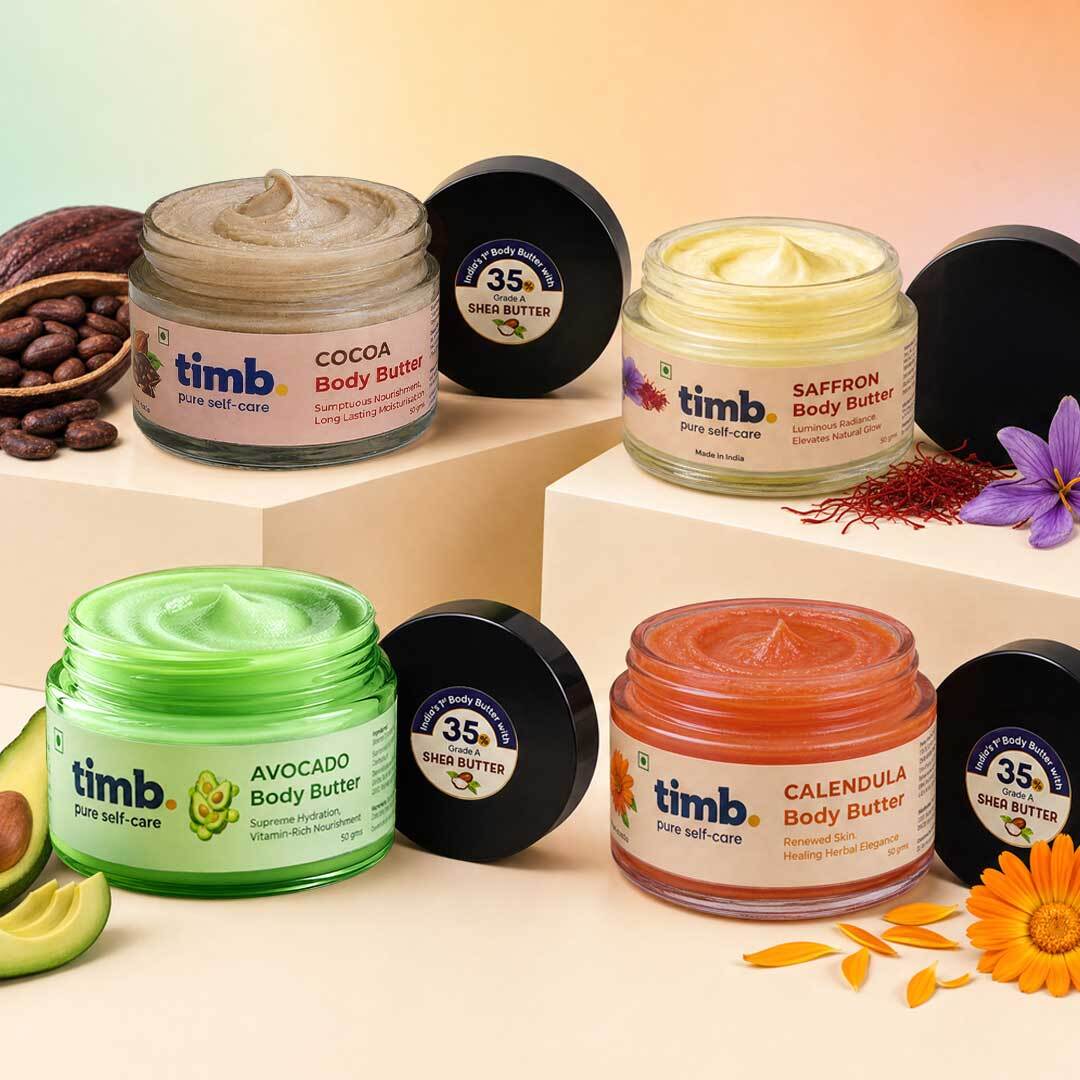
Calendula, Avocado, Cocoa, Saffron Body Butter with Shea | Dry Skin | Men & Women | All Seasons | 50gm Each
Rated 4.52 out of 5₹1,516.00Original price was: ₹1,516.00.₹1,349.00Current price is: ₹1,349.00.MRP (incl. of all taxes) Add to cartCalendula & Saffron Body Butter with Shea Butter | Dry Skin | Men & Women | All Seasons | 50gm Each
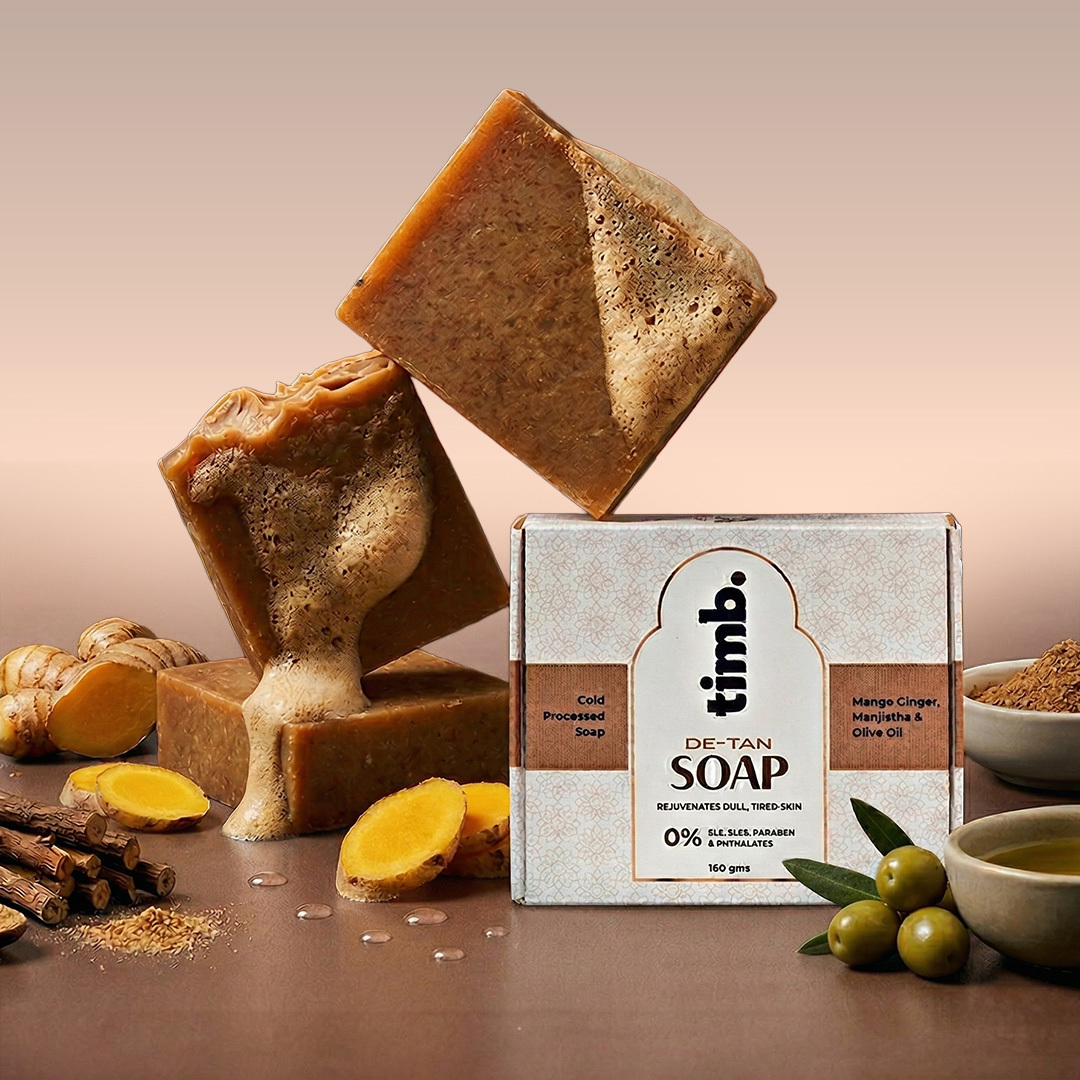
Rated 4.50 out of 5₹758.00Original price was: ₹758.00.₹679.00Current price is: ₹679.00.MRP (incl. of all taxes) Add to cartDeTan: Tan Removal Bath Soap Bar | Handmade Cold Processed Skin Brightening Bathing Soap | 100% Chemical Free | 100g (Pack of 3)
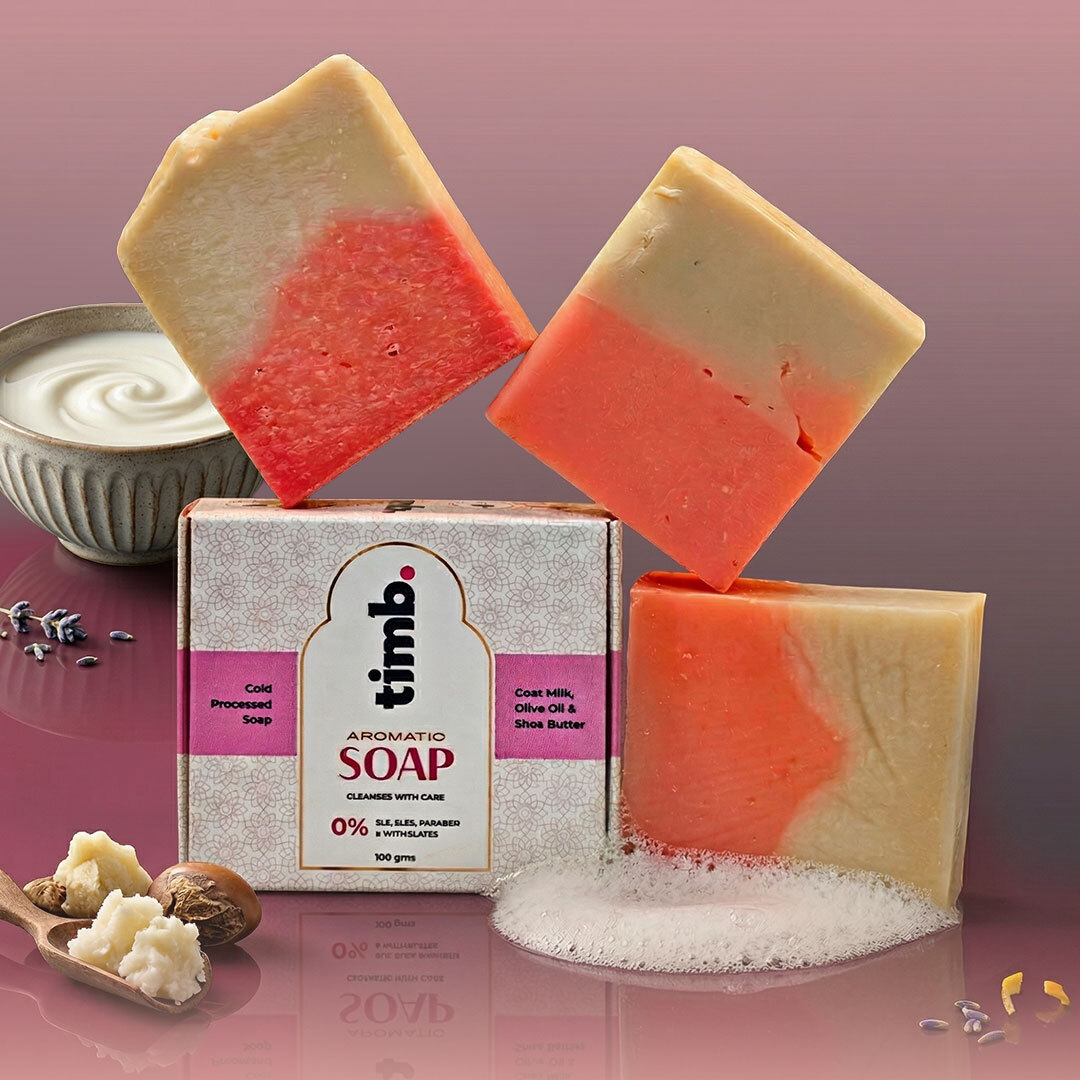
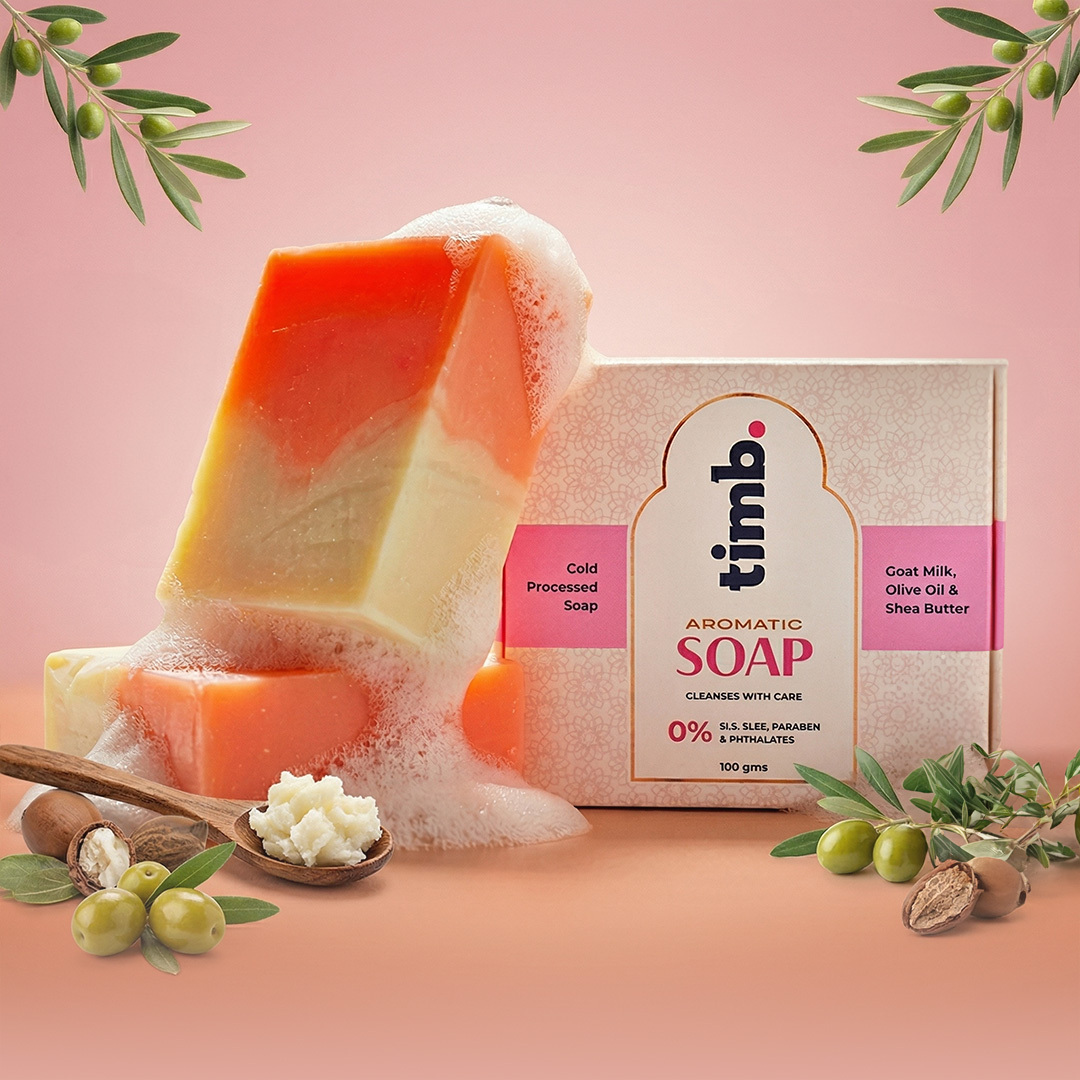
Rated 4.31 out of 5₹1,137.00Original price was: ₹1,137.00.₹949.00Current price is: ₹949.00.MRP (incl. of all taxes) Add to cartAromatic: Goat Milk Bath Soap Bar | Handmade Cold Processed Bathing Soap | With Shea Butter & Coconut Oil | 100g (Pack of 3)
Rated 4.29 out of 5₹1,137.00Original price was: ₹1,137.00.₹949.00Current price is: ₹949.00.MRP (incl. of all taxes) Add to cart