

Key Takeaways
✔ Understanding skincare ingredient labels helps you choose products that suit your skin type and concerns rather than relying on marketing claims.
✔ The cosmetic ingredient list is arranged in descending order of concentration, making the first few ingredients the most important.
✔ Marketing terms like “natural,” “clean beauty,” or “dermatologist tested” don’t always guarantee product effectiveness—always read the ingredient list.
✔ Learning about active ingredients, preservatives, and potential irritants can help you avoid allergic reactions and build a skincare routine that actually works.
✔ Using an ingredient checker alongside reading labels can help you better understand unfamiliar ingredients and make informed purchasing decisions.
Introduction
Walk into any beauty store or browse an online skincare website, and you’ll be greeted by hundreds of products claiming to brighten, hydrate, repair, or transform your skin. From serums promising radiant skin in seven days to moisturizers labeled “natural,” “clean,” or “chemical-free,” it’s easy to feel overwhelmed by the endless choices. Attractive packaging and clever marketing often influence our decisions far more than the actual formula inside the bottle.
But here’s the truth: what makes a skincare product effective isn’t the branding, celebrity endorsement, or price tag. The real story lies on the back of the packaging, hidden within the ingredient list. This is where you’ll find everything that determines how a product performs, from powerful active ingredients that target skin concerns to preservatives, emulsifiers, fragrances, and stabilizers that ensure the product remains safe and effective.
Understanding skincare ingredient labels is one of the most valuable skills you can develop as a skincare consumer. Every cleanser, moisturizer, serum, sunscreen, or face mask contains a carefully formulated combination of ingredients, each serving a unique purpose. Some ingredients hydrate the skin; others strengthen the skin barrier, while some help reduce acne, pigmentation, fine lines, or uneven texture. Once you learn how to identify these ingredients, you’ll be able to shop with confidence instead of relying solely on advertisements, influencer recommendations, or viral skincare trends.
Many consumers also believe that a longer ingredient list means a better product or that difficult-to-pronounce ingredient names automatically indicate harmful chemicals. In reality, cosmetic ingredients follow standardized scientific naming systems, and many of these “chemical-sounding” ingredients are among the safest and most researched compounds used in skincare today. On the other hand, products marketed as “natural” aren’t always suitable for every skin type, especially for people with sensitive or allergy-prone skin.
Learning to interpret a cosmetic ingredient list helps you separate scientific facts from marketing myths. It allows you to understand which ingredients are present in meaningful amounts, which ones provide real skincare benefits, and which ingredients you may want to avoid based on your skin type or concerns.
In this comprehensive beauty label guide, we’ll break down everything you need to know about reading skincare labels like a professional. You’ll learn how ingredient lists are organized, how to identify beneficial active ingredients, what common preservatives and fragrances actually do, how to spot potential irritants, and when using an ingredient checker can help you make smarter skincare choices. By the end of this guide, you’ll have the confidence to evaluate any skincare product before buying it, saving both your skin and your money.
Understanding the Problem
Why Reading Beauty Labels Matters
Most consumers spend less than a minute looking at a skincare product before purchasing it. Unfortunately, that minute is usually spent reading the front of the packaging instead of the back.
Words like “Brightening,” “Hydrating,” “Anti-Aging,” “Natural,” “Clean Beauty,” “Dermatologist Tested,” and “Clinically Proven” immediately catch our attention because they’re designed to do exactly that: sell the product. While these claims may sound impressive, they don’t always tell you what’s actually inside the formula or whether it’s suitable for your skin.
The most valuable information is found in the cosmetic ingredient list, which many people either ignore or find too confusing to understand. Since ingredient names often use scientific terminology, consumers assume the list is only meant for chemists or dermatologists. In reality, learning the basics is much easier than it seems, and even a little knowledge can completely change the way you shop for skincare.
One of the most important things to know is that cosmetic ingredients are listed in descending order of concentration. This means the first few ingredients make up the majority of the product, while ingredients listed toward the end are typically present in much smaller amounts. For example, if a moisturizer advertises hyaluronic acid on the front but lists it near the bottom of the ingredient list, it may not contain enough of the ingredient to provide significant hydration.
Another common misconception is that every ingredient with a scientific name is harmful. Water, glycerin, niacinamide, hyaluronic acid, and ceramides all have technical names, yet they are among the most effective and dermatologist-recommended skincare ingredients. Similarly, not every ingredient labeled “natural” is automatically safe. Essential oils, botanical extracts, and natural fragrances can sometimes irritate sensitive skin just as much as synthetic ingredients.
Understanding ingredient labels also helps you identify products that contain unnecessary fragrances, drying alcohols, or potential allergens before they cause irritation. Instead of buying products based on social media trends or attractive packaging, you’ll be able to evaluate whether a product genuinely matches your skin’s needs.
Signs You Should Start Reading Ingredient Labels More Carefully
You may benefit from learning how to read skincare labels if you:
- Frequently buy skincare products that fail to deliver the promised results.
- Experience redness, itching, burning, or breakouts after trying new products.
- Have sensitive, acne-prone, oily, or dry skin that requires specific ingredients.
- Feel overwhelmed by complicated ingredient names and marketing claims.
- Want to build an effective skincare routine backed by science instead of trends.
- Often purchase expensive products without knowing what you’re actually paying for.
Learning to understand skincare ingredient labels isn’t about memorizing hundreds of ingredients. It’s about recognizing the ones that matter most for your skin. Once you know what to look for, choosing the right skincare products becomes much simpler, more cost-effective, and far more rewarding.
Who Is This For?
Reading skincare ingredient labels isn’t just for dermatologists or skincare experts. Whether you’re a beginner building your first skincare routine or someone who has been using beauty products for years, understanding the cosmetic ingredient list can help you make smarter purchasing decisions. Instead of choosing products based on attractive packaging or social media recommendations, you’ll be able to identify what your skin truly needs.
Here are the groups of people who can benefit the most from learning how to read beauty labels.
Beginners Starting Their Skincare Journey
If you’re new to skincare, the sheer number of products available can feel overwhelming. Every cleanser, moisturizer, serum, and sunscreen claims to deliver glowing skin, making it difficult to know where to start.
Learning to read ingredient labels helps beginners understand which products are worth investing in. Instead of purchasing multiple trending products, you can focus on ingredients that address your specific concerns, such as hydration, acne, pigmentation, or sensitivity.
Busy Professionals
Long working hours, stress, late nights, and exposure to air-conditioned environments can leave the skin dehydrated and tired. Busy professionals often don’t have the time to experiment with different products.
By understanding skincare ingredient labels, they can quickly identify products containing ingredients like hyaluronic acid, ceramides, niacinamide, and glycerin that help maintain healthy skin with a simple yet effective routine.
People with Sensitive Skin
Sensitive skin requires extra care because even a single irritating ingredient can trigger redness, itching, or inflammation.
Reading the cosmetic ingredient list allows sensitive skin users to identify potential irritants such as:
- Artificial fragrance
- Essential oils in high concentrations
- Denatured alcohol
- Certain preservatives
- Harsh exfoliating acids
Instead of relying on labels that say “for sensitive skin,” consumers can make informed decisions based on the actual formulation.
Acne-Prone Skin
People struggling with acne often purchase products containing multiple active ingredients without understanding how they interact.
Learning ingredient labels helps identify proven acne-fighting ingredients such as:
- Salicylic Acid
- Benzoyl Peroxide
- Azelaic Acid
- Niacinamide
At the same time, it can help avoid ingredients that may clog pores or irritate already inflamed skin.
Beauty Enthusiasts
If you enjoy trying new skincare launches or following beauty trends, understanding ingredient labels helps you distinguish innovation from clever marketing.
Instead of buying every viral product, you’ll learn to compare formulas, identify duplicate ingredients across products, and determine whether a new launch actually offers something different.
People Looking for Clean and Natural Skincare
Many consumers today prefer products marketed as “natural,” “organic,” or “clean beauty.” While these products can be beneficial, these terms aren’t always regulated and don’t automatically mean they’re safer or more effective.
Reading the ingredient list helps you verify whether the product truly contains nourishing botanical extracts, plant oils, antioxidants, or unnecessary additives.
This beauty label guide encourages informed choices rather than relying solely on front-label claims.
What Experts Say
Dermatologists consistently emphasize that one of the biggest mistakes consumers make is buying skincare products based solely on marketing claims instead of understanding the ingredients. While attractive packaging and influencer recommendations can introduce you to new products, they shouldn’t replace basic knowledge of how to read skincare ingredient labels.
According to Dr. Rashmi, one of India’s leading cosmetic dermatologists, skincare should always be chosen based on your skin’s individual needs rather than trends. Ingredients such as niacinamide, ceramides, hyaluronic acid, vitamin C, and sunscreen filters have extensive scientific research supporting their effectiveness. Understanding these ingredients allows consumers to build routines that are both simple and effective.
Similarly, Dr. Jaishree, celebrity dermatologist and author, frequently highlights the importance of reading product formulations carefully. She advises patients to avoid buying products simply because they contain one trending ingredient. Instead, consumers should evaluate the complete cosmetic ingredient list to understand the overall formulation, ingredient concentration, and whether the product is suitable for their skin type.
A Common Dermatologist Consultation
Let’s look at a conversation that happens more often than you might think.
Samiksha: “I bought a brightening serum because it promised glowing skin in two weeks, but I haven’t noticed any difference.”
Dr. Chandra: “Did you check the ingredient list before buying it?”
Samiksha: “No, I only read the claims on the front.”
Dr. Chandra: “The word ‘brightening’ is a marketing claim not an ingredient. What matters is whether the product contains proven ingredients like Vitamin C, niacinamide, alpha arbutin, or licorice extract in effective concentrations.”
Samiksha: “I didn’t realize that.”
Dr. Chandra: “That’s why reading ingredient labels is so important. Once you understand what’s inside the bottle, choosing the right product becomes much easier.”
This simple conversation illustrates a common mistake. Many consumers purchase products based on promises rather than formulations, leading to disappointment and unnecessary spending.
Scientific Evidence Behind Ingredient Labels
Scientific studies continue to show that skincare effectiveness depends on ingredient quality, concentration, formulation stability, and compatibility with your skin type, not simply on branding or price.
For example:
- Ceramides help strengthen the skin barrier and reduce moisture loss.
- Niacinamide supports oil regulation, improves skin texture, and helps reduce pigmentation.
- Hyaluronic Acid attracts and retains moisture, keeping the skin hydrated.
- Vitamin C acts as a powerful antioxidant while supporting brighter-looking skin.
- Retinol promotes collagen production and accelerates skin cell turnover.
These ingredients have been extensively studied and are recommended by dermatologists worldwide because of their proven benefits.
Common Mistakes Experts Warn Against
Dermatologists also caution consumers against several common skincare mistakes:
- Buying products without reading the ingredient list.
- Following social media skincare trends without understanding ingredient compatibility.
- Using multiple active ingredients simultaneously.
- Assuming expensive products are always more effective.
- Ignoring expiration dates and storage instructions.
- Believing marketing terms like “chemical-free” or “toxin-free” without verifying the formulation.
Experts also recommend using a trusted ingredient checker whenever you’re unsure about an unfamiliar ingredient. While an ingredient checker shouldn’t replace professional advice, it can help explain ingredient functions, identify potential allergens, and provide additional confidence before purchasing a product.
Understanding ingredients isn’t about becoming a cosmetic chemist—it’s about becoming a smarter consumer. By combining expert advice, scientific knowledge, and this beauty label guide, you’ll be able to build a skincare routine based on evidence rather than advertising.
Solutions & Pro Tips
Understanding skincare ingredient labels is only the first step toward healthier skin. The next step is applying that knowledge consistently when choosing and using skincare products. Even the best ingredients won’t deliver results if products are used incorrectly or if your routine is overly complicated. By following a few practical habits, you can get the most out of your skincare while avoiding common mistakes that often lead to irritation, wasted money, and disappointing results.
Read Before You Buy
One of the easiest habits you can develop is flipping the product over before placing it in your shopping cart. The front of the packaging is designed to attract attention, but the back label contains the information that truly matters.
Before purchasing any skincare product:
- Read the complete cosmetic ingredient list.
- Check whether the advertised active ingredient appears near the top of the list.
- Make sure the product is suitable for your skin type.
- Look for ingredients supported by dermatological research rather than relying solely on marketing claims.
Spending an extra minute reading the label can save you from buying products that don’t meet your expectations.
Understand Ingredient Concentration
A product isn’t effective simply because it contains a popular ingredient. Concentration matters.
Keep these simple guidelines in mind:
- Top ingredients = highest concentration.
- Middle ingredients = supporting ingredients.
- Bottom ingredients = usually present in small amounts, often below 1%.
For example, if a moisturizer claims to contain niacinamide but lists it near the bottom of the ingredient list, it may not provide the brightening or oil-balancing benefits you’re expecting.
Introduce One Active Ingredient at a Time
Many people make the mistake of starting multiple new products simultaneously. If irritation occurs, it becomes impossible to determine which product is responsible.
Instead:
- Introduce one new active ingredient every two to three weeks.
- Observe how your skin responds before adding another product.
- Start with lower concentrations if you have sensitive skin.
Be particularly careful when using ingredients like:
- Retinol
- Vitamin C
- AHAs
- BHAs
- Benzoyl Peroxide
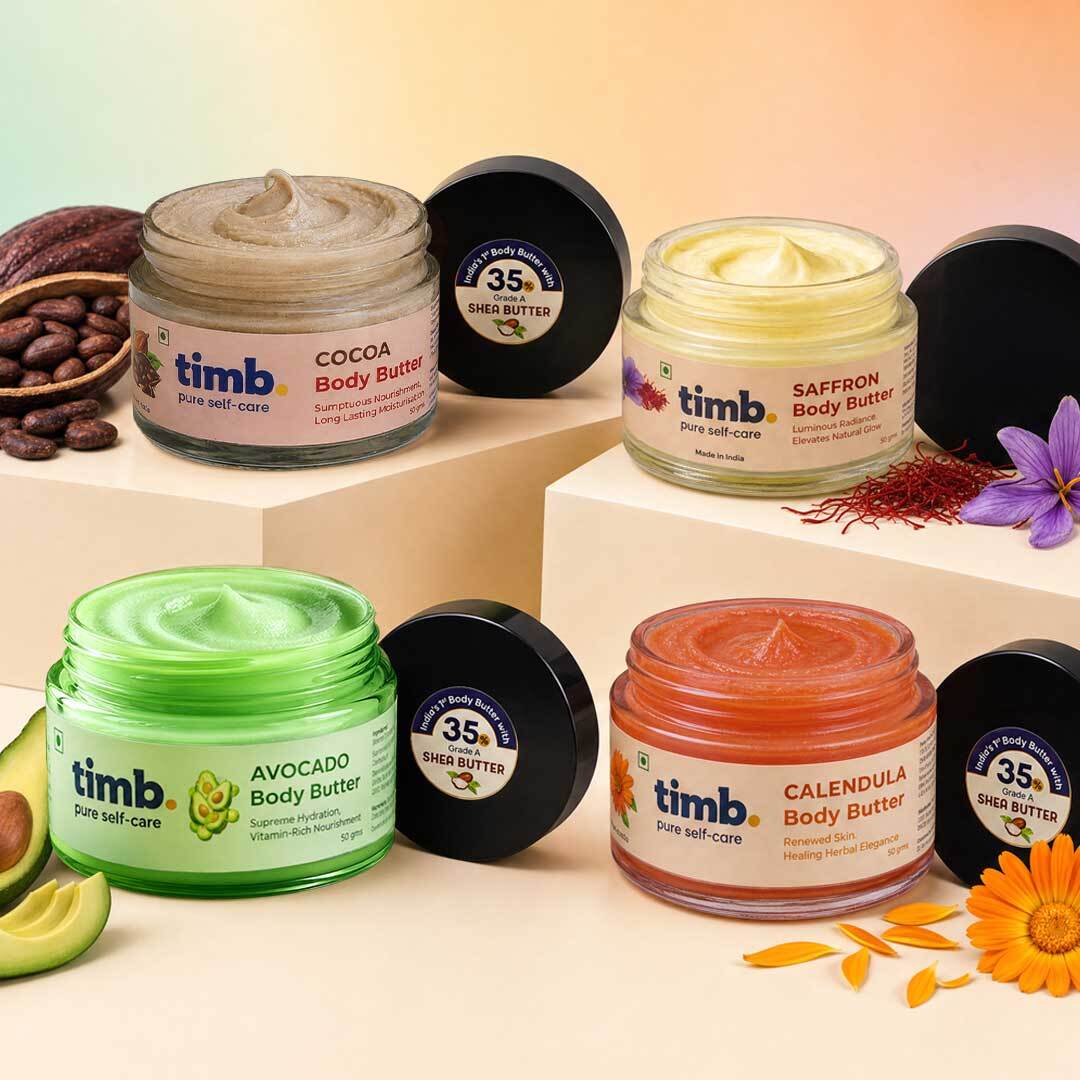
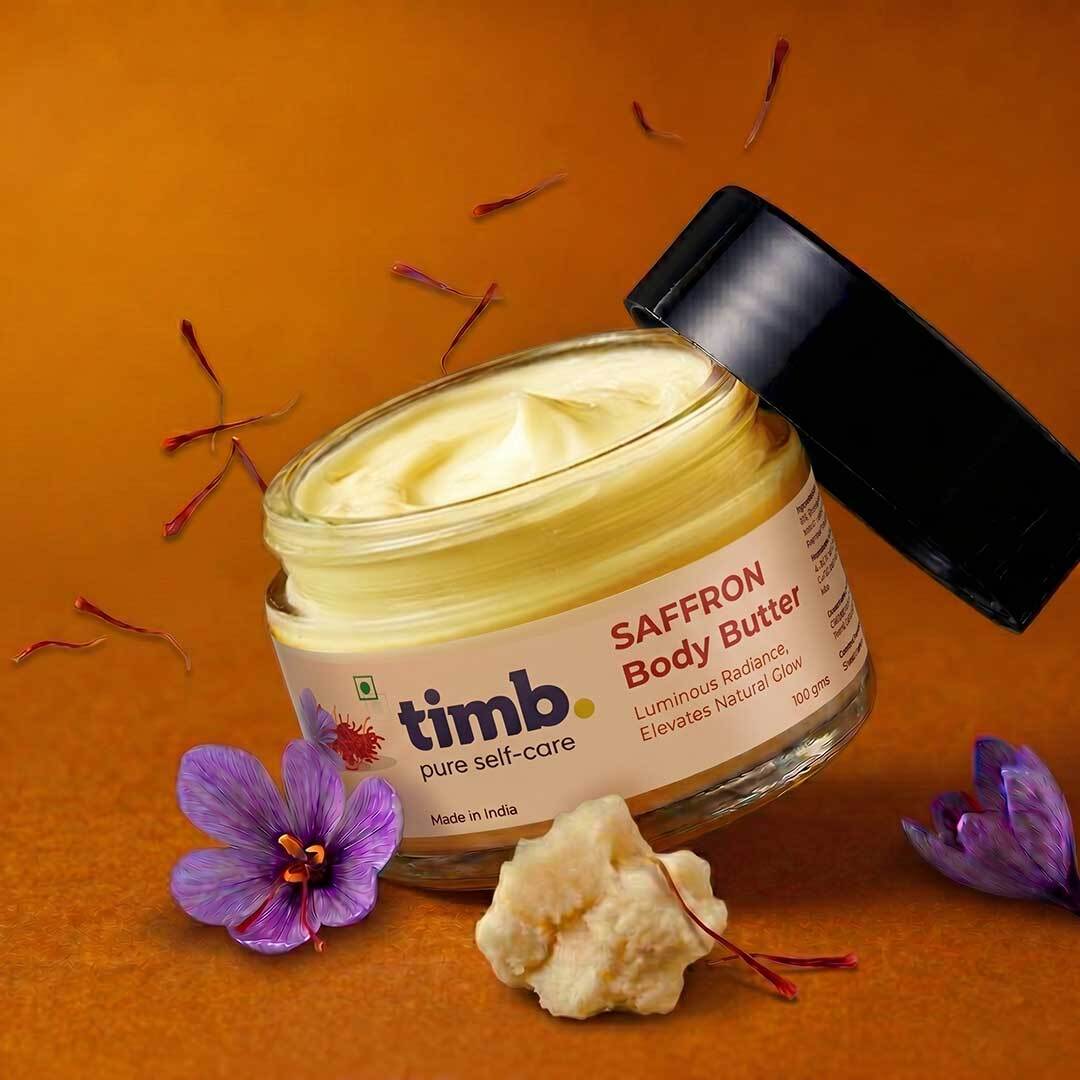
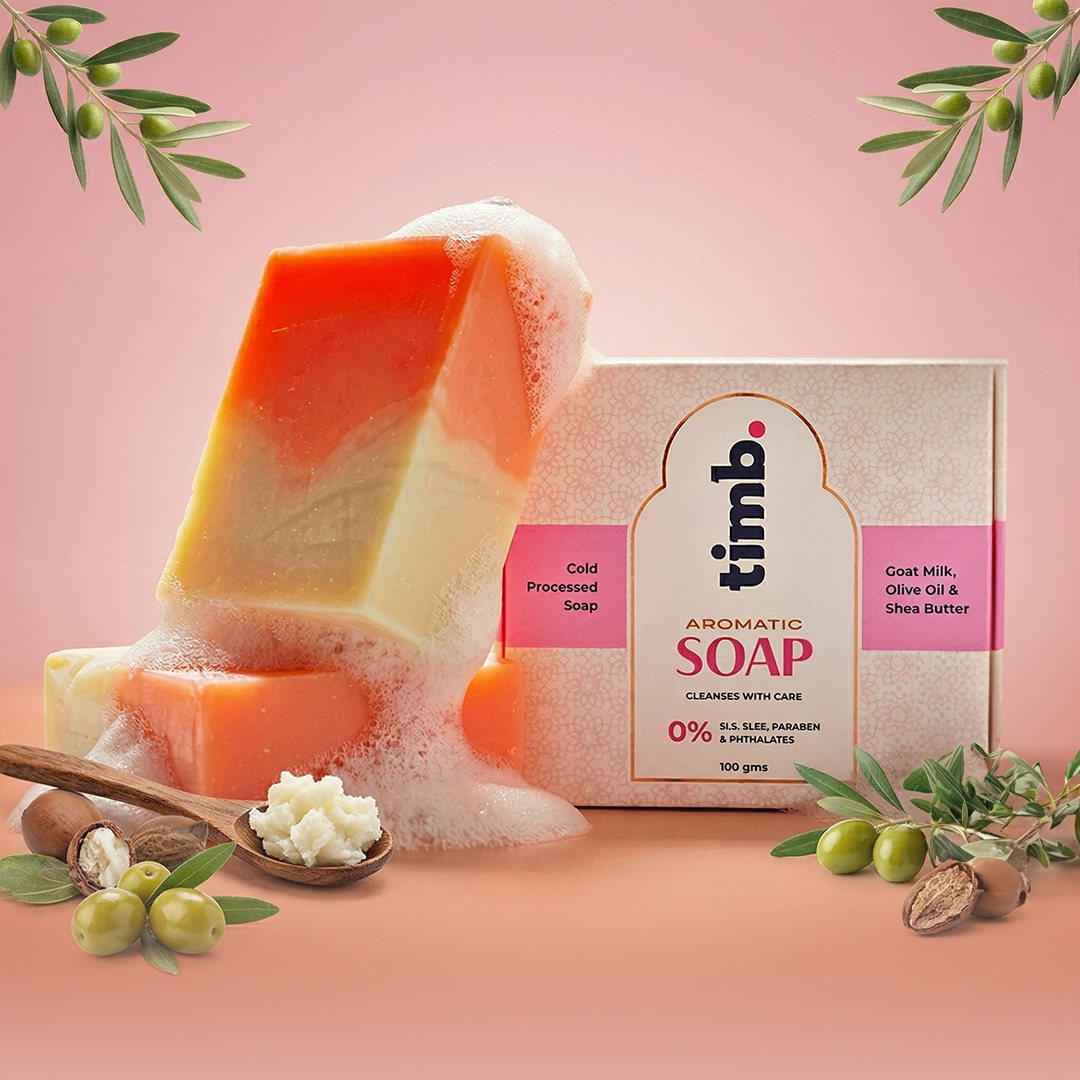
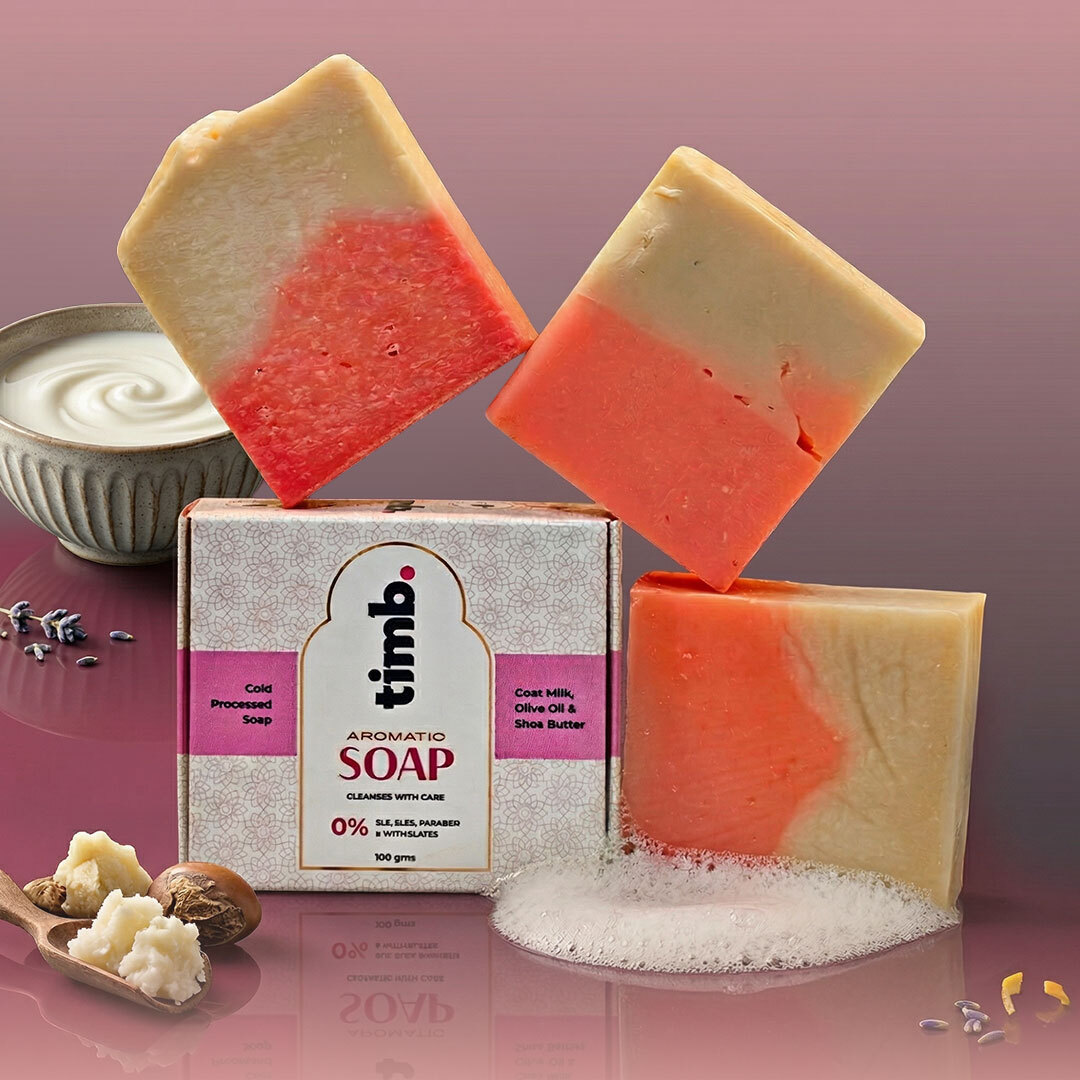
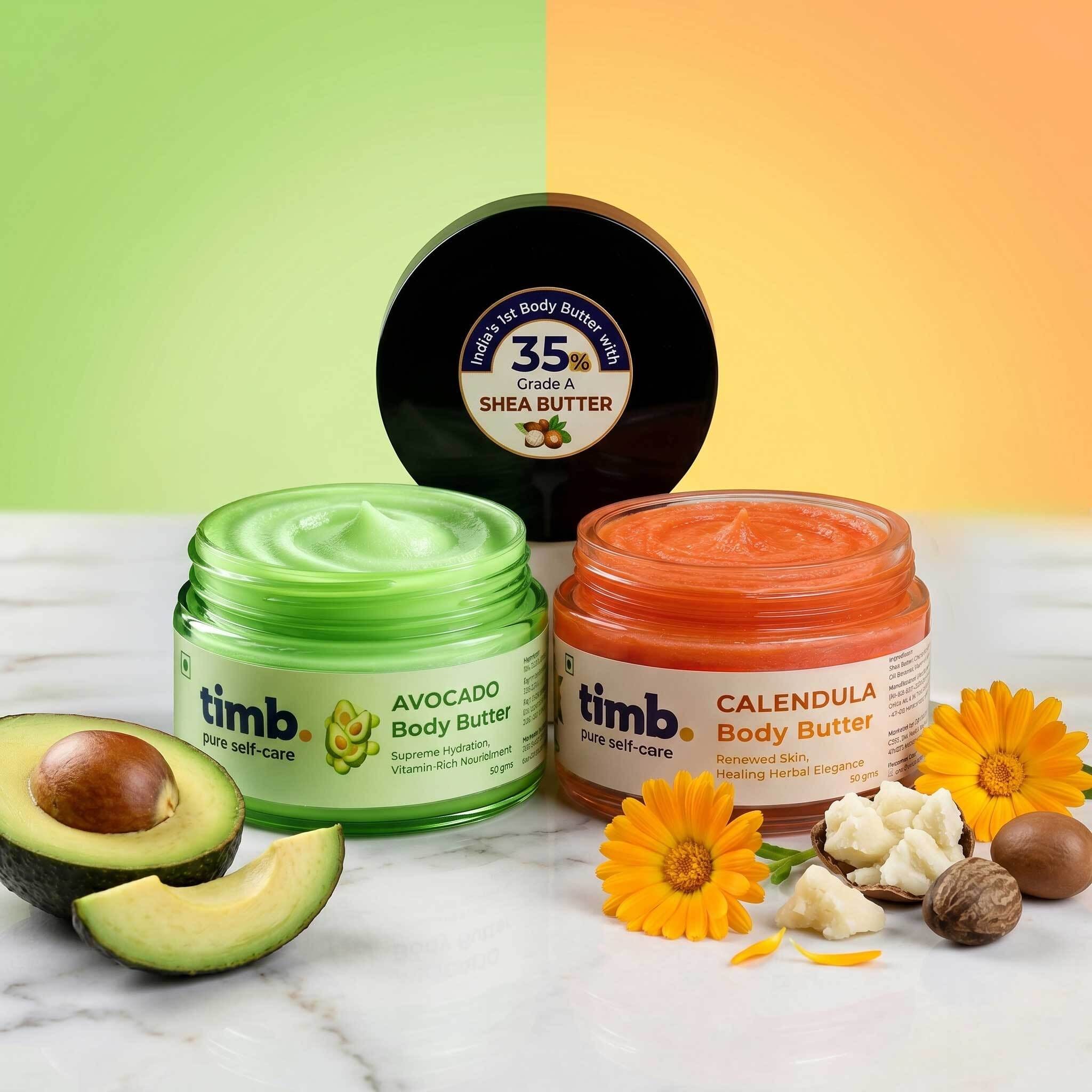
Using too many powerful ingredients together can weaken your skin barrier instead of improving it.If you’re searching for products that contain nourishing ingredients like shea butter, natural oils, and botanical extracts, explore TIMB’s collection of handmade skincare products.
Recommended Products:
- Natural Soaps → De-tan & Aromatic Bath Soap
- Shea Butter Collection → Saffron,Avocado,Calendula, Coccoa
- Ubtan Collection →Abhyangam Ubtan Powder
Always Patch Test New Products
Even if a product contains excellent ingredients, everyone’s skin responds differently.
Before applying a new product to your face:
- Apply a small amount behind your ear or along your jawline.
- Wait 24-48 hours.
- Watch for redness, itching, swelling, or irritation.
Patch testing is especially important if you have sensitive skin or a history of allergies.
Store Your Skincare Correctly
Ingredients such as Vitamin C, retinol, and certain botanical extracts can lose their effectiveness if exposed to excessive heat, sunlight, or air.
To maximize product performance:
- Store skincare in a cool, dry place.
- Keep the lids tightly closed after each use.
- Avoid leaving products in direct sunlight or humid bathrooms for long periods.
- Pay attention to expiry dates and the “Period After Opening” (PAO) symbol on the packaging.
Proper storage helps preserve the stability and effectiveness of active ingredients.
Build a Routine, Not a Collection
The skincare industry introduces new products almost every week, making it tempting to buy everything that goes viral on social media. However, more products don’t necessarily mean better skin.
A simple routine built around well-formulated products often delivers better results than a complicated routine filled with unnecessary steps.
A basic routine usually includes:
Morning
- Gentle Cleanser
- Antioxidant Serum (if needed)
- Moisturizer
- Sunscreen SPF 30 or higher
Evening
- Gentle Cleanser
- Treatment Product (based on your concern)
- Moisturizer
Choose products based on ingredients that suit your skin rather than following every trend.
Use an Ingredient Checker Wisely
Even experienced skincare users occasionally come across unfamiliar ingredient names. A reliable ingredient checker can help you understand:
- What an ingredient does.
- Whether it’s suitable for your skin type.
- Potential allergens.
- Possible interactions with other active ingredients.
However, remember that an ingredient checker should complement your understanding not replace it. Product formulation, ingredient concentration, and how ingredients work together all influence a product’s effectiveness.
Recheck Labels After Formula Updates
Many skincare brands update or reformulate their products over time. Even if you’ve been using a product for years, it’s a good habit to read the ingredient list whenever you purchase a new bottle.
Small formulation changes can introduce new preservatives, fragrances, or active ingredients that may affect your skin differently.
Be Patient and Stay Consistent
Healthy skin doesn’t change overnight. Most skincare products require several weeks of consistent use before noticeable improvements appear.
Instead of switching products every few days:
- Give products enough time to work.
- Track how your skin responds.
- Focus on gradual, long-term improvements rather than instant results.
Consistency, combined with informed product choices, is the key to healthier skin.
Conclusion
Reading a beauty product label may seem intimidating at first, especially when you’re faced with long scientific names and unfamiliar ingredients. However, once you understand the basics of skincare ingredient labels, you’ll realize that they provide valuable information about what a product can and cannot do for your skin. Instead of relying solely on eye-catching packaging, influencer recommendations, or marketing buzzwords, you’ll be able to evaluate products based on their actual formulation. Learning how to interpret a cosmetic ingredient list helps you identify beneficial active ingredients, recognize potential irritants, and choose products that align with your skin type and concerns. This knowledge not only improves your skincare routine but also helps you avoid unnecessary purchases and reduce the risk of irritation caused by unsuitable products.
The beauty industry continues to evolve, with new ingredients, trends, and formulations appearing every year. While innovation can be exciting, not every trending product is right for everyone. The best skincare decisions are based on understanding your skin’s unique needs rather than chasing every viral recommendation. By following this beauty label guide, you’ll gain the confidence to compare products, understand ingredient concentrations, and recognize which formulations offer genuine benefits. Pairing this knowledge with a trusted ingredient checker whenever you’re unsure about an ingredient can make your shopping experience even more informed and stress-free.
Ultimately, effective skincare isn’t about buying the most expensive products; it’s about choosing the right ones. A simple routine built around scientifically backed ingredients, consistency, and informed decision-making will always outperform a shelf full of products chosen purely for their marketing. The next time you pick up a cleanser, serum, moisturizer, or sunscreen, take a few extra moments to read the label carefully. Those few moments can help you invest wisely, protect your skin, and build a routine that delivers healthier, stronger, and more radiant skin for years to come.
FAQs
The cosmetic ingredient list shows the active ingredients, moisturizers, preservatives, fragrances, and other components in a product. Reading it helps you identify beneficial ingredients, avoid potential irritants, and make informed purchasing decisions.
Marketing claims such as “natural,” “clean beauty,” or “dermatologist tested” can provide useful information, but they shouldn’t be your only deciding factor. Always read the ingredient list to verify whether the product contains ingredients that support its claims.
An ingredient checker is a tool that explains the purpose, safety, and suitability of cosmetic ingredients. It can help you identify allergens, understand ingredient functions, and compare products before making a purchase.
Start by learning common skincare ingredients, understanding how ingredient lists are organized, identifying ingredients that suit your skin type, and referring to this beauty label guide whenever you shop. With regular practice, reading labels will become second nature and help you make smarter skincare choices.
De-tan & Aromatic Bath Soap Combo | Handmade Cold Processed | Brightens | 100gms
Rated 4.59 out of 5₹758.00Original price was: ₹758.00.₹659.00Current price is: ₹659.00.MRP (incl. of all taxes) Add to cartCalendula, Avocado, Cocoa, Saffron Body Butter with Shea | Dry Skin | Men & Women | All Seasons | 50gm Each
Rated 4.52 out of 5₹1,516.00Original price was: ₹1,516.00.₹1,349.00Current price is: ₹1,349.00.MRP (incl. of all taxes) Add to cartAbhyangam Ubtan Powder | Natural Face & Body Brightening Mask | 75gms
Rated 4.53 out of 5₹199.00Original price was: ₹199.00.₹179.00Current price is: ₹179.00.MRP (incl. of all taxes) Add to cartSaffron Body Butter with Shea | Aromatic Glow | Skin Moisturizer | Unisex | All Seasons | 100gm
Rated 4.50 out of 5₹649.00Original price was: ₹649.00.₹589.00Current price is: ₹589.00.MRP (incl. of all taxes) Add to cart