

Key Takeaways:
- More Indians are embracing herbal beauty products for gentle and long-term skin care rather than quick cosmetic fixes.
- Healthy skin starts with choosing products based on ingredients and skin type and not just “natural” or “chemical-free” claims.
- A simple routine of cleansing, moisturizing, and sun protection is often more effective than using multiple products.
- Herbal ingredients like aloe vera, neem and turmeric can support skin health when used in well-formulated products.
- Pair your skincare routine with healthy habits and consistent product use to achieve the best results over time.
Introduction
Walk into any beauty store today, and you’ll notice a significant shift in consumer behaviour. More Indians are carefully reading ingredient labels, researching formulations, and questioning what goes into their daily skincare and haircare routines. The demand for herbal beauty products has surged across the country, with consumers actively seeking safer and more sustainable alternatives. As awareness grows around long-term skin health, natural skincare trends continue to gain momentum, and chemical-free beauty products are becoming the preferred choice for many households.
In fact, the popularity of herbal beauty products, natural skincare and chemical-free beauty products is no longer limited to niche wellness communities. From college students and working professionals to parents shopping for their families, consumers are increasingly choosing products inspired by nature over formulations packed with synthetic ingredients.
Imagine this conversation:
“My skin has become so sensitive lately,” says Radha.
“I switched to herbal products six months ago and noticed a huge difference,” replies her friend Ananya. “My skin feels healthier, and I worry less about harsh chemicals.”
This conversation is becoming increasingly common across India. But what exactly is driving this shift? Are herbal alternatives genuinely better, or is it simply another beauty trend?
Let’s explore why millions of Indians are making the transition from conventional beauty products to herbal alternatives and what it means for the future of skincare.
Understanding the Problem: Why Consumers Are Rethinking Chemical Beauty Products
For decades, beauty products containing synthetic chemicals dominated the market. These formulations promised quick results, longer shelf life, and enhanced sensory experiences. However, growing consumer awareness has led many people to question the long-term effects of these ingredients.
What Are Chemical Beauty Products?
The term doesn’t mean every ingredient is harmful. Everything, including water, is technically a chemical. However, consumers often use the term to describe products containing synthetic additives such as Parabens, Sulphate, Synthetic fragrances, Artificial colours, preservatives, and mineral oils. While many of these ingredients are approved for cosmetic use, some consumers experience irritation, dryness, allergic reactions, or sensitivity after prolonged exposure.
Common Misconceptions
One common misconception is that if a product delivers instant results, it must be good for the skin. In reality, some formulations may provide temporary smoothness or brightness while disrupting the skin barrier over time. Another misconception is that natural ingredients are ineffective. Scientific research increasingly demonstrates that many plant-based ingredients offer powerful antioxidant, anti-inflammatory, and moisturizing properties.
Signs Your Skin May Be Reacting to Harsh Ingredients
Many people unknowingly continue using products that don’t suit their skin. Common signs include persistent dryness, redness, and irritation, Increased sensitivity, Frequent breakouts, Itching or discomfort, and excessive oiliness after cleansing. These concerns have encouraged consumers to explore chemical-free beauty products and gentler alternatives.
The Rise of Herbal Beauty Products in India
India’s relationship with herbs and botanical ingredients is deeply rooted in its history. Long before modern cosmetics existed, traditional beauty rituals relied on ingredients such as turmeric, sandalwood, neem, rose, aloe vera, and amla. Today, modern consumers are rediscovering these age-old solutions. Many consumers now appreciate the idea that skincare can support overall wellness rather than merely addressing cosmetic concerns.
Herbal formulations often combine traditional ingredients with modern research to create products that align with contemporary lifestyles.
Growing Awareness Through Digital Media
Social media, beauty influencers, dermatologists, and wellness experts have played a significant role in educating consumers. Due to these advancements, people now have access to Ingredient breakdowns, Product reviews, Dermatologist recommendations, and scientific research summaries. This transparency has encouraged buyers to become more informed about what they apply to their skin.
Sustainability Matters
Modern consumers are not only concerned about personal health but also about environmental impact. Many organic cosmetics products and herbal cosmetics products are associated with sustainable sourcing, eco-friendly packaging, cruelty free practices, and reduced environmental impact. As sustainability becomes a purchasing factor, herbal brands continue to gain popularity.
What Experts Say About Herbal and Natural Skincare
Dermatologists generally agree that skincare should prioritize skin barrier health and ingredient compatibility. Experts emphasize that overusing harsh cleansers, exfoliants, and active ingredients can compromise the skin barrier. When the skin barrier weakens, individuals often experience dryness, irritation, inflammation and increased sensitivity. According to Dr. Shetty, “to repair the skin barrier, it’s crucial to avoid excessive use of harsh chemicals that can cause damage. Over-scrubbing, using the wrong exfoliants, or frequent bathing can also harm the barrier, so it’s important to approach skincare with gentle, mindful practices”. Many herbal ingredients naturally support hydration and skin recovery.
Several botanical ingredients have gained scientific recognition for their skincare benefits.
Aloe vera, known for its soothing and hydrating properties, helps calm irritated skin and supports moisture retention. Turmeric, rich in antioxidants and anti-inflammatory compounds, has long been used to improve skin appearance and support overall skin health. Neem possesses antibacterial properties and is often used in formulations targeting acne-prone skin. Green Tea contains powerful antioxidants that help protect the skin from environmental stressors. Rose-based ingredients help hydrate, soothe, and refresh the skin.
Dermatologists also caution against assuming every natural ingredient is suitable for every skin type. Patch testing remains important, especially for individuals with sensitive skin or allergies.
Suggestions & Recommendations: How to Choose the Right Herbal Products
The growing popularity of herbal cosmetics has resulted in countless options on the market. However, not all products are created equal.
Read Ingredient Lists Carefully
Look beyond marketing claims. A product labelled “natural” may still contain significant amounts of synthetic additives. Prioritize products that clearly disclose ingredient sources, active botanical extracts, and manufacturing standards
Look for Beneficial Ingredients
Some effective ingredients commonly found in organic skin care products include:
- Aloe vera
- Neem
- Turmeric
- Rose water
- Ashwagandha
- Green tea
Be Cautious of Excessive Fragrance
Even natural fragrances can trigger irritation in some individuals. If you have sensitive skin, opt for products with minimal fragrance.
Match Products to Your Skin Type
A product that works for oily skin may not suit dry skin. While purchasing, consider your skin type, climate, lifestyle, existing skin concerns, and other specific elements.
Choose Reputable Brands
A trusted natural skin care brand should provide transparency regarding:
- Ingredient sourcing
- Product testing
- Manufacturing practices
- Customer education
Solutions & Pro Tips: Building a Herbal Beauty Routine That Works
Switching to herbal alternatives doesn’t require replacing every product overnight. Instead, adopt a gradual and sustainable approach.
Step 1: Start With Your Cleanser
A gentle herbal cleanser can help reduce exposure to harsh surfactants while maintaining skin balance.
Step 2: Focus on Hydration
Hydrated skin tends to be healthier and more resilient. Look for products containing Aloe vera, Hyaluronic acid derived from natural fermentation, essential oils, and plant extracts.
Step 3: Protect Your Skin Barrier
Avoid excessive exfoliation and over-cleansing. Remember that healthy skin is often the result of consistency rather than aggressive treatments.
Step 4: Simplify Your Routine
Many consumers use too many products simultaneously. A simple routine often delivers better long-term results.
Step 5: Give Products Time
Natural formulations may not always deliver overnight transformations. Consistency over several weeks often yields better results.
Pro Tips:
Incorporate High-Quality Herbal Products in Your Daily Routine
- Start with a gentle herbal cleanser: If you’re transitioning from conventional skincare, begin by replacing your face wash with a botanical-based cleanser that helps remove impurities without stripping the skin’s natural moisture barrier.
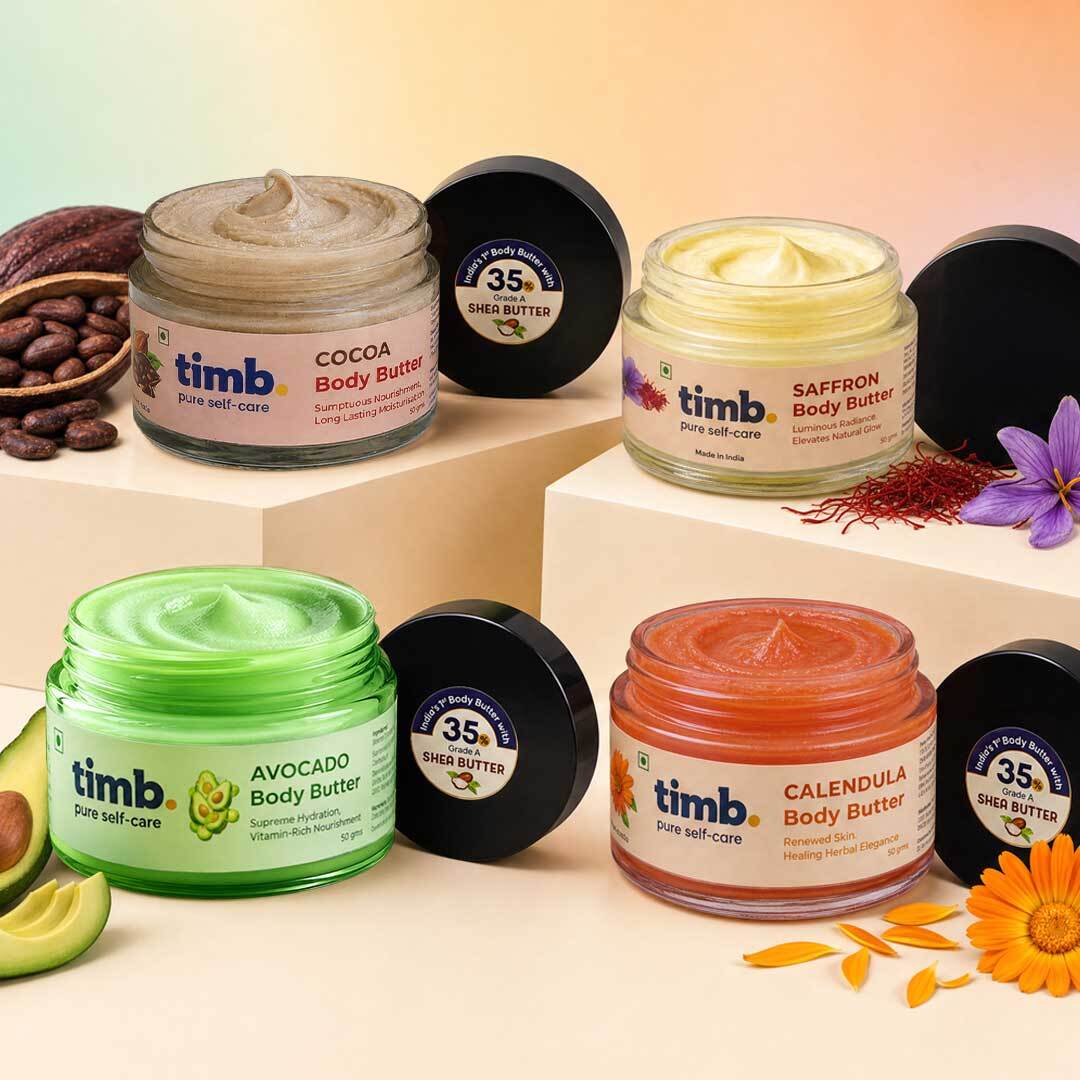
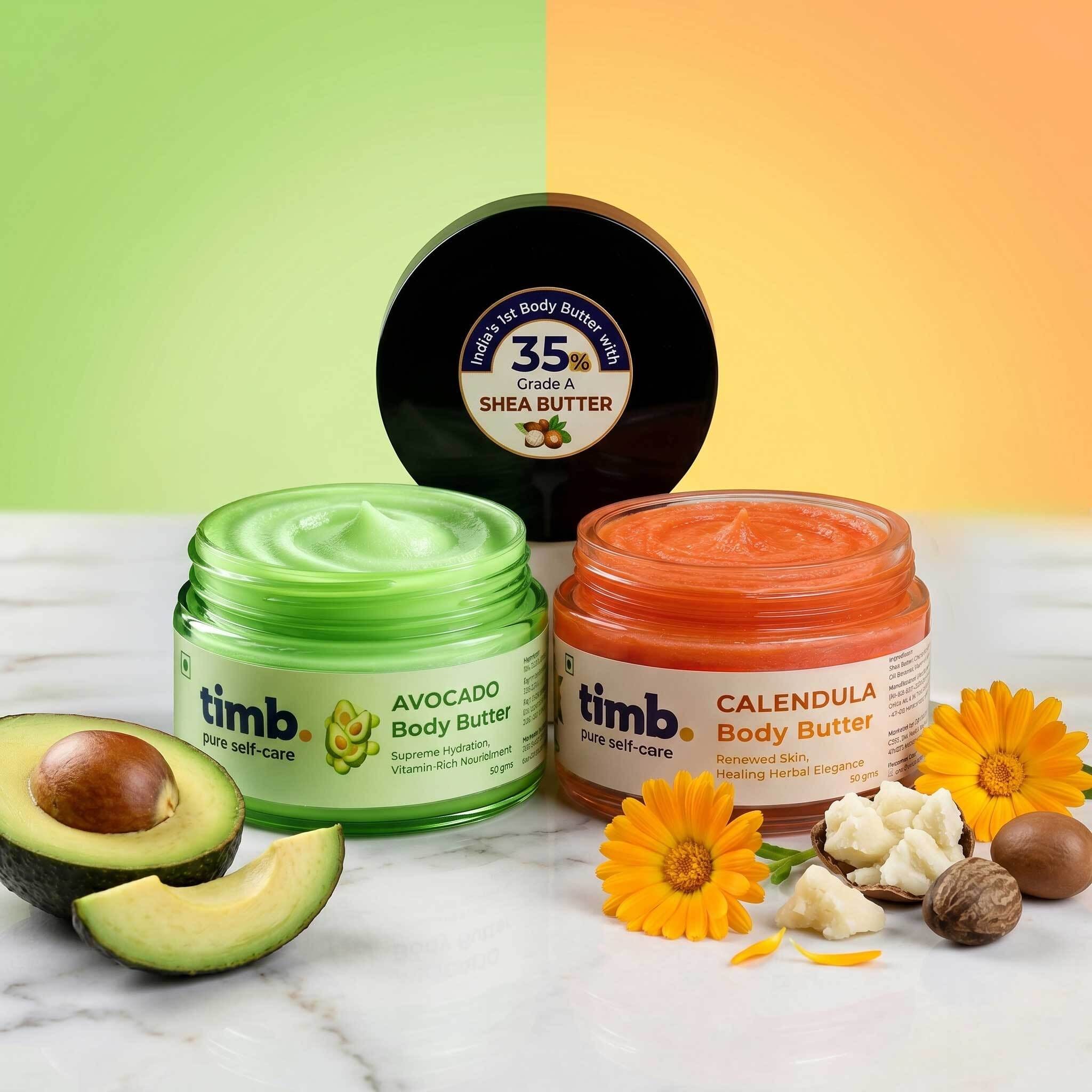
- Choose a nourishing moisturizer with plant-based ingredients: Hydration is essential for healthy skin. Timb’s body butter can help support skin softness and hydration while aligning with your preference for herbal beauty products.
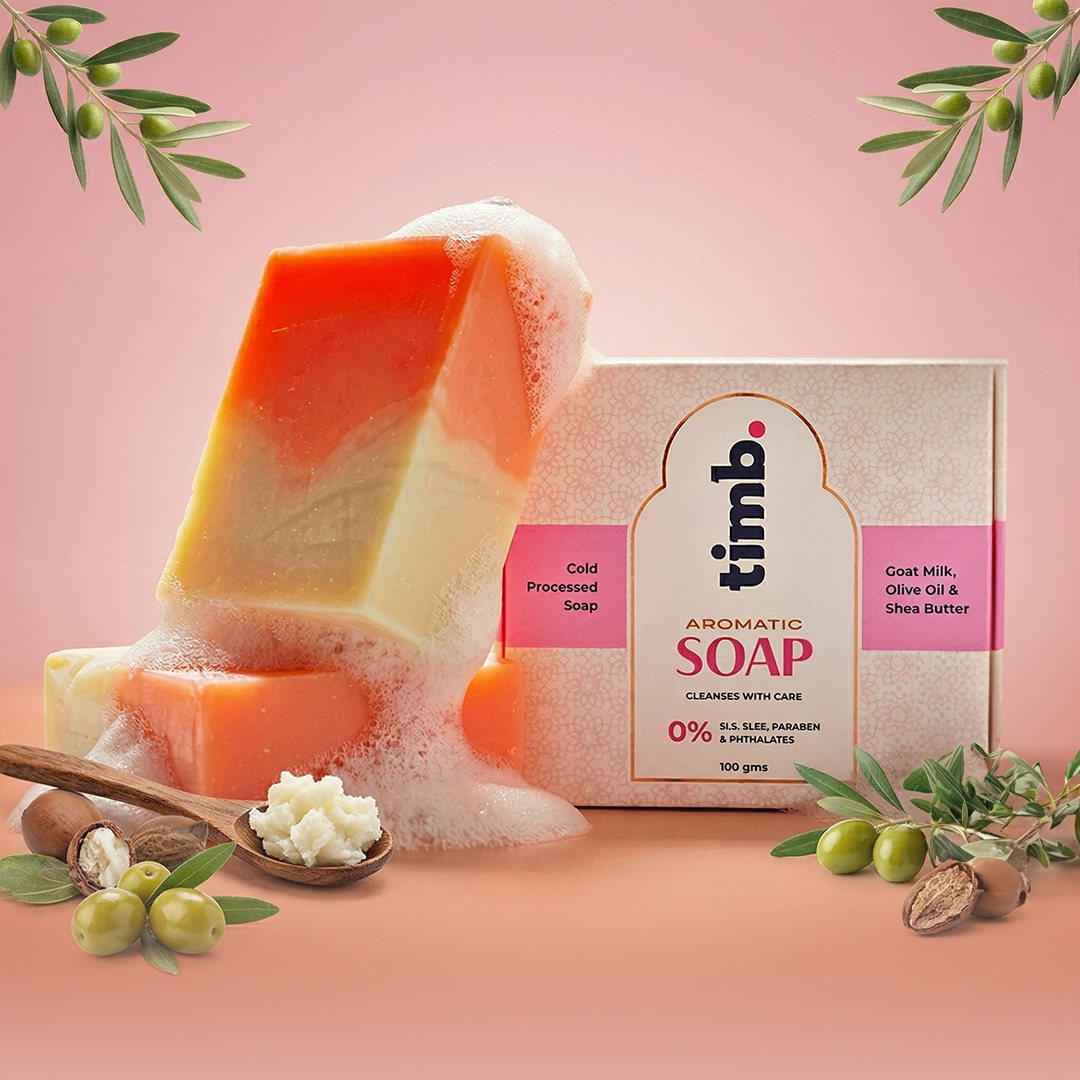
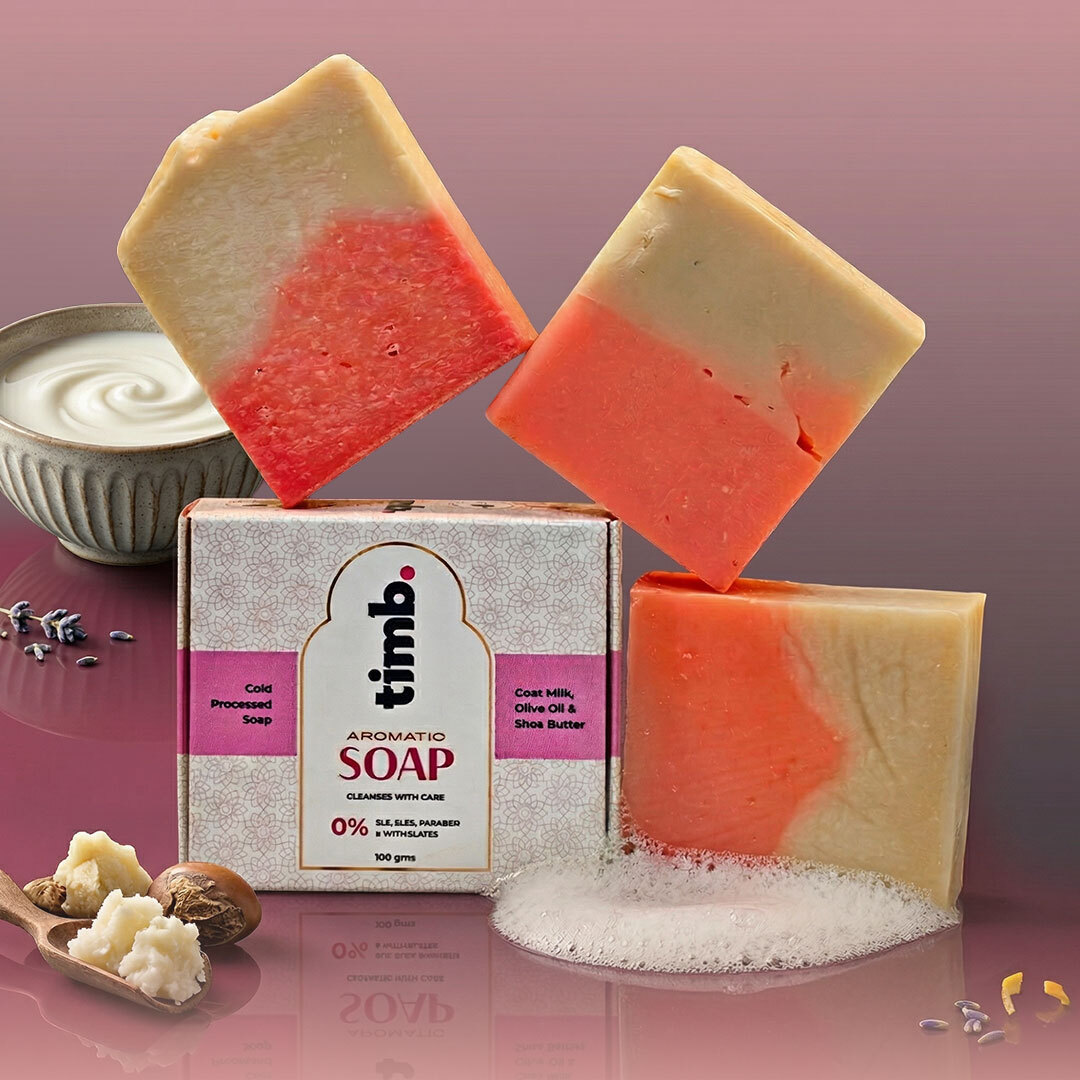
- Upgrade your body care routine: Many people focus only on facial skincare, but the rest of the body also benefits from gentler formulations. Explore Timb’s De-tan and aromatic bath soap combo, which incorporates nature-inspired ingredients for everyday use.
- Avoid switching everything at once: Introduce one herbal product at a time and observe how your skin responds. This makes it easier to identify which products work best for your skin type.
- Prioritize long-term skin health over quick fixes: Whether you’re choosing cleansers, moisturizers, or personal care products, focus on formulations that support nourishment, hydration, and skin balance rather than instant cosmetic results.
Your skincare routine works best when combined with healthy habits like staying hydrated throughout the day, consuming antioxidant-rich foods, getting adequate sleep, managing stress effectively, protect your skin from excessive sun exposure. Beautiful skin is often a reflection of overall wellness.
Conclusion
The growing shift toward herbal beauty products in India reflects a broader change in consumer priorities. People are becoming more informed about ingredients, conscious of sustainability, and more focused on long-term skin health rather than quick cosmetic fixes.
The rise of natural skincare trends demonstrates that consumers are actively seeking solutions that combine traditional wisdom with modern scientific understanding. While conventional products still have a place in skincare, the increasing demand for chemical-free beauty products, organic skin care products, organic cosmetics products, and herbal cosmetics products signals a clear movement toward gentler and more mindful beauty choices.
Ultimately, the best skincare routine is one that supports your skin’s unique needs, fits your lifestyle, and prioritizes consistency over trends. As more consumers embrace herbal alternatives, India’s beauty industry is likely to continue evolving toward cleaner, more transparent, and nature-inspired solutions.
FAQs
More consumers are choosing herbal beauty products because they are gentle on the skin and align with the growing demand for ingredient-conscious skincare.
Look for ingredients such as aloe vera, turmeric, neem, rose, and green tea, which are commonly found in herbal cosmetics products and are known for their skin-supporting properties.
A trustworthy natural skin care brand should be transparent about its ingredients, product testing, sourcing practices, and formulation standards.
Herbal cosmetics primarily use plant-based ingredients, while organic cosmetics products are made using ingredients sourced from certified organic farming practices.
Protein Shampoo & Nourishing Conditioner Combo | Strengthens Hair | 100ml Each
Rated 4.60 out of 5₹898.00Original price was: ₹898.00.₹779.00Current price is: ₹779.00.MRP (incl. of all taxes) Add to cartDe-tan & Aromatic Bath Soap Combo | Handmade Cold Processed | Brightens | 100gms
Rated 4.59 out of 5₹758.00Original price was: ₹758.00.₹659.00Current price is: ₹659.00.MRP (incl. of all taxes) Add to cartCalendula, Avocado, Cocoa, Saffron Body Butter with Shea | Dry Skin | Men & Women | All Seasons | 50gm Each
Rated 4.52 out of 5₹1,516.00Original price was: ₹1,516.00.₹1,349.00Current price is: ₹1,349.00.MRP (incl. of all taxes) Add to cartAbhyangam Ubtan Powder | Natural Face & Body Brightening Mask | 75gms
Rated 4.53 out of 5₹199.00Original price was: ₹199.00.₹179.00Current price is: ₹179.00.MRP (incl. of all taxes) Add to cart