

Key Takeaways
- Understanding when to wash your face is essential for maintaining healthy skin.
- Morning cleansing removes overnight oil, sweat, and bacteria while preparing the skin for skincare and sunscreen.
- Night cleansing removes dirt, pollution, makeup, sunscreen, and excess oil accumulated throughout the day.
- Washing your face twice daily is ideal for most skin types.
- Use a gentle cleanser that matches your skin type.
- Avoid harsh ingredients that strip away the skin’s natural moisture.
- Consistency is more important than using expensive skincare products.
Introduction
A consistent skincare routine starts with one simple yet essential step—washing your face. While cleansing may seem straightforward, many people often wonder when to wash their face for the best results. Is it more beneficial to wash your face in the morning to start the day with fresh skin, or should you focus on cleansing at night to remove the day’s buildup? The answer isn’t as simple as choosing one over the other.
Your skin works around the clock. During the day, it is exposed to pollution, dirt, sweat, sunscreen, makeup, and excess oil. At night, while you sleep, your skin repairs itself, produces natural oils, and sheds dead skin cells. Because your skin faces different challenges throughout the day and night, understanding when to wash your face can help maintain healthy, balanced, and glowing skin.
Many people unknowingly make cleansing mistakes that can negatively affect their skin. Some skip washing their face before bed, believing that their skin is already clean. Others wash their face multiple times a day, thinking more cleansing means healthier skin. In reality, both under-cleansing and over-cleansing can disrupt the skin’s natural barrier, leading to dryness, irritation, or breakouts.
The right cleansing routine not only removes impurities but also prepares your skin to absorb other skincare products like serums, moisturizers, and sunscreen more effectively. Whether your skin is oily, dry, combination, or sensitive, choosing the right time to cleanse can make a noticeable difference in your skin’s appearance and overall health.
In this blog, we’ll explore the science behind facial cleansing, compare the benefits of morning and nighttime face washing, hear what dermatologists recommend, discuss common myths, and help you understand when to wash your face for healthier, clearer skin.
Interesting Fact
Did you know?
Your skin follows a natural 24-hour biological clock known as the circadian rhythm. During the day, it focuses on protecting itself from environmental stressors like UV rays and pollution. At night, it shifts into repair mode by producing new skin cells and repairing damage. This is one reason why dermatologists emphasize cleansing both in the morning and before bedtime.
Understanding the Problem
Many people underestimate how much their skin goes through every day. From the moment you wake up until you go to bed, your face is constantly exposed to factors that can affect its health. Understanding when to wash your face begins with understanding why cleansing is so important.
Why Is Washing Your Face Important?
Throughout the day, your face collects various impurities that can clog pores and dull your complexion. A good facial cleanser helps remove:
- Excess oil (sebum)
- Dirt and dust
- Sweat
- Dead skin cells
- Pollution particles
- Makeup residue
- Sunscreen
- Acne-causing bacteria
Removing these impurities helps keep pores clear, reduces the likelihood of breakouts, and allows your skincare products to work more effectively.
What Happens If You Don’t Wash Your Face?
Skipping your face wash occasionally may not seem harmful, but regularly neglecting this step can lead to several skin concerns.
- Clogged Pores
Oil, dirt, and dead skin cells accumulate on the skin’s surface. Without proper cleansing, they block pores and contribute to acne and blackheads.
- Increased Acne Breakouts
When pores remain clogged, acne-causing bacteria multiply more easily, resulting in pimples, whiteheads, and inflammation.
- Dull Skin
Dead skin cells build up on the surface, making the complexion appear rough, uneven, and less radiant.
- Excess Oil
Ironically, skipping cleansing may cause oil to accumulate, making your face appear greasy throughout the day.
- Premature Ageing
Environmental pollutants generate free radicals that can damage collagen and elastin if left on the skin for extended periods.
Proper cleansing helps remove these pollutants before they contribute to premature ageing.
- Poor Absorption of Skincare Products
Applying serums and moisturizers on unclean skin reduces their effectiveness because dirt and oil create a barrier that prevents ingredients from penetrating properly.
Common Misconceptions
There are many misconceptions about facial cleansing that often lead people to develop ineffective skincare routines.
Myth 1: Washing Your Face Once a Day Is Enough
While washing once may work for some individuals, most dermatologists recommend cleansing twice daily—once in the morning and once at night—to remove different types of impurities.
Myth 2: The More You Wash, the Better
Over-cleansing strips away the skin’s natural oils.
This may result in:
- Dryness
- Redness
- Irritation
- Increased oil production
Gentle cleansing twice a day is usually sufficient.
Myth 3: Water Alone Cleans the Skin
Splashing water removes some sweat but cannot effectively remove sunscreen, excess oil, pollution, or makeup.
A gentle facial cleanser is necessary for thorough cleansing.
Myth 4: Night Cleansing Isn’t Necessary If You Stayed Indoors
Even if you spend the entire day inside, your skin still produces oil and sweat.
Indoor air pollutants, dust, and bacteria also settle on your skin.
This makes nighttime cleansing an essential part of understanding when to wash your face.
Myth 5: Morning Cleansing Can Be Skipped
Although your face may appear clean after waking up, your skin continues producing oil throughout the night.
Dead skin cells, sweat, and bacteria also accumulate while sleeping.
A gentle morning cleanse refreshes the skin and prepares it for sunscreen and other skincare products.
Who Is This For?
Understanding when to wash your face is beneficial for everyone, but certain lifestyles make proper cleansing especially important.
Students
Students often spend long hours outdoors, commuting, or attending classes.
Exposure to pollution, dust, and sweat makes regular cleansing essential.
Office Workers
Air-conditioned environments, long commutes, and screen exposure can affect skin health.
Morning and evening cleansing helps remove accumulated oil and environmental pollutants.
Gym-Goers
Sweating during exercise allows oil and bacteria to build up on the skin.
Washing your face after workouts helps prevent clogged pores and acne.
People with Oily Skin
Individuals with oily skin produce more sebum throughout the day.
Regular cleansing helps control shine without stripping the skin’s natural moisture barrier.
People with Dry or Sensitive Skin
Gentle cleansing removes impurities without irritation.
Choosing a hydrating cleanser and avoiding over-cleansing is especially important.
People Who Wear Makeup Daily
Makeup, sunscreen, and environmental pollutants should always be removed before bedtime.
Sleeping with makeup on can clog pores and accelerate skin ageing.
What Experts Say
- Dr. Dadu
According to Dr. Dadu, cleansing your face twice a day helps remove excess oil, dirt, sweat, and environmental pollutants that accumulate on the skin. She recommends choosing a gentle cleanser based on your skin type rather than using harsh soaps that can strip away natural oils. Dr. Dadu also stresses the importance of washing your face before bedtime to prevent clogged pores and acne.
- Dr. Gupta
According to Dr. Gupta, nighttime cleansing is one of the most important skincare habits because it removes sunscreen, makeup, pollution, and impurities that collect throughout the day. She advises using a mild face wash that cleanses effectively without disrupting the skin’s natural barrier.
- Dr. Goel
According to Dr. Goel, many people unknowingly damage their skin by washing too frequently or using products that are too harsh. She recommends cleansing twice daily with a skin-friendly face wash and following it with a moisturizer to keep the skin balanced and hydrated
Scientific Evidence
Scientific research shows that the skin follows a natural biological rhythm called the circadian rhythm, meaning its needs change between day and night.
During the day, your skin acts as a protective barrier against pollution, UV rays, bacteria, and environmental stressors. Throughout this time, oil, sweat, and dirt gradually build up on the skin’s surface.
At night, the skin switches into repair mode. Cell turnover increases, damaged skin begins to heal, and the skin barrier works to recover from the day’s exposure.
If impurities remain on the skin overnight, they may interfere with this natural repair process.
Research also highlights the role of Transepidermal Water Loss (TEWL); the amount of water that evaporates from the skin. Over-cleansing or using harsh cleansers can increase TEWL, weakening the skin barrier and causing dryness or irritation.
This is why dermatologists recommend gentle cleansing that removes impurities while preserving the skin’s natural moisture.
Morning Face Wash: Why It Matters
Many people believe washing their face at night is enough. However, morning cleansing also offers several important benefits.
- Removes Overnight Oil
While you sleep, your sebaceous glands continue producing oil.
Morning cleansing removes this excess oil, leaving your skin fresh and balanced.
- Removes Sweat and Bacteria
During sleep, your body naturally sweats, especially in warm environments.
Sweat mixes with bacteria and dead skin cells, making a gentle morning cleanse beneficial.
- Refreshes the Skin
A fresh cleanse helps your skin feel clean and energized while reducing morning oiliness.
A clean face allows products such as:
- Vitamin C serum
- Moisturizer
- Sunscreen
to absorb more effectively.
- Improves Makeup Application
If you wear makeup, cleansing in the morning creates a smoother surface for foundation and other products.
Who Should Never Skip Morning Cleansing?
Morning cleansing is especially beneficial for:
- People with oily skin
- Acne-prone skin
- Individuals who sweat while sleeping
- People living in hot or humid climates
- Those using nighttime skincare products
For these individuals, understanding when to wash face starts with making morning cleansing a daily habit.
Night Face Wash: Why It Matters
If dermatologists had to choose just one time to cleanse, many would prioritize nighttime cleansing.
Throughout the day, your face collects:
- Pollution
- Dust
- Sweat
- Excess oil
- Sunscreen
- Makeup
- Bacteria
Leaving these impurities on your skin overnight increases the risk of clogged pores and breakouts.
Suggestions & Recommendations
Morning Routine
- Wash your face with a gentle cleanser.
- Apply a Vitamin C serum (optional).
- Use a lightweight moisturizer.
- Finish with a broad-spectrum SPF 30 or higher sunscreen.
Night Routine
- Remove makeup using micellar water or a cleansing balm if needed.
- Wash your face with a gentle cleanser.
- Apply treatment products such as niacinamide or retinol (if recommended).
- Finish with a nourishing moisturizer to support overnight skin repair.
Ingredients to Look For in a Face Wash
Choosing the right cleanser is just as important as knowing when to wash face. Different ingredients offer different benefits depending on your skin type and concerns. A good face wash should cleanse effectively without stripping away the skin’s natural moisture barrier.
- Niacinamide
Niacinamide (Vitamin B3) is a versatile skincare ingredient suitable for almost all skin types.
Benefits:
- Controls excess oil production
- Reduces redness and inflammation
- Strengthens the skin barrier
- Improves uneven skin tone
- Helps minimize the appearance of pores
It’s especially beneficial for oily and acne-prone skin.
- Hyaluronic Acid
Hyaluronic acid is a powerful humectant that attracts moisture into the skin.
Benefits:
- Hydrates deeply
- Prevents dryness after cleansing
- Keeps skin soft and plump
- Supports the skin barrier
People with dry and sensitive skin should look for cleansers containing hyaluronic acid.
- Ceramides
Ceramides are naturally present in the skin and help maintain its protective barrier.
Benefits:
They’re ideal for people with sensitive or damaged skin.
- Salicylic Acid
If you have acne-prone or oily skin, salicylic acid can be highly beneficial.
Benefits:
- Removes excess oil
- Unclogs pores
- Prevents blackheads and whiteheads
- Helps reduce acne breakouts
However, avoid overusing it, as excessive cleansing may lead to dryness.
- Aloe Vera
Aloe vera is known for its soothing properties.
Benefits:
It’s suitable for sensitive skin and daily use.
- Glycerin
Glycerin is another excellent hydrating ingredient.
It helps maintain the skin’s moisture balance while cleansing, making it ideal for everyday face washes.
Ingredients to Avoid
While selecting a face wash, it’s equally important to know which ingredients may not suit your skin, especially if you’re trying to determine when to wash your face without irritating.
Artificial Fragrances
Fragrances may irritate sensitive skin and trigger redness or itching.
Harsh Sulfates
Ingredients like Sodium Lauryl Sulfate (SLS) can strip away natural oils and leave the skin feeling tight.
Drying Alcohols
Alcohol Denat., Ethanol, and Isopropyl Alcohol may dry out the skin and weaken the skin barrier when used frequently.
Harsh Physical Scrubs
Daily use of abrasive scrubs can cause micro-tears and irritation.
Gentle chemical exfoliants are generally a better option.
Strong Essential Oils
While natural, ingredients like peppermint or citrus oils may irritate sensitive skin.
Solutions & Pro Tips
Following the right cleansing habits can significantly improve your skin’s health.
- Wash Your Face Twice Daily
For most people, washing your face once in the morning and once at night provides the ideal balance between cleanliness and maintaining the skin barrier.
- Use Lukewarm Water
Very hot water strips natural oils, while very cold water may not effectively remove oil and dirt.
Lukewarm water is the best choice.
- Choose a Cleanser Based on Your Skin Type
- Oily Skin → Gel cleanser
- Dry Skin → Cream cleanser
- Combination Skin → Gentle foaming cleanser
- Sensitive Skin → Fragrance-free cleanser
- Moisturize Immediately After Cleansing
Apply moisturizer while your skin is still slightly damp to lock in hydration.
- Remove Makeup Before Washing
If you wear makeup, use micellar water or a cleansing balm first.
Then follow with your face wash for a thorough cleanse.
- Don’t Over-Cleanse
Washing more than twice daily is usually unnecessary unless you’ve exercised or perspired heavily.
Over-cleansing can damage the skin barrier.
- Change Towels Regularly
Dirty towels may harbor bacteria that can transfer back onto your freshly cleansed skin.
Use a clean towel and pat your face dry instead of rubbing.
- Wash Pillowcases Weekly
Oil, sweat, and bacteria accumulate on pillowcases over time.
Changing them regularly helps reduce the risk of acne.
- Wear Sunscreen Every Morning
After your morning cleanse, always apply a broad-spectrum sunscreen with SPF 30 or higher to protect your skin from UV damage.
Common Mistakes to Avoid
Many people unintentionally harm their skin through simple cleansing mistakes.
Avoid these habits:
- Sleeping with makeup on.
- Washing your face with very hot water.
- Using ordinary body soap on your face.
- Overwashing your skin.
- Skipping moisturizer after cleansing.
- Using harsh scrubs every day.
- Choosing products that don’t suit your skin type.
- Ignoring sunscreen after morning cleansing.
- Touching your face frequently with unwashed hands.
Avoiding these mistakes can make a noticeable difference in your skin’s appearance and health.
Switch to clean, conscious self-care with Timb’s natural skincare and haircare essentials, because your skin deserves better.
Conclusion
When it comes to when to wash your face, the answer isn’t choosing between morning or night; it’s understanding the unique role each cleanse plays in your skincare routine. Morning cleansing removes the oil, sweat, and impurities that build up overnight, creating a fresh base for moisturizers, serums, and sunscreen. Night cleansing is equally important because it removes dirt, pollution, makeup, sunscreen, and excess oil accumulated throughout the day, allowing your skin to repair itself while you sleep.
The key to healthy skin isn’t washing more often; it’s cleansing consistently with a gentle face wash that suits your skin type. Whether you have oily, dry, combination, or sensitive skin, choosing the right cleanser and following it with moisturizer can help maintain a strong skin barrier and support long-term skin health.
Remember that skincare is about consistency, not perfection. By understanding when to wash your face and following a simple morning and nighttime cleansing routine, you can reduce breakouts, improve skin texture, and keep your complexion looking fresh, balanced, and radiant every day. Small daily habits often lead to the biggest improvements, making regular cleansing one of the most valuable investments in your skincare routine.
FAQ's
Yes. Over-cleansing can strip the skin’s natural oils, leading to dryness, irritation, and a weakened skin barrier. Twice daily is generally enough.
Abhyangam Ubtan Powder | Natural Face & Body Brightening Mask | 75gms
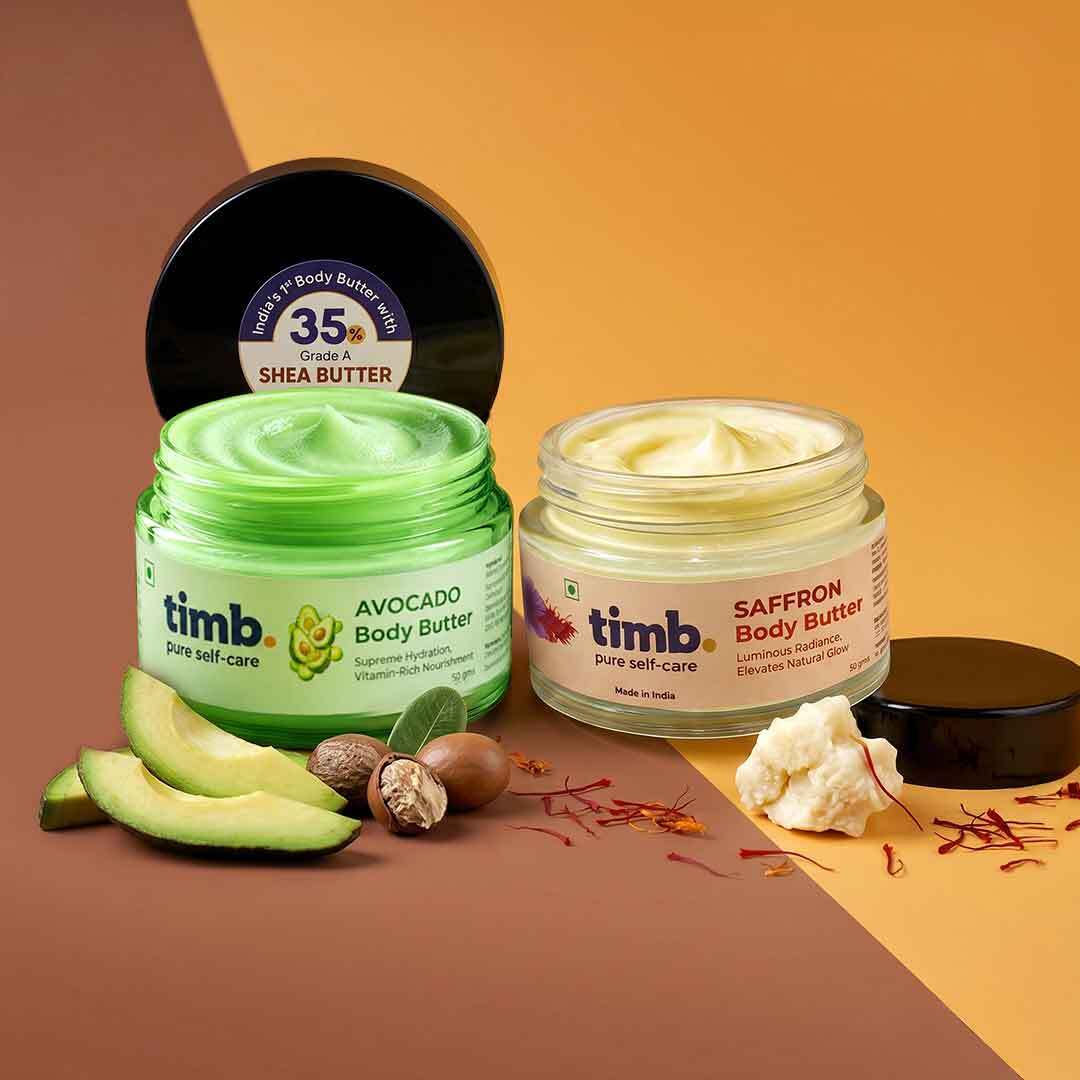
Rated 4.53 out of 5₹199.00Original price was: ₹199.00.₹179.00Current price is: ₹179.00.MRP (incl. of all taxes) Add to cartAvocado & Saffron Body Butter with Shea Butter | Dry Skin | Men & Women | All Seasons | 50gm Each
Rated 5.00 out of 5₹758.00Original price was: ₹758.00.₹679.00Current price is: ₹679.00.MRP (incl. of all taxes) Add to cartDeTan: Tan Removal Bath Soap Bar | Handmade Cold Processed Skin Brightening Bathing Soap | 100% Chemical Free | 100g (Pack of 3)
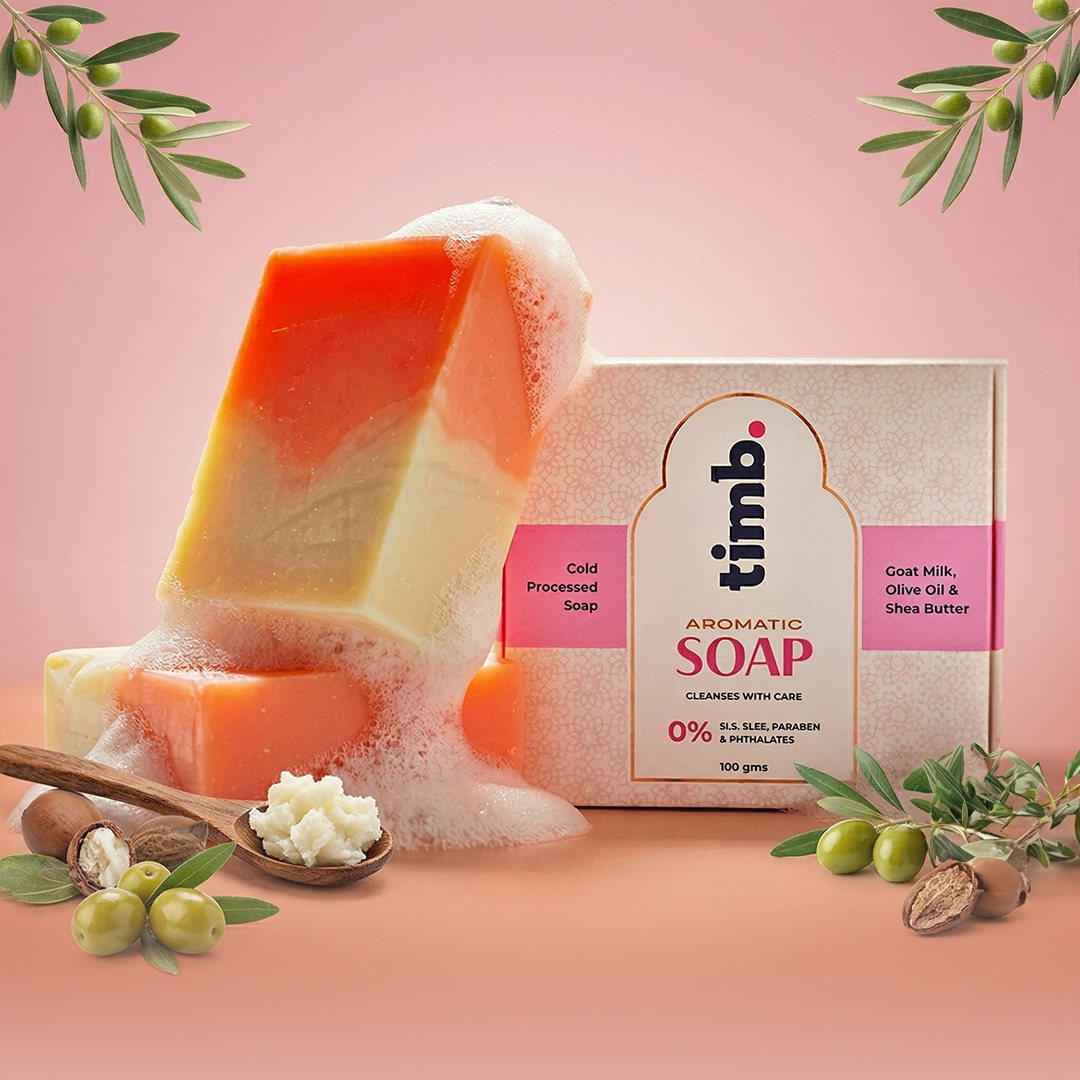
Rated 4.31 out of 5₹1,137.00Original price was: ₹1,137.00.₹949.00Current price is: ₹949.00.MRP (incl. of all taxes) Add to cartAromatic: Goat Milk Bath Soap Bar | Handmade Cold Processed Bathing Soap | With Shea Butter & Coconut Oil | 100g (Pack of 3)
Rated 4.29 out of 5₹1,137.00Original price was: ₹1,137.00.₹949.00Current price is: ₹949.00.MRP (incl. of all taxes) Add to cart