
Key Takeaways –
- Monsoon humidity affects both hair and skin quickly, causing frizz, greasy scalp, dull skin, and breakouts.
- Hair fall in monsoon is often linked to scalp buildup, fungal growth, pollution, and excess oil, not just rainwater.
- Skin may become oily on the surface but still feel dehydrated, so hydration remains important.
- Busy commuters, fitness enthusiasts, and people exposed to air conditioning are more likely to face seasonal hair and skin issues.
- Gentle cleansing, lightweight hydration, sunscreen, and scalp care are the most effective monsoon routine basics.
Monsoon brings welcome relief from scorching summer temperatures, but it also introduces a new set of challenges for your skin care routine. Monsoon hair care and monsoon skin care become essential during this season because increased humidity, frequent rain exposure, and fluctuating temperatures can significantly impact your hair and skin. Without the right monsoon hair care and monsoon skin care practices, problems like humidity hair fall, greasy scalp, acne breakouts, and dull skin can quickly become part of your daily life.
If you’ve ever wondered why your hair feels flat and frizzy after a rainy day or why your skin suddenly becomes oily despite using your regular skin care products, you’re not alone. Understanding what happens to your body during the rainy season can help you build an effective routine and choose the right hair and skin care solutions.
Understanding the Problem: Why Monsoon Affects Hair and Skin
When humidity levels rise, your hair naturally absorbs moisture from the environment. This results in hair shaft swells, leading to frizz, loss of volume, and increased tangling. Excess moisture on the scalp can also create conditions for fungal growth, dandruff, and scalp irritation.
One of the biggest concerns during this season is hair fall due to humidity. Contrary to popular belief, rainwater itself isn’t always the direct cause. Instead, scalp infections, weakened roots, increased oil production, and environmental pollutants contribute to seasonal hair shedding.
Your skin responds to humidity by producing more sebum (oil). While this may sound beneficial for dry skin types, excessive oil production can clog pores, leading to acne, blackheads, and dullness.
Additionally, damp weather creates an ideal environment for bacteria and fungi, which can trigger skin irritation and breakouts if proper rainy season skincare habits aren’t followed.
Common Misconceptions
- “Rainwater is pure and good for hair.” Not necessarily. Rainwater can contain pollutants and impurities, especially in urban areas.
- “Oily skin doesn’t need moisturizer during monsoon.” Even oily skin requires hydration.
- “Hair fall increases only because of rain.” Seasonal shedding often involves multiple factors, including humidity, scalp health, and stress.
Who Is Most Affected?
While monsoon impacts everyone, certain lifestyles make individuals more vulnerable to hair and skin issues.
Busy Professionals:
People commuting daily are frequently exposed to pollution, rainwater, and prolonged humidity. Long working hours may also limit time for proper hair and skin care.
Fitness Enthusiasts:
Frequent workouts combined with humid weather create excessive sweating, increasing the risk of clogged pores and scalp buildup.
Individuals Spending Time Indoors:
Constant exposure to air conditioning can disrupt the skin barrier, leading to dehydration despite the humid weather outside.
People Seeking Natural Solutions:
Those who prefer minimal routines may struggle to balance natural remedies with scientifically proven skin treatment products, making it important to choose evidence-based approaches.
What Experts Say About Monsoon Hair Care and Monsoon Skin Care
Dermatologists often observe a noticeable increase in hair and skin complaints during the monsoon. According to dermatologist Dr. Deshmukh, “High humidity traps sweat and sebum, upsetting the scalp’s microbiome and encouraging overgrowth of Malassezia fungi and other bacteria.”
Dermatologists emphasize that monsoon skin care should focus on maintaining cleanliness, hydration, and barrier protection. For hair, experts recommend keeping the scalp clean, washing away rainwater buildup, and avoiding heavy styling products that can trap moisture, which contribute to scalp issues. For skin, they suggest using gentle cleansers, lightweight non-comedogenic moisturizers, and daily sunscreen, even on cloudy days. Ingredients such as niacinamide and hyaluronic acid are often recommended because they help control excess oil, strengthen the skin barrier, and maintain hydration without feeling heavy in humid weather.
These recommendations aren’t just based on clinical observations. They reflect the concerns dermatologists hear from patients every monsoon. A typical consultation session often sounds something like this
“My hair has become so frizzy lately, and my skin gets oily by lunchtime,” Priya said. “The strange thing is, I haven’t changed my shampoo or face wash.”
“That’s actually very common during monsoon,” her dermatologist replied. “The increased humidity changes how your hair and skin behave. Your hair absorbs moisture from the air, which can lead to frizz, while your scalp and skin tend to produce more oil.”
“You mean it’s not that my products have suddenly stopped working?”
“Not necessarily,” the dermatologist said. “Your routine may have worked perfectly in another season, but monsoon creates a completely different environment. That’s why we often recommend lighter products, better scalp hygiene, and a skincare routine that’s suited to humid weather.”
“That makes sense,” Priya replied. “I thought I was doing something wrong.”
“Not at all. Most people experience these changes. The key is adapting your routine to what your hair and skin need during monsoon.”
If you find yourself having similar issues, you’re not alone. Many people notice sudden changes in their hair and skin during the monsoon, even when they’ve followed the same routine for months. What often feels like a product problem is actually your body’s natural response to increased humidity. Understanding these seasonal changes is the first step toward building an effective monsoon hair care and monsoon skin care routine.
Common Mistakes Experts Warn Against
- Over washing the face to combat oiliness.
- Using heavy creams unsuitable for humid conditions.
- Tying wet hair immediately after washing.
- Ignoring scalp health while focusing only on hair strands.
A Day-by-Day Breakdown of What Happens During Monsoon
Day 1: The First Change You Notice
The first day of consistent monsoon weather often feels refreshing, but your hair and skin begin reacting almost immediately to the increased humidity. As moisture levels in the air rise, your hair starts absorbing water from the environment, causing the cuticles to swell. This can make hair appear frizzy, flat, or difficult to manage. At the same time, your skin begins producing slightly more oil than usual. You may notice your face looking shinier by the end of the day, especially around the forehead, nose, and chin.
Day 2: Oil Production Starts Increasing
By the second day, the combination of humidity and sweat begins affecting both your scalp and skin more noticeably. The scalp produces additional sebum to adapt to the changing environment, which can make the roots appear greasy even if you’ve recently washed your hair. Similarly, your skin may feel sticky or heavy throughout the day. For people with oily or acne-prone skin, this is often when the first signs of clogged pores begin to appear.
Day 3: Buildup Begins to Accumulate
As exposure to humid conditions continues, sweat, oil, dust, and environmental pollutants start accumulating on the scalp and skin. Hair may lose its natural bounce and start feeling heavier than usual. The scalp can become itchy or uncomfortable due to excess buildup. On the skin, clogged pores may develop into blackheads, whiteheads, or small breakouts. This stage highlights the importance of a consistent monsoon skin care and cleansing routine.
Day 4: The Scalp and Skin Come Under Stress
By the fourth day, prolonged exposure to moisture creates an ideal environment for bacteria and fungi to thrive. The scalp microbiome may become imbalanced, leading to dandruff, irritation, or increased sensitivity. Many people also begin noticing more strands of hair on their pillow or in the shower, often referred to as humidity hair fall. Meanwhile, the skin may simultaneously feel oily and dehydrated, a common but often misunderstood effect of monsoon weather.
Day 5: Visible Hair and Skin Concerns Appear
Around the fifth day, the effects of continuous humidity become more visible. Hair tends to become increasingly frizzy, tangled, and prone to breakage. If the scalp is not cared for properly, excess oil and buildup can weaken hair roots. On the skin, enlarged pores, recurring acne, and uneven texture may become more noticeable. Many people also experience a dull complexion despite having oily skin because dead skin cells and impurities accumulate more quickly during this season.
Day 6: Protective Barriers Begin Weakening
Your skin and hair both have natural protective barriers that help retain moisture and defend against environmental damage. During monsoon, these barriers can become compromised if they are not properly maintained. Hair cuticles may remain raised due to constant humidity, making strands more vulnerable to breakage and split ends. Similarly, the skin barrier may become weakened, resulting in redness, sensitivity, or irritation. This is often when people realize that their regular hair and skin care routines are no longer effective.
Day 7 and Beyond: Long-Term Monsoon Effects
After a week or more of continuous exposure to monsoon conditions, the cumulative effects become evident. Hair may experience increased shedding, persistent frizz, scalp irritation, or dandruff if preventative care is neglected. Skin can develop recurring breakouts, fungal infections, or chronic oiliness due to prolonged humidity and clogged pores.
Consistent monsoon hair care and rainy season skincare practices can help restore balance, strengthen the scalp and skin barrier, and prevent minor seasonal concerns from turning into long-term problems.
Suggestions and Recommendations
What to Look for in Hair Care Products
Choose products that:
- Are lightweight and non-greasy
- Help control scalp buildup
- Strengthen hair roots
- Protect against humidity-induced frizz
When selecting cosmetic and hair products, prioritize formulations designed specifically for humid climates.
What to Look for in Skin Care Products
Effective monsoon skin treatment products often contain:
- Niacinamide
- Hyaluronic acid
- Salicylic acid
- Ceramides
These ingredients help maintain hydration while preventing clogged pores.
Ingredients to Avoid
During the monsoon, it may be beneficial to limit:
- Heavy oils
- Thick occlusive creams
- Alcohol-based toners
- Excessive fragrances
These ingredients can either clog pores or disrupt the skin barrier.
Building an Effective Hair and Skin Care Routine
A balanced hair and skin care routine should include:
Morning:
- Gentle cleanser
- Lightweight moisturizer
- Sunscreen
Evening:
- Cleansing
- Targeted treatment serum
- Moisturizer
For hair:
- Mild shampoo
- Lightweight conditioner
- Scalp-focused care
Consistency matters more than complexity.
Solutions for Common Monsoon Hair and Skin Problems
- Control Excess Oil Without Over washing
One of the biggest mistakes people make during monsoon is washing their face repeatedly to remove oil. While it may feel refreshing temporarily, over-cleansing can strip the skin barrier and trigger even more oil production. Instead, use a gentle cleanser twice daily and follow with a lightweight moisturizer to maintain balance.
- Keep Your Scalp Clean and Dry
Humidity creates the perfect environment for scalp buildup, dandruff, and fungal growth. If your hair gets wet in the rain, rinse and dry it as soon as possible. A clean scalp reduces the chances of irritation and can help minimize seasonal humidity hair fall.
- Strengthen the Skin Barrier
Frequent exposure to rainwater, pollution, and changing temperatures can weaken the skin’s protective barrier. Ingredients like ceramides, niacinamide, and hyaluronic acid help reinforce the barrier while maintaining hydration without making the skin greasy.
- Prevent Monsoon Breakouts
Clogged pores are common during the rainy season because excess oil mixes with sweat and environmental pollutants.
Use non-comedogenic skin care products and avoid heavy creams that can trap dirt and bacteria.
- Nourish Hair Instead of Over-Styling
Many people try to combat frizz with excessive heat styling or heavy serums. Unfortunately, this often worsens the problem.
Focus on nourishing the hair shaft with lightweight moisturizing ingredients while reducing unnecessary heat exposure. Using a gentle, sulphate free shampoo can also help cleanse the scalp effectively without stripping away essential moisture, keeping hair healthier and more manageable during humid weather.
Monsoon Hair and Skin Care Pro Tips
Pro Tip #1: Switch to Lightweight Yet Nourishing moisturizing products
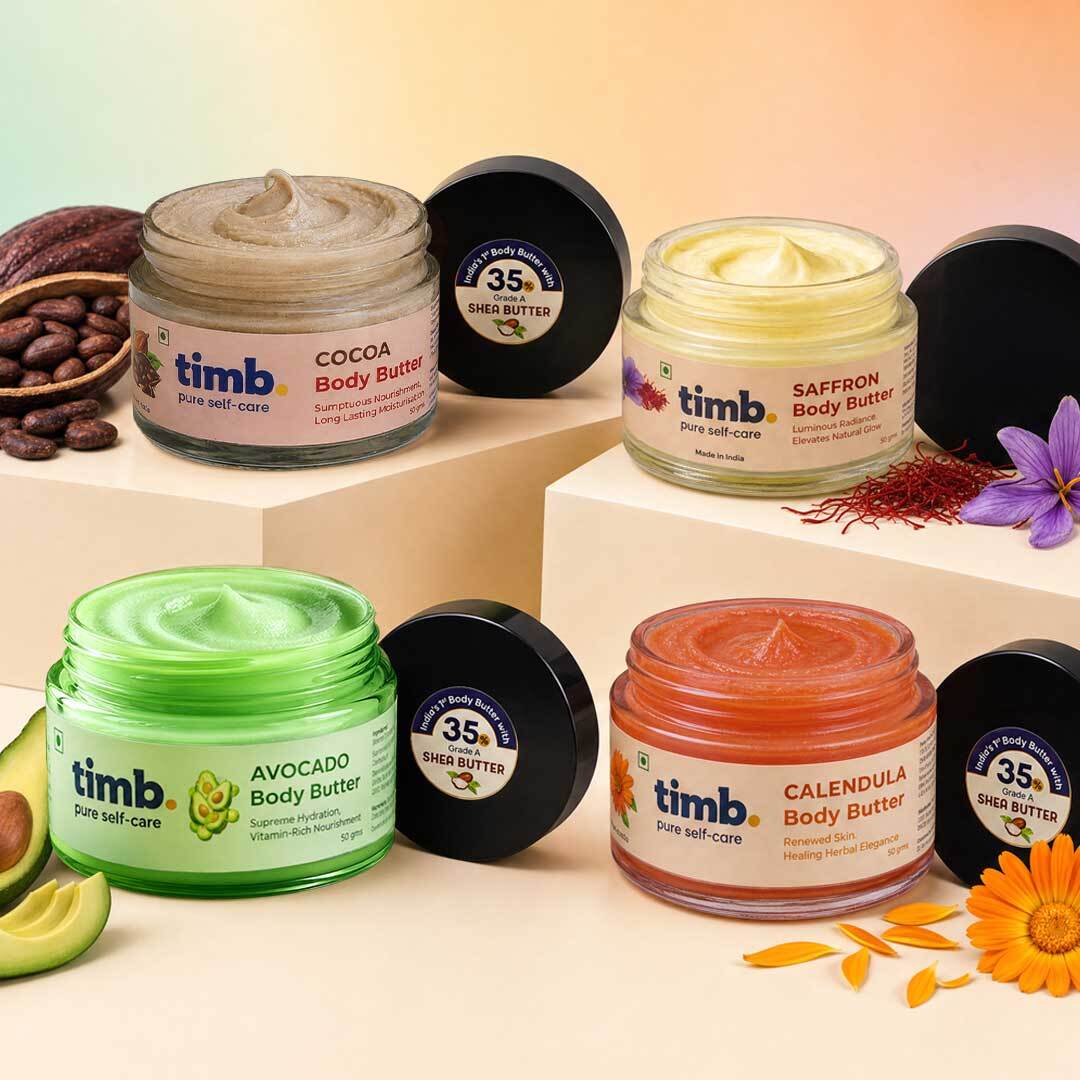
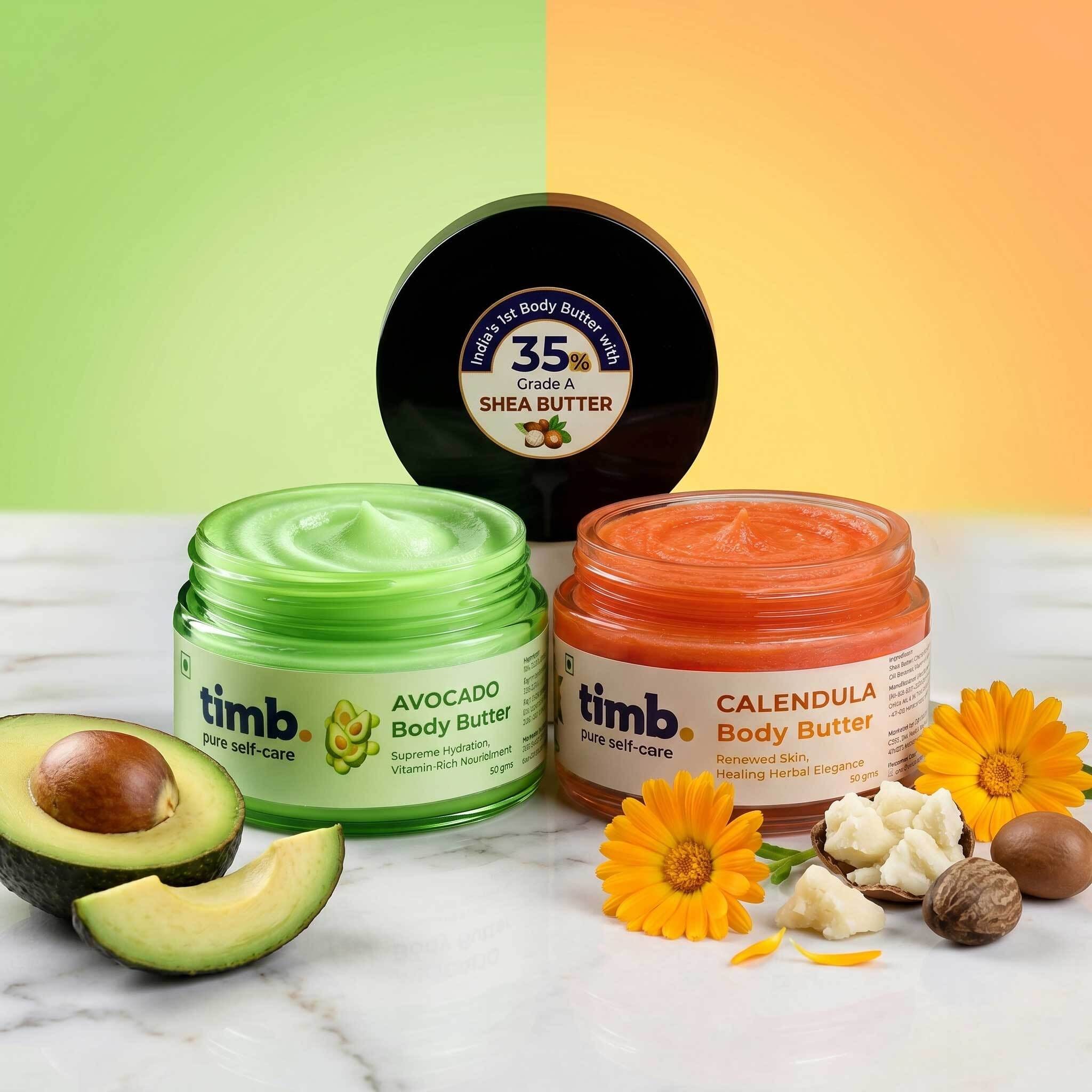
During the monsoon, thick creams can sometimes feel heavy on the skin. Look for products that hydrate without clogging pores. Products formulated with nourishing but lightweight ingredients, such as Timb’s body butter made with high-quality shea butter, can help support skin hydration while maintaining a healthy skin barrier, especially for individuals experiencing dryness from air conditioning or frequent cleansing.
Pro Tip #2: Choose the Right Shampoo for Monsoon Hair Care
Your shampoo plays a crucial role during the rainy season. Excess humidity, sweat, and environmental pollutants can accumulate on the scalp, leading to buildup and irritation. A mild shampoo formulated with nourishing ingredients can help keep the scalp clean while maintaining the hair’s natural moisture balance. Timb’s shampoo range can be a good option for those looking to cleanse effectively without leaving the hair feeling overly dry or weighed down.
Pro Tip #3: Don’t Ignore skin care during Monsoon
Most people focus only on facial skincare during the rainy season, but body skin often experiences dryness, itchiness, and rough patches due to changing humidity levels. A rich moisturizing routine after showering can help lock in hydration and keep the skin soft throughout the season.
Pro Tip #4: Prioritize Ingredient Quality Over Long Ingredient Lists
When choosing cosmetic and hair products, focus on ingredient quality rather than the number of ingredients. For example, skincare formulations that use high grade shea butter, natural oils, and nourishing botanical ingredients often provide better long-term support for skin health than products loaded with unnecessary fillers.
The same principle applies to hair care; look for shampoos and conditioners that prioritize scalp-friendly, nourishing ingredients.
Pro Tip #5: Create a Simple Monsoon Routine and Stick to It
You don’t need a 10-step routine for healthy skin and hair during the monsoon.
A consistent routine that includes:
- Gentle cleansing
- Hydration
- Sun protection
- Scalp care
- Weekly nourishment
- A suitable shampoo for regular scalp cleansing
For many people, using a nourishing moisturizer, using a gentle shampoo, and maintaining proper scalp hygiene is enough to prevent the majority of common monsoon hair care and monsoon skin care concerns.
Conclusion
Monsoon may bring cooler temperatures and refreshing rain, but it also presents unique challenges for your skincare routine. From increased oil production and clogged pores to frizz and humidity hair fall, the season affects both hair and skin in ways many people don’t fully understand.
The key to successful monsoon hair care and monsoon skin care is recognizing these changes early and adapting your routine accordingly. By choosing appropriate skin care products, maintaining scalp hygiene, and following smart rainy season skincare practices, you can protect your hair and skin from seasonal damage.
Instead of waiting for problems to appear, start making small adjustments today. A few simple habits can make the difference between struggling through the season and enjoying healthy, resilient hair and glowing skin all monsoon long.
FAQs
Not always. In most cases, the problem comes from impurities, scalp infection, and moisture imbalance rather than rainwater alone.
Humidity can increase surface oil while weakened barriers still lose hydration, creating an oily-but-dehydrated feeling.
No. Even oily skin needs lightweight hydration to support the skin barrier.
Protein Shampoo & Nourishing Conditioner Combo | Strengthens Hair | 100ml Each
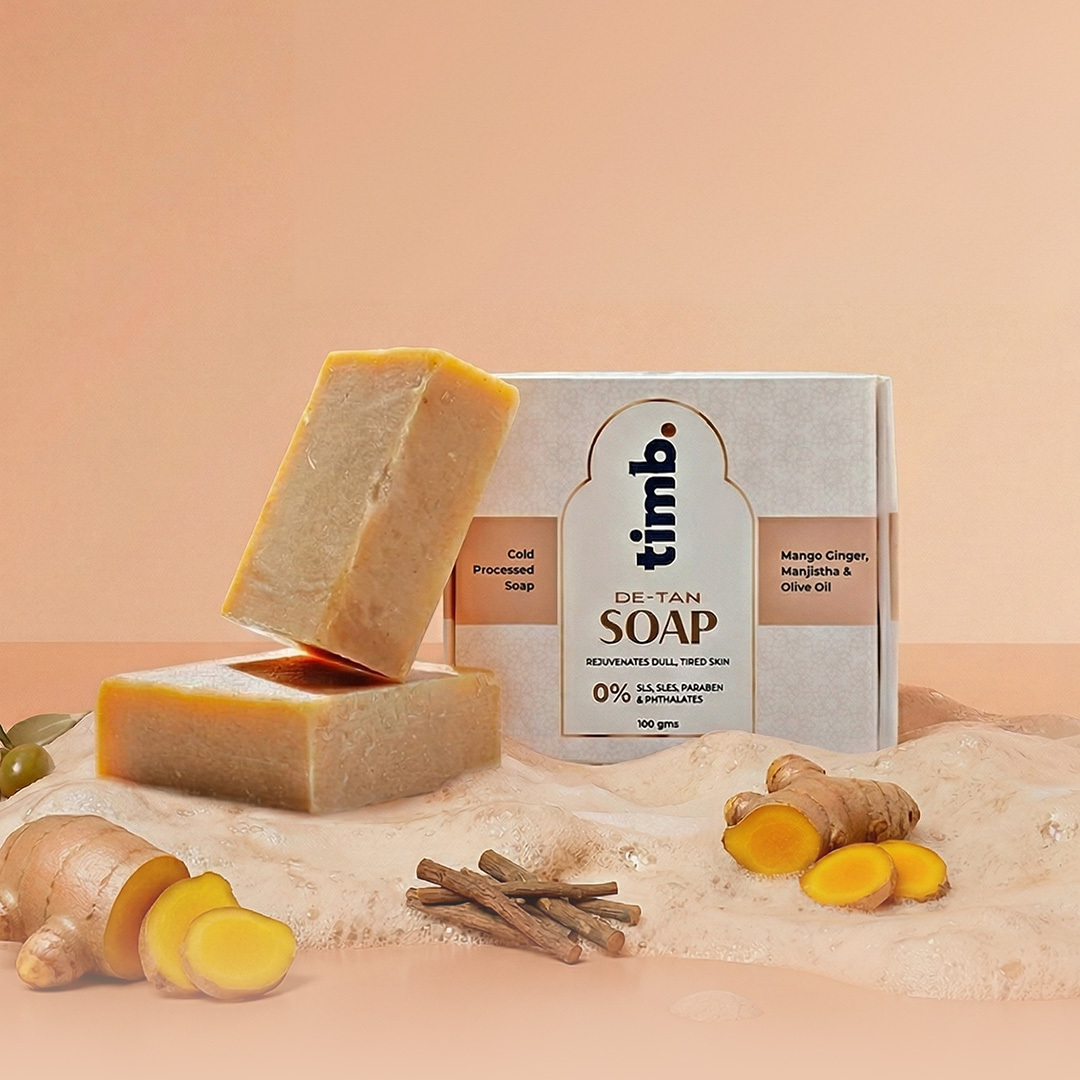
Rated 4.60 out of 5₹898.00Original price was: ₹898.00.₹779.00Current price is: ₹779.00.MRP (incl. of all taxes) Add to cartDeTan: Tan Removal Bath Soap Bar | Handmade Cold Processed Skin Brightening Bathing Soap | 100% Chemical Free | 100g (Pack of 2)
Rated 4.31 out of 5₹758.00Original price was: ₹758.00.₹659.00Current price is: ₹659.00.MRP (incl. of all taxes) Add to cartCalendula, Avocado, Cocoa, Saffron Body Butter with Shea | Dry Skin | Men & Women | All Seasons | 50gm Each
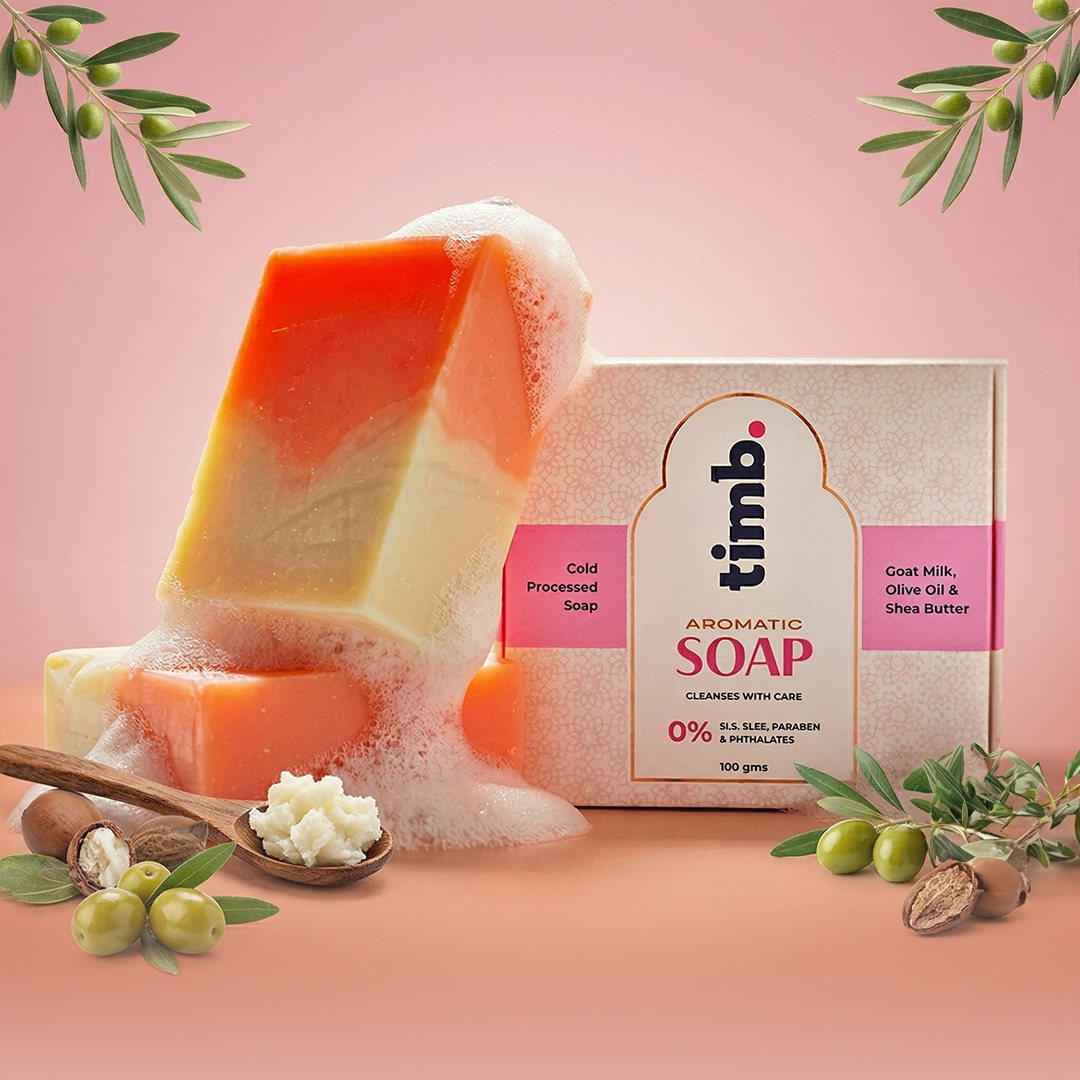
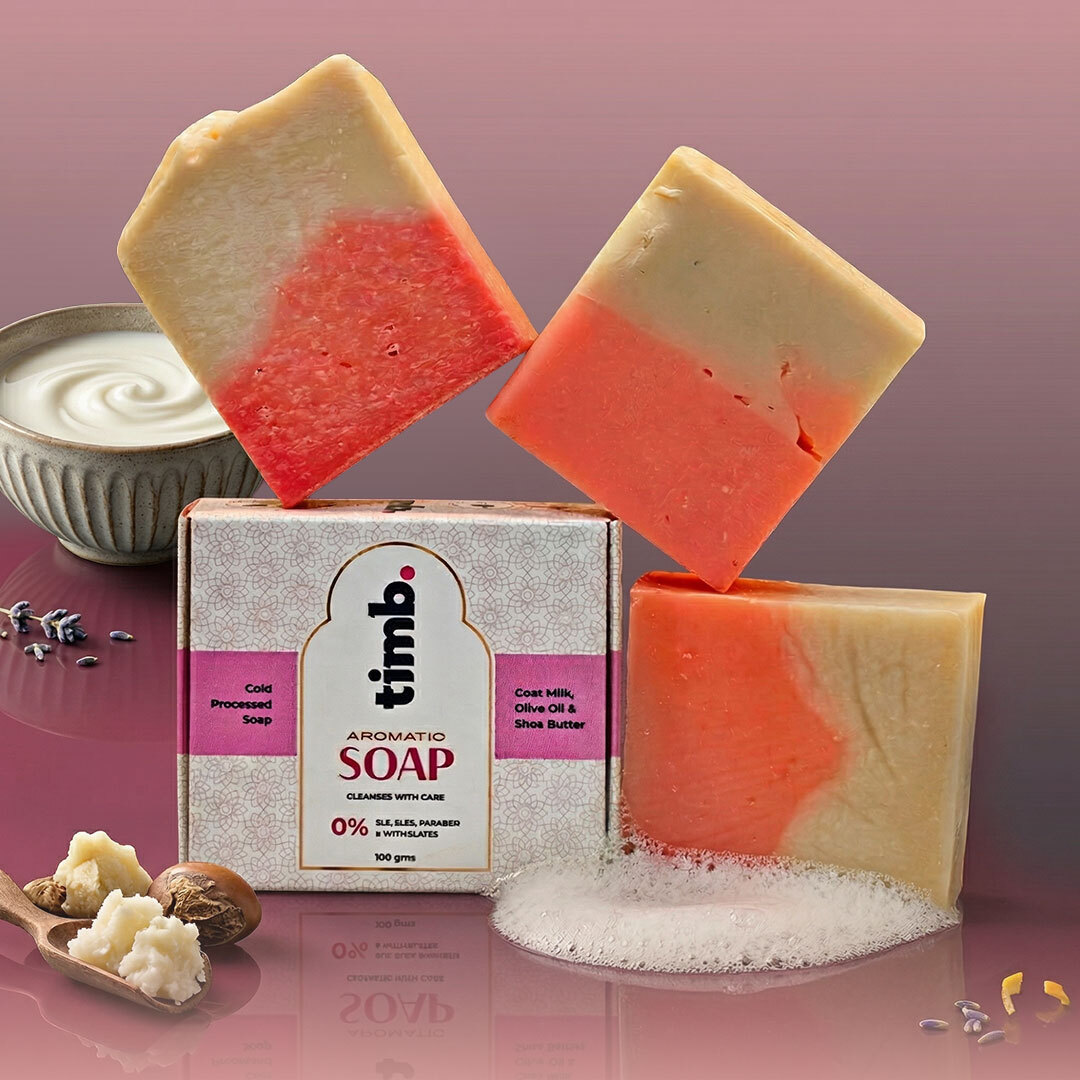
Rated 4.52 out of 5₹1,516.00Original price was: ₹1,516.00.₹1,349.00Current price is: ₹1,349.00.MRP (incl. of all taxes) Add to cartAromatic: Goat Milk Bath Soap Bar | Handmade Cold Processed Bathing Soap | With Shea Butter & Coconut Oil | 100g (Pack of 1)
Rated 4.63 out of 5₹379.00Original price was: ₹379.00.₹341.00Current price is: ₹341.00.MRP (incl. of all taxes) Add to cart