
Key Takeaways
- Expensive skincare products alone cannot guarantee glowing skin.
- Dehydration, lack of sleep, stress, pollution, and skin barrier damage are among the most common causes of dull skin.
- Overusing active ingredients can weaken the skin barrier and make your complexion appear dry and tired.
- Consistent skincare, sun protection, hydration, and healthy lifestyle habits often produce better long-term results than frequently changing products.
- Supporting your skin barrier is one of the most effective ways to restore your skin’s natural radiance.
- Glowing skin is a reflection of overall skin health, not simply the cost of your skincare routine.
Introduction
Have you ever looked in the mirror after investing in expensive skincare products and wondered, “Why does my skin still look dull?”
You’re not alone. Many people spend thousands of rupees on luxury cleansers, serums, moisturizers, and facial oils, expecting flawless, glowing skin. Yet despite following a dedicated skincare routine, their complexion may still appear dry, tired, uneven, or lifeless.
The truth is that healthy, radiant skin depends on much more than the price tag of your skincare products. While high-quality formulations can certainly support skin health, factors such as hydration, sleep, nutrition, stress, pollution, sun exposure, and the condition of your skin barrier play an equally important role. Even the most expensive skincare products cannot compensate for poor lifestyle habits or a damaged skin barrier.
The beauty industry is filled with marketing claims promising instant glow and overnight transformations. Social media trends often encourage people to layer multiple active ingredients without understanding whether their skin actually needs them. As a result, many unknowingly damage their skin barrier while trying to achieve brighter skin.
The good news is that dull skin is usually manageable once you understand its underlying causes. Instead of constantly buying new products, it’s more effective to identify what’s preventing your skin from looking its best and build a routine that supports long-term skin health.
In this article, we’ll explore the real reasons your skin may look dull despite using premium skincare, debunk common misconceptions, share dermatologist-backed advice, and provide practical tips to help you achieve naturally healthy, radiant skin.
Understanding the Problem
What Causes Dull Skin?
Dull skin is a common concern experienced by people of all ages and skin types. It refers to skin that lacks brightness, appears uneven, feels rough to the touch, and doesn’t reflect light evenly. Healthy skin naturally looks fresh because its surface is smooth and well hydrated. When this balance is disturbed, the complexion begins to lose its natural glow.
Several internal and external factors contribute to dull-looking skin.
1. Dehydration
One of the biggest reasons skin loses its radiance is dehydration.
Unlike dry skin, which lacks oil, dehydrated skin lacks water. Even people with oily skin can experience dehydration, making their complexion appear flat and tired.
Common signs include:
- Tightness after cleansing
- Fine dehydration lines
- Rough texture
- Makeup settling into lines
- Skin that feels oily but still looks dull
Using hydrating ingredients such as hyaluronic acid and glycerin while drinking enough water throughout the day can significantly improve skin hydration.
2. Dead Skin Cell Build-Up
Your skin constantly renews itself by shedding old skin cells and replacing them with new ones. This natural process usually takes around four weeks in younger adults but slows with age, stress, sun damage, and environmental exposure.
When dead skin cells accumulate on the surface, they create a layer that blocks light from reflecting evenly.
The result is skin that appears:
- Greyish
- Rough
- Uneven
- Tired
- Less radiant
Gentle exfoliation once or twice a week can help remove this buildup, but excessive exfoliation may damage the skin barrier.
3. Skin Barrier Damage
The skin barrier is your body’s natural protective shield. It keeps moisture inside the skin while protecting it from pollution, bacteria, allergens, and irritants.
When this barrier becomes weakened, your skin may experience:
- Dryness
- Tightness
- Redness
- Sensitivity
- Irritation
- Flakiness
- Persistent dullness
Ironically, many people damage their skin barrier by using too many active ingredients, harsh cleansers, or strong exfoliants in pursuit of glowing skin.
4. Pollution and Environmental Stress
If you live in a busy city, your skin is exposed daily to dust, smoke, vehicle emissions, and other pollutants.
These environmental aggressors generate free radicals that can:
- Break down collagen
- Accelerate premature ageing
- Increase pigmentation
- Trigger inflammation
- Reduce the skin’s natural brightness
Regular cleansing at night and applying sunscreen every morning can help minimise this damage.
5. Poor Sleep
Sleep is when your skin performs much of its repair and regeneration.
During deep sleep, blood flow to the skin increases, collagen production is supported, and damaged cells begin to recover.
Consistently sleeping fewer than seven hours may result in:
- Puffy eyes
- Uneven skin tone
- Reduced elasticity
- A tired-looking complexion
No serum can fully replace the restorative effects of quality sleep.
6. Chronic Stress
Stress affects far more than your mental health, it also influences your skin.
Long-term stress increases cortisol levels, which may contribute to inflammation, delayed healing, acne flare-ups, and increased skin sensitivity.
People experiencing prolonged stress often notice their skin becoming dull, reactive, and less resilient over time.
7. Poor Nutrition
Your skin requires vitamins, minerals, protein, healthy fats, and antioxidants to maintain a healthy appearance.
A diet high in processed foods and refined sugar, combined with low fruit and vegetable intake, may contribute to a lacklustre complexion.
Including antioxidant-rich foods such as berries, citrus fruits, leafy greens, nuts, seeds, and healthy fats can help support healthy skin from within.
Common Misconceptions About Expensive Skincare
Many people believe that buying premium skincare products automatically leads to glowing skin. While luxury products may contain high-quality ingredients and advanced formulations, they cannot overcome poor lifestyle habits or an unsuitable skincare routine.
Consider this simple example:
Priya: “I’ve spent over ₹12,000 on skincare this month, but my skin still looks dull.”
Neha: “How many hours do you sleep?”
Priya: “Around five.”
Neha: “Do you wear sunscreen every day?”
Priya: “Not really.”
Neha: “Your products probably aren’t the problem.”
This conversation reflects a common mistake. People often focus on purchasing new products while overlooking the everyday habits that have a much greater influence on skin health.
Another misconception is that more products equal better results. In reality, using multiple exfoliating acids, retinol, vitamin C, and other active ingredients together without guidance can overwhelm the skin and weaken its protective barrier.
Consistency, simplicity, and understanding your skin’s needs are usually more effective than following every viral skincare trend.
Signs You May Be Experiencing Dull Skin
Not sure whether your skin is actually dull or simply going through temporary changes?
You may be experiencing dull skin if you notice:
- Uneven skin tone
- Rough or bumpy texture
- Dry or flaky patches
- Reduced natural glow
- Makeup appearing cakey or patchy
- Increased skin sensitivity
- A tired-looking complexion even after cleansing
- Skin that feels tight despite using moisturiser
Recognising these signs early allows you to address the underlying cause before the problem worsens.
In the next section, we’ll explore who is most likely to experience dull skin and why certain lifestyles and daily habits can significantly affect your skin’s health.
Who Is This For? (Lifestyle & User Persona)
While dull skin can affect anyone, certain lifestyles and environmental factors make some people more prone to losing their natural glow. Understanding which category you fall into can help you choose the right skincare approach instead of simply buying more products.
Busy Professionals
Long working hours, deadlines, and screen time often leave little room for self-care. Many professionals spend 8–10 hours in air-conditioned offices, followed by long commutes through traffic and pollution.
This lifestyle can contribute to:
- Skin dehydration
- Increased stress levels
- Poor sleep quality
- Reduced collagen production over time
- Lack of time for a consistent skincare routine
Many professionals also skip breakfast, consume excess caffeine, or forget to drink enough water during the day. These seemingly small habits can gradually affect the skin’s appearance.
What helps?
- Carry a reusable water bottle to stay hydrated.
- Follow a simple skincare routine instead of a complicated 10-step regimen.
- Never skip sunscreen, even if you work indoors.
- Aim for at least 7–8 hours of quality sleep.
People Exposed to Air Conditioning, Pollution, or Harsh Weather
Whether you live in a busy metropolitan city or work outdoors, environmental factors play a major role in skin health.
Air conditioning removes moisture from the air, leaving skin feeling dry and tight. On the other hand, pollution exposes your skin to microscopic particles and free radicals that can weaken the skin barrier and accelerate signs of ageing.
Similarly, prolonged exposure to harsh sunlight, strong winds, or cold weather can strip the skin of its natural oils.
Common concerns include:
- Dryness
- Rough texture
- Uneven pigmentation
- Premature fine lines
- Increased sensitivity
What helps?
- Cleanse thoroughly at the end of the day.
- Apply sunscreen every morning.
- Use a moisturiser rich in ceramides or nourishing lipids to reinforce the skin barrier.
Fitness Enthusiasts
Regular exercise improves blood circulation, which benefits the skin. However, certain post-workout habits may unintentionally contribute to dullness.
Frequent showering with hot water, using harsh cleansers after every workout, or washing the face repeatedly can strip away the skin’s natural protective oils.
Sweat left on the skin for extended periods may also contribute to clogged pores and irritation.
Best practices include:
- Shower soon after exercising.
- Use a gentle cleanser instead of harsh soaps.
- Apply a moisturiser immediately after bathing to lock in hydration.
Individuals Looking for Natural Skincare Solutions
Many people today prefer plant-based or minimalist skincare because they want fewer synthetic ingredients and more nourishment from nature.
Natural ingredients such as shea butter, aloe vera, calendula, and avocado oil can help support hydration when used in well-formulated products.
However, “natural” does not automatically mean better or safer. Every ingredient—whether natural or synthetic—should suit your skin type and be backed by good formulation practices.
The key is choosing products that support your skin barrier rather than overwhelming it with unnecessary ingredients.
What Experts Say
Modern dermatology has shifted its focus from chasing quick fixes to protecting the skin’s natural barrier. Today, many dermatologists agree that healthy skin starts with maintaining hydration, reducing irritation, and using products that work with the skin—not against it.
Dermatologist Insights
According to Dr. Sharad, skincare should be customised rather than influenced by social media trends. She frequently emphasises that overusing active ingredients without understanding your skin type can weaken the skin barrier and lead to irritation, dryness, and dullness.
Similarly, Dr. Rashmi Shetty highlights that healthy skin reflects overall wellness. She often advises that skincare products work best when combined with adequate sleep, balanced nutrition, hydration, and daily sun protection.
Their advice reinforces an important message: healthy skin is built through consistency, not complexity.
Scientific Evidence Behind Skin Barrier Health
Your skin barrier, scientifically known as the stratum corneum, is the outermost layer of your skin. Think of it as a brick wall:
- Skin cells act as the bricks.
- Ceramides, cholesterol, and fatty acids act as the mortar holding those bricks together.
A healthy barrier performs several essential functions:
- Prevents excessive water loss
- Protects against bacteria and pollutants
- Supports healthy cell turnover
- Reduces irritation and inflammation
- Maintains skin softness and elasticity
When this barrier becomes damaged, water escapes from the skin through a process called Transepidermal Water Loss (TEWL). As hydration decreases, the skin begins to feel tight, rough, and visibly dull.
Research published in dermatology journals has consistently shown that maintaining skin barrier integrity is essential for healthy-looking skin. A compromised barrier not only contributes to dryness but also reduces the skin’s ability to recover from environmental stressors.
Ingredients Dermatologists Commonly Recommend
Rather than recommending expensive products, dermatologists generally focus on ingredients with strong scientific evidence.
For Hydration
Hydrating ingredients attract and retain moisture within the skin.
Look for:
- Hyaluronic Acid
- Glycerin
- Panthenol
- Aloe Vera
For Barrier Repair
Barrier-supporting ingredients help restore the skin’s protective function.
These include:
- Ceramides
- Cholesterol
- Fatty Acids
- Squalane
- Shea Butter
Together, these ingredients help reduce moisture loss while improving softness and resilience.
For Brightening
If dullness is accompanied by uneven skin tone or pigmentation, dermatologists may recommend ingredients such as:
- Vitamin C
- Niacinamide
- Alpha Arbutin
- Licorice Root Extract
These ingredients work gradually and should always be paired with sunscreen for the best results.
Common Mistakes Experts Advise Against
Many skincare concerns arise not because people are doing too little, but because they are doing too much.
Dermatologists commonly advise against:
Over-Exfoliation
Exfoliating too frequently removes healthy skin cells along with dead ones, weakening the skin barrier.
Layering Too Many Active Ingredients
Using retinol, AHAs, BHAs, vitamin C, and exfoliating toners in the same routine may increase irritation without improving results.
Frequently Switching Products
Every new product requires time for your skin to adapt. Constantly changing products makes it difficult to know what is actually working.
Skipping Sunscreen
Sun exposure is one of the leading causes of pigmentation, premature ageing, and dull skin.
Even the best skincare routine cannot protect your skin if sunscreen is omitted.
Following Viral Trends Without Research
Not every trending skincare routine suits every skin type.
Products should always be selected based on your skin’s unique needs rather than online popularity.
Suggestions & Recommendations
Once you’ve identified the possible causes of dull skin, the next step is choosing products and habits that genuinely support skin health.
Instead of chasing expensive products, focus on formulations that strengthen the skin barrier, improve hydration, and protect against environmental damage.
What to Look for in a Skincare Product
A good skincare product should:
- Match your skin type.
- Support long-lasting hydration.
- Contain dermatologist-backed ingredients.
- Be free from unnecessarily harsh formulations.
- Help maintain a healthy skin barrier.
Remember, a product doesn’t have to be expensive to be effective. Well-formulated skincare with clinically supported ingredients often delivers excellent results when used consistently.
Ingredients That Help Restore Skin Radiance
Hydration Heroes
These ingredients help replenish moisture:
- Hyaluronic Acid
- Glycerin
- Panthenol
- Aloe Vera
Brightening Ingredients
For improving uneven skin tone:
- Vitamin C
- Niacinamide
- Alpha Arbutin
Barrier Repair Ingredients
For restoring skin resilience:
- Ceramides
- Cholesterol
- Fatty Acids
- Shea Butter
- Squalane
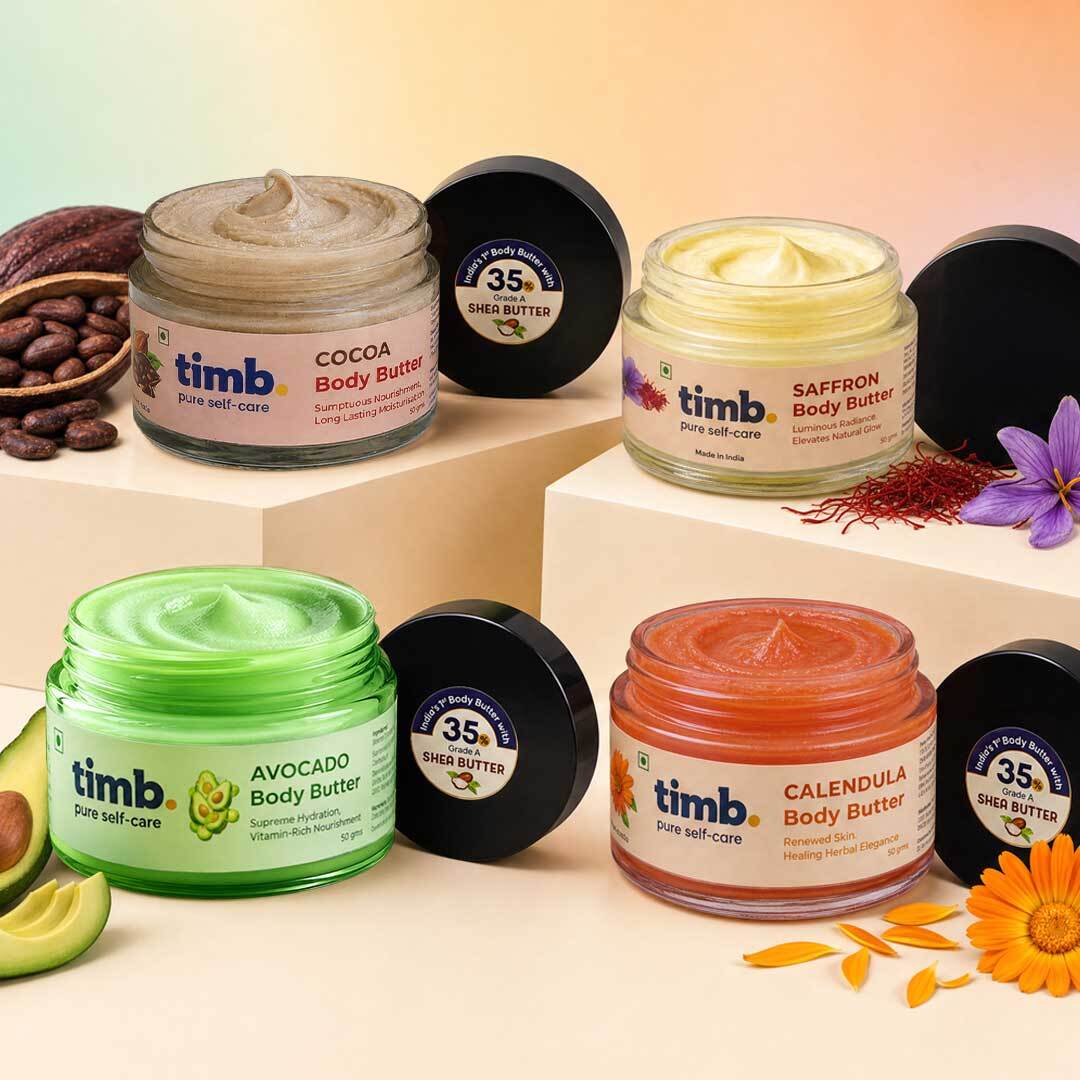
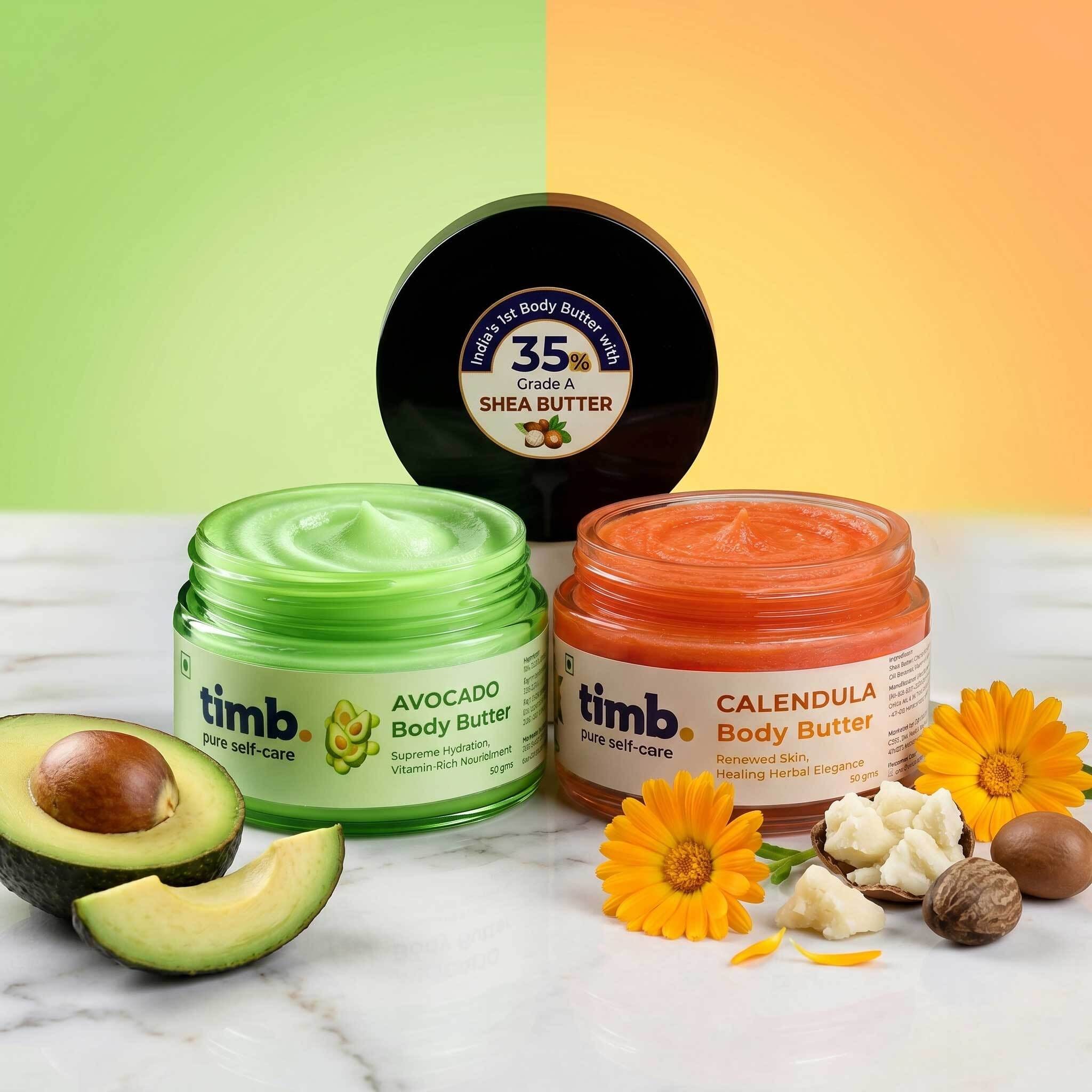
Products containing nourishing ingredients like shea butter can be especially beneficial for dry or compromised skin. For example, Timb’s Natural Shea Butters, available in variants such as Avocado, Calendula, and Saffron, are formulated to provide deep moisturisation while helping support the skin’s natural barrier.
The goal isn’t simply to make the skin feel softer for a few hours—it’s to strengthen its ability to retain moisture over time.
Ingredients to Avoid When Your Skin Looks Dull
Not every trending ingredient is suitable for dull or compromised skin. If your skin feels dry, irritated, or sensitive, introducing too many strong actives may worsen the problem instead of solving it.
Use the following ingredients with caution, especially if your skin barrier is already weakened:
High-Strength AHAs and BHAs
Chemical exfoliants such as glycolic acid and salicylic acid can improve skin texture when used correctly. However, frequent use or high concentrations may cause excessive dryness and irritation.
Excessive Retinol
Retinol is one of the most researched skincare ingredients for improving skin texture and reducing signs of ageing. However, using it too frequently or at high strengths without proper moisturisation may lead to peeling, redness, and barrier disruption.
Alcohol-Heavy Formulas
Some products contain high amounts of denatured alcohol, which may provide a lightweight feel but can strip moisture from the skin when used regularly.
Harsh Physical Scrubs
Scrubs with large, abrasive particles may create tiny tears in the skin, especially if used aggressively. Gentle chemical exfoliation is often a better option for maintaining healthy skin.
How to Build an Effective Skincare Routine
A complicated routine isn’t always a better routine. Consistency is far more important than using multiple products.
Morning Routine
A simple morning routine helps protect your skin from environmental damage throughout the day.
Step 1: Gentle Cleanser
Start with a mild cleanser to remove excess oil and impurities without stripping away your skin’s natural moisture.
Step 2: Antioxidant Serum
Apply a Vitamin C serum to help defend the skin against free radicals and improve overall brightness.
Step 3: Moisturiser
Choose a moisturiser suited to your skin type. Look for ingredients such as ceramides, glycerin, squalane, or shea butter to support hydration.
Step 4: Sunscreen
Finish with a broad-spectrum sunscreen with SPF 30 or higher. Daily sun protection is one of the most effective ways to prevent dullness, pigmentation, and premature ageing.
Evening Routine
Night-time is when your skin naturally repairs itself.
Step 1: Remove sunscreen, makeup, and dirt with a gentle cleanser.
Step 2: Apply a hydrating serum if needed.
Step 3: Use a nourishing moisturiser to strengthen the skin barrier overnight.
If your skin feels dry or compromised, products containing nourishing shea butter can help replenish moisture while supporting barrier recovery.
Tailoring Your Routine to Your Skin Type
Dry Skin
Focus on rich, nourishing moisturisers that contain ceramides, shea butter, glycerin, and squalane.
Oily Skin
Choose lightweight, non-comedogenic moisturisers. Hydration remains essential, even if your skin produces excess oil.
Combination Skin
Use lightweight hydrating products while applying richer moisturisers only where extra nourishment is needed.
Sensitive Skin
Avoid fragrance-heavy products and introduce new ingredients gradually. Always patch-test before adding a product to your routine.
Solutions & Pro Tips
Beautiful skin is built through small, consistent habits rather than occasional intensive treatments.
Practical Daily Habits for Glowing Skin
Stay Hydrated
Drink enough water throughout the day to support your body’s normal functions, including healthy skin.
Prioritise Sleep
Aim for 7–9 hours of quality sleep every night. During sleep, your skin repairs itself and produces collagen that contributes to firmness and elasticity.
Eat a Balanced Diet
Support your skin from within by including foods rich in antioxidants, vitamins, healthy fats, and protein.
Include:
- Berries
- Citrus fruits
- Leafy greens
- Nuts and seeds
- Fatty fish
- Whole grains
Manage Stress
Stress can affect hormone levels, trigger inflammation, and delay skin repair.
Simple activities such as yoga, meditation, deep breathing, walking, or spending time outdoors can help reduce stress over time.
Application Techniques That Improve Results
How you apply your skincare products matters just as much as what you apply.
- Apply moisturiser to slightly damp skin to help lock in hydration.
- Avoid rubbing products aggressively. Instead, gently massage them into the skin using upward motions.
- Allow each product to absorb before applying the next layer.
- Introduce one new product at a time so you can monitor how your skin responds.
Best Time to Use Hydrating Products
Hydrating products work particularly well:
- Immediately after cleansing.
- After showering while the skin is still slightly damp.
- Before bedtime, when the skin naturally undergoes repair.
If your skin feels tight or dehydrated, applying a richer moisturiser or a nourishing shea butter-based product in the evening can help reduce overnight moisture loss.
Pro Tip: Focus on Your Skin Barrier First
If your skin feels irritated, tight, or unusually sensitive, resist the temptation to add more active ingredients.
Instead, simplify your routine for two to four weeks.
Focus on:
Products enriched with shea butter, ceramides, and botanical oils can help reinforce the skin’s natural protective barrier. For example, Timb’s Natural Shea Butters, including Avocado, Calendula, and Saffron variants, provide deep nourishment and can be incorporated into a simplified routine to support skin comfort and hydration.
Remember, your skin barrier is like the foundation of a home. Once it is strong, every other step in your skincare routine becomes more effective.
Conclusion
Healthy, radiant skin is not determined by the price of the products on your shelf—it is the result of understanding your skin’s needs and caring for it consistently. While premium skincare products may contain effective ingredients, they work best when combined with good hydration, balanced nutrition, adequate sleep, daily sun protection, and a healthy skin barrier. Instead of chasing every new skincare trend, focus on building simple habits that support your skin’s long-term health.
Remember that glowing skin is a journey, not an overnight transformation. Listen to your skin, choose products that nourish and protect it, and give your routine enough time to deliver results. If your skin continues to feel persistently dull, irritated, or sensitive despite following a consistent routine, consult a qualified dermatologist for personalised guidance. By prioritising skin barrier health and making mindful lifestyle choices, you can achieve healthier, more resilient skin that naturally looks brighter over time.
FAQs
Simplify your skincare routine, avoid harsh exfoliants, use a gentle cleanser, apply a barrier-supporting moisturiser containing ceramides or shea butter, stay hydrated, and protect your skin with sunscreen every day.
Staying hydrated supports overall skin health and helps maintain moisture balance. While drinking water alone won’t instantly transform your complexion, it contributes to healthier-looking skin when combined with a balanced diet and proper skincare.
This depends on the underlying cause. With a consistent skincare routine and healthy lifestyle habits, many people notice improvements within four to eight weeks as the skin completes its natural renewal cycle.
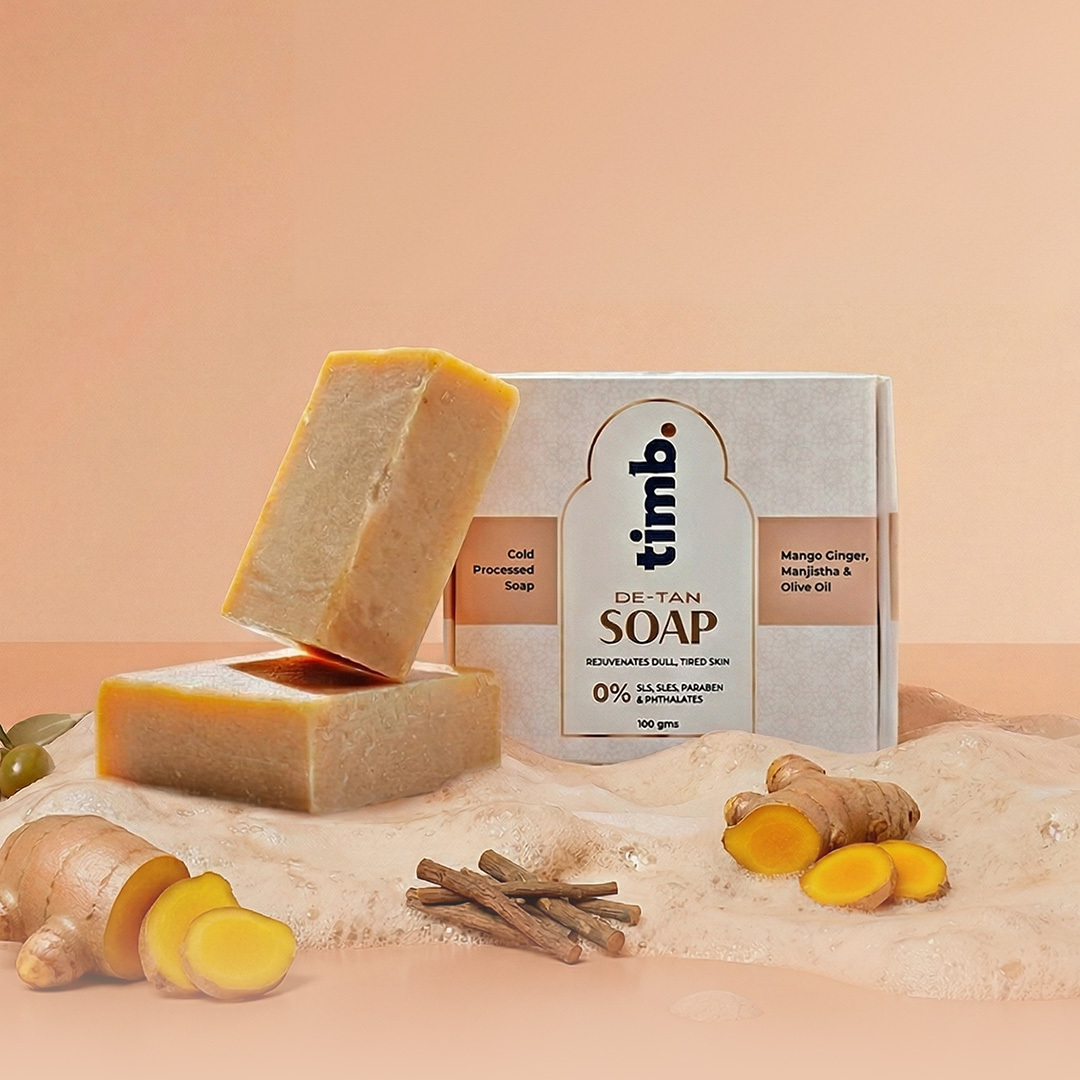
DeTan: Tan Removal Bath Soap Bar | Handmade Cold Processed Skin Brightening Bathing Soap | 100% Chemical Free | 100g (Pack of 2)
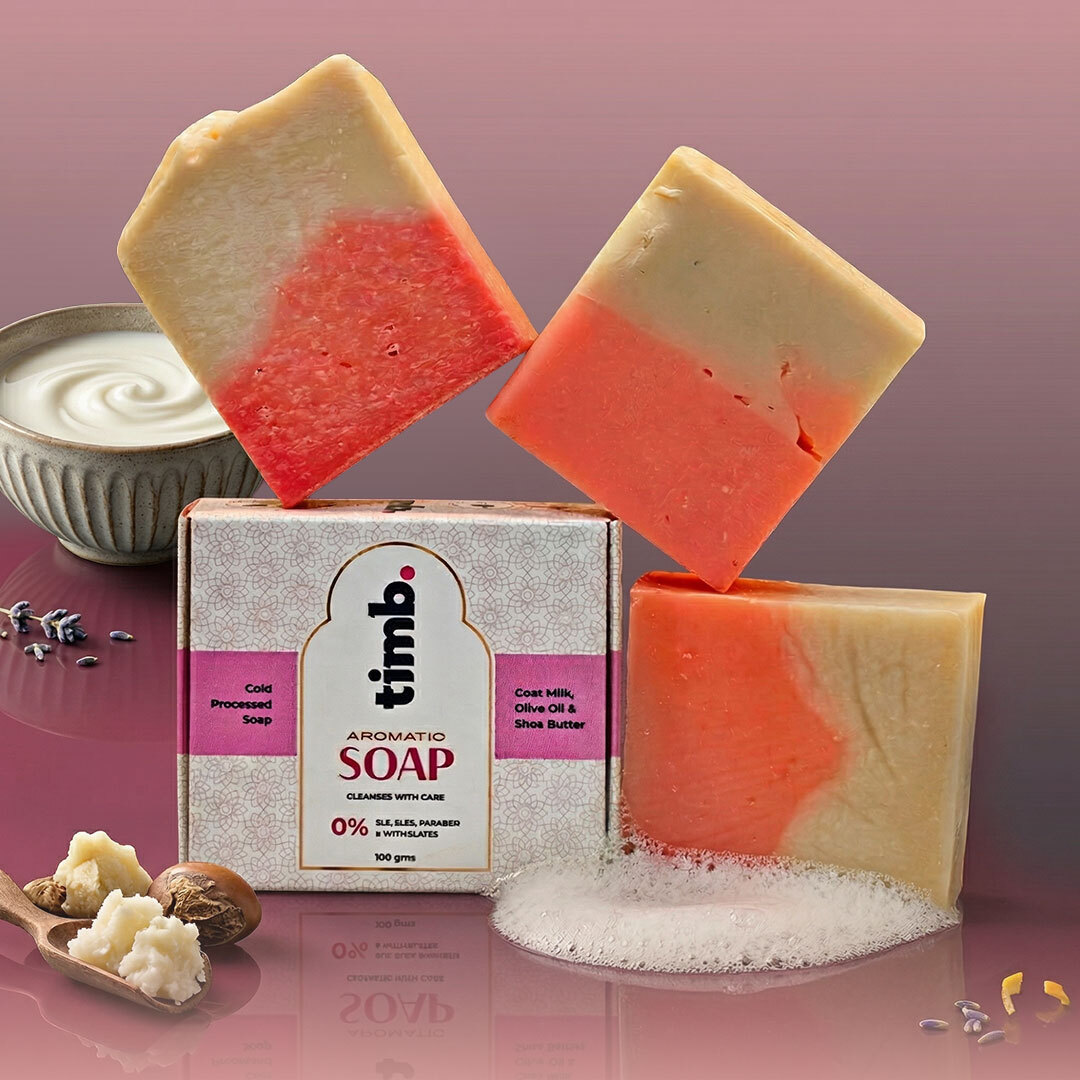
Rated 4.31 out of 5₹758.00Original price was: ₹758.00.₹659.00Current price is: ₹659.00.MRP (incl. of all taxes) Add to cartAromatic: Goat Milk Bath Soap Bar | Handmade Cold Processed Bathing Soap | With Shea Butter & Coconut Oil | 100g (Pack of 3)
Rated 4.29 out of 5₹1,137.00Original price was: ₹1,137.00.₹949.00Current price is: ₹949.00.MRP (incl. of all taxes) Add to cartCalendula, Avocado, Cocoa, Saffron Body Butter with Shea | Dry Skin | Men & Women | All Seasons | 50gm Each
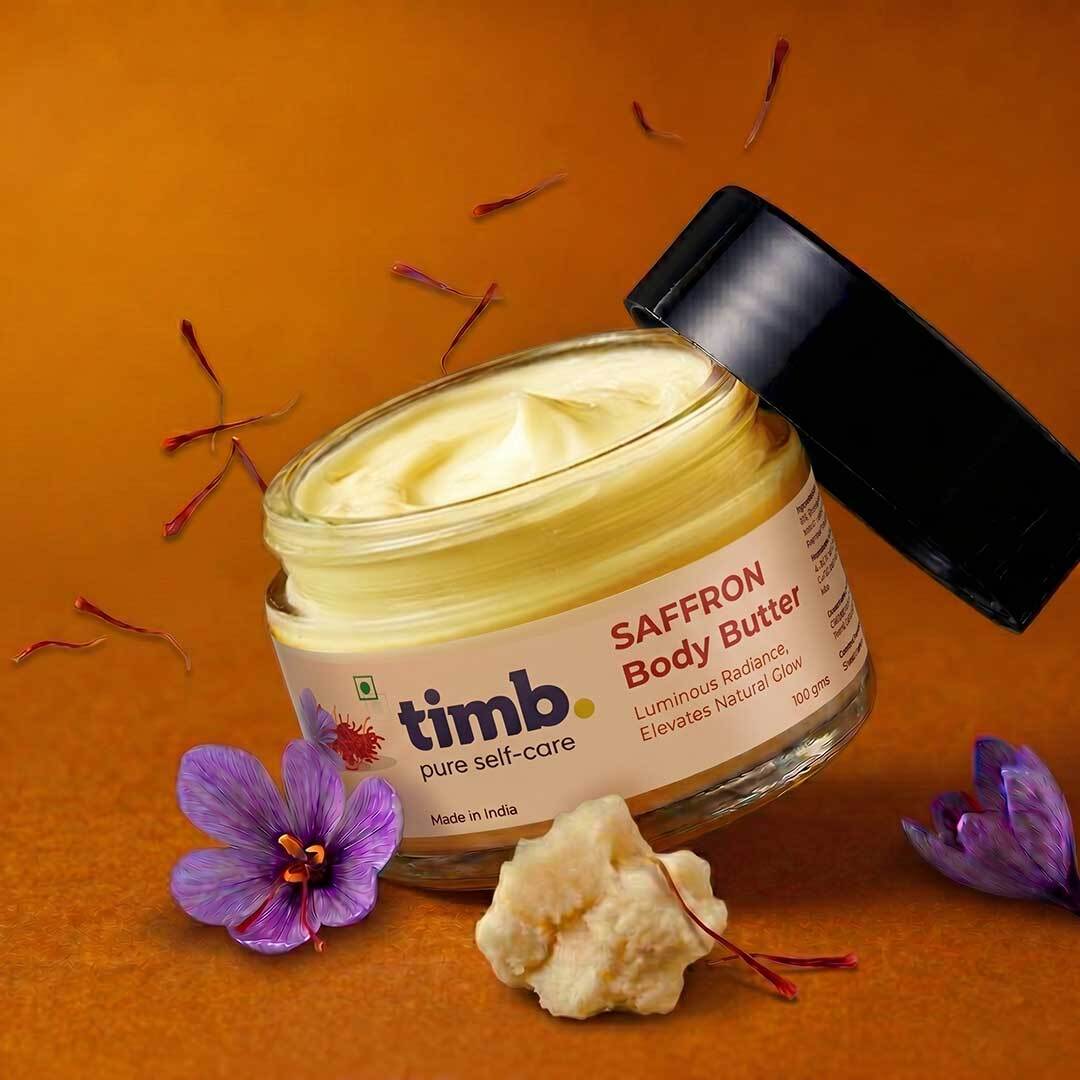
Rated 4.52 out of 5₹1,516.00Original price was: ₹1,516.00.₹1,349.00Current price is: ₹1,349.00.MRP (incl. of all taxes) Add to cartSaffron Body Butter with Shea | Aromatic Glow | Skin Moisturizer | Unisex | All Seasons | 100gm
Rated 4.50 out of 5₹649.00Original price was: ₹649.00.₹589.00Current price is: ₹589.00.MRP (incl. of all taxes) Add to cart