
Key takeaways
- Protect your lips daily with an SPF lip balm, as sun exposure is one of the leading causes of dark lips.
- Stay hydrated, avoid smoking, and resist licking or biting your lips to prevent unnecessary pigmentation.
- Choose gentle, nourishing skin treatment products and avoid expired or harsh lip cosmetics.
- Eat a balanced diet rich in iron and vitamins B12 and C to support naturally healthy-looking lips.
- If pigmented lips persist despite good lip care, consult a dermatologist to identify and treat the underlying cause.
Introduction
Have you noticed your lips looking duller or darker than they used to, even though you haven’t changed your lipstick brand? You’re not imagining it. Dark lips causes range from sun exposure to everyday habits you probably don’t think twice about, and pigmented lips are one of the most common yet most overlooked skincare concerns people bring up with dermatologists. The good news is that in most cases, this darkening isn’t permanent. Once you understand what’s triggering it, you can reverse it with a few simple changes to your routine.
In this blog, we’ll talk about the ten everyday habits quietly darkening your lips, what dermatologists have to say about it, and exactly which products and techniques can help restore your natural lip tone.
Understanding the Problem: Why Lips Darken
Lip skin is thinner and more delicate than the skin anywhere else on your body. It has fewer layers, less melanin protection in some areas, and almost no oil glands, which means it dries out faster and shows damage sooner. When lips are repeatedly irritated, dehydrated, or exposed to triggers like sun and friction, the skin responds the same way it would anywhere else: it produces more melanin as a defence mechanism. That extra melanin is what shows up as darker, patchier, or uneven-toned lips.
A common misconception is that dark lips are purely genetic or a sign of poor hygiene. In reality, genetics play a role in your baseline lip colour, but most day-to-day darkening is caused by external factors and habits that are entirely within your control. Another myth worth clearing up: dark lips aren’t always linked to smoking. While smoking is a well-documented contributor, plenty of non-smokers develop pigmented lips purely from sun exposure, dehydration, or harsh products.
Signs that your lips are being affected include a greyish or brownish tint at the centre or edges, patchiness that wasn’t there before, persistent dryness or flaking, and lipstick that seems to “grab” onto uneven patches instead of applying smoothly.
The 10 Habits That Are Darkening Your Lips
- Skipping Sunscreen on Your Lips
Most people apply sunscreen to their face and completely forget their lips. UV rays trigger melanin production in lip skin just as they do elsewhere, making unprotected sun exposure one of the leading causes of dark lips over time.
- Licking Your Lips Frequently
It feels like it soothes dryness, but saliva actually evaporates quickly and pulls moisture out of the lips, leaving them drier and more prone to pigmentation and cracking than before.
- Using Harsh or Expired Lip Products
Old lipsticks, mattes with heavy pigment load, or products packed with synthetic dyes and fragrances can irritate delicate lip tissue, leading to a condition dermatologists sometimes call “lipstick dermatitis,” which often leaves behind dark patches.
- Smoking
Nicotine restricts blood flow to the lips and triggers excess melanin production, which is why smokers frequently develop a distinct greyish-brown pigmentation around the mouth.
- Dehydration
When your body is short on water, your lips are usually the first place it shows. Chronic dehydration leads to dryness, flaking, and repeated micro-damage that darkens the skin over time.
- Not Exfoliating Dead Skin
Dead skin cells build up on the lips just like anywhere else. Without gentle removal, this buildup creates a dull, uneven, and darker appearance.
- Consuming Excess Caffeine
Coffee and tea are mildly dehydrating and can stain the lips over time with repeated exposure, especially when combined with dry, cracked skin that absorbs pigment more easily.
- Using Harsh Toothpaste or Whitening Products
Some toothpaste formulas and teeth-whitening products contain strong chemicals that irritate the surrounding lip skin, contributing to darkening near the edges of the mouth.
- Rubbing or Biting Your Lips
Habitual biting, picking, or rubbing causes friction and micro-trauma, prompting the skin to overproduce melanin as a protective response, which is the same reason repeated friction darkens skin on elbows and knees.
10. Ignoring Allergic Reactions
Persistent irritation from allergens in lip balms, food, or metal, like lipstick tubes, can cause low-grade inflammation that, left untreated, leads to long-term pigmentation.
What Experts Say
Dermatologists consistently point to a mix of UV exposure, dehydration, and repeated friction as the biggest drivers behind pigmented lips. Because lip skin lacks melanin’s usual protective distribution and has no oil glands, it’s inherently more vulnerable to environmental stress than facial skin, which is why specialists recommend treating lip care as seriously as facial skin care. According to Dr. Sharad, “Dark lips are commonly caused by repeated lip licking, smoking, sun exposure, and allergic reactions to lip products. Prevention starts with identifying the trigger, protecting the lips from UV exposure, and maintaining proper hydration.”
Let’s have a look at a conversation many people have with their dermatologist:
Kalpana: “My lips have gotten so much darker over the last year. I don’t smoke, so I don’t understand why.”
Dr. Shinde: “It’s rarely just one cause. Are you using SPF on your lips? Do you drink enough water? Do you find yourself biting or licking them when you’re stressed?”
Kalpana: “I never use SPF on my lips, and I definitely lick them a lot when I’m anxious.”
Dr. Shinde: “That combination alone explains most of it. Lips need the same protection and hydration as your skin, as they’re just thinner and more reactive.”
This kind of layered cause is typical. Research on skin pigmentation shows that inflammation of any kind, from sun damage to repeated friction, can trigger post-inflammatory hyperpigmentation, a process where the skin darkens in response to irritation rather than injury alone. This explains why habits that seem harmless, like frequent lip-licking or using a rough lip scrub too aggressively, can have a cumulative pigmenting effect over months.
Suggestions & Recommendations
When choosing skin treatment products for your lips, look for gentle, targeted formulations rather than harsh whitening treatments, which can sometimes worsen irritation and pigmentation.
Ingredients that help:
- Vitamin C: supports an even tone and helps fade existing dark patches
- Vitamin E: nourishes and repairs the thin lip barrier
- Shea butter and cocoa butter: deeply hydrate without clogging or irritating
- Niacinamide: calms inflammation and helps regulate melanin production
- SPF 30 or higher: prevents new pigmentation from UV exposure
Ingredients to avoid:
- Synthetic fragrances and dyes, which are common irritants
- Menthol, camphor, or eucalyptus in high concentrations, which can dry lips out further
- Phenol and salicylic acid in lip products, which can be too harsh for daily use
- Alcohol-based lip stains are used frequently, since they strip natural moisture
Increasingly, people are turning to natural cosmetic products for lip care specifically because they tend to skip these harsh additives. Look for labels that list plant oils, butters, and antioxidants near the top of the ingredient list, and patch-test any new product for a few days before applying it daily.
Building an effective lip care routine doesn’t need to be complicated: cleanse gently, exfoliate once or twice a week, moisturize daily, and apply SPF every morning, just as you would with your facial skin care routine.
Solutions & Pro Tips
Daily habits that make a real difference:
- Apply a hydrating lip balm with SPF every morning, and reapply after eating or drinking
- Keep a bottle of water nearby and sip consistently throughout the day, rather than in large amounts occasionally
- Swap out any lip product older than 12 months, since preservatives break down and the risk goes up
Application techniques:
- Exfoliate with a soft, damp cloth or a mild sugar-based scrub, using light circular motions rather than scrubbing hard
- Apply lip treatments at night, when the skin repairs itself most actively, using a slightly thicker balm before bed
- Massage a drop of vitamin E oil into lips for a minute before sleeping to boost circulation and repair
Best times to use products:
- SPF lip balm: every morning, regardless of season
- Exfoliation: once or twice weekly, never daily, since over-exfoliating irritates lips further
- Overnight repair balm: nightly, especially after sun exposure or dry weather
Tips for maximizing results:
- Be patient. Lip pigmentation typically takes six to eight weeks of consistent care to noticeably improve, since skin cell turnover on the lips follows a similar cycle to the rest of the face
- Avoid combining multiple active ingredients like vitamin C serums and exfoliating acids on lips at once, since this can cause irritation that undoes your progress
- Notice your stress-related habits, like biting or licking, since addressing the behaviour often matters more than any product
Conclusion
Dark lips rarely develop overnight. More often than not, they’re the result of everyday habits repeated over months or even years. From skipping sun protection and smoking to dehydration, poor nutrition, and harsh lip products, understanding the real causes of dark lips empowers you to make better choices for your lip health.
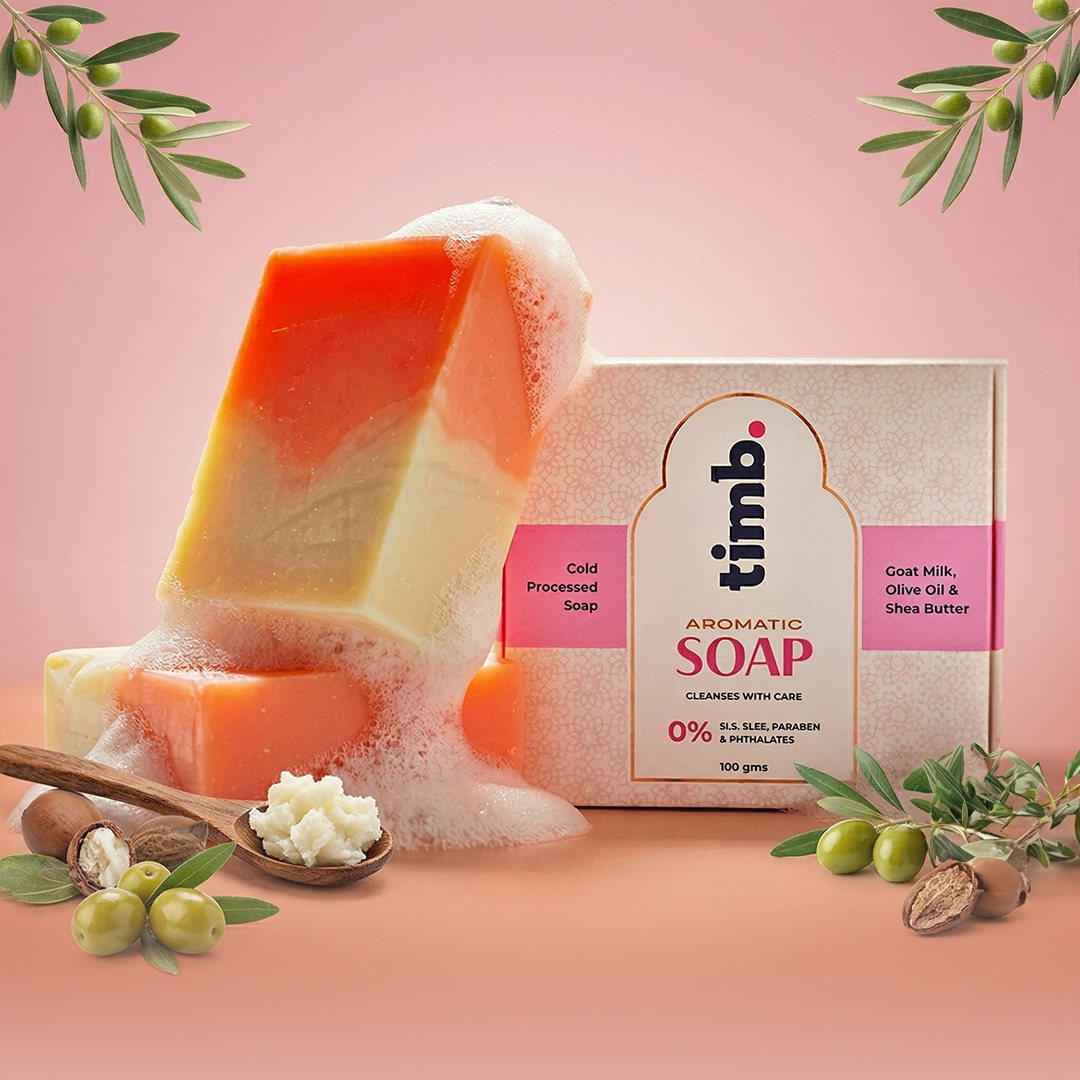
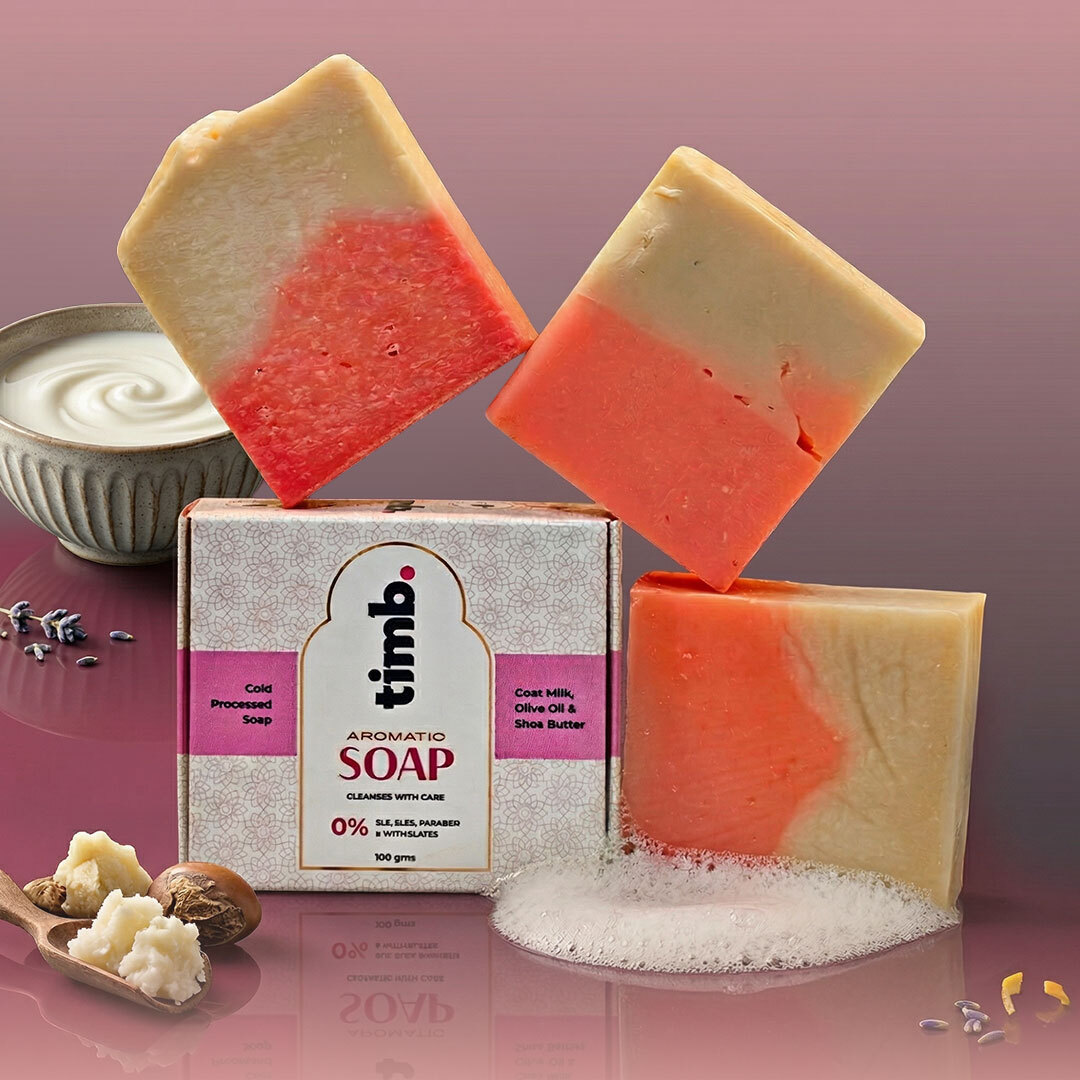
The encouraging news is that many of these habits are completely reversible. By protecting your lips from the sun, staying hydrated, eating a balanced diet, and choosing high-quality skin treatment products like Timb, you can support healthier, softer, and more even-looking lips over time. Start with one small habit today, and your lips will thank you tomorrow.
FAQ's
The most common causes of dark lips include excessive sun exposure, smoking, dehydration, lip licking, harsh cosmetics, and nutritional deficiencies. Identifying the cause is the first step towards healthier-looking lips.
Choose skin treatment products or lip care products that contain ingredients like shea butter, cocoa butter, Vitamin E, ceramides, and SPF. Avoid products with excessive alcohol, artificial fragrances, or harsh chemicals.
If pigmented lips appear suddenly, worsen over time, or don’t improve despite good lip care, consult a dermatologist. Persistent pigmentation may be linked to allergies, medications, or an underlying medical condition.
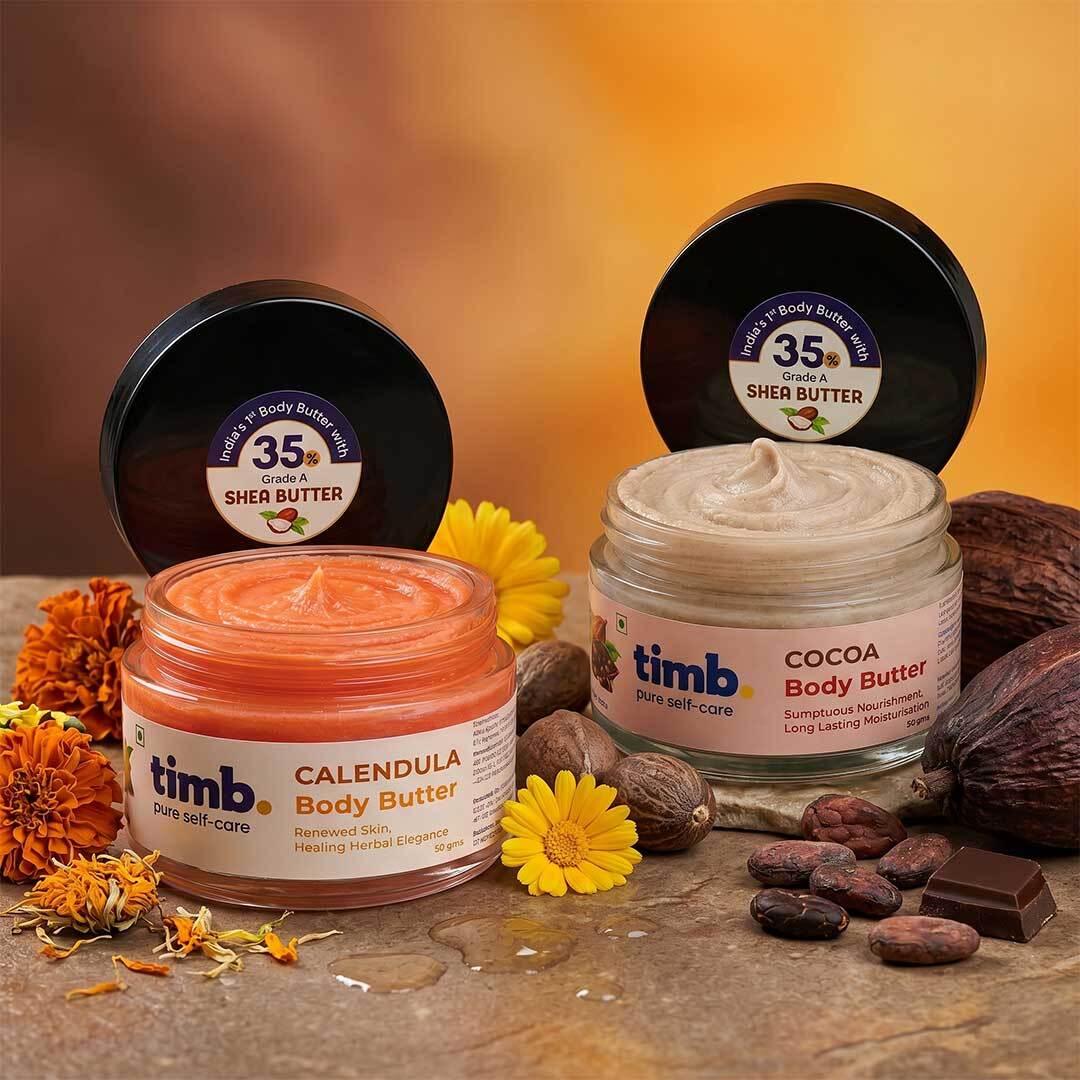
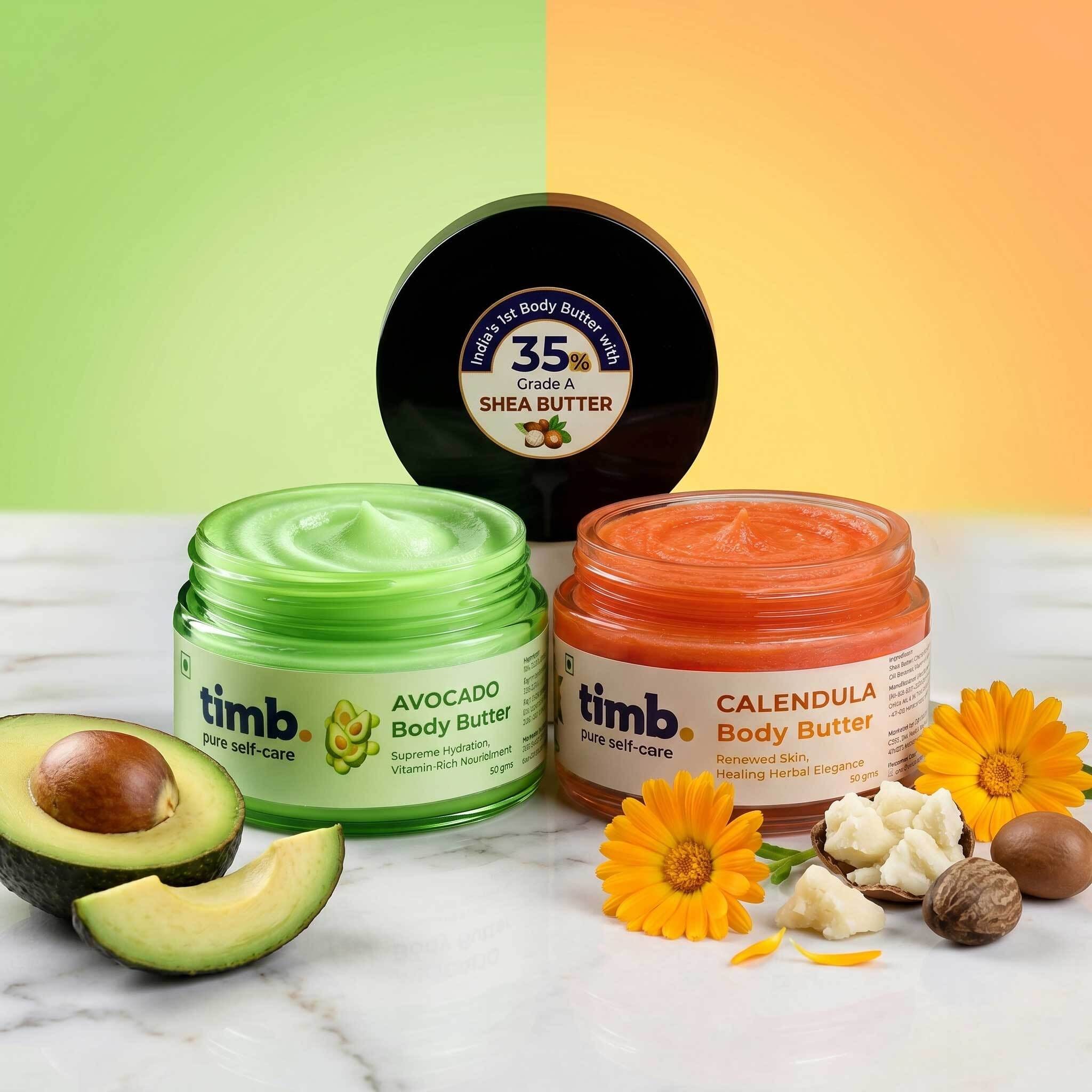
Calendula & Cocoa Body Duo with 35% Grade A Shea Butter | Deep Moisture | 50gm Each
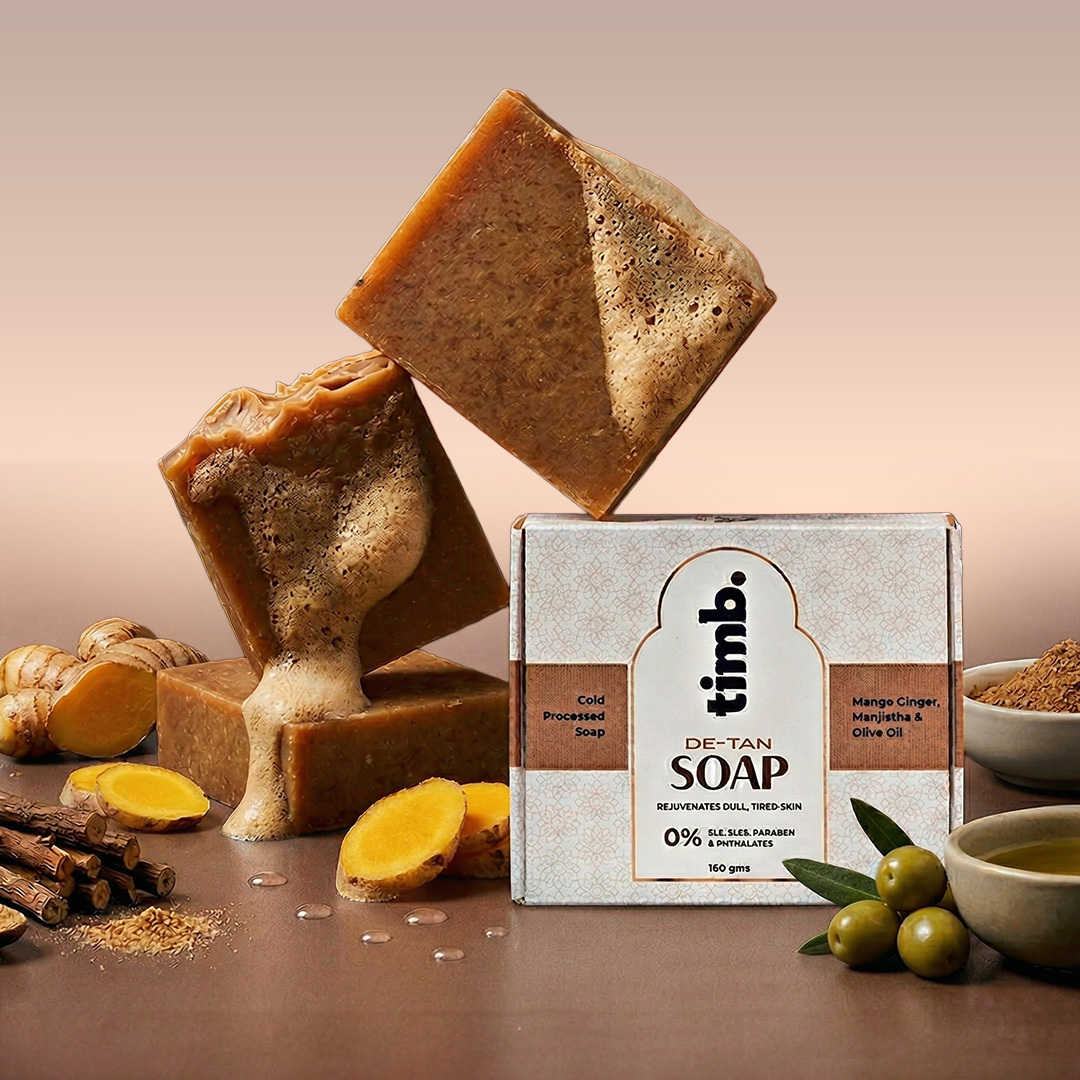
Rated 5.00 out of 5₹758.00Original price was: ₹758.00.₹679.00Current price is: ₹679.00.MRP (incl. of all taxes) Add to cartDeTan: Tan Removal Bath Soap Bar | Handmade Cold Processed Skin Brightening Bathing Soap | 100% Chemical Free | 100g (Pack of 3)
Rated 4.31 out of 5₹1,137.00Original price was: ₹1,137.00.₹949.00Current price is: ₹949.00.MRP (incl. of all taxes) Add to cartAbhyangam Ubtan Powder | Natural Face & Body Brightening Mask | 75gms
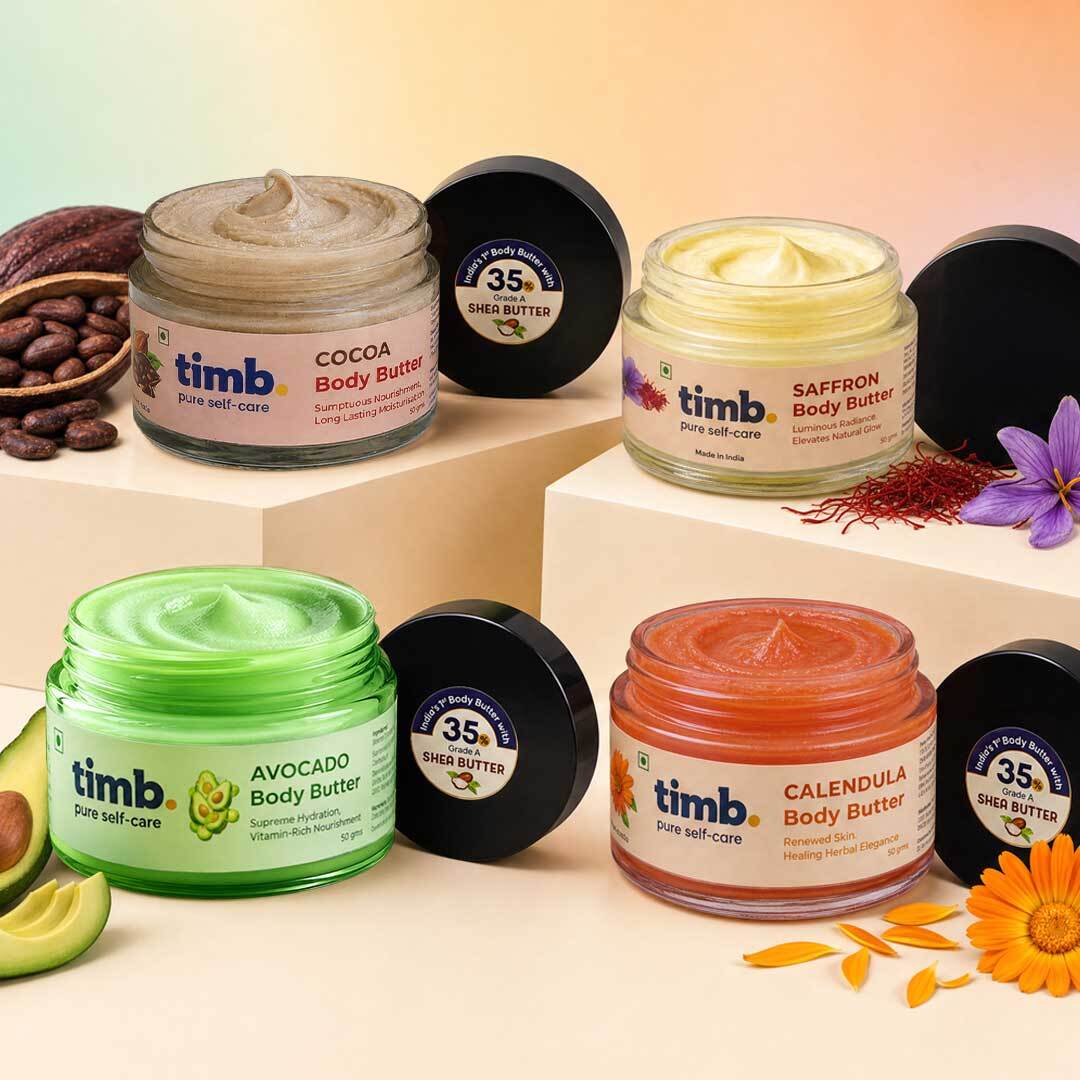
Rated 4.53 out of 5₹199.00Original price was: ₹199.00.₹179.00Current price is: ₹179.00.MRP (incl. of all taxes) Add to cartCalendula, Avocado, Cocoa, Saffron Body Butter with Shea | Dry Skin | Men & Women | All Seasons | 50gm Each
Rated 4.52 out of 5₹1,516.00Original price was: ₹1,516.00.₹1,349.00Current price is: ₹1,349.00.MRP (incl. of all taxes) Add to cart