
Key Takeaways
- Dry lips are usually caused by multiple factors rather than a lack of lip balm.
- Understanding the dry lips causes helps you choose the right treatment instead of repeatedly changing products.
- If your lip balm not working becomes a regular concern, check the ingredient list and your daily habits.
- Ingredients like shea butter, cocoa butter, beeswax, ceramides, vitamin E, and hyaluronic acid help repair the skin barrier and provide long-lasting hydration.
- Drinking enough water is just as important as applying lip balm.
- Avoid licking your lips, over-exfoliating, and using irritating ingredients.
- Daily sun protection is essential because lips are highly vulnerable to UV damage.
- A simple, consistent lip care routine is more effective than applying lip balm dozens of times a day.
Introduction
Have you ever applied lip balm several times a day, only to find your lips becoming dry again within a few hours? If so, you’re not alone. Many people struggle with persistent dry, cracked, or peeling lips despite using lip balm regularly. This often leads to frustration and questions like, “Why are my lips still dry?” or “Is my lip balm not working?”
Dry lips are one of the most common skincare concerns, affecting people of all ages throughout the year. While cold weather is often blamed, the truth is that dry lips causes can range from dehydration and environmental factors to certain ingredients in lip care products and even underlying health conditions. Sometimes, the very lip balm you rely on may not be addressing the root cause of the problem.
Unlike the skin on the rest of your body, the lips have a much thinner protective barrier and contain very few oil glands. This makes them highly vulnerable to moisture loss, harsh weather, sun exposure, and everyday habits such as lip licking or breathing through the mouth. As a result, simply applying lip balm may not be enough if you’re not treating the actual reason behind the dryness.
Another common misconception is that all lip balms work the same way. In reality, different formulas serve different purposes. Some provide temporary relief, while others deeply nourish and repair the skin barrier. If you’ve ever felt that your lip balm not working is becoming a daily problem, the issue may lie in the ingredients, your application habits, or other lifestyle factors rather than the product itself.
Understanding what causes dry lips is the first step toward healthier, softer lips. Once you know the underlying reasons, you can choose products that truly support hydration instead of offering only short-term comfort.
In this article, we’ll explore the most common dry lips causes, explain why your lip balm not working could be a sign of a deeper issue, discuss expert recommendations, and share practical tips to help you restore soft, healthy lips naturally.
Interesting Fact
Did you know?
Your lips are among the most delicate parts of your body. They have only three to five layers of skin, while the skin on most parts of your body has up to sixteen layers. This makes lips much more susceptible to dryness, cracking, and moisture loss.
This raises an important question:
If lip balm is designed to moisturize your lips, why do they keep becoming dry?
Let’s find out.
Understanding the Problem
Many people assume that applying lip balm several times a day should completely solve dry lips. However, when dryness keeps returning, it usually means the underlying cause hasn’t been addressed.
What Causes Dry Lips?
Understanding the most common dry lips causes can help you identify why your lips remain dry despite regular care.
- Dehydration
One of the biggest reasons behind dry lips is simply not drinking enough water. When your body lacks adequate hydration, your lips often become one of the first places to show signs of dryness.
Common signs include:
- Tight lips
- Peeling skin
- Small cracks
- Constant urge to apply lip balm
Staying hydrated throughout the day helps maintain moisture levels from within.
- Weather Conditions
Environmental changes significantly affect your lips.
Cold winter air contains less moisture, while indoor heating further dries the air. Similarly, hot summers, strong winds, and excessive sun exposure can strip natural moisture from the lips.
People who spend long hours outdoors often notice their lips becoming dry much faster.
- Lip Licking
Although licking your lips may seem like an instant solution, it actually worsens dryness.
Saliva evaporates quickly and removes the lips’ natural moisture barrier. Continuous lip licking creates a cycle where the lips feel dry, prompting even more licking.
This habit is among the most overlooked dry lips causes.
- Allergic Reactions
Sometimes the problem isn’t your lips—it’s the product you’re using.
Certain lip balms contain ingredients that may irritate sensitive skin, including:
- Artificial fragrances
- Menthol
- Camphor
- Phenol
- Synthetic flavors
- Preservatives
If your lips sting, burn, or become red after applying a product, your lip balm not working could actually be due to an allergic reaction.
- Nutritional Deficiencies
Deficiencies in essential nutrients such as:
- Vitamin B Complex
- Iron
- Zinc
may contribute to dry, cracked lips, especially around the corners of the mouth.
A balanced diet rich in fruits, vegetables, whole grains, and proteins supports healthy skin, including your lips.
Most people remember sunscreen for their face but forget their lips.
The lips have very little melanin, making them highly vulnerable to UV damage.
Prolonged sun exposure can cause:
- Dryness
- Peeling
- Sunburn
- Premature ageing
Lip balms containing SPF help provide additional protection.
- Certain Medications
Some medications naturally reduce moisture levels in the body.
Examples include:
- Acne medications
- Allergy medicines
- Certain blood pressure medicines
- Vitamin A derivatives
If dry lips started after beginning a new medication, consult your healthcare provider.
- Mouth Breathing
Breathing through your mouth while sleeping continuously exposes your lips to moving air, causing overnight moisture loss.
People with:
- Nasal congestion
- Allergies
- Sleep apnea
often wake up with noticeably dry lips.
Common Misconceptions
Many myths surround lip care.
Myth 1: Lip balm is addictive.
Reality: Most lip balms aren’t addictive. However, products containing irritating ingredients may create temporary relief followed by renewed dryness, making you feel like you need more.
Myth 2: More lip balm means healthier lips.
Reality: Applying excessive amounts throughout the day won’t solve dryness if the underlying cause remains untreated.
Myth 3: Dry lips only happen during winter.
Reality: Heat, air conditioning, pollution, dehydration, and sun exposure can dry out lips all year round.
Myth 4: Natural ingredients are always safe.
Reality: Even natural ingredients like peppermint or citrus oils may irritate sensitive lips.
Always patch-test new products.
Signs Your Lip Balm May Not Be Working
If you experience any of these symptoms regularly, it may indicate that your lip balm is not working due to an unsuitable formula or an untreated underlying issue.
- Lips become dry within an hour of application
- Constant peeling
- Cracks that don’t heal
- Burning sensation
- Redness around the lips
- Needing to reapply lip balm every 20–30 minutes
- Bleeding during cold weather
- Lips feel tight immediately after the balm wears off
Why Does Lip Balm Sometimes Stop Working?
Not every lip balm is designed to repair damaged lips.
Some products mainly create a protective coating without delivering long-lasting hydration.
Others contain ingredients that provide a cooling or tingling sensation, making users believe they’re working when they may actually increase irritation over time.
Choosing a lip balm with nourishing ingredients such as:
- Shea Butter
- Cocoa Butter
- Beeswax
- Vitamin E
- Coconut Oil
- Jojoba Oil
- Ceramides
Can help restore the natural moisture barrier instead of simply masking dryness.
Who Is This For? (Lifestyle & User Persona)
Persistent dry lips can affect almost anyone, but certain lifestyles increase the risk significantly.
This guide is especially helpful for:
Busy Professionals
People working long hours in air-conditioned offices often experience dehydration and moisture loss without realizing it.
Students
Late-night study sessions, insufficient water intake, and irregular eating habits commonly contribute to dry lips.
Outdoor Workers
Construction workers, delivery personnel, athletes, and travelers are frequently exposed to harsh sunlight, wind, and pollution.
Fitness Enthusiasts
Frequent workouts, sweating, and dehydration can leave lips feeling dry unless fluids are replenished properly.
People Living in Cold or Dry Climates
Winter weather and indoor heating reduce humidity, making lips crack more easily.
Individuals Looking for Natural Lip Care
People seeking chemical-free skincare often prefer nourishing ingredients like shea butter, cocoa butter, beeswax, almond oil, and natural botanical oils to keep their lips soft and healthy.
What Experts Say
- Dr. Shetty
According to Dr.shetty- healthy lips depend on maintaining a strong skin barrier. She advises using lip balms with moisturizing ingredients, drinking enough water, and avoiding habits like lip licking, which can worsen dryness and irritation.
- Dr. Sethi
According to Dr. Sethi- lip care should focus on repairing and protecting the skin barrier rather than simply adding a temporary layer of moisture. She recommends choosing products with nourishing ingredients and protecting the lips from sun exposure to prevent chronic dryness.
- Dr. Bhardwaj
According to Dr. Bhardwaj – environmental factors such as harsh weather, pollution, and dehydration can weaken the lips’ natural protective barrier. She recommends using fragrance-free lip balms, staying hydrated, and avoiding irritants to keep lips healthy.
Scientific Evidence Behind Dry Lips
Studies have shown that the skin barrier plays a crucial role in preventing water loss.
When this barrier becomes damaged due to weather, dehydration, harsh skincare products, or repeated irritation, moisture escapes much faster. This process is known as Transepidermal Water Loss (TEWL).
A damaged skin barrier often results in:
- Dryness
- Flaking
- Tightness
- Cracking
- Increased sensitivity
Rather than simply coating the lips, modern lip care focuses on restoring this protective barrier using moisturizing and barrier-repair ingredients.
Suggestions & Recommendations
Choosing the right lip care products can make a significant difference.
Instead of selecting products based only on packaging or fragrance, pay attention to the ingredient list.
What to Look For
Look for lip balms that contain:
Provides deep nourishment and helps restore the skin barrier.
✔ Cocoa butter
Forms a protective layer that locks in moisture and keeps lips soft for longer.
✔ Beeswax
Acts as a natural protective barrier against wind and cold weather.
✔ Vitamin E
Helps protect lips from environmental damage while supporting skin repair.
Rich in fatty acids that soften dry lips.
Ingredients to Avoid
If you’re struggling with persistent dryness, avoid products containing:
- Excess artificial fragrance
- Menthol
- Camphor
- Phenol
- Alcohol-based formulas
- Excessive peppermint oil
- Synthetic dyes (if you’re sensitive)
- Cinnamon oil
These ingredients may worsen irritation instead of improving hydration.
Solutions & Pro Tips
Pro Tip 1: Drink Enough Water
Many dry lips causesbegin with dehydration.
Aim for adequate daily water intake according to your body’s needs.
Pro Tip 2: Stop Licking Your Lips
Although it feels helpful initially, saliva evaporates quickly and leaves lips even drier.
Replacing this habit with lip balm provides better long-term results.
Pro Tip 3: Protect Your Lips From the Sun
Use lip balms with SPF 30 or higher whenever spending time outdoors.
Sun damage contributes significantly to dryness and premature ageing.
Pro Tip 4: Use Gentle Exfoliation
Exfoliate only once a week.
A soft damp washcloth is often enough to remove loose flakes without damaging healthy skin.
Avoid harsh sugar scrubs if your lips are already cracked.
Pro Tip 5: Use a Humidifier
Indoor heating and air conditioning remove moisture from the air.
A humidifier helps maintain humidity levels and reduces moisture loss from both your skin and lips.
Pro Tip 6: Avoid Picking Dry Skin
Peeling away flakes may seem satisfying but can delay healing and increase the risk of bleeding or infection.
Allow damaged skin to heal naturally while keeping it moisturized.
Pro Tip 7: Eat a Balanced Diet
A healthy diet rich in vitamins, healthy fats, fruits, vegetables, and proteins supports healthy skin from within.
Pro Tip 8: Apply Lip Balm Before Sleeping
Nighttime application is often the most effective because the product remains on the lips for several hours without being removed by eating or drinking.
Common Mistakes to Avoid
Many people unknowingly make these mistakes:
- Applying lip balm only after lips become painfully dry.
- Using strongly scented products.
- Licking lips repeatedly.
- Not drinking enough water.
- Skipping SPF.
- Using expired lip balm.
- Over-exfoliating.
- Ignoring allergies to ingredients.
- Breathing through the mouth whenever possible.
- Assuming every lip balm suits every skin type.
Avoiding these mistakes often improves lip health more than changing products repeatedly.
Conclusion
Dry lips can be frustrating, especially when you’re applying lip balm regularly but seeing little improvement. However, healthy lips require more than frequent applications—they require understanding the underlying causes of dryness and choosing products that genuinely support the skin’s natural barrier.
If you’ve been wondering why your lip balm not working, the answer may lie in your daily habits, your environment, or the ingredients in the product you’re using. Factors such as dehydration, harsh weather, excessive sun exposure, lip licking, irritating ingredients, and nutritional deficiencies all contribute to recurring dryness.
The good news is that most cases of dry lips can be managed with a few simple changes. Staying hydrated, protecting your lips from the sun, avoiding harsh ingredients, and using a nourishing lip balm enriched with shea butter, cocoa butter, ceramides, and vitamin E can make a significant difference over time.
Remember, healthy lips are the result of consistent care rather than quick fixes. By identifying the real causes of dry lips and building a simple daily routine, you can restore your lips’ natural softness, prevent recurring dryness, and enjoy comfortable, healthy lips in every season.
Whether you’ve struggled with dry lips for years or have recently noticed your lip balm not working, the right combination of hydration, protection, and high-quality ingredients can help you achieve long-lasting results. Consistency is the key, small daily habits often lead to the biggest improvements.
Ready to switch to nature-powered self-care? Explore Timb’s range of natural, chemical-free hair and skincare products and embrace healthier beauty, every day.
FAQ's
If your lips remain dry, the issue may not be the lip balm itself. Common dry lips causes include dehydration, harsh weather, lip licking, sun exposure, irritating ingredients, nutritional deficiencies, or an impaired skin barrier. Choosing a nourishing lip balm and addressing these underlying causes usually provides better results.
If your lip balm not working has become a recurring issue, it may contain ingredients that only provide temporary relief instead of repairing the lips. Products with shea butter, cocoa butter, ceramides, beeswax, and vitamin E generally offer longer-lasting hydration.
Apply lip balm whenever your lips feel dry, after meals, before going outdoors, and before bedtime. There’s no fixed number of applications, but frequent reapplication may indicate that the underlying cause of dryness needs attention.
Some of the most effective ingredients include:
- Shea Butter
- Cocoa Butter
- Beeswax
- Vitamin E
- Ceramides
- Hyaluronic Acid
- Coconut Oil
- Jojoba Oil
These ingredients help moisturize, protect, and strengthen the lip barrier.
Yes. Dehydration is one of the most common causes of dry lips. Drinking adequate water throughout the day supports healthy skin and helps reduce dryness from within.
Yes. Although licking your lips may provide temporary relief, saliva evaporates quickly and removes natural moisture, making your lips even drier over time.
Absolutely. The lips are highly sensitive to ultraviolet (UV) rays and have very little natural protection. A lip balm containing SPF 30 or higher helps prevent sunburn, dryness, and premature ageing.
Protein Shampoo for Healthy Hair, Scalp Nourishment | Long & Thick Hair | 100ml
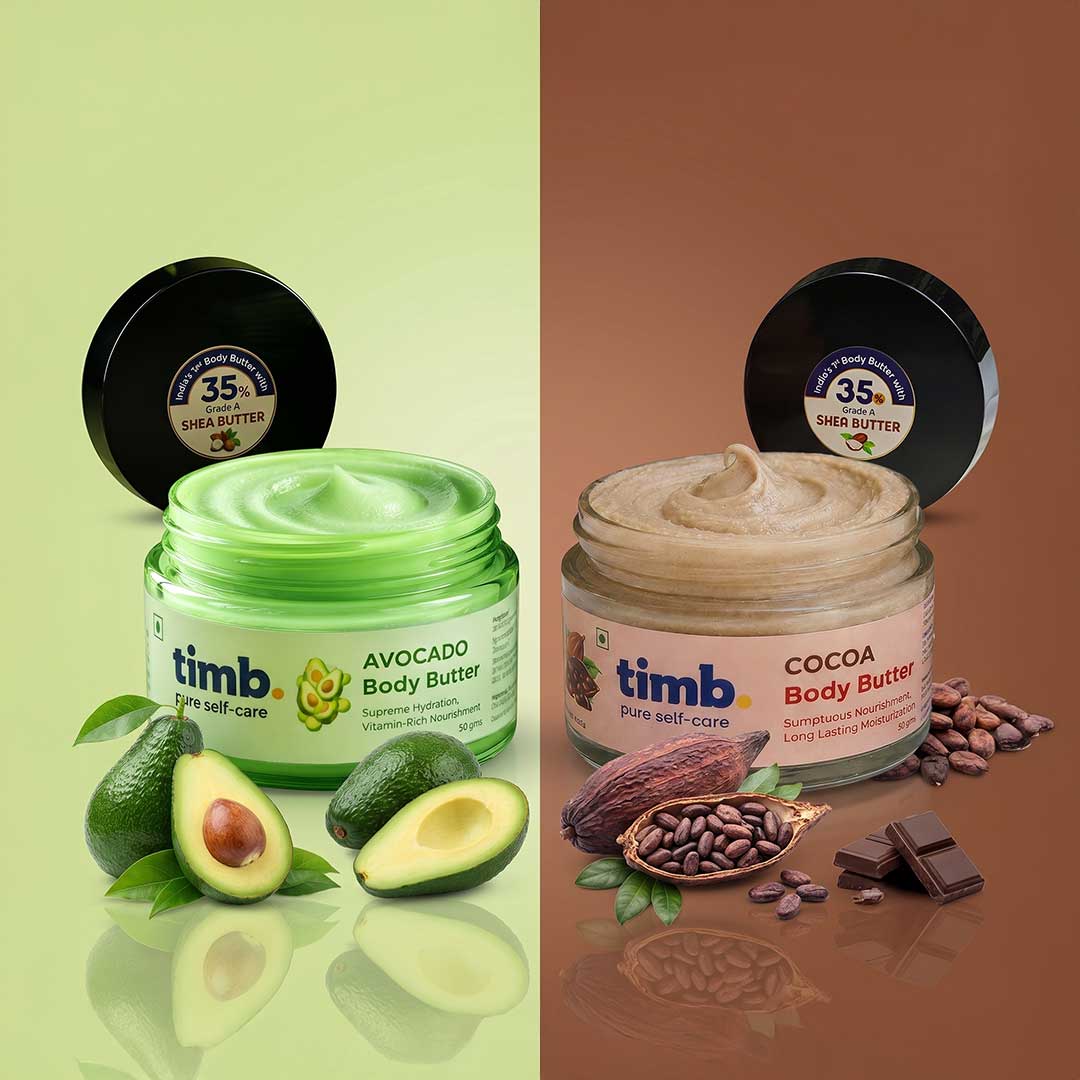
Rated 4.64 out of 5₹399.00Original price was: ₹399.00.₹359.00Current price is: ₹359.00.MRP (incl. of all taxes) Add to cartAvocado & Cocoa Body Butter Duo with 35% Grade A Shea Butter | Deep Moisture | 50gm Each
Rated 4.00 out of 5₹758.00Original price was: ₹758.00.₹679.00Current price is: ₹679.00.MRP (incl. of all taxes) Add to cartDe-tan & Aromatic Bath Soap Combo | Handmade Cold Processed | Brightens | 100gms
Rated 4.59 out of 5₹758.00Original price was: ₹758.00.₹659.00Current price is: ₹659.00.MRP (incl. of all taxes) Add to cartAbhyangam Ubtan Powder | Natural Face & Body Brightening Mask | 75gms
Rated 4.53 out of 5₹199.00Original price was: ₹199.00.₹179.00Current price is: ₹179.00.MRP (incl. of all taxes) Add to cart