

Key takeaways
- Lips have no oil glands, making them naturally more prone to dryness than the rest of your skin.
- Frequent, thin applications beat occasional heavy ones. Aim to reapply lip balm every 2-3 hours.
- Not all lip balms help; ingredients like menthol, camphor, and strong fragrances often dry lips out further instead of healing them.
- Look for hydrating, barrier-repairing ingredients in lip balm, such as shea butter, ceramides, beeswax, and hyaluronic acid.
- Nighttime care matters: applying a thicker, more emollient balm before bed helps repair lips while you sleep.
- Lip care works best alongside good habits: staying hydrated, avoiding lip licking, and using SPF during the day all support long-term results.
Introduction
If your lips feel tight, flaky, or uncomfortable by midday, you’re not alone, and the fix is usually simpler than you think. Knowing how to use lip balm correctly can be the difference between soft, comfortable lips and a constant cycle of dryness and reapplication. Most people reach for a stick of balm only when their lips already hurt, but understanding how to use lip balm as part of a daily routine, rather than an emergency fix, changes everything. In this post, we’ll cover why lips dry out, what dermatologists actually recommend, which ingredients to look for, and exactly how often you should be applying balm for the best results.
Understanding the Problem
Lips don’t have oil glands the way the rest of your skin does, which is exactly why dry lip care is such a common complaint. The skin on your lips is thinner and more delicate, making it far more vulnerable to weather changes, dehydration, and constant licking or biting. Unlike the rest of your face, lips can’t produce their own natural oils to stay protected, so they depend almost entirely on external care to retain moisture. This makes them one of the first areas to show signs of dehydration, sun damage, or seasonal changes, even before other parts of the skin are affected.
What causes it
- Cold, dry, or windy weather that strips moisture from the skin
- Indoor heating or air conditioning, which reduces ambient humidity
- Dehydration from not drinking enough water
- Habitual lip licking, which evaporates moisture faster than it replaces it
- Breathing through the mouth, especially overnight
Common misconceptions
A lot of people believe thicker balm always means better protection, or that any lip product will do the job. In reality, some balms contain ingredients that feel soothing at first but actually dry lips out further over time. Others assume dry lips are just a winter problem, when air conditioning, sun exposure, and dehydration can cause the same issue year-round.
Signs you’re dealing with it:
- Persistent flaking or peeling skin
- A tight, uncomfortable sensation, especially after eating or talking
- Small cracks at the corners of the mouth
- Lips that look dull or feel rough to the touch
- A stinging sensation when eating spicy or acidic foods
- Lips that feel fine in the morning but worsen as the day goes on
It’s worth noting that dry lips can also be seasonal for some people and constant for others, depending on lifestyle and environment. Someone who works in an air-conditioned office all day, for example, may experience the same level of dryness as someone hiking in cold mountain air. Recognizing your personal triggers is the first step toward building a lip care routine that actually works for you, rather than following generic advice that may not address your specific situation.
What Experts Say
Dermatologists generally agree that consistency matters more than quantity when it comes to lip care. Applying a thick layer once a day does far less than applying a thin layer several times throughout the day, since the goal is to maintain a steady moisture barrier rather than flood the skin intermittently.
Dr. Mrunalini, a dermatologist, has observed that many well-known lip balm brands contain ingredients that worsen dryness rather than fix it. Her advice is straightforward. Any sensation of tingling, stinging, or burning after applying a balm means it’s time to stop using it, since that reaction usually signals irritation rather than the product working as intended. She has also explained that antioxidants play a protective role by shielding skin from environmental stressors such as UV exposure and pollution, which is one reason many dermatologist-backed balms now include them alongside standard moisturizing ingredients.
Scientific understanding of skin barrier function supports this: the outer layer of skin, including lips, relies on lipids and humectants to retain water. When that barrier is compromised, moisture escapes faster than it can be replenished, which is why continuous, gentle Lip Care works better than sporadic heavy application.
Ingredients experts recommend
- Beeswax or plant-based waxes, which create a protective seal
- Shea butter, known for its deep moisturizing properties
- Ceramides, which help restore the natural skin barrier
- Hyaluronic acid, which draws moisture into the skin
Mistakes experts commonly warn against
- Licking your lips instead of applying balm
- Using expired or old lip products
- Exfoliating dry lips too aggressively
- Choosing balms with strong fragrances or irritating additives
- Picking at flaky skin, which can tear the delicate tissue underneath and slow healing
- Relying solely on flavoured balms, which often encourage repeated licking rather than discourage it
Many dermatologists also point out that dry lips are frequently treated as a cosmetic annoyance rather than a skin barrier issue, which leads people to reach for quick fixes instead of sustainable habits. Treating your lips the way you’d treat any other sensitive area of skin with gentle, consistent care tends to produce far better long-term results than treating flare ups only when they become painful. This shift in mindset, from reactive to preventive, is often the single biggest change dermatologists recommend to patients struggling with chronically dry lips.
Traditional ingredients like almond oil, ghee, and coconut oil are also commonly suggested alongside modern formulations, since they’ve long been used in Indian households for soothing chapped lips naturally. This blend of traditional and modern Lip Care advice reflects a broader dermatological consensus: protecting the lip barrier matters more than which single product you use.
Suggestions & Recommendations
When shopping for a balm, the label matters more than the packaging. Look for ingredients in lip balm that hydrate and protect rather than ones that simply smell nice or taste good. Flavouring can actually encourage more licking, which worsens dryness.
What to look for
- Occlusive ingredients like beeswax or petrolatum that lock in moisture
- Humectants like glycerine or hyaluronic acid that attract water
- SPF protection if you’ll be outdoors
- Minimal, simple ingredient lists
Ingredients to avoid
- Menthol, camphor, or phenol, which can create a cooling sensation but dry lips out over time
- Salicylic acid in high concentrations, which can be irritating on already cracked skin
- Strong artificial fragrances or flavours
- Alcohol based formulas
Building a simple routine
A good lip care routine doesn’t need to be complicated. Cleanse gently, apply a hydrating balm, and reapply consistently through the day rather than waiting until discomfort sets in. Adding a nourishing overnight balm can also help repair lips while you sleep.
If you want to take things a step further, consider layering a hydrating balm underneath a protective one during the day: the first locks in moisture, while the second shields your lips from wind, cold, or sun. At night, a thicker balm or lip mask gives your skin uninterrupted time to repair itself, since you’re not eating, drinking, or talking while you sleep. Over a few weeks of consistent care, most people notice their lips feel noticeably smoother and require less frequent touch-ups.
Solutions
This is where how to use lip balm effectively really comes into play because application habits matter just as much as the product itself. Getting real, lasting results isn’t about finding one miracle product; it’s about pairing the right formula with the right habits, applied consistently over time. The good news is that once these habits become automatic, keeping your lips soft takes almost no extra effort.
- Practice daily habits
- Keep a balm within reach at your desk, bag, and nightstand, so reapplication is effortless
- Drink enough water throughout the day to support hydration from the inside
- Avoid licking your lips, even when they feel dry
- Application technique
- Apply a thin, even layer rather than a thick glob
- Gently press rather than rub for better absorption
- Reapply every 2-3 hours, or sooner in extreme weather
- Let one layer absorb before applying another if your lips feel especially dry
- Best times to apply
- First thing in the morning, before sun or wind exposure
- Before and after eating or drinking, especially acidic or salty foods
- Right before bed, ideally with a thicker, more emollient formula
- Before heading outdoors in cold, dry, or windy conditions
Pro Tips
Beyond the basics, a few extra habits can make the difference between lips that are just okay and lips that consistently look and feel healthy. These tips are especially useful if you’ve been struggling with persistent dryness despite regular balm use, since they address some of the less obvious contributors to lip health. Shop from stores such as Timb, which avoid harsh chemicals in their products, making them skin-friendly.
Tips for maximizing results
- Exfoliate gently once or twice a week to remove flaky skin before moisturizing
- Choose an SPF balm for daytime use to prevent sun-related dryness
- Switch to a richer formula in winter months or during long flights, which can dehydrate skin quickly
- Avoid constantly switching products, since your lips benefit from consistency
- Store your balm properly, away from direct heat, so the formula doesn’t separate or lose effectiveness
- Pair your lip care routine with a humidifier at home if you live in a particularly dry climate
Quick checklist
- Apply balm first thing in the morning
- Reapply every 2-3 hours
- Use SPF balm during the day
- Apply a richer formula before bed
- Avoid licking your lips
- Drink enough water daily
Conclusion
Dry, uncomfortable lips are rarely about using the wrong product entirely; more often, it comes down to timing, technique, and ingredients. Once you understand how to use lip balm consistently and choose formulas with the right ingredients, keeping your lips soft becomes effortless.
Small, steady habits make the biggest difference here. Reapplying a thin layer every couple of hours, avoiding harsh ingredients, and giving your lips a richer formula overnight all add up over time, turning lip care from a reactive chore into an easy part of your daily routine. Start building that habit today, and you’ll likely notice softer, healthier lips within just a week or two.
FAQ's
Most people benefit from reapplying every 2-3 hours, or more often in cold, dry, or windy conditions. Keeping a balm within easy reach makes it much simpler to stick to this routine consistently.
Not typically, as long as the formula is gentle. Overuse of menthol or exfoliating ingredients, however, can irritate the skin. Sticking to a simple, non-irritating formula lets you reapply as often as needed without worry.
Yes, applying a thicker, more emollient balm before bed helps repair lips while you sleep, since moisture loss continues overnight. This nightly step is especially helpful if you breathe through your mouth while sleeping, which can dry lips out even further.
This is often due to ingredients that create a temporary soothing effect but dry lips out afterward, such as menthol or camphor. Switching to a hydrating, barrier-repairing formula usually helps. If dryness persists after making this switch, it’s worth checking with a dermatologist to rule out an underlying skin condition.
Yes. Hydration supports the skin’s overall moisture balance, making topical Lip Care more effective. Pairing adequate water intake with a good balm often produces better, longer-lasting results than either habit alone
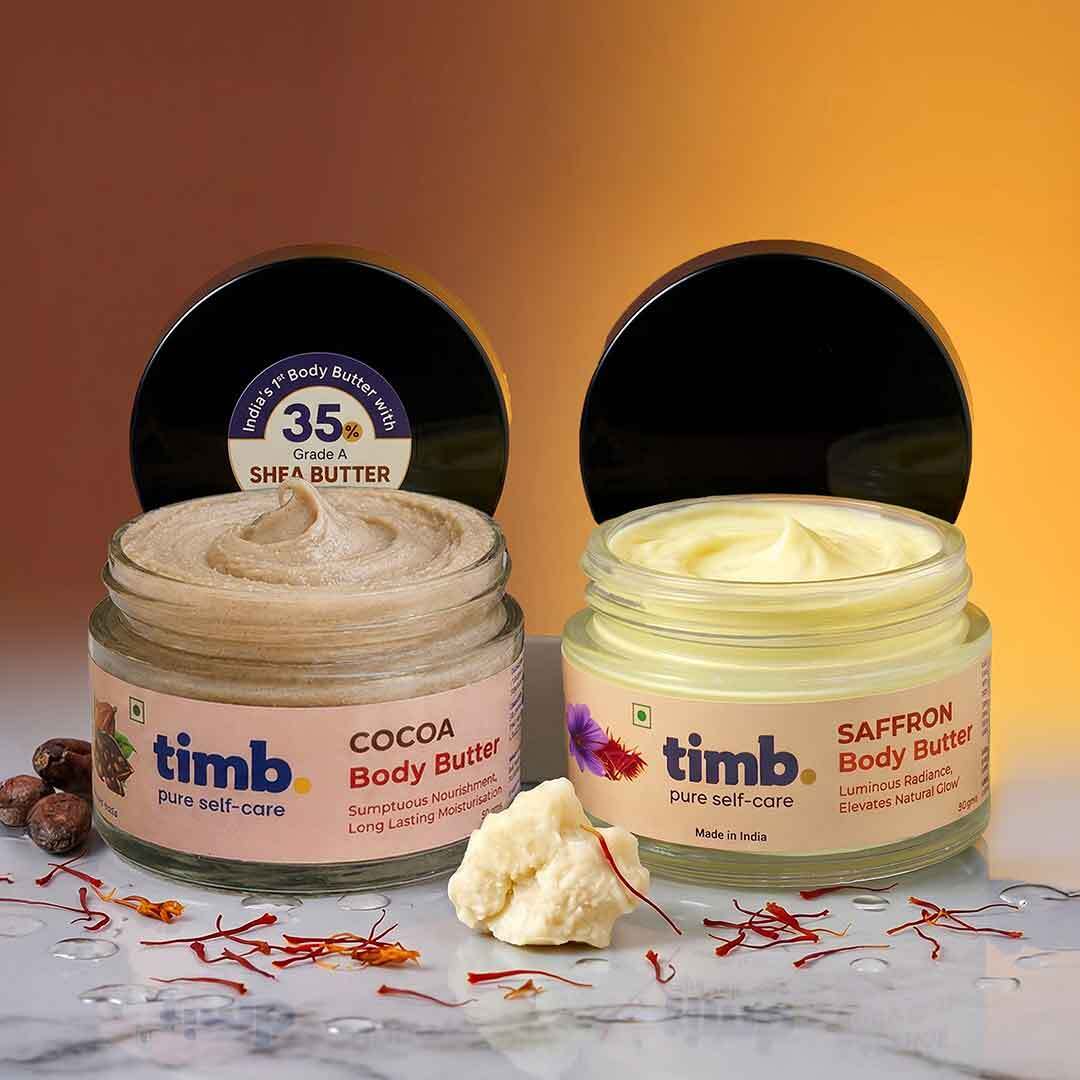
Cocoa & Saffron Body Butter with Shea Butter | Dry Skin | Men & Women | All Seasons | 50gm Each
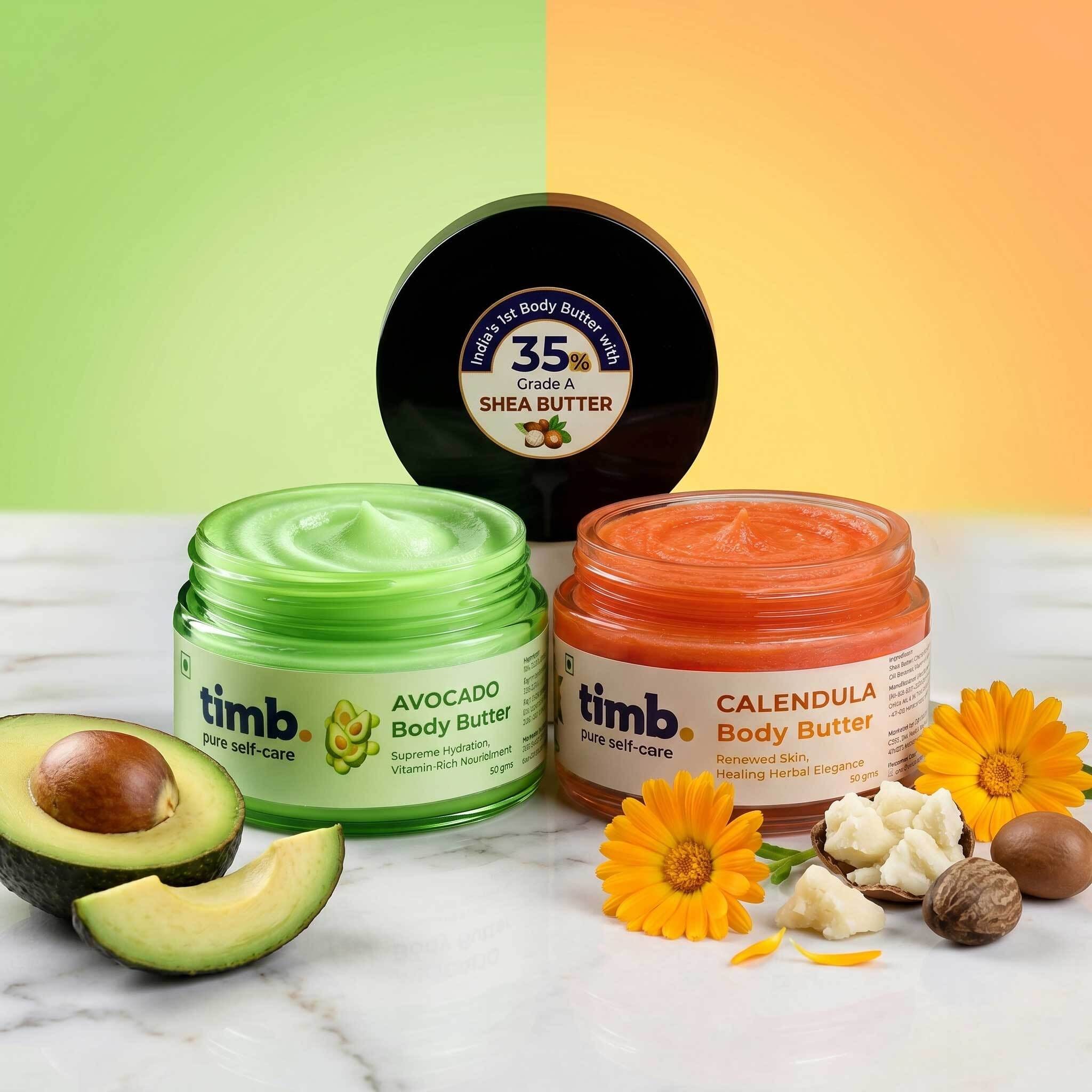
Rated 4.33 out of 5₹758.00Original price was: ₹758.00.₹679.00Current price is: ₹679.00.MRP (incl. of all taxes) Add to cartAvocado & Calendula Body Butter Duo with 35% Grade A Shea Butter | Deep Moisture | 50gm Each
Rated 5.00 out of 5₹758.00Original price was: ₹758.00.₹679.00Current price is: ₹679.00.MRP (incl. of all taxes) Add to cartDe-tan & Aromatic Bath Soap Combo | Handmade Cold Processed | Brightens | 100gms
Rated 4.59 out of 5₹758.00Original price was: ₹758.00.₹659.00Current price is: ₹659.00.MRP (incl. of all taxes) Add to cartAbhyangam Ubtan Powder | Natural Face & Body Brightening Mask | 75gms
Rated 4.53 out of 5₹199.00Original price was: ₹199.00.₹179.00Current price is: ₹179.00.MRP (incl. of all taxes) Add to cart