

Key Takeaways
- Washing your face more often doesn’t necessarily make it healthier.
- Over cleansing can damage the skin barrier, leading to dryness and irritation.
- The ideal cleansing frequency depends on your skin type and lifestyle.
- Choose a gentle, pH-balanced face care product with hydrating ingredients.
- Moisturizing and sun protection are essential after cleansing.
A simple, consistent facial care routine delivers better results than excessive washing.
Introduction
Do you wash your face several times a day hoping for clearer skin? While cleansing is an essential step in any skincare routine, washing your face too much can do more harm than good. In fact, washing your face too much may strip away your skin’s natural oils, leaving it dry, irritated, and even more prone to breakouts.
Healthy skin isn’t about frequent cleansing; it’s about maintaining balance. Your skin needs its natural oils to stay hydrated and protected from environmental damage. Over cleansing weakens this protective barrier, making your skin more sensitive over time.
In this blog, you’ll learn how overwashing affects your skin, the signs to watch for, expert recommendations, and how to choose the right face care products to build an effective skin care routine.
Understanding the Problem
Your face skin is protected by a natural barrier that locks in moisture and shields it from pollutants and bacteria. Washing your face too often or using harsh cleansers can weaken this barrier, causing dryness, irritation, and sensitivity.
Ironically, overwashing can also trigger your skin to produce more oil to compensate for the lost moisture. This can make oily skin appear shinier and may contribute to clogged pores and breakouts.
Common Misconceptions
- Washing more often prevents acne.
- Oily skin needs frequent cleansing.
- A “squeaky clean” feeling means healthy skin.
- Strong cleansers always work better.
Signs You’re Overwashing
- Tight or dry skin after cleansing
- Redness or irritation
- Flaky patches
- Excess oil production
- Frequent breakouts
- Stinging when applying skincare products
Using the right face care product and cleansing according to your skin type is far more effective than washing repeatedly throughout the day.
Who Is This For?
Your lifestyle plays an important role in determining how often you should cleanse your face.
- Students and people exposed to pollution benefit from regular cleansing to remove dirt and impurities.
- Busy professionals working in air-conditioned environments may experience dryness and should avoid excessive washing.
- Gymgoers should cleanse after heavy workouts but don’t need to wash after every minor sweat session.
- People living in hot and humid climates may require gentle cleansing to remove excess oil, while those in cold climates should focus on protecting moisture.
- Individuals with oily or acne-prone skin often think frequent cleansing reduces breakouts, but over-washing can actually increase oil production.
- Those with dry or sensitive skin should stick to gentle cleansers and a simple facial care routine to avoid irritation.
No matter your skin type or lifestyle, a consistent cleansing routine and the right skin care for face approach will help keep your skin healthy and balanced.
What Experts Say
Dermatologists agree that cleansing is essential, but more isn’t always better. For most people, washing the face twice a day, once in the morning and once before bed, is enough. An extra cleanse after heavy sweating or exercise is beneficial, but frequent washing throughout the day can weaken the skin’s natural barrier.
Your skin barrier helps retain moisture and protects facial skin from pollution, bacteria, and irritants. Every time you cleanse, some natural oils are removed. When cleansing becomes excessive or harsh products are used, the barrier can become damaged, leading to dryness, redness, irritation, and even increased oil production.
Experts recommend using balanced cleansers with hydrating ingredients rather than products that leave your skin feeling “squeaky clean.” According to Dr. Idriss, healthy skin should feel clean, comfortable, and hydrated after washing, not tight or stripped.
Expert Tips
- Wash your face twice daily in most cases.
- Use lukewarm water instead of hot water.
- Choose a gentle, pH-balanced face care product.
- Moisturize immediately after cleansing.
- Avoid scrubbing your skin aggressively.
Suggestions & Recommendations
The ideal cleansing routine depends on your skin type. Choosing the right face care product and ingredients helps keep your skin healthy without disrupting its natural balance.
- Dry Skin
Cleanse twice daily with a cream-based or hydrating cleanser containing ceramides, glycerine, hyaluronic acid, or aloe vera. Avoid harsh sulphates, alcohol based cleansers, and heavily fragranced products that can worsen dryness.
- Oily Skin
Wash your face morning and evening, with an additional cleanse only after heavy sweating. Choose lightweight cleansers containing niacinamide, salicylic acid, or green tea extract. Avoid washing repeatedly throughout the day, as it can increase oil production.
- Sensitive Skin
Use a fragrance-free, gentle cleanser with soothing ingredients like ceramides, panthenol, aloe vera, or glycerine. Always patch test a new face care product before incorporating it into your routine.
- Combination Skin
Combination skin benefits from mild cleansers that remove excess oil while maintaining hydration. Ingredients such as glycerine, niacinamide, and hyaluronic acid help balance both oily and dry areas.
Cleanse twice daily and after intense workouts if needed. Look for ingredients like salicylic acid and niacinamide, and avoid harsh scrubs or excessive washing, which may irritate active acne.
What to Look for in a Face Cleanser
A good cleanser should remove dirt, sunscreen, and excess oil without stripping moisture. Look for ingredients such as:
- Ceramides
- Glycerine
- Hyaluronic Acid
- Aloe Vera
- Niacinamide
- Panthenol
- Green Tea Extract
These ingredients support the skin barrier while promoting healthy skincare for the face.
Ingredients to Avoid
If you’re already washing your face too much, avoid cleansers containing strong sulphates, high alcohol content, excessive fragrance, artificial dyes, or harsh physical exfoliating beads. These ingredients can further irritate facial skin and compromise its protective barrier.
Choosing the right cleanser is just as important as cleansing frequency. A simple, consistent routine tailored to your skin type will deliver better results than frequent washing.
Solutions
If you’re washing your face too much, your skin can recover with a few simple changes. The goal is to restore your skin barrier while maintaining an effective skin care for face routine.
- Cleanse the Right Amount
For most people, washing your face twice a day is enough. Add an extra cleanse only after heavy sweating or intense exercise.
- Switch to a Gentle Cleanser
Use a mild, pH-balanced face care product that removes dirt, oil, and sunscreen without stripping away natural moisture.
- Moisturize After Cleansing
Always apply a moisturizer while your skin is slightly damp. This helps lock in hydration and supports the skin barrier.
- Use Lukewarm Water
Hot water can dry out your facial skin. Washing with lukewarm water cleanses effectively while minimizing irritation.
- Double Cleanse Only When Necessary
Double cleansing is useful after heavy makeup or water-resistant sunscreen, but it isn’t needed for every routine.
- Keep Your Routine Simple
A consistent routine with cleansing, moisturizing, and daily sunscreen is often more effective than using multiple products or washing excessively.
Pro Tips
Once you’ve established a healthy cleansing routine, these tips can help you get the best results from your facial care.
- Pat Your Face Dry
Instead of rubbing with a towel, gently pat your skin dry to minimize friction and irritation.
- Keep Towels and Pillowcases Clean
Use a clean face towel and wash your pillowcases regularly to reduce the buildup of oil, dirt, and bacteria.
- Adjust Your Routine with the Seasons
During winter, use more hydrating cleansers. In hot and humid weather, choose lightweight formulas while avoiding excessive cleansing.
Apply moisturizer after every wash, and don’t forget sunscreen during the day to protect your skin barrier.
- Introduce New Products Gradually
When trying a new face care product, add only one product at a time. This makes it easier to identify any irritation or allergic reactions.
Healthy face skin doesn’t come from washing more often; it comes from cleansing gently, using the right products that are gentle on skin, such as Timb’s harsh-chemical-free product range.
Conclusion
Cleansing your face is an essential part of skincare, but more isn’t always better. While it’s easy to assume that frequent washing leads to clearer skin, washing your face too much can strip away natural oils, weaken the skin barrier, and cause dryness, irritation, or even excess oil production.
The key to healthy face skin is finding the right balance. Choose a gentle cleanser that suits your skin type, avoid over-washing, and follow up with moisturizer and sunscreen to protect your skin. Small, consistent habits often deliver better long-term results than aggressive cleansing routines.
Remember, effective facial care isn’t about how many times you wash your face it’s about understanding your skin’s needs and building a simple, consistent routine. By choosing the right face care product and caring for your skin with patience, you can achieve a healthier, stronger, and more radiant complexion.
FAQ's
For most people, washing the face twice a day- once in the morning and once before bed- is enough. You can cleanse an additional time after heavy exercise or excessive sweating if needed.
Yes, if you’ve been sweating heavily. Use a gentle cleanser to remove sweat, oil, and bacteria. However, avoid washing your face repeatedly after minor sweating, as this may dry out your skin.
People with sensitive skin should choose a fragrance-free, pH-balanced cleanser containing soothing ingredients such as ceramides, glycerine, aloe vera, or panthenol. A gentle face care product helps cleanse without irritating.
Yes, for most people, a gentle morning cleanse is beneficial. Overnight, your skin produces oil and accumulates sweat and bacteria, which can affect the absorption of your skincare products. However, if you have very dry or sensitive skin, rinsing with lukewarm water or using a mild cleanser may be enough.
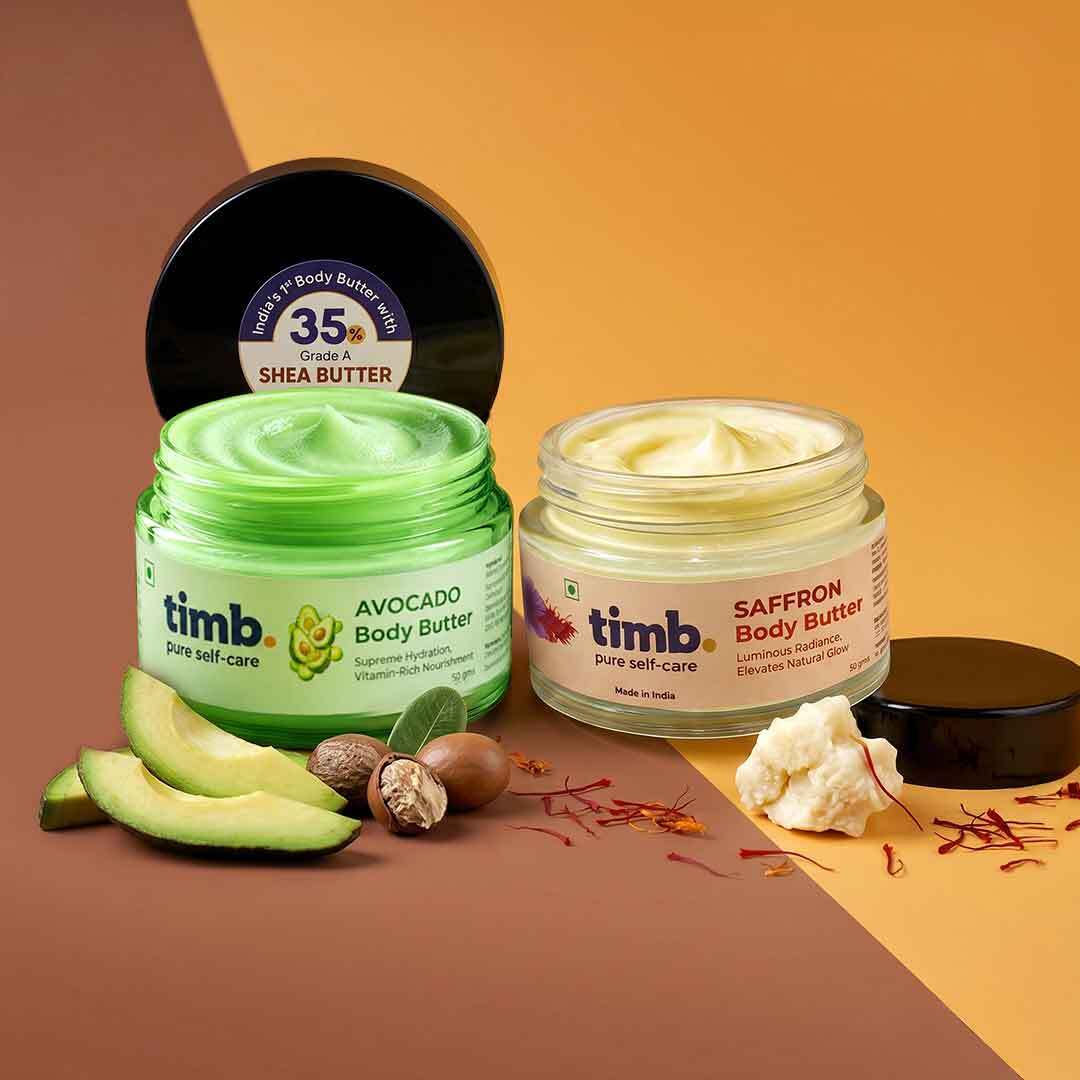
Avocado & Saffron Body Butter with Shea Butter | Dry Skin | Men & Women | All Seasons | 50gm Each
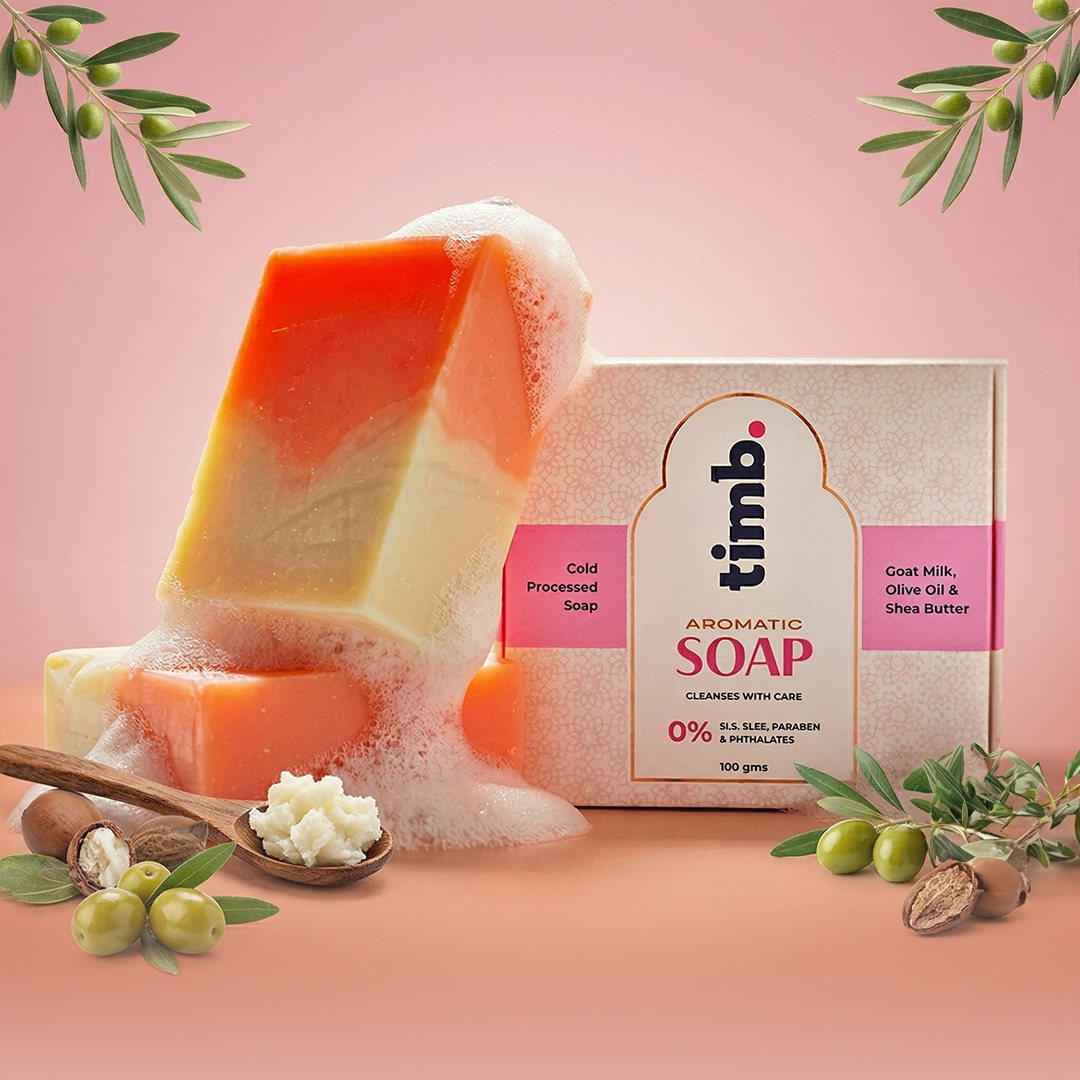
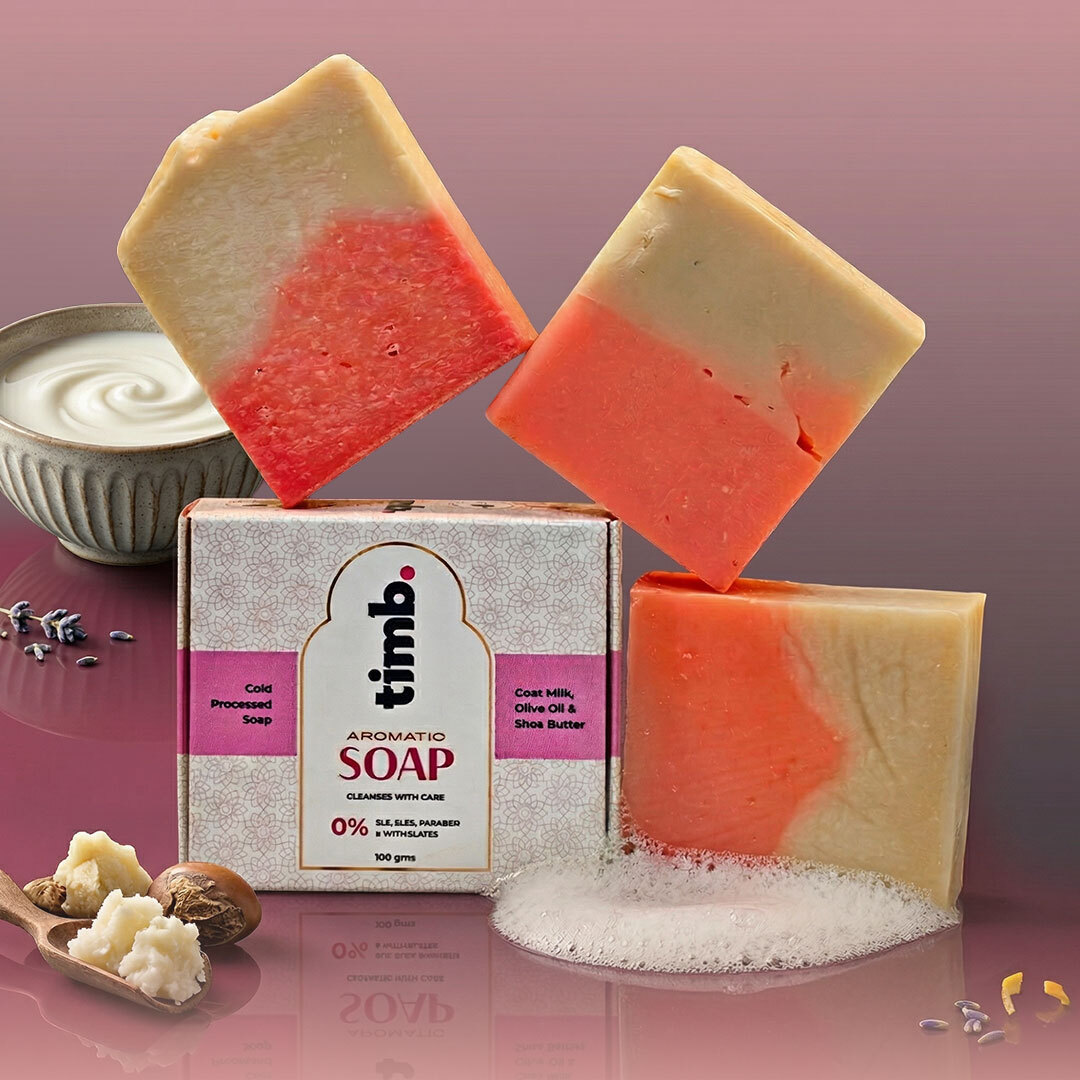
Rated 5.00 out of 5₹758.00Original price was: ₹758.00.₹679.00Current price is: ₹679.00.MRP (incl. of all taxes) Add to cartAromatic: Goat Milk Bath Soap Bar | Handmade Cold Processed Bathing Soap | With Shea Butter & Coconut Oil | 100g (Pack of 2)
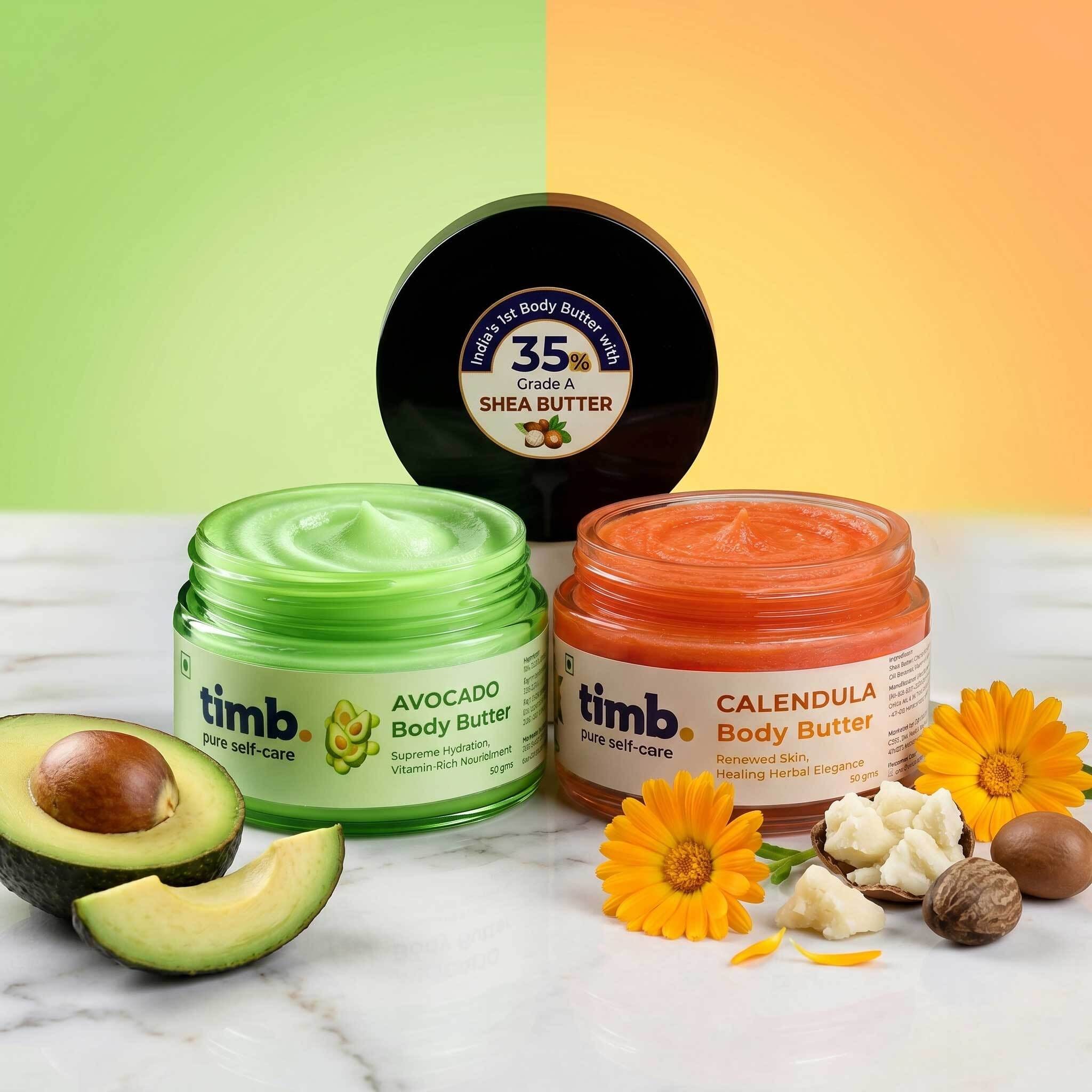
Rated 4.29 out of 5₹758.00Original price was: ₹758.00.₹659.00Current price is: ₹659.00.MRP (incl. of all taxes) Add to cartCalendula, Avocado, Cocoa, Saffron Body Butter with Shea | Dry Skin | Men & Women | All Seasons | 50gm Each
Rated 4.52 out of 5₹1,516.00Original price was: ₹1,516.00.₹1,349.00Current price is: ₹1,349.00.MRP (incl. of all taxes) Add to cartAbhyangam Ubtan Powder | Natural Face & Body Brightening Mask | 75gms
Rated 4.53 out of 5₹199.00Original price was: ₹199.00.₹179.00Current price is: ₹179.00.MRP (incl. of all taxes) Add to cart