

Key Takeaways
- Long ingredient names don’t mean they’re harmful.
- Focus on what an ingredient does, not how it’s pronounced.
- Ingredient transparency helps you make informed skincare choices.
- Not all natural ingredients are safe, and not all chemicals are harmful.
- Choose skincare based on your skin type, not trends or marketing.
- Understanding a few key ingredients is enough to shop with confidence.
Introduction
Have you ever picked up a moisturizer, face wash, or serum, turned it around, and wondered what half the ingredients even mean? You’re not alone. Clean beauty products, ingredient transparency, beauty ingredients explained, and natural skincare products have become major topics for skincare lovers. Today, people expect clean beauty products, value ingredient transparency, want beauty ingredients explained, and actively search for natural skincare products that are easy to understand and trust. But does every ingredient with a long, scientific name deserve to be feared?
Many of us assume that if we can’t pronounce an ingredient, it must be harmful. That’s a common belief, but it’s not always true. In reality, cosmetic ingredients often have scientific names because they’re recognized worldwide using standard naming systems. Some of the safest and most effective ingredients sound complicated, while some simple-sounding ingredients may not be suitable for everyone.
In this guide, we’ll break down confusing ingredient names in simple language, explain why they matter, discuss what dermatologists and cosmetic scientists recommend, and show you how ingredient transparency helps you choose products with confidence. By the end, you’ll know how to read an ingredient list without feeling overwhelmed and how to focus on what truly matters for healthy skin.
Why Do Beauty Ingredient Names Sound So Complicated?
One of the biggest reasons ingredient labels seem intimidating is that the beauty industry follows an international naming system called the International Nomenclature of Cosmetic Ingredients (INCI). Instead of using everyday names, manufacturers list ingredients using standardized scientific terms so products can be recognized consistently around the world.
For example, Tocopherol is simply Vitamin E, an antioxidant that helps protect the skin. Sodium Chloride is nothing more than salt, while Aqua is just the cosmetic term for water. These examples show that scientific names may sound intimidating, but they often refer to familiar, skin-friendly ingredients.
The takeaway? A difficult name doesn’t automatically mean an ingredient is synthetic, unsafe, or harsh.
Scientific Names Exist for a Good Reason
Imagine buying the same moisturizer in India, Japan, Germany, or the United States. Local names for ingredients would differ from country to country, making it difficult for scientists, dermatologists, and regulators to identify exactly what’s inside a product. That’s why cosmetic companies use standardized ingredient names.
These names help ensure:
- Consistency across countries
- Accurate safety assessments
- Better product regulation
- Easier scientific research
- Clear communication among manufacturers and healthcare professionals
So, while the names may look unfamiliar, they actually improve ingredient transparency by ensuring everyone refers to the same ingredient.
Long Ingredient Names Don’t Automatically Mean They’re Harmful
One of the most common myths in skincare is that if I can’t pronounce it, I shouldn’t use it. Unfortunately, this rule simply doesn’t hold up. Let’s look at a few examples.
Hyaluronic Acid
Despite the word acid, Hyaluronic Acid isn’t a harsh exfoliating acid. It’s a natural substance already found in your skin that attracts water and helps keep it hydrated.
Niacinamide
This ingredient sounds technical, but it’s actually a form of Vitamin B3. It’s widely loved because it helps improve skin texture, reduce redness, balance oil production, and strengthen the skin barrier.
Ceramides may sound unfamiliar, but they’re natural fats (lipids) that already exist in healthy skin. They help lock in moisture and protect your skin from environmental damage.
These examples show why beauty ingredients explained in simple language are much more helpful than judging products based on pronunciation alone.
Understanding the Difference Between Chemicals and Harmful Chemicals
Another common misconception is the phrase ” chemical-free. The truth is simple, everything is made of chemicals, Water is a chemical, Oxygen is a chemical. Aloe vera contains hundreds of naturally occurring chemicals. Even the apple you eat contains thousands of naturally occurring compounds. Instead of fearing every chemical used in beauty products, it’s more helpful to ask:
- What does this ingredient do?
- Is it considered safe?
- Is there good scientific evidence supporting its use?
- Is it appropriate for my skin?
This mindset helps you make informed choices instead of relying on marketing claims.
Why Ingredient Transparency Matters
Imagine buying food without seeing the nutrition label. You wouldn’t know how much sugar, salt, or protein you’re consuming. The same principle applies to skincare.
Ingredient transparency means brands clearly tell consumers:
- What ingredients are included
- Why are they used
- How they benefit the skin
- Whether they may irritate certain people
When brands openly explain their formulations instead of hiding behind vague claims, consumers can make better purchasing decisions. Transparent brands also tend to educate customers rather than relying solely on trendy marketing terms like chemical-free or 100% toxin-free.
Signs You’re Choosing Beauty Products Without Understanding the Label
If any of these sounds familiar, you’re not alone:
- You buy products because they’re trending on social media.
- You avoid ingredients simply because their names sound scientific.
- You assume every natural ingredient is safe.
- You believe every synthetic ingredient is harmful.
- You rely only on the front label without reading the full ingredient list.
- You choose products based on influencer recommendations rather than your skin’s needs.
Recognizing these habits is the first step toward becoming a smarter skincare consumer.
Learning to Read Ingredient Lists Like a Pro
You don’t need to memorize hundreds of cosmetic ingredients. Instead, focus on a few practical habits:
- Look at the first five to ten ingredients, as they usually make up most of the product.
- Identify key active ingredients that address your skin concerns.
- Understand your own skin type before choosing products.
- Pay attention to ingredients you’ve reacted to in the past.
- Don’t judge an ingredient by its name alone.
Over time, you’ll begin recognizing common ingredients and understanding their purpose without feeling intimidated.
Most importantly, remember that skincare is personal. An ingredient that works beautifully for one person may not work the same way for another. Reading labels with curiosity instead of fear will help you build a skincare routine that’s based on evidence, not myths.
What Experts Say
Choosing skincare shouldn’t feel like solving a science puzzle. While ingredient names may look complicated, dermatologists agree that understanding what an ingredient does is much more important than whether you can pronounce it.
What Does an Indian Dermatologist Recommend?
According to Dr. Jaishree, Consumers should focus on evidence-backed ingredients rather than marketing buzzwords. She often emphasizes that skincare products should be selected based on your skin type, skin concerns, and the quality of the formulation, not simply because a product claims to be natural or chemical-free.
Her approach highlights an important lesson: every ingredient has a purpose. Some hydrate the skin, some strengthen the skin barrier, while others preserve the product and keep it safe to use. Instead of avoiding scientific names, it’s better to understand their function.
This advice is especially helpful today, when social media trends often encourage people to fear ingredients without considering scientific evidence.
What Do Health Authorities Say?
Several respected organizations evaluate cosmetic ingredients before they are widely used in skincare formulations.
American Academy of Dermatology (AAD)
The American Academy of Dermatology recommends choosing skincare products based on your individual skin type rather than following trends or viral ingredient lists. It also advises people with sensitive skin to pay attention to ingredients like added fragrance if they have experienced irritation in the past.
The AAD also encourages patch testing new skincare products before applying them to the entire face, especially if your skin is reactive.
Cosmetic Ingredient Review (CIR)
The Cosmetic Ingredient Review (CIR) is an independent panel of scientists and medical experts that evaluates the safety of cosmetic ingredients based on available scientific research.
Many ingredients that people frequently worry about, such as certain preservatives, silicones, and commonly used cosmetic ingredients, have been extensively reviewed by the CIR and are considered safe when used within recommended concentrations.
This highlights an important point: an ingredient should be judged by scientific evidence, not by how unfamiliar its name sounds.
Suggestions & Recommendations
Now that we’ve cleared up some common myths, let’s look at ingredients that dermatologists and cosmetic scientists generally consider beneficial and others that deserve a little extra attention.
Skin-Friendly Ingredients Worth Looking For
- Glycerin
Glycerin is one of the most effective moisturizing ingredients found in skincare. It works as a humectant, which simply means it attracts water to your skin and helps keep it hydrated throughout the day. It suits almost every skin type, including dry, oily, and sensitive skin.
- Niacinamide
Niacinamide is a form of Vitamin B3 that has become one of the most trusted skincare ingredients. It can help to
Its versatility makes it suitable for many skincare routines.
- Hyaluronic Acid
Despite having the word acid in its name, Hyaluronic Acid is incredibly gentle. Think of it as a sponge that attracts and holds water, helping your skin stay plump, smooth, and hydrated. It’s especially helpful for people with dehydrated skin.
- Ceramides
Ceramides are natural lipids (fats) already present in healthy skin. They help repair the skin barrier and reduce moisture loss. If your skin often feels tight or irritated, products containing ceramides may help restore comfort.
- Vitamin E
Vitamin E acts as an antioxidant, helping protect the skin from environmental damage. It’s frequently combined with other moisturizing ingredients to improve skin softness and support the skin barrier.
Ingredients You Should Understand, Not Fear
Some ingredients have gained a negative reputation online, but understanding their purpose can help you make informed decisions.
Fragrance
Fragrance enhances the sensory experience of skincare products. However, for people with highly sensitive skin, eczema, or fragrance allergies, it may sometimes irritate. If you’ve experienced redness or itching after using fragranced products, choosing fragrance-free alternatives may be a better option.
Essential Oils
Essential oils like lavender, tea tree, or peppermint are naturally derived and can provide pleasant aromas or additional skincare benefits. However, “natural” doesn’t always mean irritation-free. People with sensitive skin should use products containing essential oils with caution and always perform a patch test first.
Alcohol
The word “alcohol” on an ingredient list often creates unnecessary concern. It’s important to know the difference. Some alcohols, such as Cetyl Alcohol and Cetearyl Alcohol, actually help moisturize and soften the skin.
Others, like Alcohol Denat, are used to improve product texture and absorption but may feel drying on very sensitive skin. Reading the complete ingredient list provides much more context than judging the word alone.
Preservatives
No one likes the idea of bacteria growing inside a moisturizer. That’s exactly why preservatives exist. They help protect skincare products from contamination, ensuring they remain safe throughout their shelf life. Instead of avoiding preservatives altogether, look for brands that use them responsibly and within approved safety standards.
By understanding the role of each ingredient, you’ll find it much easier to separate myths from facts and choose products that truly support healthy skin.
Solutions & Pro Tips
By now, you’ve probably realized that you don’t need to memorize every scientific ingredient name to make good skincare choices. What really matters is understanding why an ingredient is included, whether it suits your skin type, and whether the brand is open about its formulation.
Here are some practical tips that can help you become a more informed skincare shopper.
- Read Beyond the Front Label
The front of a product often highlights eye-catching claims like:
While these claims can be helpful, they don’t tell the whole story.
Turn the product over and read the ingredient list. The first few ingredients usually make up the largest portion of the formula, so they’re worth paying attention to.
A little curiosity can go a long way in helping you choose products that truly match your skincare needs.
- Look for Brands That Practice Ingredient Transparency
A trustworthy skincare brand doesn’t just list ingredients; it helps consumers understand them.
Brands that value ingredient transparency often explain:
- Why each key ingredient is included
- How the product works
- Who is it suitable for
- How to use it safely
This educational approach allows you to make informed decisions instead of relying on marketing claims alone.
- Choose Products Based on Your Skin Type
One product doesn’t work for everyone. For example:
- Dry skin benefits from ingredients like glycerin, shea butter, ceramides, and hyaluronic acid.
- Oily skin often responds well to lightweight hydrators such as niacinamide and aloe vera.
- Sensitive skin usually prefers simple formulations with fewer potential irritants and minimal added fragrance.
Instead of following trends, choose products that solve your specific skin concerns.
- Don’t Fear Every Scientific Name
Scientific names exist to create consistency across the global cosmetics industry not to confuse consumers. When you come across an unfamiliar ingredient, take a moment to learn what it does instead of assuming it’s harmful.
- Patch Test Every New Product
Even products made with gentle or natural ingredients can irritate some people. Before adding any new product to your skincare routine, apply a small amount behind your ear or on your inner forearm. Wait for 24-48 hours. Check for redness, itching, burning, or irritation. This simple habit can help prevent unwanted skin reactions.
Pro Tip:
Look for Brands That Educate, Not Just Sell
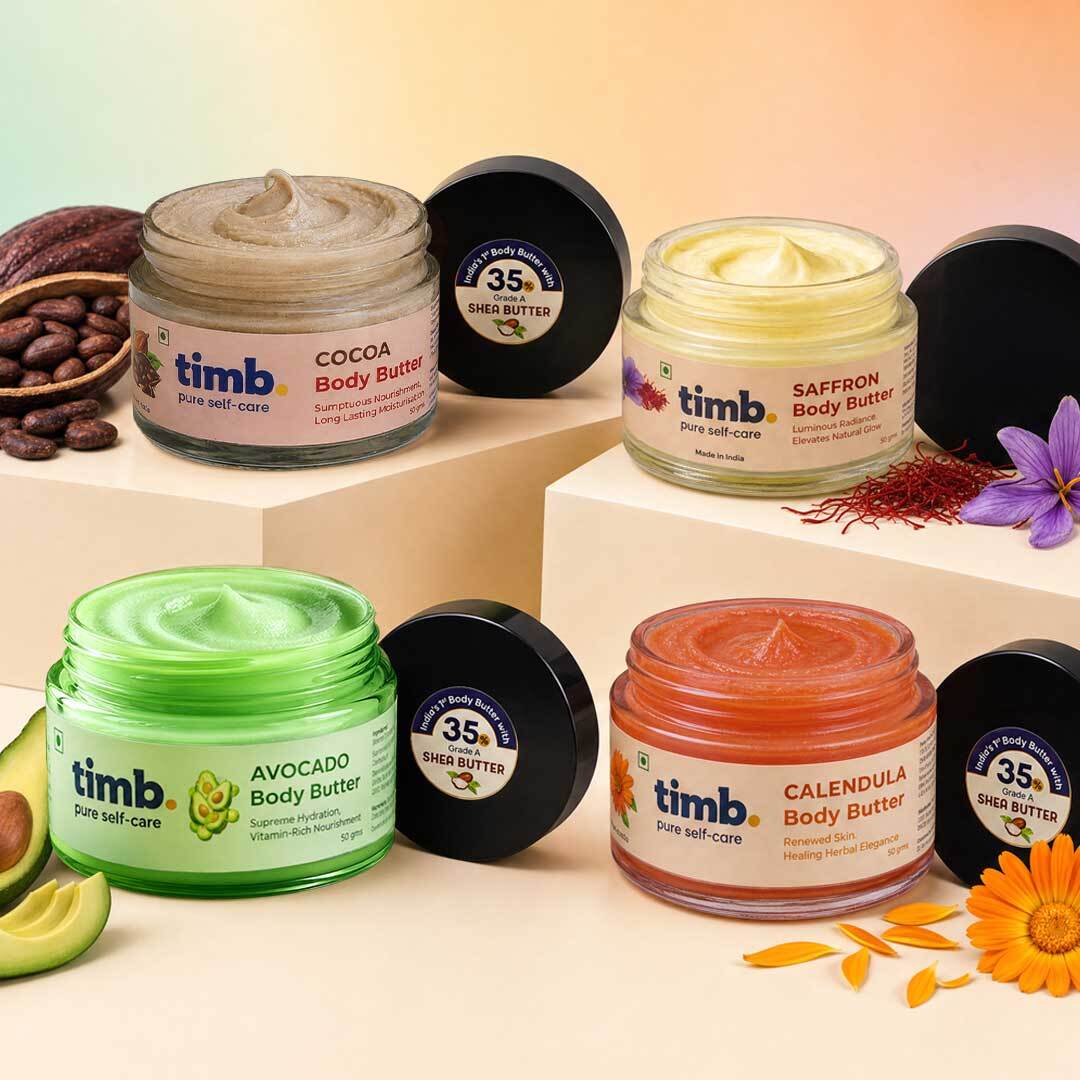
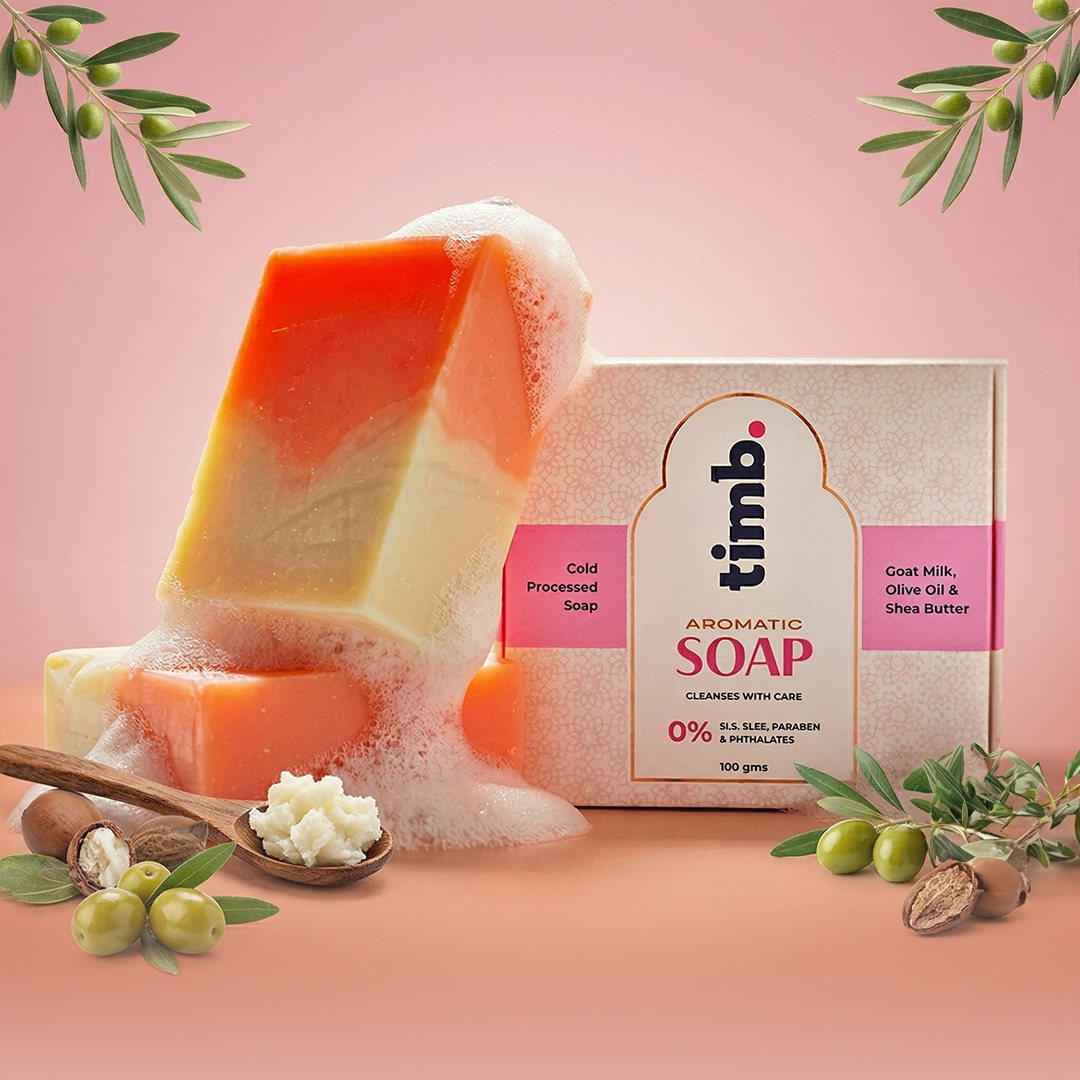
If you’re trying to build a skincare routine with recognizable, skin-friendly ingredients, it’s worth exploring brands that focus on transparency rather than making exaggerated claims. For example, Timb Store follows a philosophy centred around handcrafted skincare made with naturally inspired ingredients
Here are a few examples of how that approach supports informed skincare choices.
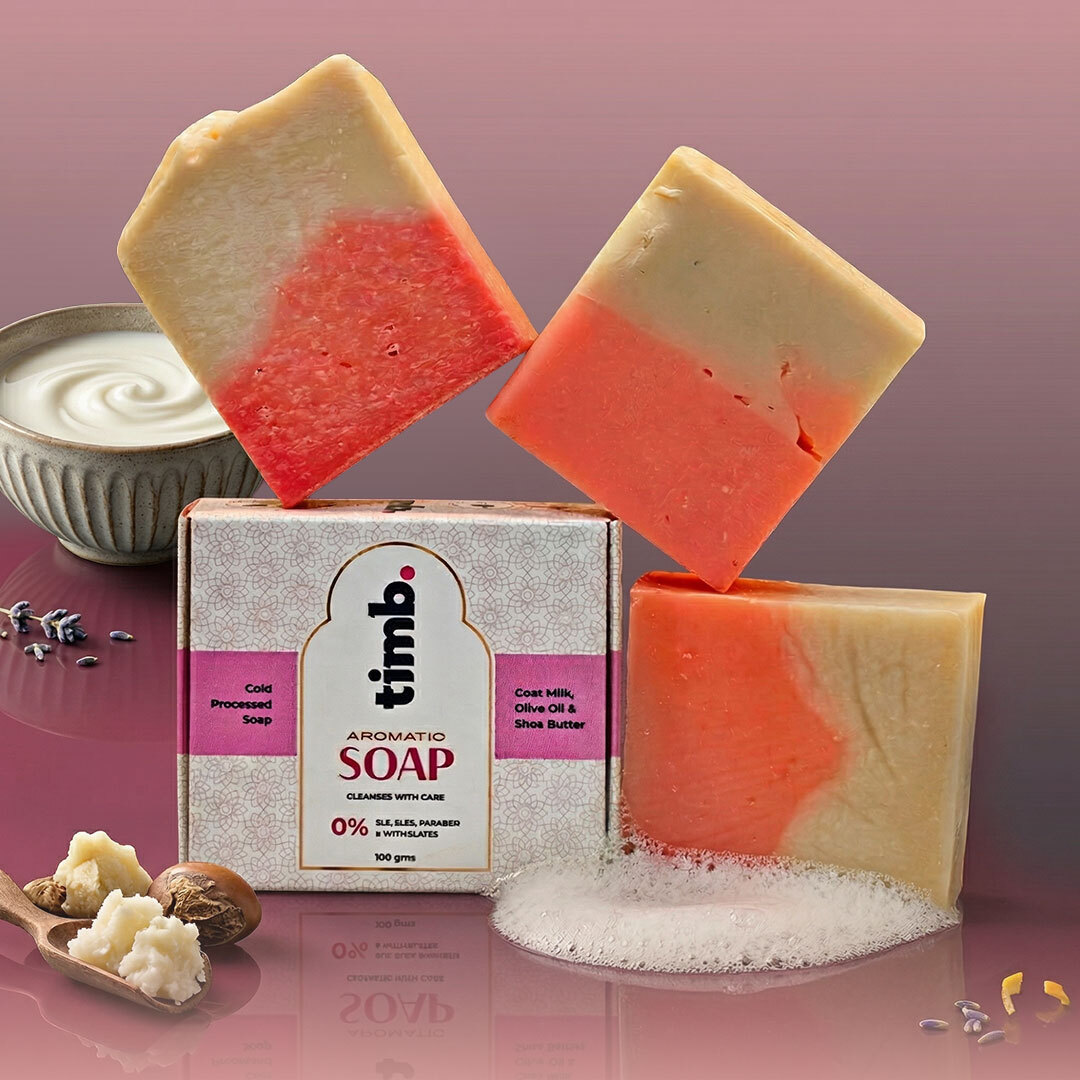
Goat milk is naturally rich in fats that help nourish the skin and support its moisture barrier. Combined with moisturizing oils and skin conditioning ingredients, this soap is a good example of how handmade beauty products can use familiar ingredients to create a gentle cleansing experience.
Many people are exposed to dust, pollution, and sunlight every day. A cleansing bar made with ingredients known for gently removing impurities while supporting healthy-looking skin can be a practical addition to a regular skincare routine.
Instead of expecting dramatic overnight results, choosing products with well-explained formulations encourages realistic skincare expectations.
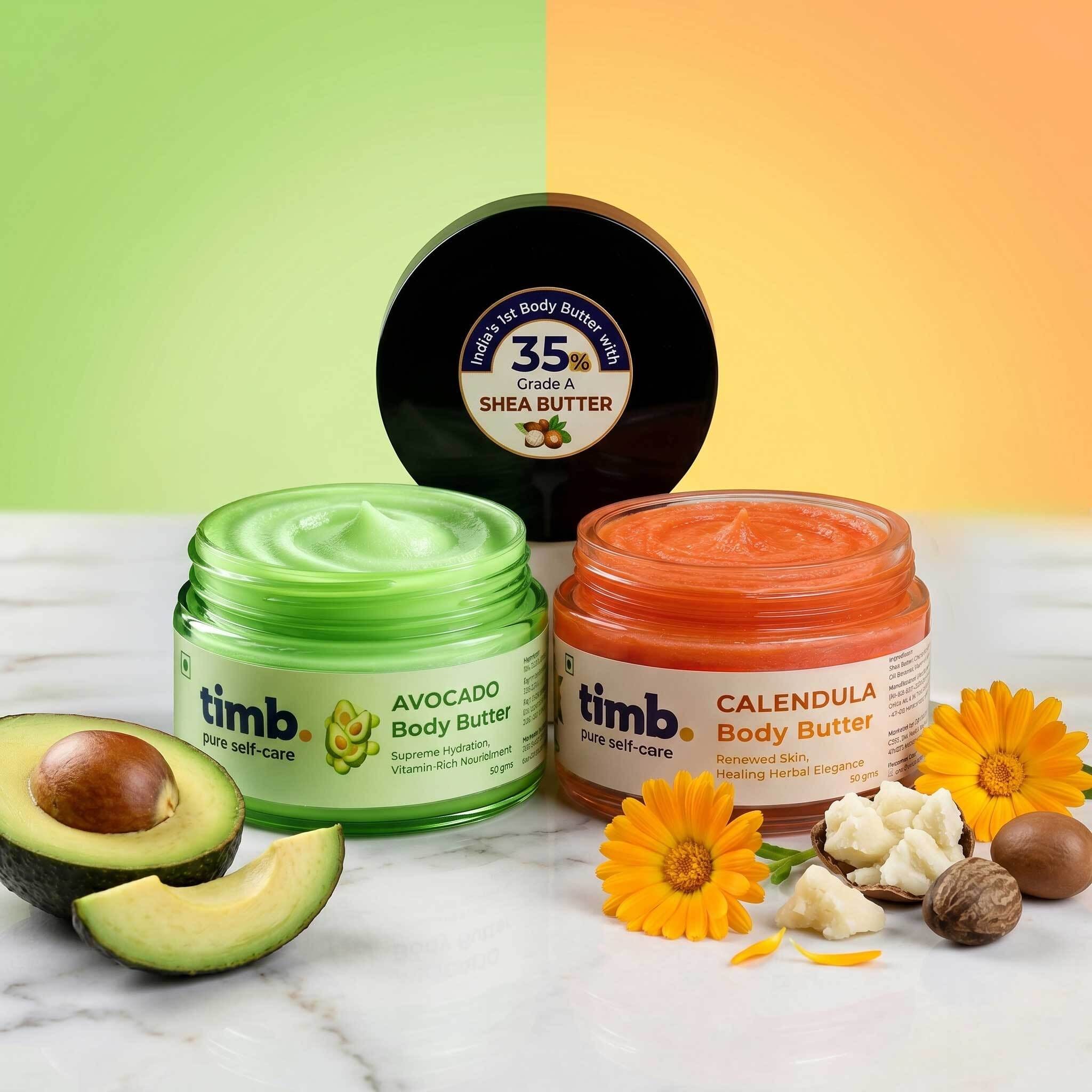
If your skin often feels dry after bathing, a rich moisturizer containing shea butter can help reduce moisture loss. Since shea butter is already recognized as a skin conditioning ingredient, products like TIMB’s Shea Body Butter demonstrate how simple, nourishing ingredients can support healthy skin without relying on complicated formulations.
Conclusion
The next time you pick up a skincare product, don’t let a long ingredient list intimidate you.
You don’t need to pronounce every ingredient to make a smart skincare decision. What matters is understanding what each ingredient does, whether it suits your skin, and whether the brand is transparent about its formulation.
As consumers become more informed, ingredient transparency is becoming just as important as product performance. Instead of being influenced by flashy marketing terms or social media trends, take a few moments to read the label, ask questions, and learn about the ingredients inside your beauty products.
Whether you prefer clean beauty products, natural skincare products, or carefully formulated modern skincare, informed choices will always lead to better skincare experiences.
The more you understand your skincare, the more confidently you can build a routine that truly works for you. After all, healthy skin isn’t about recognizing every scientific name; it’s about knowing which ingredients deserve a place in your routine.
FAQ's
No. Many long ingredient names are simply standardized scientific names used worldwide. Ingredients like Tocopherol (Vitamin E) and Sodium Hyaluronate (a form of Hyaluronic Acid) may sound complicated, but are widely used and considered safe when formulated correctly.
Ingredient transparency means a brand clearly shares what ingredients are in its products, why they’re included, and how they benefit the skin. It helps consumers make informed skincare choices instead of relying on vague marketing claims.
Start by looking at the first few ingredients, identifying the key active ingredients, and learning what they do. Don’t judge an ingredient based on how difficult it is to pronounce. Reliable educational resources and dermatologist guidance can also help you better understand cosmetic labels.
Not necessarily. While many natural ingredients offer excellent skincare benefits, some can cause irritation or allergic reactions. The best product is one that suits your skin type, contains well-formulated ingredients, and is supported by scientific evidence.
There isn’t a universal list of ingredients everyone should avoid. Instead, pay attention to ingredients that have previously irritated your skin, and choose products formulated for your skin type. If you have sensitive skin or a medical condition, consult a qualified dermatologist for personalized advice.
Calendula, Avocado, Cocoa, Saffron Body Butter with Shea | Dry Skin | Men & Women | All Seasons | 50gm Each
Rated 4.52 out of 5₹1,516.00Original price was: ₹1,516.00.₹1,349.00Current price is: ₹1,349.00.MRP (incl. of all taxes) Add to cartDe-tan & Aromatic Bath Soap Combo | Handmade Cold Processed | Brightens | 100gms
Rated 4.59 out of 5₹758.00Original price was: ₹758.00.₹659.00Current price is: ₹659.00.MRP (incl. of all taxes) Add to cartDeTan: Tan Removal Bath Soap Bar | Handmade Cold Processed Skin Brightening Bathing Soap | 100% Chemical Free | 100g (Pack of 1)
Rated 4.50 out of 5₹379.00Original price was: ₹379.00.₹341.00Current price is: ₹341.00.MRP (incl. of all taxes) Add to cartAromatic: Goat Milk Bath Soap Bar | Handmade Cold Processed Bathing Soap | With Shea Butter & Coconut Oil | 100g (Pack of 1)
Rated 4.63 out of 5₹379.00Original price was: ₹379.00.₹341.00Current price is: ₹341.00.MRP (incl. of all taxes) Add to cart