
Key takeaways
- Don’t believe every viral tan removal hack, as most of them can actually worsen pigmentation.
- Avoid harsh DIY remedies like lemon, baking soda, and over-scrubbing, as they can damage your skin barrier.
- Use gentle, science-backed ingredients like Vitamin C, Niacinamide, and Alpha Arbutin for safe natural tan removal.
- Wear SPF 30+ sunscreen daily and limit sun exposure to prevent existing tans from getting darker.
- Choose nourishing skin treatment products and stay consistent, as healthy, glowing skin comes from patience, not overnight fixes.
Introduction
If you’ve ever searched for tan removal myths, you’ve probably come across dozens of DIY hacks promising instant results. From rubbing lemon directly on your face to scrubbing with baking soda every night, these tan removal myths continue to circulate across social media despite lacking scientific evidence. Unfortunately, many of these so-called skin-tanning remedies don’t just fail but they can worsen tanning, trigger irritation, and leave behind stubborn pigmentation.
People looking for natural tan removal often assume that “natural” automatically means safe. However, that’s one of the biggest pigmentation myths in skincare. The truth is that removing a tan requires patience, consistency, and the right approach, not harsh ingredients or aggressive scrubbing.
Let’s understand why certain popular remedies can actually make your skin darker, explore what dermatologists recommend, and help you choose effective skin treatment products and face products for glowing skin that support healthy, even-toned skin.
Understanding the Problem
What Exactly Is a Tan?
A tan is your skin’s natural defence mechanism against ultraviolet (UV) radiation. When your skin is exposed to sunlight, melanocytes produce more melanin to protect deeper layers of the skin from UV damage.
While a tan may fade naturally over time, repeated sun exposure causes melanin to accumulate, making it increasingly difficult to restore your original skin tone. Contrary to popular belief, a tan isn’t simply dirt sitting on your skin. It’s a biological response that requires proper skincare and not shortcuts.
Why Do People Fall for Tan Removal Myths?
Imagine this conversation:
Sapna: “I rubbed lemon and baking soda on my face yesterday. It burned a little, but that means it’s working, right?”
Shweta: “Actually, burning is your skin telling you it’s getting damaged.”
Sapna: “Really? Instagram said it’ll remove tan overnight.”
Shweta: “Unfortunately, that’s one of the biggest skincare myths. Damaged skin often responds by producing even more pigmentation.”
This conversation reflects what many people experience. Quick-fix solutions appear convincing because they promise instant results. However, skincare rarely works overnight.
Signs Your Tan Removal Routine Is Doing More Harm Than Good
Instead of fading your tan, your routine may be damaging your skin if you notice increased redness after applying home remedies, dry, flaky patches, burning or stinging sensations, dark spots appearing after irritation, uneven skin tone, or persistent sensitivity to sunlight. These symptoms often indicate a compromised skin barrier rather than successful tan removal.
Common Tan Removal Myths That Can Actually Make Skin Darker
Myth 1: Lemon Juice Naturally Removes Tan
Lemon is one of the oldest home remedies for tanning because of its acidic nature. However, dermatologists strongly discourage applying raw lemon directly onto the skin. Lemon contains citric acid that can disrupt your skin barrier, causing irritation and inflammation. More importantly, compounds called furocoumarins can react with sunlight, leading to phytophotodermatitis, a condition that causes severe pigmentation. Instead of reducing tanning, lemon may leave darker patches that take months to fade.
Myth 2: Scrubbing Hard Removes Dead Skin and Tan Faster
Many people believe vigorous exfoliation will remove tanned skin more quickly, but the reality is different. Your tan isn’t sitting on the surface waiting to be scrubbed away. Excessive exfoliation damages the protective skin barrier, causing inflammation. Inflammation often triggers post-inflammatory hyperpigmentation (PIH), making skin appear darker than before. Gentle exfoliation once or twice a week is sufficient for most skin types.
Myth 3: Baking Soda Brightens Skin
Baking soda has an alkaline pH of around 9, whereas healthy skin naturally maintains a slightly acidic pH between 4.7 and 5.5. Repeated application disrupts this balance, causing dryness, irritation, barrier damage, increased sensitivity, and dark patches after inflammation. Rather than promoting natural tan removal, baking soda often creates new pigmentation concerns.
Myth 4: Toothpaste Can Remove Tan
This myth gained popularity through social media. Toothpaste contains ingredients designed for teeth, not facial skin. Whitening agents, detergents, and strong flavouring compounds may cause irritation, allergic reactions, and peeling. Damaged skin heals by producing additional pigment, especially in deeper Indian skin tones.
Myth 5: Natural Ingredients Are Always Safe
One of the biggest pigmentation myths is assuming every kitchen ingredient is suitable for skincare. Even natural ingredients can trigger allergies or chemical irritation. Natural does not always mean skin-friendly.
Myth 6: More Products Mean Faster Results
Layering multiple acids, scrubs, masks, and serums together overwhelms the skin. Instead of speeding up recovery, overloading the skin increases inflammation, which can delay healing and worsen pigmentation. Skincare works best when it’s simple, consistent, and suited to your skin type.
What Experts Say
Dermatologists consistently warn against DIY remedies for tanning. According to Dr. Kapoor, “Home remedies may appear harmless, but ingredients like baking soda and lemon can damage the skin barrier and worsen pigmentation”. Dermatologists also emphasize that the safest approach to tan removal is preventing further UV damage while supporting the skin’s natural renewal process. According to Dr. Nivedita, “Daily sunscreen with SPF 30 or higher remains the most effective way to prevent tanning and pigmentation”.
Sunscreen not only reduces UV-induced melanin production but also prevents existing pigmentation from becoming darker.
Many dermatologists also recommend ingredients with proven evidence, including:
Vitamin C: A powerful antioxidant that helps reduce oxidative stress and gradually improves uneven skin tone.
Niacinamide: Known for strengthening the skin barrier while helping reduce pigmentation over time.
Alpha Arbutin: Supports gradual brightening without irritating the skin.
Licorice Root Extract: It Contains Glabridin, which helps regulate melanin production naturally.
Lactic Acid: A gentle exfoliating acid that removes dead skin cells without damaging healthy skin.
Experts also advise avoiding excessive friction, skipping sunscreen, and expecting overnight transformations. Healthy skin improves gradually, not instantly.
Suggestions & Recommendations
What Should You Look for in Skin Treatment Products?
Instead of chasing miracle cures, choose skin treatment products backed by science.
Look for products containing:
- Vitamin C
- Niacinamide
- Alpha Arbutin
- Aloe Vera
- Hyaluronic Acid
- Ceramides
These ingredients support skin recovery while improving brightness safely.
Build a Simple Skincare Routine
Morning:
- Gentle cleanser
- Vitamin C serum
- Lightweight moisturizer
- Broad-spectrum SPF 30–50 sunscreen
Evening:
- Gentle cleanser
- Niacinamide or Alpha Arbutin serum
- Moisturizer
Weekly:
- Mild chemical exfoliation once or twice
Consistency always beats intensity.
Solutions & Pro Tips
Getting rid of a tan isn’t about attacking your skin; it’s about helping it recover.
Wear Sunscreen Every Single Day: Even indoor UV exposure can worsen pigmentation. Choose a broad-spectrum sunscreen with SPF 30 or higher and reapply every two to three hours if you’re outdoors.
Avoid Peak Sun Hours: Whenever possible, reduce exposure between 10 a.m. and 4 p.m. Hats, sunglasses, and protective clothing provide additional protection.
Stay Hydrated: Hydrated skin repairs itself more efficiently. Drink enough water and use moisturizers containing ceramides or hyaluronic acid.
Be Patient: Most superficial tans begin fading naturally within four to eight weeks with proper skincare. Trying to accelerate this process through harsh treatments often backfires.
Pro Tip: Choose Gentle, Barrier-Friendly Skincare
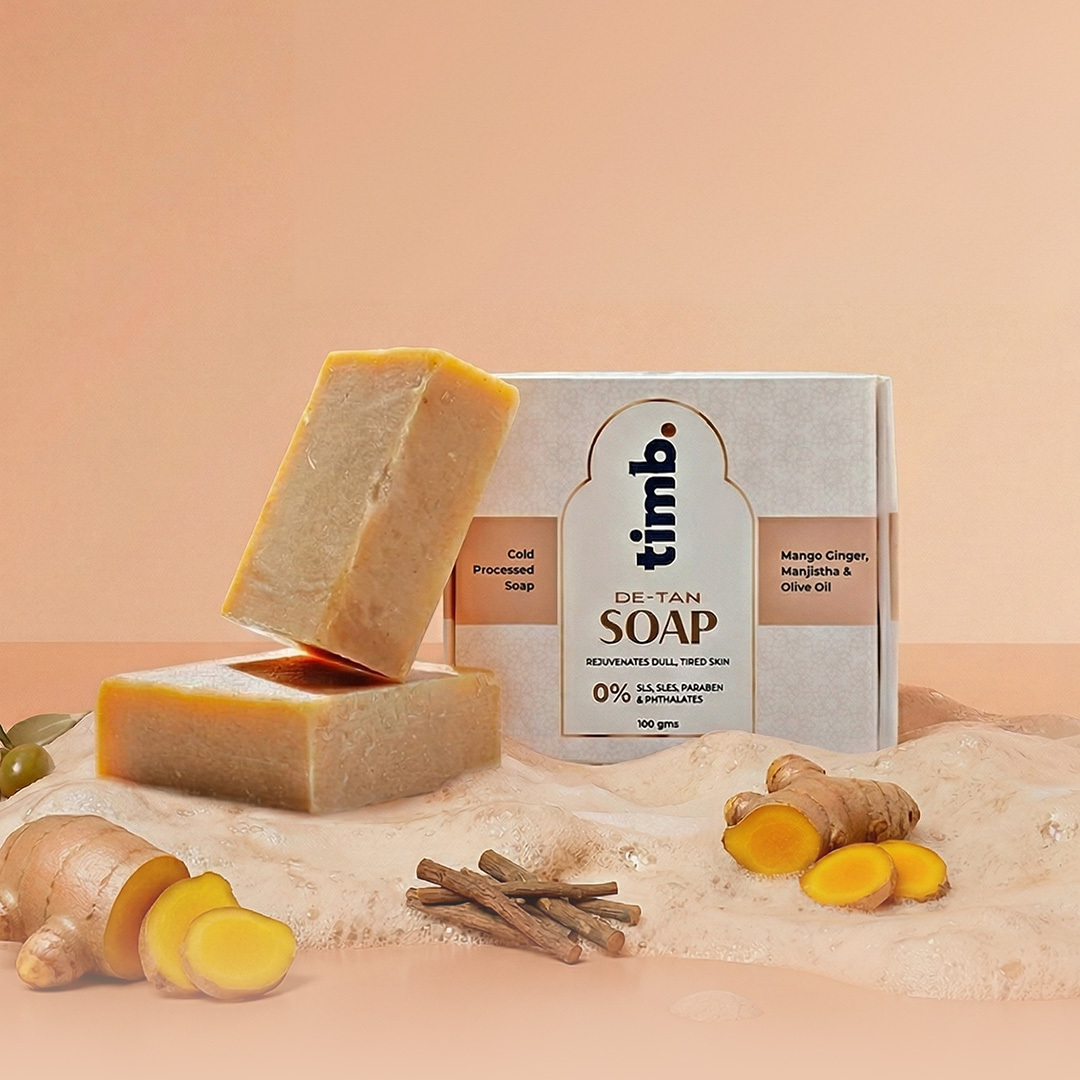
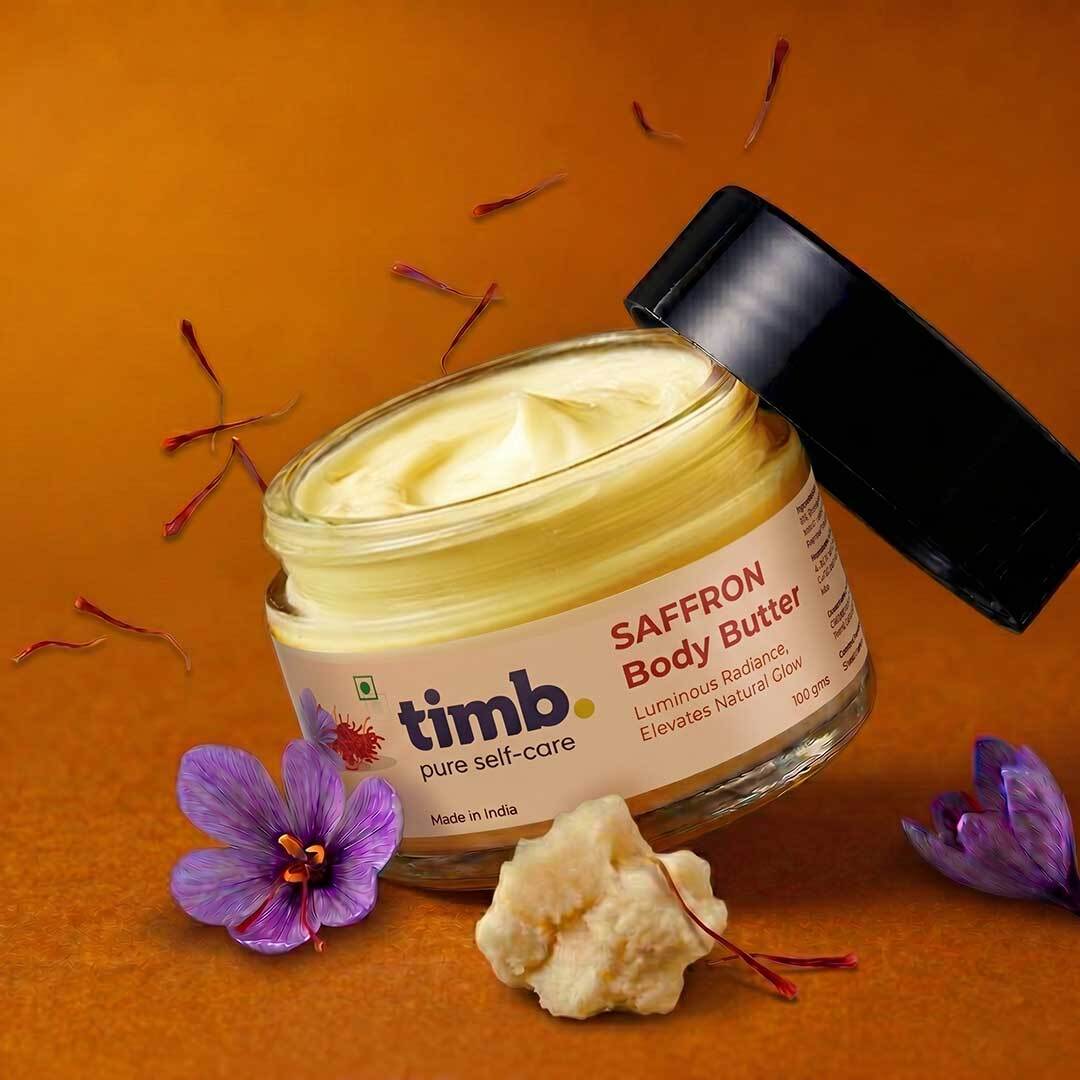
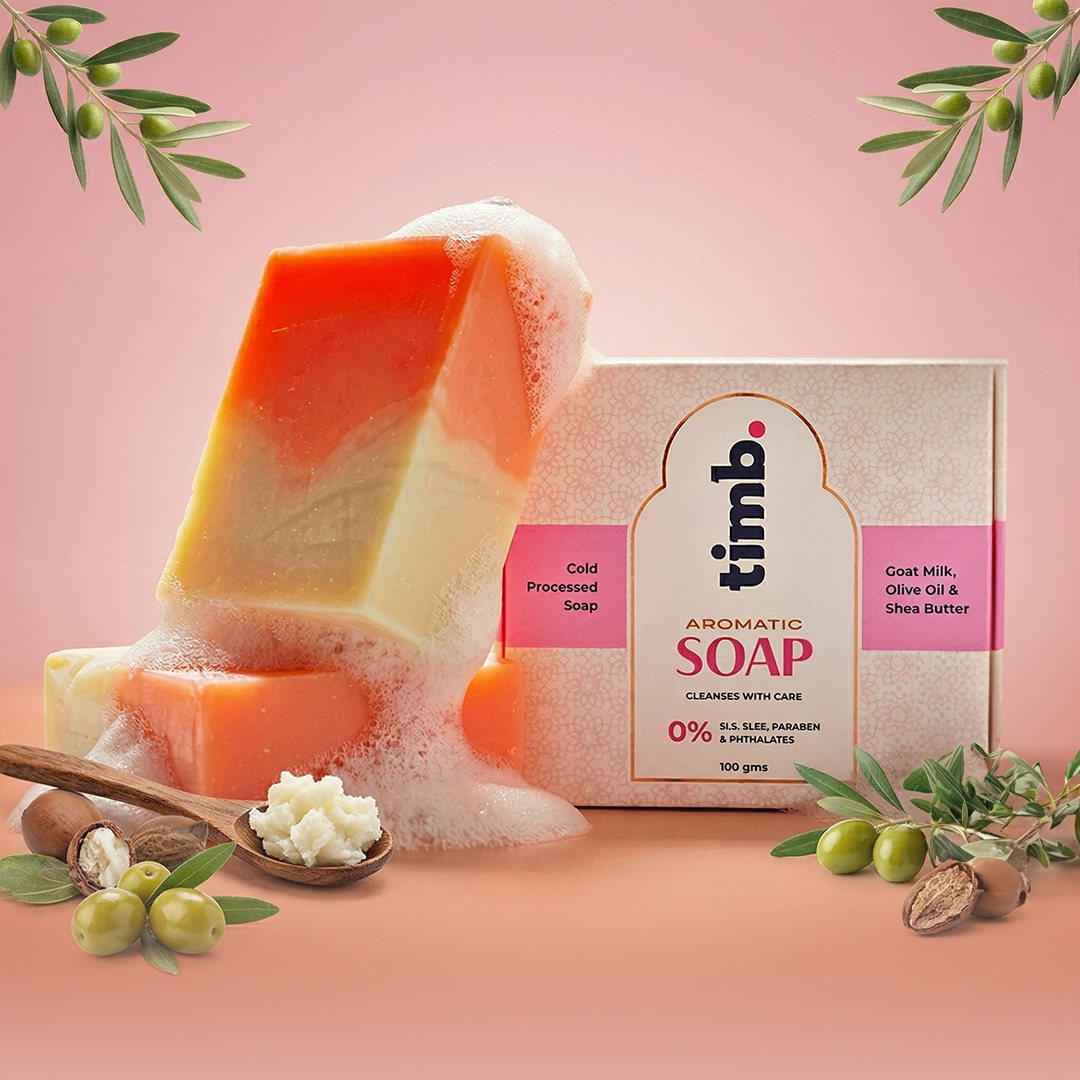
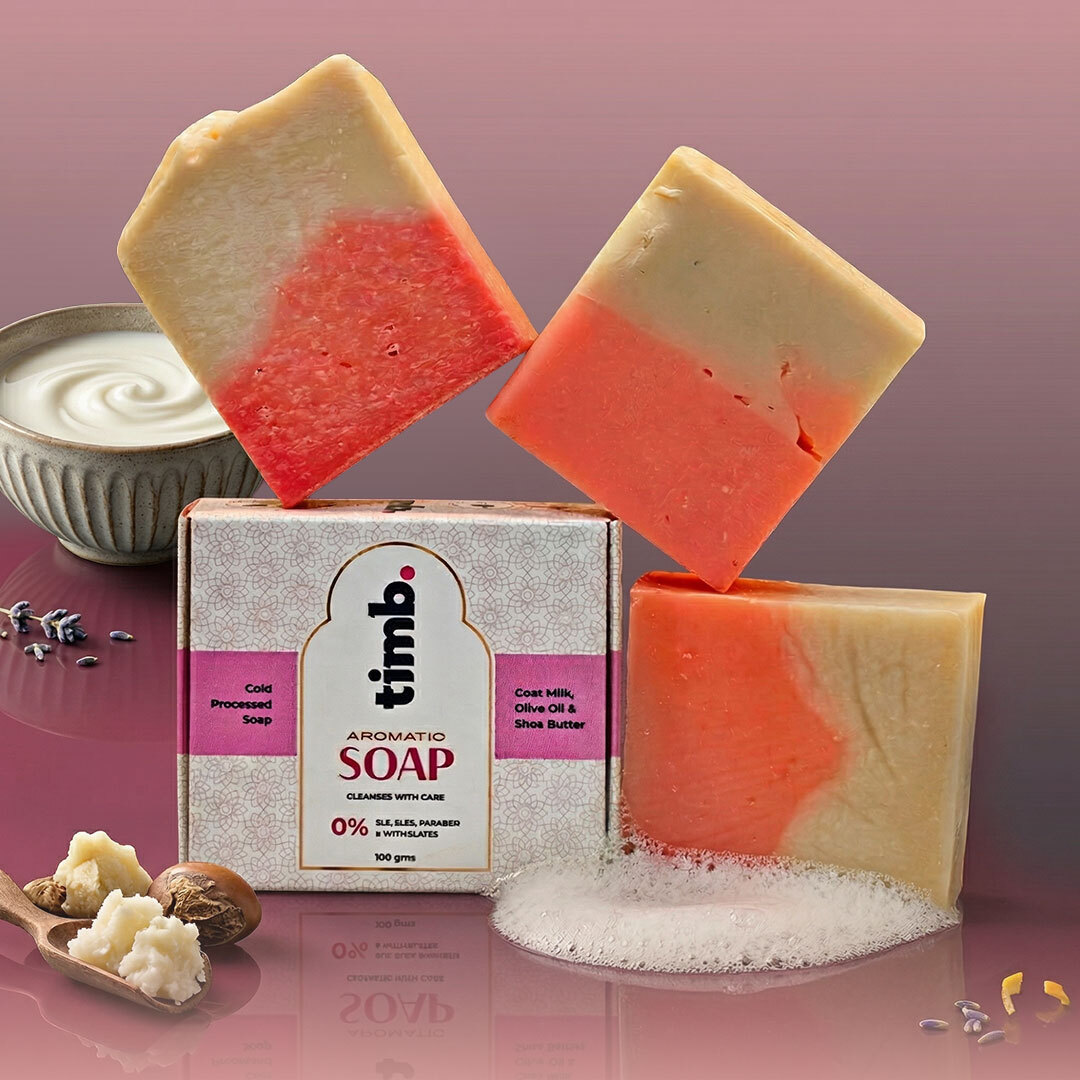
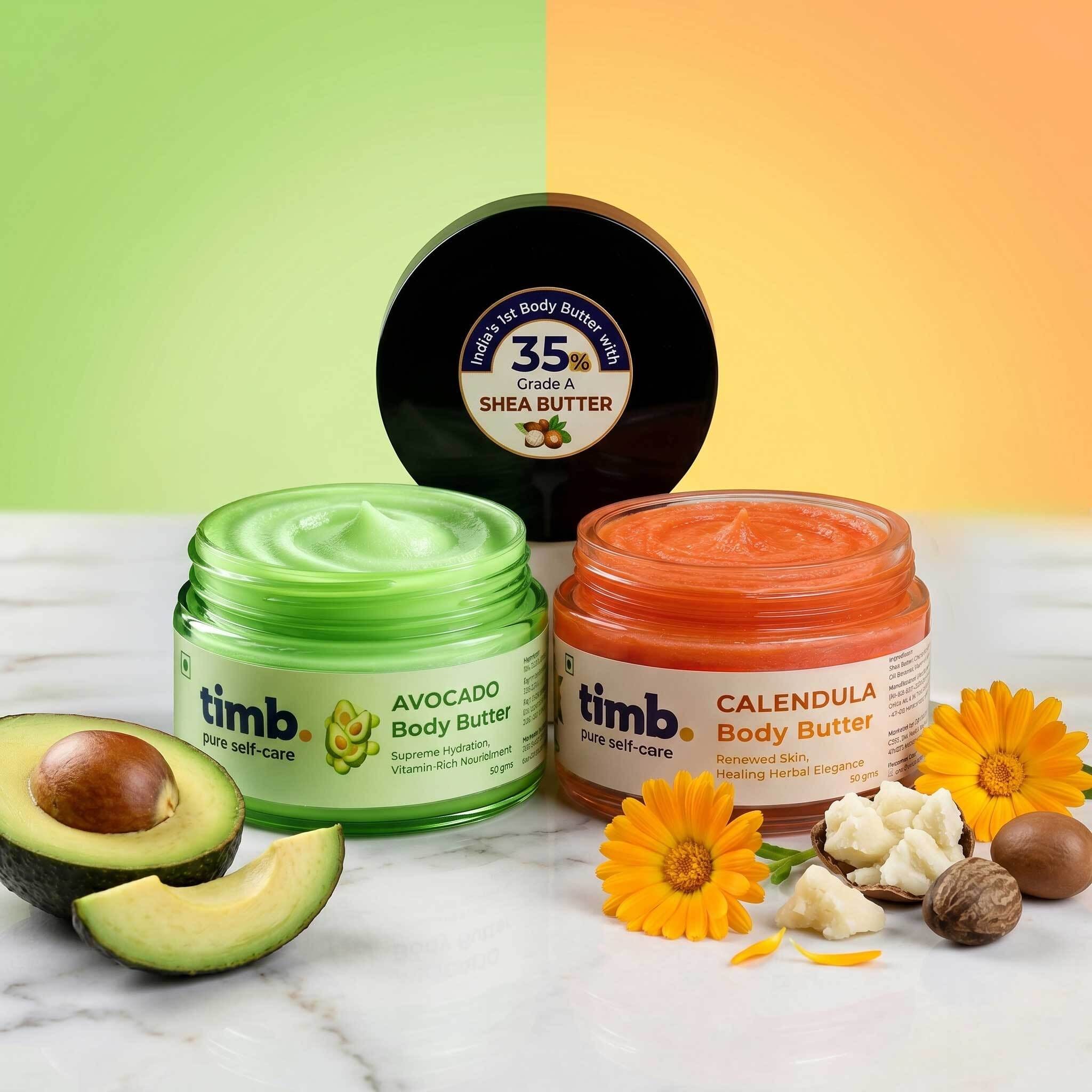
Instead of experimenting with harsh DIY remedies, opt for skincare that’s designed to nourish and repair. Timb’s De-tan Soap is made with botanical ingredients that support healthy skin without compromising the skin barrier. Depending on your routine, you can explore our body butters that complement a gentle skincare routine. The goal isn’t to bleach your skin; it’s to keep it healthy, hydrated, and naturally radiant.
Conclusion
Believing every viral skincare hack can do more harm than good. Many popular tan removal myths are rooted in misinformation rather than science, and following them blindly may leave your skin darker through irritation and inflammation.
The safest approach combines sun protection, patience, evidence-backed ingredients, and a consistent skincare routine. Instead of relying on harsh skin-tanning remedies, focus on natural tan removal methods that protect your skin barrier and reduce pigmentation gradually.
Healthy, glowing skin isn’t achieved through overnight miracles. It’s built through informed choices. By avoiding common pigmentation myths, choosing effective skin treatment products, and incorporating quality face products for glowing skin into your daily routine, you’ll achieve results that are not only visible but also long-lasting.
FAQ's
Some of the biggest tan removal myths include using lemon juice, baking soda, toothpaste, or harsh scrubs to remove a tan. These remedies can irritate the skin and may even worsen pigmentation.
Some natural tan removal ingredients like aloe vera or licorice extract may help soothe and brighten the skin over time. However, harsh DIY remedies are not scientifically proven to remove tanning safely.
Look for skin treatment products containing Vitamin C, Niacinamide, Alpha Arbutin, Licorice Extract, or gentle AHAs. These ingredients help improve uneven skin tone gradually without damaging the skin.
DeTan: Tan Removal Bath Soap Bar | Handmade Cold Processed Skin Brightening Bathing Soap | 100% Chemical Free | 100g (Pack of 2)
Rated 4.31 out of 5₹758.00Original price was: ₹758.00.₹659.00Current price is: ₹659.00.MRP (incl. of all taxes) Add to cartSaffron Body Butter with Shea | Aromatic Glow | Skin Moisturizer | Unisex | All Seasons | 100gm
Rated 4.50 out of 5₹649.00Original price was: ₹649.00.₹589.00Current price is: ₹589.00.MRP (incl. of all taxes) Add to cartAbhyangam Ubtan Powder | Natural Face & Body Brightening Mask | 75gms
Rated 4.53 out of 5₹199.00Original price was: ₹199.00.₹179.00Current price is: ₹179.00.MRP (incl. of all taxes) Add to cartAromatic: Goat Milk Bath Soap Bar | Handmade Cold Processed Bathing Soap | With Shea Butter & Coconut Oil | 100g (Pack of 1)
Rated 4.63 out of 5₹379.00Original price was: ₹379.00.₹341.00Current price is: ₹341.00.MRP (incl. of all taxes) Add to cart