
Key Takeaways
- Face packs and sheet masks serve different skincare purposes.
- Face packs are excellent for deep cleansing, oil control, exfoliation, and detoxification.
- Sheet masks are best for instant hydration, nourishment, and soothing irritated skin.
- Choosing between the two depends on your skin type, concerns, and skincare goals.
- Both can be included in your skincare routine if used correctly.
- Natural ingredient-based face packs often provide long-term skin benefits without unnecessary additives.
Introduction
Walk into any skincare store or browse online, and you’ll find hundreds of face masks promising glowing, youthful, and flawless skin. Two of the most popular options are traditional face packs and modern sheet masks. While both claim to improve your skin, many people still wonder about the real difference between them.
The debate around face pack vs sheet mask has become increasingly popular because consumers want products that actually work instead of simply following skincare trends. Social media influencers often showcase sheet masks for their instant glow, while dermatologists continue recommending clay, herbal, and cream-based face packs for targeted skin concerns.
So, which one deserves a place in your skincare routine?
The answer isn’t as simple as choosing one over the other. Both products have unique benefits and work differently on your skin. Understanding their ingredients, functions, advantages, and limitations can help you make the right decision.
In this comprehensive guide, we’ll compare face packs and sheet masks based on effectiveness, skin type, ingredients, cost, convenience, and long-term results so you can confidently choose what suits your skin best.
Understanding Face Packs and Sheet Masks
What Is a Face Pack?
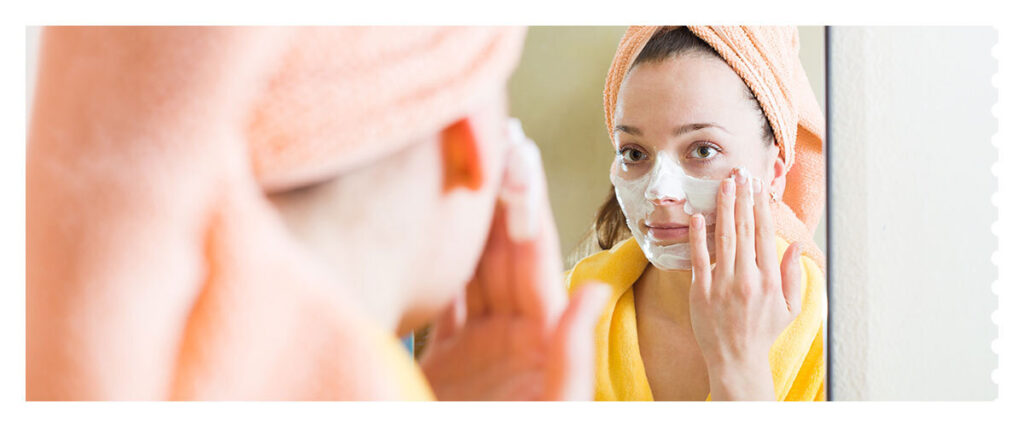
A face pack is a skincare treatment applied evenly over the face and left on until it dries or absorbs into the skin. Face packs come in various forms:
Most face packs work by cleansing pores, removing excess oil, exfoliating dead skin cells, and improving overall skin texture.
Natural face packs often contain ingredients such as:
- Multani Mitti
- Sandalwood
- Turmeric
- Aloe Vera
- Neem
- Rose petals
- Oatmeal
- Kaolin clay
These ingredients target specific skin concerns naturally.
What Is a Sheet Mask?
A sheet mask is a thin fabric, hydrogel, or bio-cellulose sheet soaked in a serum containing active skincare ingredients.
Unlike face packs, sheet masks don’t dry on the skin. Instead, they create a barrier that allows the serum to penetrate more effectively.
Common ingredients include:
- Hyaluronic Acid
- Niacinamide
- Vitamin C
- Peptides
- Ceramides
- Green Tea
- Centella Asiatica
- Snail Mucin
Sheet masks mainly focus on hydration and nourishment rather than cleansing.
Face Pack vs Sheet Mask: Major Differences
Feature | Face Pack | Sheet Mask |
Primary Function | Cleansing & Detox | |
Removes Oil | Yes | No |
Cleans Pores | Excellent | Minimal |
Yes | Rarely | |
Moderate | Excellent | |
Deep Cleansing | High | Low |
Instant Glow | Good | Excellent |
Suitable Before Makeup | Sometimes | Yes |
Customizable | Yes | No |
Eco-Friendly | Often | Less due to single-use packaging |
Benefits of Face Packs
1. Deep Cleansing
Face packs absorb dirt, excess oil, pollution particles, and impurities trapped inside pores.
This makes them ideal for:
2. Controls Excess Oil
Clay and mud face packs absorb sebum effectively, helping prevent clogged pores and reducing acne breakouts.
3. Improves Skin Texture
Regular use removes dead skin cells and encourages smoother, softer skin.
4. Helps Reduce Acne
Ingredients like neem, tea tree, and turmeric have antibacterial properties that may help minimize acne-causing bacteria.
5. Brightens Skin Naturally
Herbal ingredients improve skin tone over time without harsh bleaching agents.
6. Affordable
Many face packs provide multiple uses, making them cost-effective compared to single-use sheet masks.
Benefits of Sheet Masks
Instant Hydration
Sheet masks are packed with moisturizing serums that instantly replenish dehydrated skin.
Gives Temporary Glow
The concentrated serum makes the skin appear plumper and brighter immediately after use.
Soothes Sensitive Skin
Ingredients like aloe vera, centella, and chamomile calm redness and irritation.
Convenient
There’s no mixing or washing required, making sheet masks perfect for travel or busy schedules.
Enhances Serum Absorption
The sheet prevents quick evaporation, allowing active ingredients to stay on the skin longer.
Face Pack vs Sheet Mask Based on Skin Type
Oily Skin
Winner: Face Pack
Oily skin benefits from oil-absorbing ingredients that help control shine and prevent clogged pores.
Recommended ingredients:
- Kaolin Clay
- Multani Mitti
- Neem
- Charcoal
Dry Skin
Winner: Sheet Mask
Dry skin requires intense hydration that sheet masks provide effectively.
Best ingredients:
- Hyaluronic Acid
- Ceramides
- Aloe Vera
Combination Skin
A balanced approach works best.
- Face pack once weekly
- Sheet mask once weekly
Acne-Prone Skin
Face packs containing antibacterial ingredients generally work better.
Avoid overly fragranced sheet masks that may irritate inflamed skin.
Sensitive Skin
Cream-based face packs or fragrance-free sheet masks both work well depending on the ingredients.
Always patch test first.
Which Gives Better Long-Term Results?
When comparing face pack vs sheet mask, long-term results depend on consistency and the concern you’re addressing.
Face packs generally offer:
- Cleaner pores
- Better oil balance
- Reduced blackheads
- Improved skin texture
- Fewer breakouts
Sheet masks provide:
For lasting improvements in skin health, face packs often have an advantage because they address the root causes of many skin issues, such as excess oil and clogged pores. Sheet masks excel at maintaining hydration and providing a quick refresh, making them a great addition rather than a replacement.
Common Myths About Face Packs and Sheet Masks
Myth 1: Sheet masks replace moisturizers.
Reality: They add hydration but should usually be followed by a moisturizer to lock in the serum.
Myth 2: Face packs should be used daily.
Reality: Overusing face packs can dry out the skin. Most people benefit from using them 1–2 times a week.
Myth 3: More expensive masks always work better.
Reality: Ingredient quality and suitability for your skin matter more than the price.
Myth 4: Sheet masks shrink pores permanently.
Reality: They can temporarily improve the appearance of pores but do not permanently reduce pore size.
What Experts Say
Many dermatologists emphasize choosing skincare products based on individual skin needs rather than trends.
According to Dr. Sharad, maintaining a healthy skin barrier with appropriate cleansing and hydration is more important than using multiple products. Clay-based treatments can help oily skin manage excess sebum, while hydrating masks benefit dry or dehydrated skin when used appropriately.
Experts also recommend paying close attention to ingredient lists, avoiding products with excessive fragrance or alcohol if you have sensitive skin, and introducing new masks gradually to monitor your skin’s response.
Ingredients to Look For
The effectiveness of any skincare product depends largely on its ingredients. Whether you’re choosing a face pack or a sheet mask, selecting the right formulation for your skin type is essential.
Ingredients That Work Well in Face Packs
A gentle clay that absorbs excess oil without excessively drying the skin.
Benefits
Known for its strong oil-absorbing properties.
Benefits
- Removes excess sebum
- Helps unclog pores
- Ideal for oily skin
Multani Mitti (Fuller’s Earth)
A traditional skincare ingredient widely used for oily skin.
Benefits
Aloe Vera
Provides soothing hydration.
Benefits
Turmeric
A traditional botanical ingredient commonly used in skincare.
Benefits
- Brightens dull-looking skin
- Helps improve overall complexion
- Complements herbal face packs
Ideal for dry and sensitive skin.
Benefits
- Soothes discomfort
- Provides gentle exfoliation
- Helps soften the skin
Ingredients That Work Well in Sheet Masks
One of the most popular hydrating skincare ingredients.
Benefits
A versatile ingredient suitable for many skin types.
Benefits
A powerful antioxidant.
Benefits
- Brightens dull skin
- Supports an even-looking complexion
- Helps protect against environmental stress
Essential lipids naturally present in the skin.
Benefits
Popular in Korean skincare.
Benefits
Often included in anti-aging sheet masks.
Benefits
Ingredients to Avoid
Not every skincare ingredient suits every skin type. When comparing face pack vs sheet mask, avoid choosing products solely based on attractive packaging or marketing claims.
Be cautious of:
Excessive Alcohol
Can dry out the skin and weaken the skin barrier, especially in people with dry or sensitive skin.
Artificial Fragrance
Strong fragrances may trigger irritation or redness in sensitive skin.
Harsh Physical Exfoliants
Large walnut shell particles or coarse scrubs can create micro-tears in the skin when overused.
High Essential Oil Concentrations
Essential oils may irritate sensitive skin if present in large amounts.
Unknown Whitening Ingredients
Avoid products making unrealistic “instant whitening” claims without clearly listing their ingredients.
Common Myths About Face Packs and Sheet Masks
Myth | Reality |
|---|---|
Sheet masks are always better than face packs. | Both serve different skincare purposes. |
Face packs dry out everyone’s skin. | Only certain clay packs may feel drying; cream-based packs are moisturizing. |
Using a sheet mask every day guarantees glowing skin. | Overuse may not benefit every skin type and isn’t necessary for most people. |
Face packs remove acne permanently. | |
Expensive sheet masks always work better. | Ingredients and formulation matter more than price. |
More time means better results. | Leaving products on longer than recommended may increase irritation without providing additional benefits. |
Can You Use Both Together?
Yes but not at the same time.
A balanced skincare routine may include both products based on your skin’s needs.
For example:
Day | Skincare Treatment |
Monday | Gentle hydrating sheet mask |
Thursday | Clay face pack |
Saturday | Nourishing sheet mask |
This approach provides both purification and hydration without overwhelming the skin.
How Often Should You Use Them?
Face Packs
- Oily skin: 2 times weekly
- Combination skin: 1–2 times weekly
- Dry skin: Once weekly (cream-based)
- Sensitive skin: Once every 10–14 days
Sheet Masks
- Dry skin: 2–3 times weekly
- Normal skin: 1–2 times weekly
- Combination skin: 1–2 times weekly
- Oily skin: 1–2 times weekly using lightweight formulations
Face Pack vs Sheet Mask: Which One Wins?
The answer depends entirely on your skincare goals.
If You Want… | Choose… |
Deep cleansing | Face Pack |
Oil control | Face Pack |
Pore care | Face Pack |
Instant hydration | Sheet Mask |
Pre-event glow | Sheet Mask |
Sheet Mask | |
Weekly skin detox | Face Pack |
Long flight skincare | Sheet Mask |
Rather than choosing a winner, think of face packs and sheet masks as complementary treatments. Each has its own role in maintaining healthy skin.
Suggestions & Recommendations
Choose a face pack if you:
- Have oily or acne-prone skin.
- Want to detoxify your pores.
- Need gentle exfoliation.
- Prefer reusable products over single-use options.
- Are looking for long-term improvement in skin texture.
Choose a sheet mask if you:
- Have dry or dehydrated skin.
- Need a quick glow before an event.
- Want soothing care after sun exposure.
- Travel frequently and prefer convenience.
- Need an easy hydration boost after a long day.
Solutions & Pro Tips
Double Cleanse First
Applying any mask on properly cleansed skin helps active ingredients work more effectively.
Don’t Let Clay Masks Over-Dry
Rinse off clay-based face packs when they are almost dry rather than completely cracked to avoid excessive moisture loss.
Refrigerate Sheet Masks
Using a chilled sheet mask can reduce puffiness and leave your skin feeling refreshed.
Avoid Using Masks Back-to-Back
Using multiple masks in one session may overwhelm your skin, especially if they contain strong active ingredients.
Moisturize After Masking
Whether you use a face pack or a sheet mask, finish your routine with a suitable moisturizer to support your skin barrier.
Stay Consistent
Healthy skin comes from regular care rather than occasional intensive treatments. Aim to include masks in your routine once or twice a week based on your skin’s needs.
Consider Natural Options
If you prefer skincare made with naturally derived ingredients, explore face packs crafted with herbal botanicals and gentle formulations. The Timb Store offers a range of natural skincare products inspired by traditional ingredients, making it easier to build a simple and effective skincare routine.
Conclusion
The debate over face pack vs sheet mask doesn’t have a one-size-fits-all answer because each serves a different purpose. Face packs are ideal for deep cleansing, balancing excess oil, refining skin texture, and supporting long-term skin health. Sheet masks, meanwhile, shine when your skin needs an instant dose of hydration, soothing care, or a temporary radiant glow.
Instead of treating them as competitors, think of them as complementary products. A clay or herbal face pack can help purify your skin once a week, while a hydrating sheet mask can replenish moisture whenever your skin feels dry or tired. Matching the product to your skin type and concern is far more effective than following trends.
Ultimately, healthy, glowing skin comes from consistency, gentle care, and choosing quality products that suit your unique needs. Whether you reach for a face pack, a sheet mask, or both, focusing on a balanced skincare routine will deliver the best long-term results.
FAQ's
Most people can use a face pack 1–2 times per week, depending on their skin type and the formulation.
Yes. Lightweight, non-comedogenic sheet masks with ingredients like niacinamide or green tea can provide hydration without feeling heavy.
Some exfoliating or brightening face packs may help improve the appearance of a tan over time, but they do not remove a tan instantly.
Most sheet mask serums are designed to be gently patted into the skin without rinsing. Follow the instructions provided with the specific product.
Yes, provided they contain gentle ingredients and are suitable for sensitive skin. Always perform a patch test before applying any new product to your face.
Abhyangam Ubtan Powder | Natural Face & Body Brightening Mask | 75gms
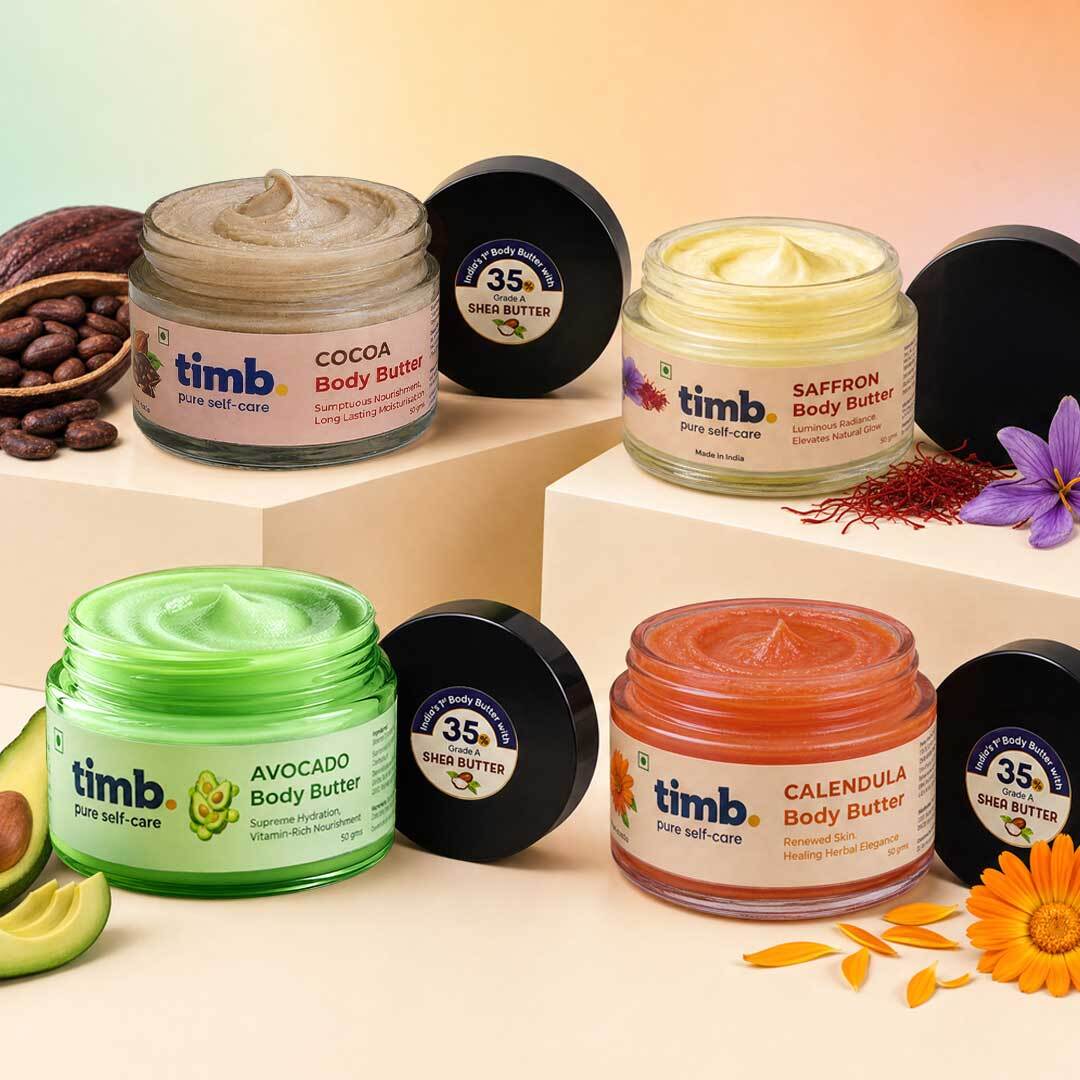
Rated 4.53 out of 5₹199.00Original price was: ₹199.00.₹179.00Current price is: ₹179.00.MRP (incl. of all taxes) Add to cartCalendula, Avocado, Cocoa, Saffron Body Butter with Shea | Dry Skin | Men & Women | All Seasons | 50gm Each
Rated 4.52 out of 5₹1,516.00Original price was: ₹1,516.00.₹1,349.00Current price is: ₹1,349.00.MRP (incl. of all taxes) Add to cart