

Key Takeaways-
- Your pillow cover may be affecting your skin and hair more than you realize.
- Oil, sweat, and dead skin buildup can contribute to acne and irritation.
- Friction from pillow covers can lead to hair breakage, frizz, and tangles.
- Clean pillow covers help skincare products work more effectively overnight.
- Small habits like changing your pillow cover regularly can make a noticeable difference.
Have you ever woken up, looked at your pillow, and noticed a few strands of hair lying there? Or maybe you’ve spotted a breakout on your cheek and wondered where it came from.
Surprisingly, your pillow cover might have more to do with these issues than you think. Problems like pillowcase acne are becoming increasingly common, yet many people overlook one simple factor – the surface their face rests on every night. In fact, sleeping habits, skin care experts often point out that what happens during those 7-8 hours of sleep can impact your skin and hair health. Concerns related to pillowcase acne and pillow cover hair fall are often linked to hygiene, friction, and moisture buildup. That’s why understanding sleeping habits and skin care can be just as important as choosing the right shampoo or moisturizer.
You spend nearly one-third of your life sleeping. During this time, your face and hair are constantly in contact with your pillow, and over time, this simple contact can influence your skin and hair more than you realize.
Introduction
Most people assume acne and hair fall are caused only by stress, hormones, poor diet, or pollution. While these factors certainly play a role, they don’t always explain everything. Have you ever noticed that even after improving your routine, using quality products, and staying consistent, your skin and hair still don’t respond the way you expect?
Rohan experienced the same confusion. He is a working professional with a busy routine who follows a proper skincare routine, uses good haircare products, and tries to maintain a balanced lifestyle. Yet his skin kept breaking out, especially around the cheeks, and his hair slowly started feeling more fragile.
At one point, he started questioning everything. He asked himself:
- “If my routine is correct, why are my results not improving?”
- “Why does my skin keep reacting the same way again and again?”
- “Is there something I’m completely ignoring?”
He tried changing products, adjusting his diet, and even reducing stress levels, but nothing gave consistent results. Eventually, he decided to visit a dermatologist. What he learned completely changed his perspective. The issue wasn’t just internal or product-related – it was something surprisingly simple that he had never considered before his pillow cover.
To make it even clearer, think about this. Two people may follow almost the same skincare and haircare routine. They use similar products, eat similar diets, and maintain similar lifestyles. Yet after a few weeks, one enjoys healthier skin and stronger hair while the other continues struggling with breakouts and hair fall. So what creates the difference? Sometimes, it comes down to small habits that are easy to overlook. As the saying goes, “Your skin and hair remember what you rest on every day, not just the products you apply once in a while.” That realization became Rohan’s turning point.
Understanding the Problem: How Your Pillow Cover Affects Acne and Hair Fall
Here’s something most people never think about: what really happens to your skin and hair while you sleep? At night, your body goes into repair mode – skin regenerates, inflammation reduces, and hair recovers from daily stress. However, this natural recovery process depends heavily on the surface you sleep on every night. Rohan noticed something he had ignored for a long time: his pillow cover was slowly collecting sweat, oil, dead skin cells, hair products, and dust without him even realizing it.
Over time, this can quietly lead to:
- Acne coming back in the same areas
- Skin feeling dull, dry, or irritated in the morning
- Hair becoming rough, tangled, or more prone to fall
Now think of two people with the same skincare and hair care routine. One keeps their pillow cover clean, while the other does not. After a few weeks, the difference often becomes visible, with healthier skin and stronger hair commonly seen in the person who maintains better sleep hygiene, even without changing products. Experts explain that skin and hair are influenced not only by the products you use but also by the surfaces they come into contact with for several hours every night. So, can a pillow cover really affect your routine? The answer is yes – perhaps not overnight, but slowly and significantly over time.
Interesting Fact About Pillow Covers –
A pillow cover can collect sweat, oil, and dead skin cells within just 3-4 nights, which is why dermatologists recommend washing or changing it every 5-7 days for better skin and hair health.
What Experts Say About the Link Between Pillow Hygiene and Hair Fall & Acne
Dermatologists and hair specialists often highlight one important point: most people underestimate the role of their sleeping environment. According to Dr. Ananya, a dermatologist, skincare results depend not only on the products you apply but also on what your skin comes into contact with for several hours every night. She explains that while your skin naturally repairs and recovers during sleep, the surface it rests on can either support or interfere with that process.
“Your skin heals at night, but only when the surface it rests on allows proper recovery without irritation or contamination.”
Now think about another real-life comparison. Two people use the same skincare and haircare products for a month. One sleeps on a clean, soft pillow cover that stays hygienic and reduces friction, while the other sleeps on a pillowcase that gradually collects oil, sweat, and dirt. Even if everything else remains the same, their results can start to differ over time. The reason is simple – skincare products work best when they remain on the skin long enough to do their job. If they are repeatedly rubbed off, absorbed into fabric, or exposed to accumulated bacteria and impurities, their effectiveness may gradually decrease.
Here’s another example. Two people apply the same night cream before sleeping. One’s skin absorbs it properly, while the other’s pillow cover absorbs a large portion of it overnight.
As a result, one person may wake up with hydrated, healthy-looking skin, while the other sees little to no improvement despite using the same products. This difference highlights why experts often emphasize:
“Consistency and a clean sleeping environment beat intensity when it comes to long-term care.”
How Your Nighttime Environment Causes Friction and Breakouts
The Friction Factor
Have you ever woken up with messy, tangled, or frizzy hair even after taking good care of it? Every night, your hair rubs against your pillow cover as you move during sleep, and if the fabric creates too much friction, it can gradually weaken the hair cuticle. Over time, this may lead to breakage, split ends, dryness, and increased hair fall. Think of it like a strong thread that slowly becomes weaker when repeatedly rubbed against a rough surface – the same thing can happen to your hair night after night without you even noticing it.
Bacteria and Oil Build-Up
Even if your pillow cover looks clean, it collects a lot more than you think. Every night, it absorbs sweat, natural oils, dead skin cells, skincare residue, and environmental dust. Over time, this buildup repeatedly comes into contact with your skin, increasing the chances of clogged pores, acne breakouts, and uneven skin texture. This is exactly what Rohan was unknowingly dealing with. Along with maintaining good pillow hygiene, certain skincare ingredients may help support healthier-looking skin:
- Salicylic Acid
- Glycolic Acid
- Niacinamide
- Hyaluronic Acid
Ingredients like Salicylic Acid, Glycolic Acid, Niacinamide, and Hyaluronic Acid can support clearer, smoother, and more hydrated skin. While Salicylic and Glycolic Acids help with exfoliation and clogged pores, Niacinamide strengthens the skin barrier, and Hyaluronic Acid helps retain moisture.
Interesting Fact: How Pillow Covers Impact Skin Results More Than You Think
Here’s something most people miss. Your face spends more time on your pillow (around 2,500+ hours a year) than on most skincare products you use, which is why pillow hygiene can impact acne and skin health more than expected.
How Pillow Covers Affect Skin Moisture
Have you ever completed your skincare routine at night only to wake up with skin that still feels dry or dull? One possible reason could be your pillow cover. Fabrics like cotton can absorb moisture, natural oils, and even some of the skincare products applied before bed. As a result, instead of working fully on your skin, part of your routine may end up on your pillow, which can contribute to dry skin, frizzy hair, and less noticeable results over time.
Solutions & Pro Tips for Pillow Cover Acne and Hair Fall
The good news is that fixing this does not require a complicated routine.
Simple and consistent habits can make a noticeable difference:
- Wash pillow covers regularly every 5-7 days
- Avoid sleeping with wet hair, as it increases friction and bacteria growth
- Allow skincare products to fully absorb before sleeping
- Maintain clean and hygienic bedding habits
- Use smoother fabrics that reduce friction
- Avoid heavy product buildup on skin and hair at night
Now imagine two people with the same skincare routine. One follows these small habits while the other ignores them. Over time, even without changing products, their results begin to differ significantly. That’s how powerful your sleep environment can be.
Pro Tip1- Fix Your Pillow, Not Just Your Products
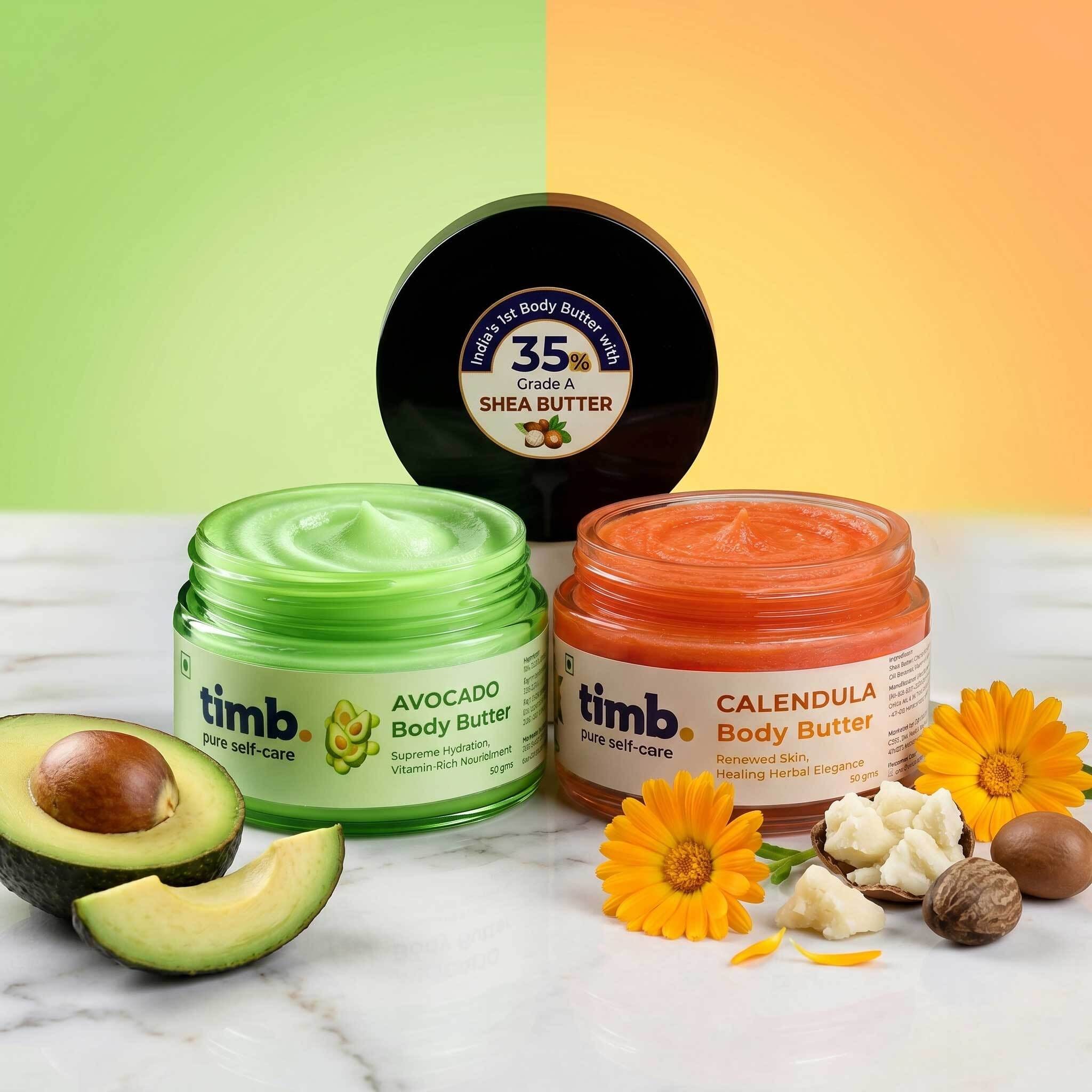
If you are dealing with acne or hair fall, start by checking your pillow cover first. Switching to a clean pillow cover every 2-3 days and washing it regularly can help reduce the transfer of bacteria, oil buildup, and friction that may affect your skin and hair. Along with this, using nourishing skincare like Timb’s Shea Body Butter, made with high-quality shea butter, before bed can help support your skin barrier and promote overnight recovery, especially when paired with a clean sleeping surface.
Pro Tip 2- Don’t Let Wet Hair Touch Your Pillow
Sleeping with wet or even slightly damp hair increases friction and weakens hair strands while you move in your sleep. This can slowly lead to breakage and frizz without you noticing it immediately. To reduce this damage, make sure your hair is fully dry before sleeping and avoid leaving it loose if it tangles easily. Using a strengthening shampoo like Timb’s Protein Shampoo helps improve hair strength over time, making it more resistant to daily friction and overnight stress.
Pro Tip 3- Give Your Skin Time Before Bed
Applying skincare and immediately lying down can cause products to rub off onto your pillow instead of absorbing into your skin. This reduces their effectiveness and can even clog pores.
Try giving your skincare at least 20-30 minutes to fully absorb before sleeping so your skin gets the full benefit of your routine instead of losing it to friction.
Conclusion
So let’s come back to the main question: why do two people with the same routine often get different results? The answer is not always about the products they use, but about their sleep environment, which can quietly affect issues like pillowcase acne, pillow cover hair fall, and the overall effectiveness of their skincare and haircare routine. Rohan’s story is a reminder that real improvement doesn’t always come from adding more steps, but from paying attention to simple things like your pillow cover.
Once you understand this, you realize that your skincare and haircare routine was not necessarily failing – it may have been working against an environment created by poor sleep hygiene. In the end, the difference between “no results” and “great results” often comes down to awareness of the small habits that influence your skin and hair every single night.
FAQs
Yes. Pillow covers can collect oil, sweat, and dead skin cells, which may contribute to clogged pores and breakouts over time.
Ideally, every 3-7 days. Regular washing helps reduce bacteria, dirt, and product buildup.
Yes. Friction from rough or unclean pillow covers can lead to hair breakage, tangles, and increased shedding.
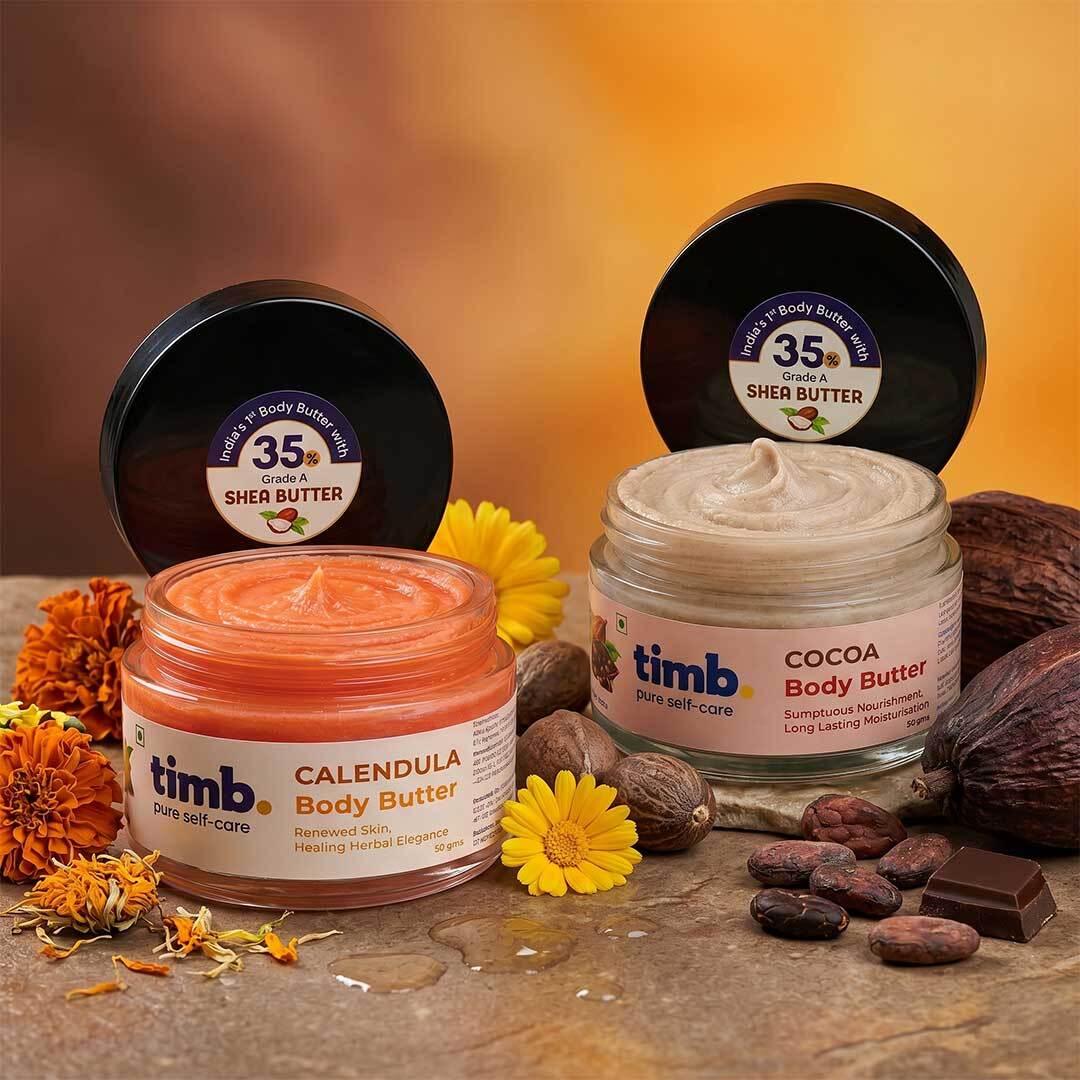
Calendula & Cocoa Body Duo with 35% Grade A Shea Butter | Deep Moisture | 50gm Each
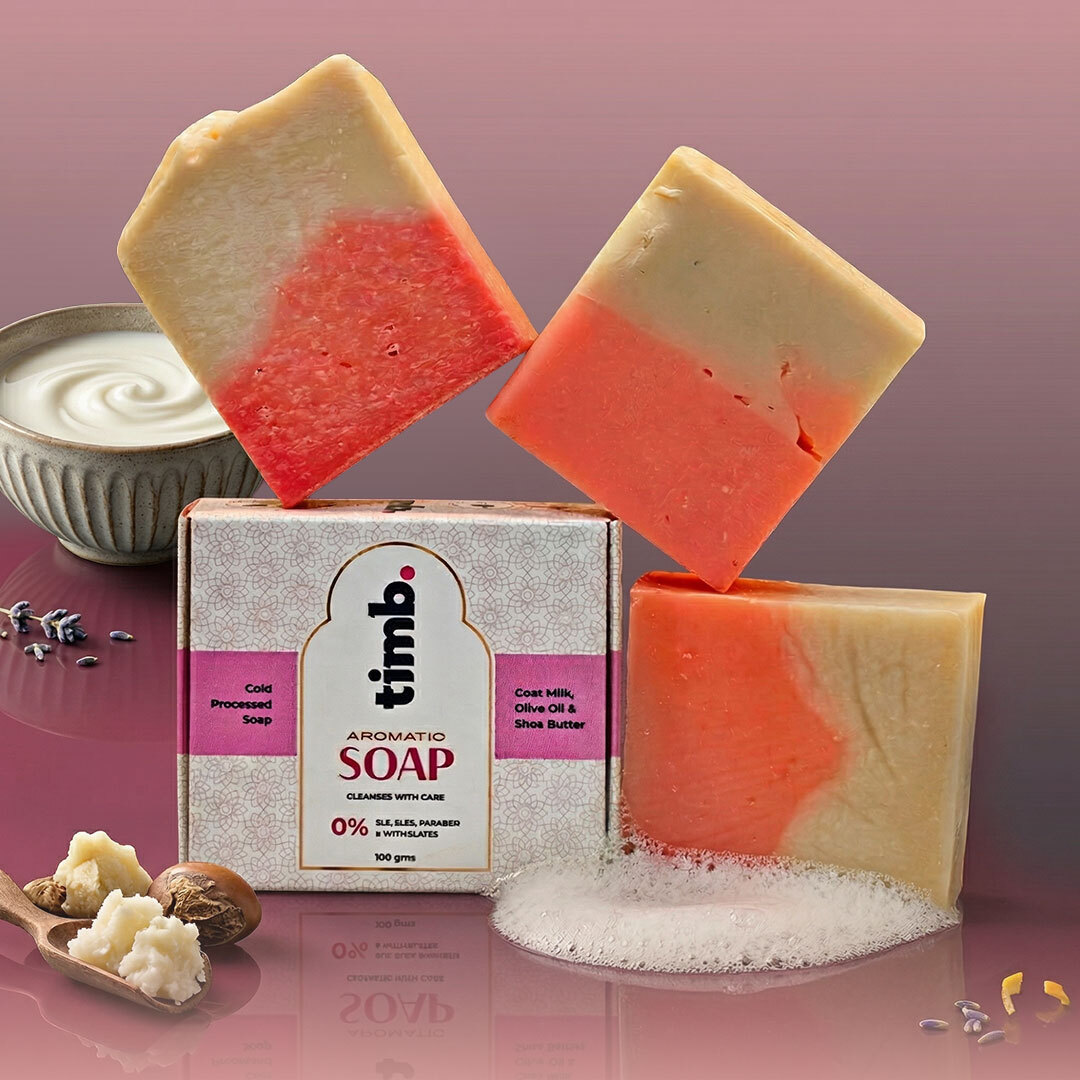
Rated 5.00 out of 5₹758.00Original price was: ₹758.00.₹679.00Current price is: ₹679.00.MRP (incl. of all taxes) Add to cartAromatic: Goat Milk Bath Soap Bar | Handmade Cold Processed Bathing Soap | With Shea Butter & Coconut Oil | 100g (Pack of 3)
Rated 4.29 out of 5₹1,137.00Original price was: ₹1,137.00.₹949.00Current price is: ₹949.00.MRP (incl. of all taxes) Add to cartProtein Shampoo & Nourishing Conditioner Combo | Strengthens Hair | 100ml Each
Rated 4.60 out of 5₹898.00Original price was: ₹898.00.₹779.00Current price is: ₹779.00.MRP (incl. of all taxes) Add to cartPlant-Based Keratin Hair Oil: Growth, Reduces Hair Loss | 100ml
Rated 4.35 out of 5₹449.00Original price was: ₹449.00.₹404.00Current price is: ₹404.00.MRP (incl. of all taxes) Add to cart