

Key Takeaways
- Not all natural beauty products are automatically safer or better for your skin.
- Many clean beauty myths are created through marketing rather than scientific evidence.
- Herbal beauty products can be beneficial, but their effectiveness depends on formulation and quality.
- Understanding ingredient labels is more important than choosing products based on trendy buzzwords.
- Healthy skin comes from choosing products that suit your skin type, not simply products labeled “natural.”
Introduction
The demand for natural beauty products has grown significantly over the past decade as consumers have become more conscious of the ingredients they apply to their skin. Increasing awareness of health, sustainability, and environmental responsibility has encouraged many people to seek out skincare and cosmetic products marketed as herbal, organic, plant-based, or chemical-free. From cleansers and moisturisers to serums, face masks, shampoos, and body lotions, products containing naturally derived ingredients have become a major trend in the global beauty industry.
Social media platforms, beauty influencers, and digital marketing campaigns have further accelerated this shift by promoting the idea that natural products are inherently safer, healthier, and more effective than conventional skincare. Attractive packaging featuring botanical imagery, labels such as “100% natural,” “clean beauty,” “organic,” and “toxin-free,” and testimonials showcasing dramatic results have shaped consumer perceptions and purchasing decisions. As a result, many people believe that simply choosing a product with natural ingredients guarantees better skin health and fewer side effects.
However, the reality is far more complex. The effectiveness and safety of a skincare product do not depend solely on whether its ingredients are natural or synthetic. Every cosmetic product is a carefully designed formulation consisting of multiple ingredients that work together to cleanse, moisturise, protect, preserve, and improve the skin. Natural ingredients such as aloe vera, turmeric, green tea, honey, chamomile, and essential oils may provide valuable skincare benefits, including hydration, soothing properties, antioxidant protection, and gentle nourishment. At the same time, certain botanical extracts and essential oils can also cause irritation, allergic reactions, or skin sensitivity in some individuals, particularly when used in high concentrations or without proper formulation.
Similarly, synthetic ingredients are often misunderstood because of misconceptions surrounding the word “chemical.” In reality, every substance, including water, vitamins, minerals, and plant extracts, is composed of chemicals. Many laboratory-developed skincare ingredients undergo extensive scientific research and safety testing before being incorporated into cosmetic products. Ingredients such as ceramides, niacinamide, hyaluronic acid, glycerin, and certain peptides have been widely studied and are valued for their effectiveness in maintaining the skin barrier, improving hydration, reducing inflammation, and addressing various skin concerns. Therefore, describing products as “chemical-free” is scientifically inaccurate and can create unnecessary fear among consumers.
Another common misconception is that natural beauty products are universally suitable for everyone. In reality, every person’s skin is unique, with differences in skin type, sensitivity, age, lifestyle, environmental exposure, and underlying skin conditions. A product that works exceptionally well for one individual may not produce the same results for another. Factors such as ingredient concentration, product formulation, stability, pH balance, manufacturing quality, and dermatological testing often have a greater impact on a product’s performance than whether its ingredients originate from nature or a laboratory.
As consumers become increasingly aware of skincare, it is essential to distinguish scientific facts from marketing claims. Understanding cosmetic ingredients, reading product labels carefully, evaluating evidence-based research, and selecting products according to individual skin needs are far more reliable approaches than relying solely on buzzwords or attractive branding. Informed skincare decisions require knowledge of both the benefits and limitations of natural as well as synthetic ingredients.
This article explores the truth behind natural beauty products by examining the most common myths and misconceptions surrounding clean beauty and herbal skincare. It discusses the advantages and limitations of natural ingredients, clarifies the meaning of commonly used marketing terms, and explains how skincare products should be evaluated based on formulation, safety, effectiveness, and suitability for individual skin types. By separating facts from marketing, readers will gain a clearer understanding of what truly contributes to healthy skin and how to make informed choices when selecting beauty and skincare products.
Understanding the Problem: Why So Many Consumers Believe Natural Skincare Myths
Over the past few years, the beauty and skincare industry has experienced a significant transformation. Consumers today are far more informed and selective about the products they purchase than ever before. Rather than focusing solely on a product’s promised results, many people now carefully examine ingredient lists, product labels, manufacturing practices, sustainability, cruelty-free certifications, and overall product safety. This growing awareness has encouraged individuals to adopt a more conscious approach to skincare, leading to a remarkable increase in the popularity of natural beauty products.
One of the primary reasons behind this shift is the belief that products made with natural or plant-derived ingredients are inherently safer, healthier, and gentler on the skin than conventional cosmetic products. Many consumers associate natural ingredients with purity, fewer side effects, and long-term skin health. As concerns about synthetic chemicals, environmental pollution, and sustainable living continue to rise, products marketed as herbal, organic, plant-based, or eco-friendly have gained widespread acceptance among people of all age groups.
Recognising this growing demand, beauty brands have increasingly incorporated nature-inspired marketing into their products. Whether shopping in physical stores or browsing online marketplaces, consumers are frequently presented with labels and claims designed to attract attention and build trust. Some of the most commonly used marketing terms include:
These terms immediately create an impression of purity, safety, and effectiveness. In addition to these labels, brands often use earthy colours, minimalist packaging, recycled materials, and images of herbs, flowers, fruits, and leaves to reinforce the perception that their products are healthier alternatives to traditional skincare. Such branding strategies can strongly influence purchasing decisions, sometimes even before consumers take the time to examine the ingredient list or understand how the product is formulated.
Although many natural beauty products genuinely contain beneficial botanical ingredients and offer valuable skincare benefits, these marketing terms do not always provide a complete or accurate picture of a product’s quality or effectiveness. In many countries, terms such as “natural,” “clean beauty,” and “chemical-free” are not universally standardised or strictly regulated for cosmetic products. This means that different manufacturers may interpret and use these claims differently, even when their products vary significantly in composition and performance.
As a result, consumers may develop unrealistic expectations, believing that any product labelled as natural is automatically safer, more effective, or suitable for all skin types. In reality, skincare effectiveness depends on numerous factors, including ingredient quality, concentration, formulation, product stability, pH balance, preservation systems, manufacturing standards, and compatibility with an individual’s skin type.
The widespread promotion of natural beauty products has also contributed to the rapid spread of skincare misinformation across social media platforms, beauty blogs, online advertisements, and influencer content. Short-form videos and promotional posts often simplify complex scientific concepts into catchy slogans, making it easy for myths and misconceptions to gain popularity. While these messages may be persuasive, they are not always supported by scientific evidence or dermatological research.
Believing such misconceptions can lead consumers to purchase products based solely on marketing claims rather than understanding whether those products are actually appropriate for their specific skin concerns. This highlights the importance of evaluating skincare products objectively instead of relying only on attractive packaging or trending buzzwords.
Common Misconceptions About Natural Beauty Products
One of the biggest challenges in today’s skincare industry is distinguishing scientifically supported facts from marketing claims. Below are some of the most common myths surrounding natural beauty products.
❌ Myth 1: Natural Means Completely Safe
A common belief is that ingredients obtained from nature cannot harm the skin. However, natural ingredients are not automatically free from side effects. Essential oils, citrus extracts, certain herbs, and botanical fragrances may cause irritation, allergic reactions, redness, or increased skin sensitivity in some individuals. Just because an ingredient is natural does not guarantee that it will be suitable for every skin type.
❌ Myth 2: Chemical-Free Products Are Always Better
The phrase “chemical-free” is one of the most misunderstood terms in the beauty industry. Scientifically, every substance—including water, coconut oil, aloe vera, honey, vitamins, and plant extracts—is made of chemicals. Therefore, no skincare product can truly be chemical-free. What matters is not whether a product contains chemicals, but whether those ingredients are safe, properly formulated, thoroughly tested, and appropriate for your skin.
❌ Myth 3: Herbal Beauty Products Never Cause Allergies
Herbal skincare products often contain ingredients with soothing and nourishing properties, but this does not eliminate the possibility of allergic reactions. Certain plant extracts, natural fragrances, and essential oils may trigger irritation depending on an individual’s skin sensitivity, allergies, or the concentration of the ingredients used. Even products containing entirely natural ingredients should be patch-tested before regular use.
❌ Myth 4: Expensive Natural Beauty Products Always Work Better
Many consumers associate higher prices with better quality and superior results. However, the effectiveness of a skincare product depends far more on its formulation, ingredient concentration, stability, manufacturing quality, and suitability for your skin than on its price. An affordable, well-formulated product may deliver better results than a premium product that is not compatible with your skin type.
Interesting Fact
The word “natural” has no universal legal definition for cosmetics in many countries.
Why Are Natural Beauty Products So Popular?
Over the last decade, natural beauty products have emerged as one of the fastest-growing categories in the global skincare and cosmetics industry. Consumers are increasingly choosing products formulated with plant-based ingredients, botanical extracts, herbal blends, and naturally derived oils over conventional skincare products. This shift is driven by the belief that natural products are gentler on the skin, contain fewer harmful ingredients, and are more environmentally responsible. As awareness of personal health and sustainability continues to grow, the popularity of herbal and natural skincare has expanded across people of all age groups.
One of the primary reasons behind this trend is the increasing awareness of skincare ingredients. Modern consumers are far more informed than they were a decade ago. Instead of purchasing products based solely on advertisements or brand recognition, many people now take time to read ingredient lists, compare formulations, research active ingredients, and understand how different products work. Consumers are becoming more interested in knowing what they apply to their skin every day and often seek products that reflect their personal values, such as transparency, sustainability, cruelty-free manufacturing, and environmentally friendly practices.
This growing interest has encouraged beauty brands to develop and promote products containing naturally derived ingredients such as aloe vera, turmeric, green tea, neem, honey, chamomile, tea tree oil, rose extracts, and various botanical oils. These ingredients have long been associated with traditional skincare practices and are widely recognised for their soothing, moisturising, antioxidant, or anti-inflammatory properties. As a result, many consumers perceive natural beauty products as being closer to traditional wellness practices while also meeting modern skincare expectations.
Social media has played a significant role in accelerating the popularity of natural skincare. Platforms such as Instagram, YouTube, TikTok, and Pinterest are filled with beauty influencers, skincare experts, dermatologists, and content creators who regularly share skincare routines, product recommendations, ingredient explanations, and personal experiences. Viral beauty trends, before-and-after transformation videos, and aesthetically pleasing product packaging often inspire consumers to try products that are promoted as natural or herbal. The widespread visibility of these products online has made natural skincare not only a health-conscious choice but also a lifestyle trend.
Marketing has further strengthened this movement. Beauty companies frequently use terms such as Natural, Herbal, Organic, Plant-Based, Clean Beauty, Chemical-Free, and Made with Botanical Extracts to position their products as healthier alternatives. Nature-inspired packaging featuring green colours, leaves, flowers, wooden textures, and earthy designs reinforces the perception of purity and safety. These visual and marketing elements often create an emotional connection with consumers, encouraging them to associate natural ingredients with superior skincare benefits.
Environmental awareness has also become an important factor influencing purchasing decisions. Many consumers are increasingly concerned about the environmental impact of cosmetic products, including plastic waste, unsustainable sourcing, and animal testing. Consequently, they are more likely to support brands that emphasise recyclable packaging, responsibly sourced ingredients, cruelty-free testing, vegan formulations, and sustainable manufacturing practices. Since many natural beauty brands actively promote these values, they appeal to environmentally conscious consumers who wish to reduce their ecological footprint while maintaining an effective skincare routine.
In addition to environmental concerns, the increasing prevalence of pollution, stress, and skin sensitivity has encouraged many individuals to seek milder skincare alternatives. Exposure to environmental pollutants, changing climates, and modern lifestyles can contribute to skin irritation, dryness, acne, and premature ageing. As a result, many people believe that herbal and natural beauty products provide a gentler approach to skincare. Although many botanical ingredients do offer soothing and nourishing properties, it is important to recognise that “natural” does not automatically mean “safer” or “better” for every individual.
The effectiveness of any skincare product depends on far more than the source of its ingredients. Factors such as formulation quality, ingredient concentration, pH balance, product stability, preservation systems, manufacturing standards, scientific research, and compatibility with an individual’s skin type all play crucial roles in determining how well a product performs. A carefully formulated product containing scientifically tested ingredients may be more effective and suitable than a poorly formulated product marketed simply as natural.
Another important consideration is that consumer preferences are often influenced by marketing claims rather than scientific evidence. Labels such as “100% Natural” or “Chemical-Free” can create unrealistic expectations and contribute to misconceptions about skincare. In reality, all cosmetic products, including those made from plants, are composed of chemical compounds. Similarly, natural ingredients can still cause allergies, irritation, or sensitivity in certain individuals. Therefore, understanding ingredient functions and selecting products based on individual skin needs is more important than relying solely on marketing terminology.
As consumers continue to become more knowledgeable about skincare, it is essential to make informed purchasing decisions by evaluating products objectively. Reading ingredient lists, understanding the purpose of active ingredients, considering dermatological recommendations, and choosing products based on personal skin concerns are far more reliable approaches than following social media trends or attractive packaging.
Marketing vs Reality: Does “100% Natural” Really Mean Better?
One of the most common marketing claims you’ll see on skincare packaging is “100% Natural.” At first glance, this sounds like the perfect choice. Many consumers associate natural ingredients with safety, purity, and effectiveness, leading them to believe that natural beauty products are automatically better than products containing synthetic ingredients.
🌿 Marketing Claim
“100% Natural”
This claim is often used to attract customers looking for cleaner, healthier skincare options. It creates the impression that the product is free from anything harmful and is suitable for everyone, regardless of skin type.
✅ Reality
The truth is that 100% natural doesn’t always mean 100% safe.
Many naturally derived ingredients, such as essential oils, citrus extracts, tea tree oil, lavender oil, peppermint oil, and certain botanical extracts, can still cause irritation, redness, allergic reactions, or sensitivity in some individuals. Just because an ingredient comes from nature doesn’t guarantee that it will work well for every skin type.
In fact, some people with sensitive skin may react more strongly to certain natural ingredients than to carefully formulated synthetic ones.
The effectiveness and safety of natural beauty products depend on several factors, including ingredient quality, concentration, formulation, and how well the product matches your individual skin type. A product labelled 100% Natural should still be patch-tested before regular use, just like any other skincare product.
This is one of the biggest natural skincare myths and clean beauty myths in today’s beauty industry. Rather than relying solely on attractive labels, consumers should focus on understanding ingredient lists and choosing products backed by good formulation and skin compatibility.
Interesting Facts
Many plants naturally contain chemicals that protect them from insects and diseases.
Natural doesn’t always mean irritation-free.
Marketing vs Reality: Is “Chemical-Free” Skincare Really Better?
Another popular claim you’ll often find on skincare products is “Chemical-Free.” It sounds reassuring and suggests that the product is healthier, safer, and free from anything harmful. This phrase has become a powerful marketing tool, especially for brands promoting natural beauty products and herbal beauty products.
🧪 Marketing Claim
“Chemical-Free”
Brands often use this label to attract consumers who want cleaner skincare. It creates the impression that products containing chemicals are dangerous, while products labelled “chemical-free” are automatically safer and more effective.
✅ Reality
The truth is that a completely chemical-free product doesn’t exist.
Everything around us, including water, air, aloe vera gel, coconut oil, shea butter, honey, and plant extracts, is made of chemicals. In science, a chemical is simply any substance with a defined composition. Natural ingredients are chemicals too; they’re just naturally derived.
The real question isn’t whether a product contains chemicals; it’s which chemicals it contains and how they’re formulated.
Many synthetic ingredients used in skincare are extensively researched, safety-tested, and formulated to improve product stability, effectiveness, and shelf life. Likewise, many naturally derived ingredients can cause irritation or allergic reactions if they aren’t suitable for your skin.
This is one of the most common clean beauty myths and natural skincare myths. The phrase “chemical-free” has no scientific basis in skincare and is primarily used as a marketing term to influence purchasing decisions.
Instead of avoiding products simply because they contain “chemicals,” focus on choosing skincare that contains safe, well-formulated, dermatologically tested ingredients that suit your skin type and concerns.
Interesting Fact
Some laboratory-made skincare ingredients are actually more stable and less irritating than certain natural extracts.
Marketing vs Reality: Does “Herbal Means Better” Really Hold?
One of the most commonly used marketing messages in the skincare industry is “Herbal Means Better.” This claim is widely used across advertisements, packaging, and influencer promotions, especially for herbal beauty products and natural beauty products. It creates a strong emotional appeal by linking “herbal” with words like safe, pure, and effective.
🌿 Marketing Claim
“Herbal Means Better”
Brands often promote this idea to suggest that anything derived from herbs or plants is automatically superior to synthetic or scientifically formulated skincare. It reinforces the belief that natural origins guarantee better results and fewer side effects.
✅ Reality
While many herbal beauty products can be highly beneficial and contain skin-friendly plant extracts, the reality is more complex. “Herbal” does not automatically mean “more effective” or “more powerful.”
The effectiveness of a product depends on formulation, concentration, stability, and delivery of active ingredients, not just whether it comes from herbs. In many cases, herbal extracts are included in very small amounts, which may not be enough to create visible or long-lasting results.
On the other hand, some herbal ingredients are extremely potent and can deliver excellent results, but they must be properly extracted, balanced, and scientifically formulated to work effectively on the skin.
This is why not all natural beauty products perform the same way. Some are carefully developed with clinically supported ingredients, while others rely more on marketing appeal than actual active concentration.
Additionally, certain herbal ingredients can still cause irritation or sensitivity depending on skin type, especially when used in high concentrations or combined with essential oils and fragrances.
This leads to one of the most overlooked clean beauty myths and natural skincare myths: the assumption that “herbal” automatically equals “better results.” In reality, effectiveness depends on science-backed formulation rather than the origin of ingredients alone.
Marketing vs Reality: Is “Clean Beauty Always Safer”?
The term “clean beauty” has become one of the most powerful marketing labels in the skincare industry. It is widely used across advertisements, influencer content, and packaging for natural beauty products and herbal beauty products. The idea behind it is simple: products labelled as “clean” are assumed to be safer, healthier, and more trustworthy than others.
🌿 Marketing Claim
“Clean Beauty Is Always Safer”
This claim suggests that clean beauty products are free from harmful ingredients and are therefore the best choice for everyone. It creates a strong emotional appeal, especially among consumers who are trying to avoid harsh chemicals or switch to more “natural” skincare options.
✅ Reality
In reality, the idea that clean beauty is always safer is an oversimplification. Many clean beauty myths come from misunderstandings about how ingredient safety actually works in skincare science.
Safety in skincare is not determined by whether an ingredient is natural or synthetic, or whether a product is labelled as “clean.” Instead, it depends on factors like concentration, formulation, pH balance, stability, and dermatological testing.
Some ingredients commonly avoided in clean beauty marketing are actually well-researched, regulated, and safe for use in skincare at approved levels. At the same time, many naturally derived or “clean” ingredients can still cause irritation, allergic reactions, or sensitivity depending on an individual’s skin type.
This is why natural beauty products and herbal beauty products are not automatically safer just because they are labelled as clean or natural. A product can be marketed as “clean” and still be unsuitable for sensitive skin or poorly formulated for long-term use.
Another important point is that the term “clean beauty” has no universal scientific or regulatory definition. Different brands interpret it differently, which can lead to confusion and misinformation among consumers. As a result, many people develop natural skincare myths and assumptions that are not based on scientific evidence.
True skincare safety is not about avoiding all chemicals; it is about understanding which ingredients are safe, how they are used, and whether they are suitable for your skin type and concerns.
What Experts Say: Why Skin Needs Science, Not Hype
When it comes to skincare, dermatologists and cosmetic physicians consistently emphasise one important principle: healthy skin is achieved through scientifically formulated skincare rather than marketing claims. This is especially relevant in today’s beauty industry, where natural beauty products, herbal beauty products, and clean beauty trends heavily influence consumer choices.
According to Dr. Shetty, skincare should always be personalised rather than trend-driven. She emphasises that every person’s skin is unique, and products should be selected based on individual skin type, age, lifestyle, and specific skin concerns instead of labels such as “natural,” “herbal,” or “chemical-free.”
Dr. Shetty explains that the effectiveness of any skincare product depends on the quality of its formulation, the concentration of active ingredients, product stability, and how well it suits an individual’s skin. While many natural and botanical ingredients can provide genuine skincare benefits, they are not automatically safer or more effective than scientifically developed ingredients. Likewise, some natural ingredients may still cause irritation or allergic reactions depending on a person’s skin sensitivity.
She also highlights the importance of maintaining the skin’s natural barrier by following a simple, consistent skincare routine and choosing products supported by scientific research rather than social media trends or marketing claims.
Many consumers assume that natural beauty products are always safer or more effective. However, skincare experts emphasise that the best skincare products are those that are well-formulated, dermatologically tested, and suitable for your individual skin type. Ultimately, making informed choices based on scientific evidence is far more beneficial than relying solely on attractive labels or popular beauty trends.
👩🔬 Real-Life Example
Imagine two friends with completely different skincare choices and outcomes.
Riya decides to buy a moisturiser simply because it is labelled “100% Natural”. She believes that anything natural must be gentle and safe for her skin, so she chooses it without checking the ingredient list or considering her skin type.
Megha, on the other hand, takes a different approach. She selects a dermatologist-tested moisturiser formulated specifically for dry skin. Instead of focusing on marketing claims, she looks at ingredients like ceramides, hyaluronic acid, and barrier-repairing compounds that are scientifically known to improve hydration.
After several weeks of consistent use, the results become clear.
Megha notices smoother, more hydrated, and healthier-looking skin. Her moisturiser supports her skin barrier and addresses her dryness effectively.
Riya, however, starts experiencing irritation and redness. The essential oils and botanical extracts in her herbal beauty products turn out to be too harsh for her sensitive skin, leading to discomfort instead of improvement.
🧴 What This Example Shows
This simple comparison demonstrates an important lesson: choosing skincare based only on marketing claims like “natural,” “herbal,” or “clean beauty” can sometimes lead to unexpected and disappointing results.
It also reinforces one of the most important takeaways in modern skincare education:
- Natural does not automatically mean suitable
- Herbal does not guarantee effectiveness
- Clean beauty is not a substitute for proper formulation science
Instead, dermatologists recommend focusing on ingredient compatibility, formulation quality, and skin-specific needs rather than relying on trending labels or influencer-driven claims.
Interesting Fact
Your skin cannot recognise whether an ingredient is natural or synthetic—it only responds to the ingredient itself.
Who Is This For?
This guide is designed for anyone who wants to better understand the truth behind modern skincare marketing and make more informed decisions about their routine. With the rise of natural beauty products, herbal beauty products, and widespread clean beauty myths, it has become increasingly difficult for consumers to separate facts from marketing claims.
Whether you’re completely new to skincare or already experimenting with different products, this guide helps you cut through the noise and understand what actually matters for your skin.
👇 This guide is ideal for:
- Beginners exploring natural beauty products
If you’re just starting your skincare journey and feel overwhelmed by labels like “natural,” “organic,” or “chemical-free,” this guide will help you understand what these terms really mean and how to choose products wisely. - People interested in herbal beauty products
If you prefer plant-based or herbal skincare, this guide will help you understand both the benefits and limitations of herbal beauty products, so you can make more balanced choices instead of relying only on marketing claims. - Consumers are confused by clean beauty myths
If you’ve ever believed that “clean” automatically means “safer” or felt unsure about conflicting skincare advice online, this guide will help you debunk common clean beauty myths using simple, practical explanations. - Anyone wanting to make informed skincare choices
If your goal is to build a skincare routine based on real understanding, not trends or influencer recommendations, this guide will help you focus on formulation, ingredients, and skin compatibility rather than marketing labels.
Common Mistakes
❌ Buying products without reading ingredients.
❌ Assuming expensive means better.
❌ Following influencer recommendations blindly.
❌ Ignoring your skin type.
❌ Believing every natural skincare myth.
How to Choose the Right Product
✔ Read the ingredient list.
✔ Patch test every new product.
✔ Choose products according to your skin type.
✔ Look for evidence-backed ingredients.
✔ Buy from trusted brands with transparent formulations.
Skin Type Guide
Skin Type | Recommendation |
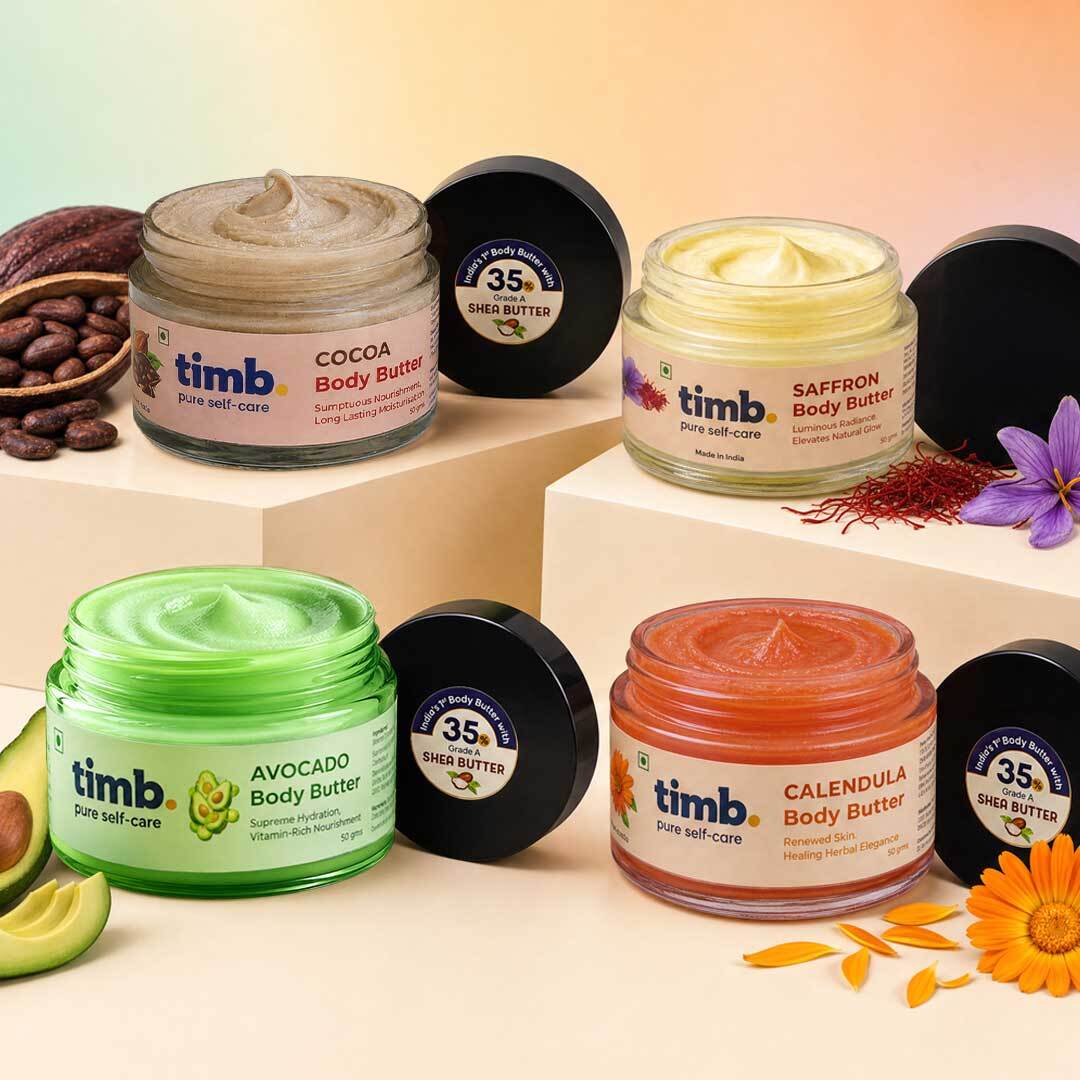
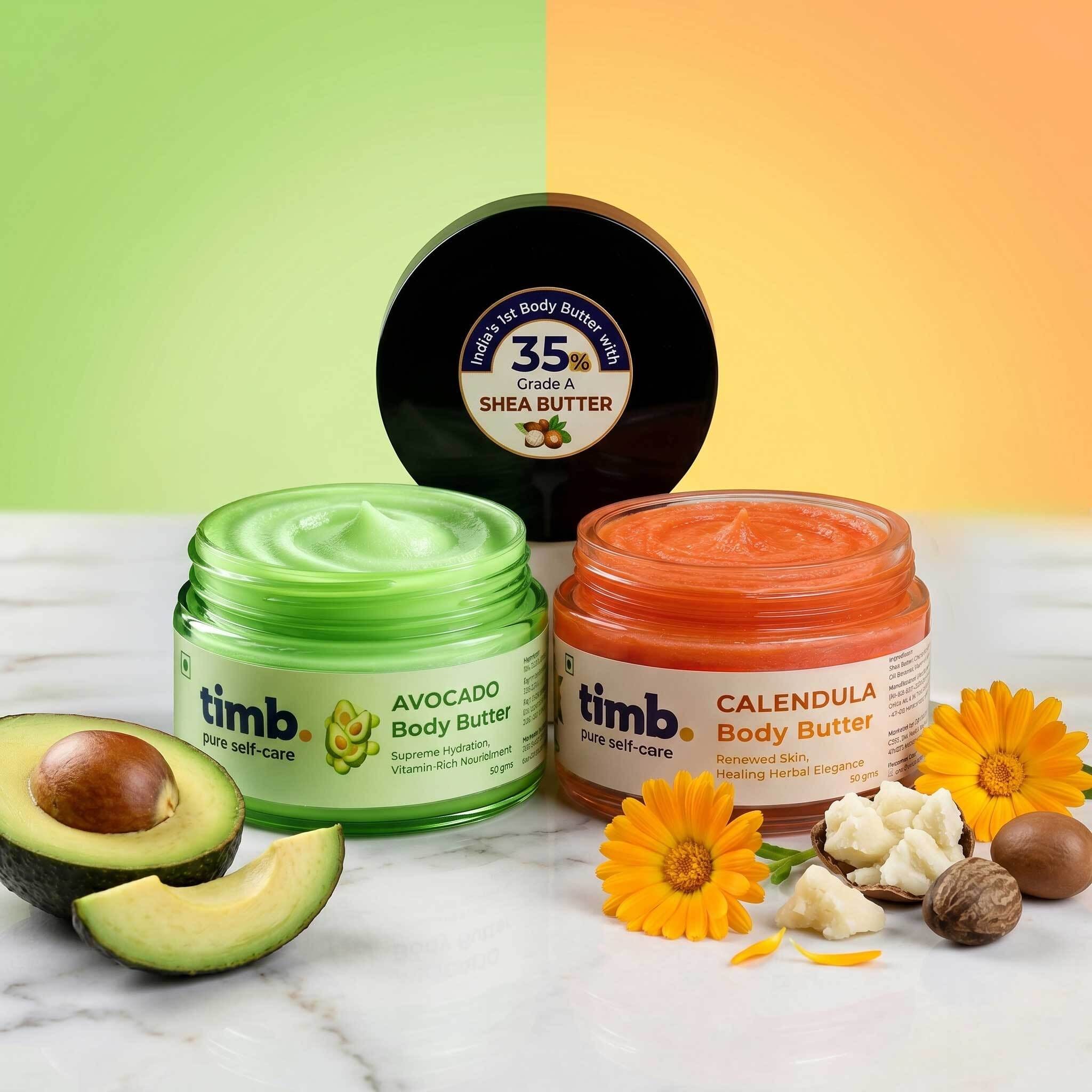
Dry Skin | Use a hydrating herbal moisturiser such as Timb Avocado, Saffron, Cocoa Body Butter. |
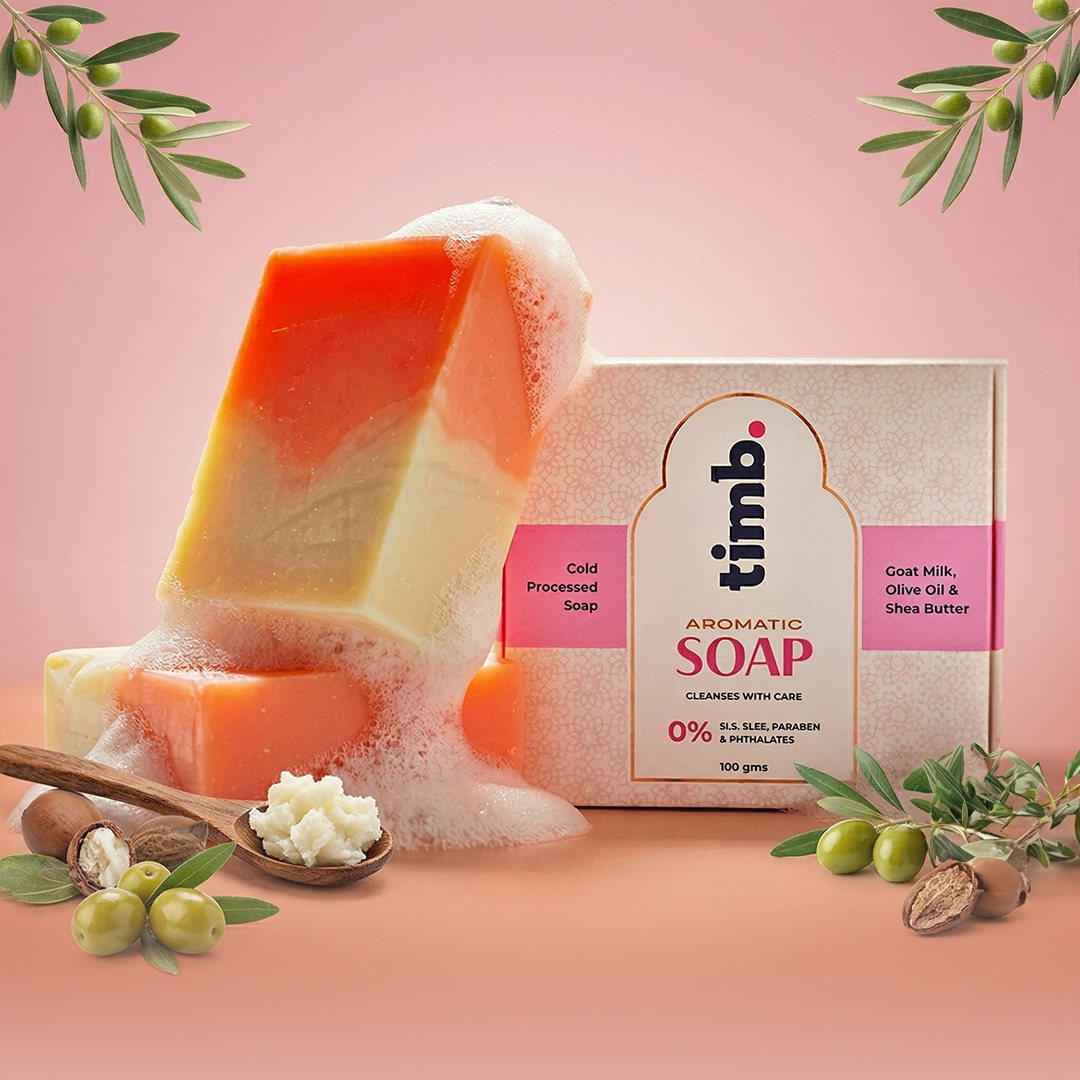
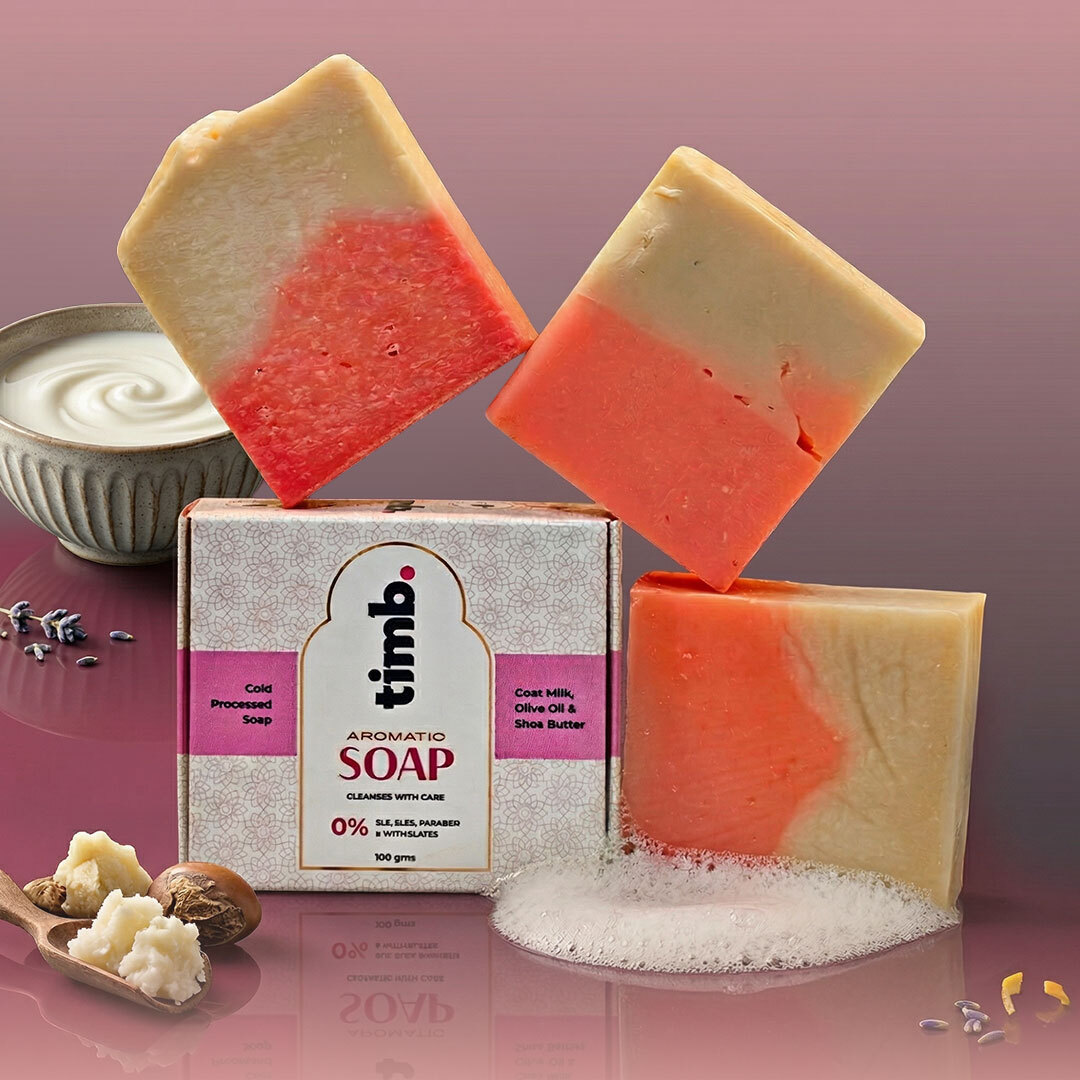
Oily Skin | Choose a lightweight cleanser like Timb Ubtan 2–3 times a week along with a gentle daily cleanser. |
Sensitive Skin | Minimal ingredient formulations |
Combination Skin | Balanced skincare routine |
Normal Skin | Gentle natural beauty products |
Myth vs Fact
Myth | Fact |
Natural means safe | Natural ingredients can still cause allergies |
Chemical-free products are best | Everything contains chemicals |
Herbal products always work | Formulation matters most |
Clean beauty is scientifically superior | Evidence depends on ingredients, not labels |
Solutions & Pro Tips
✔ Don’t purchase skincare based on packaging.
✔ Research ingredients before buying.
✔ Give products at least 6–8 weeks before judging results.
✔ Build a simple routine instead of using too many products.
Conclusion
The conversation around natural beauty products has changed dramatically over the past decade.
While many herbal beauty products offer excellent benefits, consumers should be cautious about believing every marketing claim.
Rather than focusing on buzzwords like natural, organic, or chemical-free, focus on understanding ingredients, knowing your skin type, and choosing products backed by quality formulations.
At Timb, we believe that effective skincare combines the goodness of nature with thoughtful formulation, helping you make informed choices rather than following trends.
FAQ's
Not always. Their effectiveness depends on ingredients, formulation, and your skin type.
Most are safe when formulated properly, but natural ingredients can still cause allergies.
No. Everything, including water, is made of chemicals.
That natural always means safer, chemical-free means healthier, and herbal products work for everyone.
Calendula, Avocado, Cocoa, Saffron Body Butter with Shea | Dry Skin | Men & Women | All Seasons | 50gm Each
Rated 4.52 out of 5₹1,516.00Original price was: ₹1,516.00.₹1,349.00Current price is: ₹1,349.00.MRP (incl. of all taxes) Add to cartDe-tan & Aromatic Bath Soap Combo | Handmade Cold Processed | Brightens | 100gms
Rated 4.59 out of 5₹758.00Original price was: ₹758.00.₹659.00Current price is: ₹659.00.MRP (incl. of all taxes) Add to cartAvocado & Calendula Body Butter Duo with 35% Grade A Shea Butter | Deep Moisture | 50gm Each
Rated 5.00 out of 5₹758.00Original price was: ₹758.00.₹679.00Current price is: ₹679.00.MRP (incl. of all taxes) Add to cartDeTan: Tan Removal Bath Soap Bar | Handmade Cold Processed Skin Brightening Bathing Soap | 100% Chemical Free | 100g (Pack of 1)
Rated 4.50 out of 5₹379.00Original price was: ₹379.00.₹341.00Current price is: ₹341.00.MRP (incl. of all taxes) Add to cart