
Key Takeaways
- Always read the ingredient list before purchasing a lip balm.
- Some harmful ingredients in lip balm, such as menthol, camphor, phenol, artificial fragrances, and drying alcohols, may provide temporary relief but can worsen dryness over time.
- Healthy lips depend on a strong skin barrier, so choose products that repair and protect rather than simply coat the lips.
- Ingredients like shea butter, cocoa butter, beeswax, ceramides, vitamin E, jojoba oil, and coconut oil help lock in moisture and support long-term lip health.
- Staying hydrated, protecting your lips from UV rays, and avoiding habits like lip licking are just as important as using the right lip balm.
- If you experience burning, redness, or constant peeling after using a lip balm, stop using it and check whether it contains harmful ingredients in lip balm.
- Consistent lip care with gentle, nourishing ingredients will give better long-term results than constantly reapplying products containing irritants.
Introduction
Lip balm is one of the most commonly used skincare products. Whether it’s winter, summer, or the rainy season, many people reach for a lip balm whenever their lips feel dry or chapped. While lip balms are meant to protect and moisturize the lips, not every product on the shelf is as safe or beneficial as it claims to be. In fact, some products contain harmful ingredients in lip balm that may actually make your lips drier, more irritated, and increasingly dependent on frequent application.
The skin on your lips is much thinner and more delicate than the skin on the rest of your body. Unlike other areas of the skin, lips do not have oil glands to produce natural moisture. This makes them more susceptible to dehydration, cracking, peeling, and environmental damage. Because of this delicate structure, the ingredients you apply to your lips matter just as much as the ingredients you use on your face.
Many people unknowingly purchase lip balms based on fragrance, flavor, or attractive packaging without checking the ingredient list. While some ingredients provide long-lasting hydration and nourishment, others only create temporary relief. Certain harmful ingredients in lip balm can trigger irritation, allergic reactions, increased dryness, or even damage the skin barrier over time.
One of the biggest misconceptions is that if a lip balm gives a cooling or tingling sensation, it must be working. In reality, these sensations are often caused by ingredients that irritate the lips instead of healing them. This irritation may create a cycle where your lips become dry again quickly, making you reapply the product repeatedly.
Understanding which harmful ingredients in lip balm to avoid can help you make smarter choices for healthier lips. Instead of masking dryness, the right lip balm should repair the skin barrier, lock in moisture, and protect your lips from environmental damage.
In this guide, we’ll explore the most common harmful ingredients in lip balm, explain why they may not be suitable for everyone, discuss expert recommendations, and share tips for choosing lip care products that truly nourish your lips.
Interesting Fact
Did you know?
Your lips have only three to five layers of skin, while the skin on most parts of your body has up to sixteen layers. They also lack sebaceous (oil) glands, making them one of the first areas to lose moisture.
This is exactly why choosing the right lip balm is so important. Even a few harmful ingredients in lip balm can have a noticeable impact on the health and appearance of your lips.
Understanding the Problem
Many people believe that all lip balms are designed to heal dry lips. Unfortunately, this isn’t always true. Some products contain ingredients that provide a temporary feeling of comfort but eventually leave the lips drier than before.
Knowing the harmful ingredients in lip balm can help you avoid products that may be contributing to your lip problems instead of solving them.
Common Harmful Ingredients in Lip Balm
- Artificial Fragrances
Fragrance is one of the most common harmful ingredients in lip balm, especially for people with sensitive skin.
Although fragrances make products smell pleasant, they can irritate delicate lips and trigger allergic reactions.
Possible side effects include:
- Dryness
- Redness
- Itching
- Burning sensation
- Peeling
Choosing fragrance-free lip balms is often a safer option for people with recurring lip irritation.
- Menthol
Menthol creates a cooling sensation that many people mistake for hydration.
However, menthol can strip moisture from the lips and increase sensitivity, especially when used regularly.
Over time, products containing menthol may actually worsen dryness instead of improving it, making it one of the most discussed harmful ingredients in lip balm by dermatologists.
- Camphor
Camphor is frequently added to medicated lip balms because it produces a soothing sensation.
While it may temporarily reduce discomfort, excessive use can irritate the delicate lip barrier.
Repeated exposure to camphor may cause:
- Phenol
Phenol is another ingredient commonly found in medicated lip products.
It helps remove damaged skin, but frequent use may strip away healthy skin cells as well.
This weakens the lip barrier and increases moisture loss.
Because of this, phenol is often listed among the harmful ingredients in lip balm that should be avoided for daily use.
- Alcohol-Based Ingredients
Not all alcohols are harmful.
Fatty alcohols such as cetyl alcohol and stearyl alcohol can actually moisturize the skin.
However, drying alcohols like ethanol, isopropyl alcohol, or denatured alcohol can evaporate quickly, taking moisture from the lips along with them.
People with naturally dry lips should be especially cautious of these harmful ingredients in lip balm.
- Synthetic Flavors
Many flavored lip balms contain synthetic flavoring agents to enhance taste.
Although these flavors may seem harmless, they can encourage frequent lip licking, which eventually worsens dryness.
Some artificial flavoring agents may also irritate sensitive lips.
- Cinnamon Oil
Natural doesn’t always mean safe.
Cinnamon oil gives a warming sensation but is a well known irritant for many individuals.
It may lead to:
- Burning
- Redness
- Swelling
- Allergic reactions
People with sensitive lips should avoid lip products containing cinnamon oil.
- Excessive Peppermint Oil
Peppermint oil is often included for its refreshing feeling.
However, high concentrations can irritate already dry or cracked lips.
Although peppermint oil is natural, it remains one of the harmful ingredients in lip balm for individuals prone to sensitivity.
Common Misconceptions
Many myths exist about lip care products.
Myth 1: Natural lip balms are always safer.
Reality: Natural ingredients such as peppermint oil, cinnamon oil, or citrus oils may still irritate sensitive lips.
Myth 2: Tingling means the product is working.
Reality: Tingling is often caused by irritating ingredients rather than genuine healing.
Myth 3: Expensive lip balms are always better.
Reality: The ingredient list matters far more than the price.
Myth 4: More applications mean better hydration.
Reality: Constant reapplication may actually indicate that your lip balm contains harmful ingredients in lip balm that only provide temporary relief instead of repairing the skin barrier.
Who Is This For? (Lifestyle & User Persona)
Anyone can experience dry or irritated lips, but certain lifestyles and habits increase the likelihood of developing problems caused by harmful ingredients in lip balm. If you fall into any of the following categories, paying attention to your lip balm’s ingredient list can make a noticeable difference.
Busy Professionals
People who spend long hours in air-conditioned offices often experience dry skin and dehydrated lips. Constant exposure to indoor cooling systems reduces moisture in the air, making the lips more vulnerable to cracking.
If your lip balm contains harmful ingredients in lip balm such as menthol, phenol, or drying alcohols, your lips may never fully recover despite repeated application.
Students
Students often spend hours studying while forgetting to drink enough water. Combined with stress, irregular meals, and exposure to different weather conditions, dehydration can make lips dry and flaky.
Choosing a nourishing lip balm without harmful ingredients in lip balm helps maintain healthy lips throughout long study sessions.
Outdoor Workers
Delivery personnel, construction workers, athletes, travelers, and field workers spend several hours under the sun and in windy conditions.
Environmental exposure already weakens the lip barrier. Adding irritating ingredients can worsen dryness, making lip protection even more important.
Frequent Travelers
Whether you’re flying regularly or commuting long distances, changes in humidity and climate can quickly dehydrate your lips.
Using a lip balm free from harmful ingredients in lip balm helps prevent excessive moisture loss while traveling.
Fitness Enthusiasts
Exercise causes sweating and water loss, which can contribute to dehydrated lips.
People who work out regularly should choose hydrating lip balms rich in natural moisturizers instead of products containing irritating additives.
People with Sensitive Skin
Individuals with eczema, allergies, or sensitive skin should be especially cautious.
Many fragrance chemicals, essential oils, and preservatives commonly found in lip care products can trigger irritation.
Reading ingredient labels carefully helps avoid harmful ingredients in lip balm that may worsen skin sensitivity.
What Experts Say
- 1. Jaishree
According to Dr. Jaishree – lips are naturally more prone to dryness because they have a thinner outer layer of skin and lack oil glands. She emphasizes using gentle, hydrating lip care products enriched with nourishing ingredients like shea butter, cocoa butter, and ceramides while avoiding products containing fragrances, menthol, or alcohol that can irritate the lips. She also recommends drinking enough water and protecting the lips from sun damage with SPF lip balms.
- Dr. Apratim
According to Dr. Apratim – recurring dry lips are often linked to dehydration, harsh weather, and irritating lip care products. She advises checking ingredient labels carefully and choosing lip balms containing barrier-repair ingredients such as vitamin E, beeswax, and natural plant butters instead of products with strong fragrances or synthetic flavors.
- Dr. Nivedita
According to Dr. Nivedita – lips require the same level of care as facial skin. She recommends avoiding repeated lip licking, staying hydrated, and using lip balms that contain nourishing ingredients while avoiding harmful ingredients in lip balm that may trigger irritation or allergic reactions. She also highlights the importance of using SPF lip balm to protect against sun damage.
Scientific Evidence
Scientific research shows that the outer layer of the lips acts as a protective barrier against moisture loss.
When this barrier becomes damaged by environmental factors or harmful ingredients in lip balm, water escapes more rapidly through a process called Transepidermal Water Loss (TEWL).
A damaged lip barrier often results in:
- Persistent dryness
- Peeling
- Flaking
- Tightness
- Increased sensitivity
- Painful cracks
Modern dermatology focuses on restoring this protective barrier rather than simply coating the lips with waxes or artificial ingredients.
Ingredients such as ceramides, shea butter, cocoa butter, and natural plant oils have been shown to improve moisture retention while supporting barrier repair.
Suggestions & Recommendations
Choosing the right lip balm begins with reading the ingredient label instead of relying on attractive packaging or marketing claims.
Ingredients to Look For
Shea butter deeply nourishes dry lips while strengthening the skin barrier. It provides long-lasting moisture without causing irritation.
Cocoa Butter
Cocoa butter forms a protective layer that helps reduce water loss while keeping lips soft and smooth.
Beeswax
Beeswax creates a breathable protective barrier against harsh weather while locking in hydration.
Ceramides
Ceramides restore the skin barrier and help prevent moisture loss, making them ideal for chronically dry lips.
Vitamin E
Vitamin E supports skin repair while protecting lips from environmental damage.
Rich in fatty acids, coconut oil softens rough lips and provides natural hydration.
Jojoba Oil
Jojoba oil closely resembles the skin’s natural oils, making it an excellent moisturizer for sensitive lips.
Ingredients to Avoid
The following harmful ingredients in lip balm are best avoided if you experience
dryness or irritation:
❌ Artificial fragrance
❌ Menthol
❌ Camphor
❌ Phenol
❌ Denatured alcohol
❌ Excessive peppermint oil
❌ Cinnamon oil
❌ Synthetic dyes
❌ Artificial flavors
❌ Harsh preservatives if you’re sensitive
Reading ingredient labels before purchasing can significantly improve the long-term health of your lips.
Solutions & Pro Tips
- Always Read the Ingredient List
Don’t purchase a lip balm solely because of its fragrance or packaging.
The fewer harmful ingredients in lip balm, the better your lips are likely to feel over time.
- Choose Fragrance-Free Products
Fragrance-free lip balms reduce the risk of irritation, especially for sensitive skin.
- Apply Lip Balm Before Bed
Nighttime is the ideal opportunity for your lips to repair themselves.
Applying a nourishing lip balm before sleeping allows moisturizing ingredients to work uninterrupted for several hours.
- Stay Hydrated
Even the best lip balm cannot compensate for dehydration.
Drink enough water throughout the day to support healthy skin from within.
- Protect Your Lips from the Sun
Use lip balms containing SPF 30 or higher whenever you’re outdoors.
Sun exposure is one of the leading causes of lip damage and premature ageing.
- Avoid Licking Your Lips
Although saliva temporarily wets the lips, it evaporates quickly and leaves them even drier.
Replacing this habit with a nourishing lip balm provides longer-lasting comfort.
- Exfoliate Gently
Remove dead skin only once a week using a soft damp cloth.
Avoid aggressive scrubs that can damage already sensitive lips.
- Replace Expired Lip Balms
Old products may lose effectiveness and can sometimes harbor bacteria.
Always check the expiration date before use.
Nourish your skin and hair the natural way with Timb’s chemical-free self-care essentials. Pure ingredients, healthier beauty, every single day.
Conclusion
Healthy lips require more than simply applying lip balm throughout the day. The quality of the ingredients inside your lip balm plays a crucial role in maintaining hydration, protecting the skin barrier, and preventing recurring dryness. While many products promise instant relief, some contain harmful ingredients in lip balm that may actually worsen irritation, increase moisture loss, and create a cycle of constant reapplication.
Understanding what goes into your lip care products is one of the best ways to protect your lips. Ingredients such as menthol, camphor, phenol, artificial fragrances, drying alcohols, and certain essential oils may offer a temporary cooling or soothing sensation but often fail to address the root cause of dry lips. Over time, these ingredients can weaken the delicate lip barrier, making your lips more vulnerable to cracking, peeling, and sensitivity.
Instead, choose lip balms formulated with skin-friendly ingredients like shea butter, cocoa butter, beeswax, ceramides, vitamin E, jojoba oil, and coconut oil. These ingredients help restore moisture, strengthen the skin barrier, and provide long-lasting nourishment without causing unnecessary irritation.
Remember that healthy lips are also supported by good daily habits. Staying hydrated, protecting your lips from sun exposure, avoiding lip licking, and using gentle, fragrance-free products all contribute to maintaining soft and comfortable lips throughout the year.
The next time you shop for lip care products, don’t be influenced only by attractive packaging or pleasant flavors. Take a moment to read the ingredient list carefully. Avoiding harmful ingredients in lip balm and choosing products that prioritize skin health can make all the difference. A few informed choices today can lead to healthier, smoother, and naturally hydrated lips for years to come.
FAQ's
Some of the most common harmful ingredients in lip balm include menthol, camphor, phenol, artificial fragrances, drying alcohols, synthetic flavors, cinnamon oil, and excessive peppermint oil. These ingredients may irritate sensitive lips and contribute to long-term dryness.
Certain lip balms contain harmful ingredients in lip balm that create a temporary cooling or soothing sensation without actually repairing the skin barrier. As these ingredients wear off, your lips may lose even more moisture, leading to frequent reapplication.
No. While many natural ingredients are beneficial, some essential oils like peppermint, cinnamon, and citrus oils can irritate sensitive lips. It’s important to choose products based on their ingredient profile rather than assuming all natural ingredients are safe.
Apply lip balm whenever your lips feel dry, before going outdoors, after meals if necessary, and before bedtime. However, if you find yourself applying it every 20–30 minutes, your product may contain harmful ingredients in lip balm that provide only temporary relief.
Yes. Ingredients such as artificial fragrances, preservatives, dyes, and essential oils may trigger allergic reactions in some people. Symptoms include redness, burning, itching, swelling, or peeling. Switching to a fragrance-free lip balm with minimal ingredients can often help.
Absolutely. Lips have very little natural protection against ultraviolet (UV) rays. Using a lip balm with SPF 30 or higher helps prevent sunburn, premature ageing, and moisture loss.
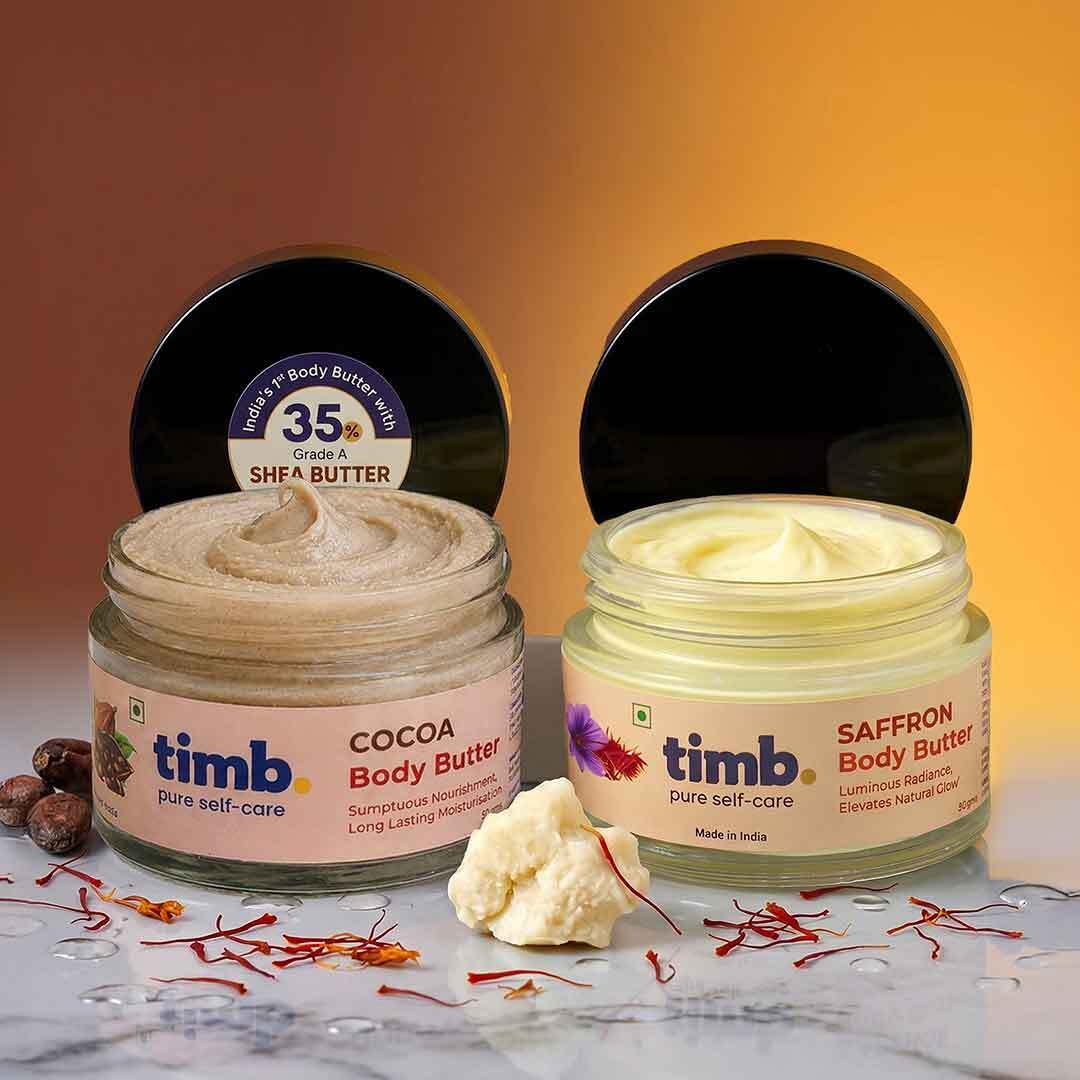
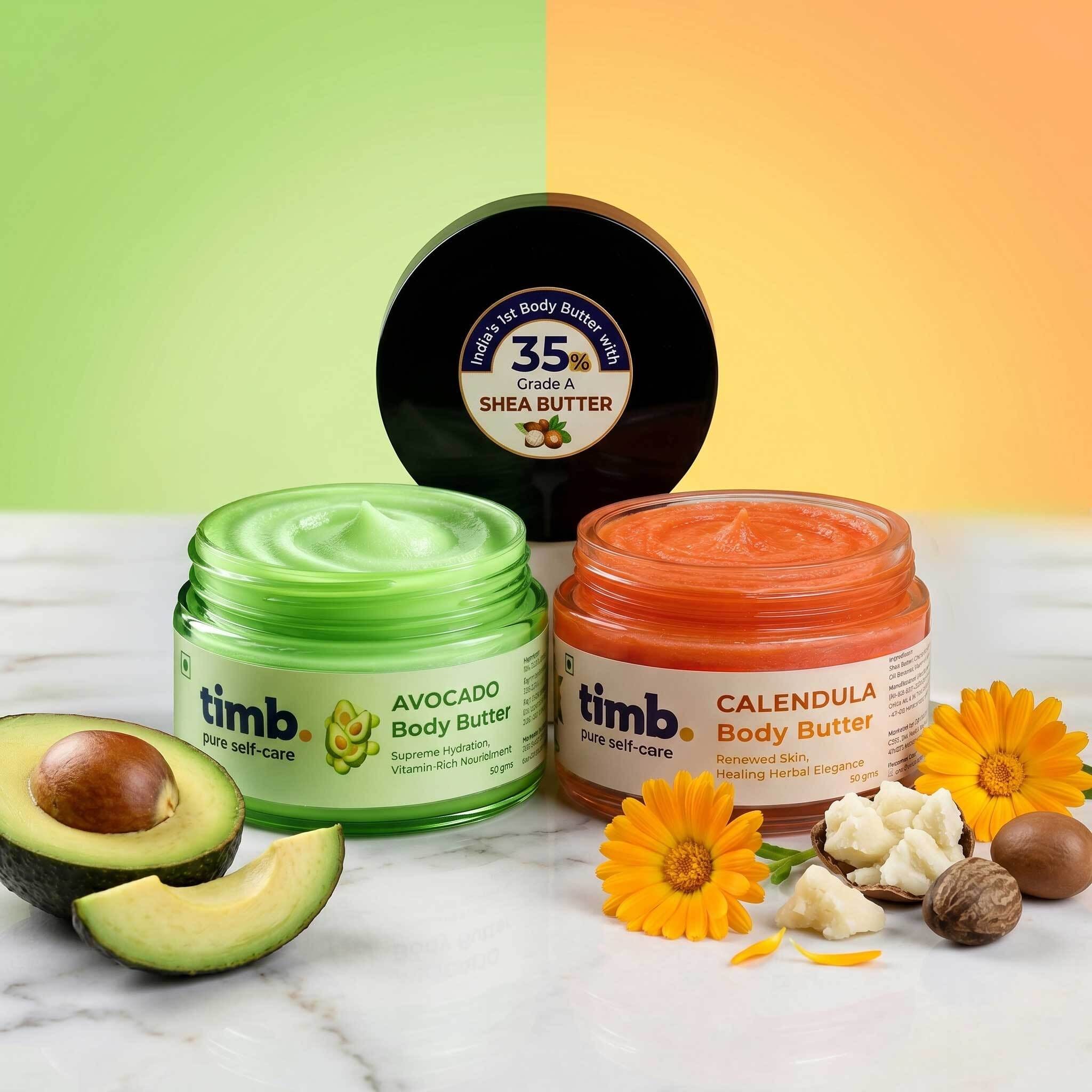
Cocoa & Saffron Body Butter with Shea Butter | Dry Skin | Men & Women | All Seasons | 50gm Each
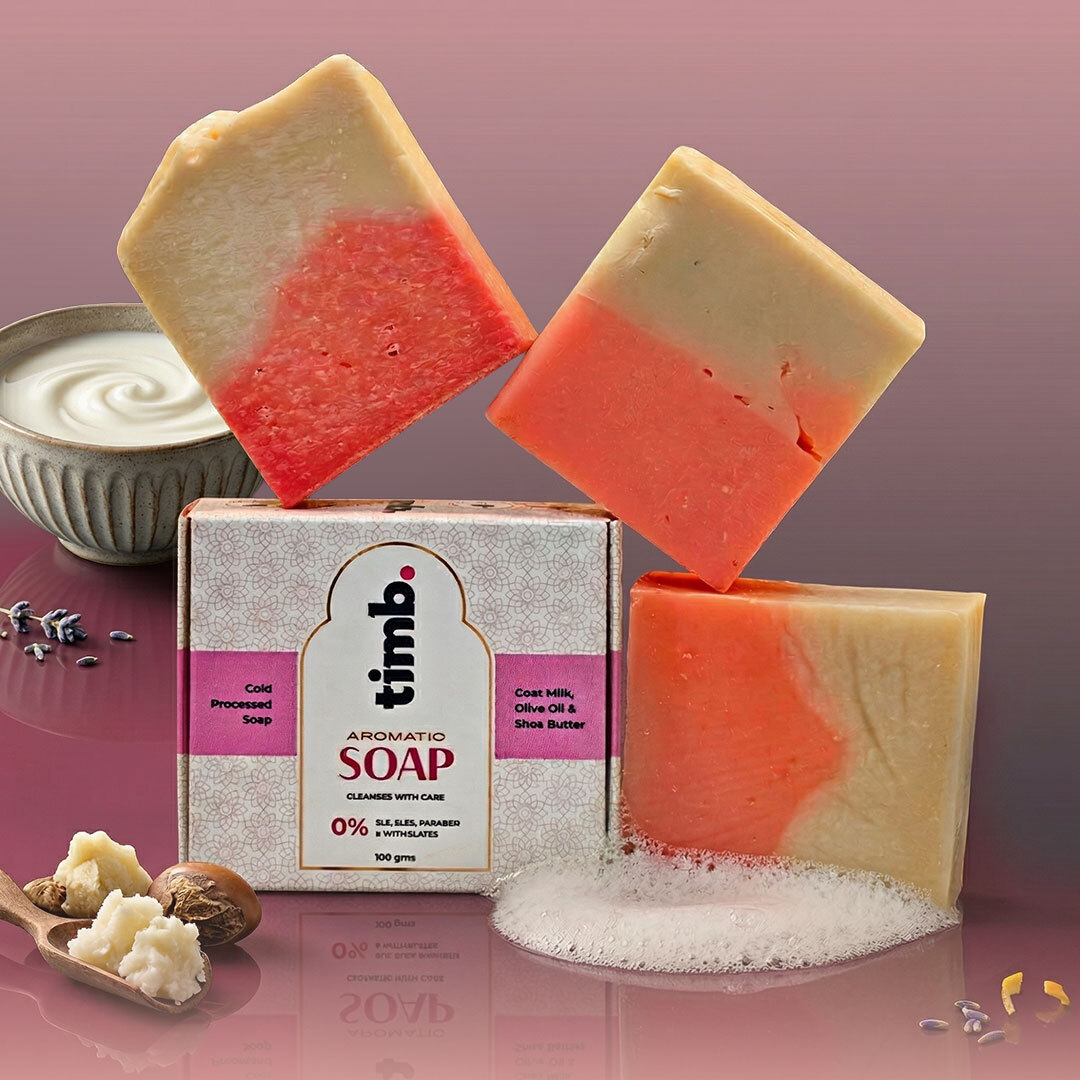
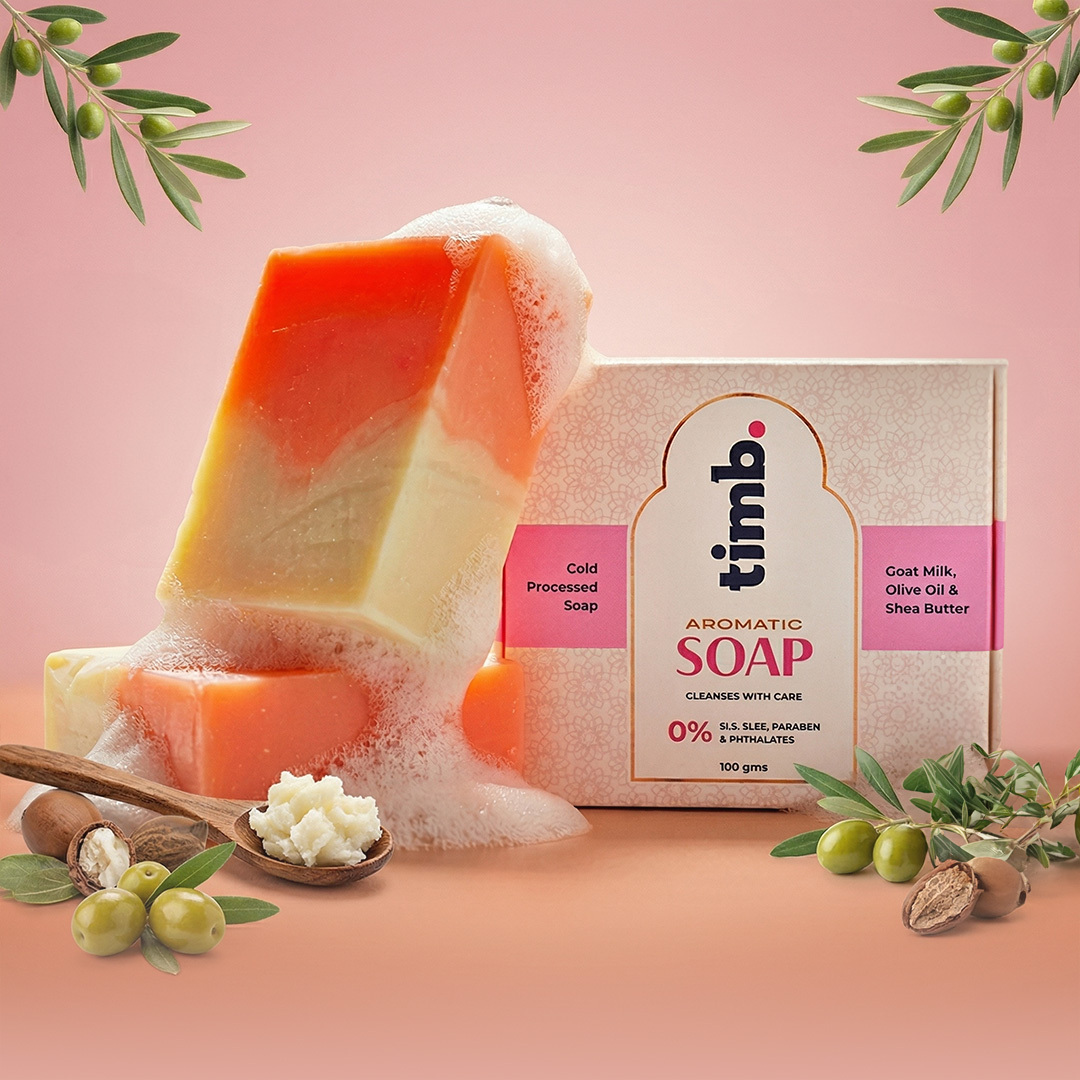
Rated 4.33 out of 5₹758.00Original price was: ₹758.00.₹679.00Current price is: ₹679.00.MRP (incl. of all taxes) Add to cartAromatic: Goat Milk Bath Soap Bar | Handmade Cold Processed Bathing Soap | With Shea Butter & Coconut Oil | 100g (Pack of 3)
Rated 4.29 out of 5₹1,137.00Original price was: ₹1,137.00.₹949.00Current price is: ₹949.00.MRP (incl. of all taxes) Add to cartCalendula & Saffron Body Butter with Shea Butter | Dry Skin | Men & Women | All Seasons | 50gm Each
Rated 4.50 out of 5₹758.00Original price was: ₹758.00.₹679.00Current price is: ₹679.00.MRP (incl. of all taxes) Add to cartDeTan: Tan Removal Bath Soap Bar | Handmade Cold Processed Skin Brightening Bathing Soap | 100% Chemical Free | 100g (Pack of 1)
Rated 4.50 out of 5₹379.00Original price was: ₹379.00.₹341.00Current price is: ₹341.00.MRP (incl. of all taxes) Add to cart