

Key Takeaways
- Face wash removes dirt, oil, sweat, and pollution from your skin.
- Cleansing alone isn’t enough for healthy skin.
- Moisturizer keeps your skin hydrated and strengthens the skin barrier.
- Sunscreen protects against UV rays, tanning, and premature aging.
- Morning and night routines serve different purposes.
- Healthy habits like proper sleep, hydration, and a balanced diet also improve skin health.
Introduction
A good face wash routine is the first step toward healthy, glowing skin. Every day, your skin comes in contact with dirt, sweat, oil, pollution, sunscreen, and bacteria that can build up on its surface. Following a proper face wash routine helps remove these impurities and keeps your skin feeling fresh and clean. However, many people believe that simply washing their face is enough to maintain healthy skin. While cleansing is essential, it is only one part of complete skincare.
Healthy skin needs hydration, nourishment, and protection in addition to cleansing. In fact, relying only on a face wash can leave your skin feeling dry, tight, or even more prone to common skin concerns like dullness, breakouts, and irritation. Therefore, if your goal is naturally healthy and radiant skin, it’s important to understand what your skin truly needs beyond cleansing. In this guide, we’ll explain why face wash alone isn’t enough and how a simple skincare routine can help you achieve healthier skin every day.
Why Is Face Wash Important?
Your skin acts as a protective barrier against dust, pollution, harmful bacteria, sweat, and environmental damage. Throughout the day, these impurities collect on your skin’s surface and can clog your pores if they are not removed properly. That’s why washing your face every day is an essential habit for maintaining healthy skin. A face wash is specially designed to clean your skin without causing unnecessary damage when chosen correctly for your skin type. It removes excess oil, dirt, makeup, sunscreen, and dead skin cells, leaving your skin feeling clean and refreshed.Here are some of the key benefits of using a face wash-
- Removes dirt, sweat, and excess oil from the skin.
- Cleans away pollution and daily impurities.
- Helps prevent clogged pores.
- Reduces the chances of acne and breakouts.
- Creates a clean base for moisturizers, serums, and other skincare products.
Did You Know?
“Your skin has a natural protective barrier made of oils, lipids, and beneficial microorganisms. While cleansing removes dirt and excess oil, it also removes some of your skin’s natural moisture. Therefore, your skin needs hydration and protection after washing to maintain a healthy barrier.”
What Do Experts Say?
According to Dr Sheena, a dermatologist from Gurgram, “cleansing is an important part of healthy skin, but it isn’t enough on its own. While a face wash removes dirt, excess oil, and impurities, your skin also needs hydration and daily protection. That’s why doctors recommend applying a moisturizer after cleansing to maintain the skin barrier and using a broad-spectrum sunscreen every day to protect against UV damage. They also advise choosing products that suit your skin type and following a simple, consistent skincare routine for the best results. Additionally, avoiding harsh cleansers and overwashing can help prevent dryness and irritation. If you have persistent skin concerns such as acne, redness, or excessive dryness, it’s best to seek advice from a skincare professional for personalized care.
Why Face Wash Alone Is Not Enough
Many people think that once their face feels clean, their skincare routine is complete. However, clean skin doesn’t always mean healthy skin. A face wash is designed to cleanse the surface of your skin. It removes impurities, but it doesn’t replace the moisture your skin loses during cleansing. In addition, it cannot repair your skin barrier or protect your skin from environmental damage. Here’s why face wash alone isn’t enough-
It Doesn’t Hydrate Your Skin
After washing your face, some of the skin’s natural oils are removed along with dirt and impurities. Without a moisturizer, your skin may become dry, tight, or flaky. Even oily skin needs hydration to stay balanced.
It Cannot Repair the Skin Barrier
Your skin barrier protects you from pollution, bacteria, allergens, and moisture loss. When this barrier becomes weak, your skin may become sensitive, irritated, or dehydrated. Face wash cleans your skin, but it doesn’t repair this protective barrier.
It Doesn’t Protect Against UV Rays
Sun exposure is one of the biggest causes of premature aging, pigmentation, tanning, and sun damage. Face wash cannot protect your skin from harmful UV rays. That’s why applying sunscreen every morning is one of the most important skincare habits.
It Doesn’t Treat Specific Skin Concerns
If you have acne marks, pigmentation, dull skin, fine lines, or uneven skin tone, cleansing alone won’t solve these concerns. Products like serums and moisturizers contain active ingredients that target specific skin problems.
It Doesn’t Lock in Moisture
Healthy skin needs both water and moisture. After cleansing, your skin can lose hydration quickly if you don’t apply a moisturizer. Moisturizers help lock in hydration and keep your skin soft and smooth throughout the day. Think of face wash as washing a dirty window. It removes the dust, but if the glass is cracked or exposed to harsh weather, cleaning alone won’t fix those problems. Similarly, cleansing prepares your skin, while the next skincare steps help nourish, repair, and protect it.
What Else Does Your Skin Need?
A healthy skincare routine doesn’t have to be complicated. In fact, just a few essential products can make a big difference. Once your face is clean, your skin needs hydration, nourishment, and protection to stay healthy.
Moisturizer
Moisturizer is one of the most important skincare products after cleansing. It helps replace the moisture your skin loses while washing your face and strengthens the skin’s natural barrier.
Benefits of using a moisturizer include:
- Keep your skin hydrated.
- Prevents dryness and flakiness.
- Makes the skin soft and smooth.
- Reduces irritation caused by dryness.
Sunscreen
If you only add one product after face wash, let it be sunscreen. Every day, your skin is exposed to ultraviolet (UV) rays, even when it’s cloudy or when you’re indoors near windows. These rays can damage your skin over time. Dermatologists recommend using sunscreen with SPF 30 or higher every morning and reapplying it when needed. Daily sunscreen helps:
- Prevent tanning.
- Reduce pigmentation.
- Protect against sunburn.
- Lower the risk of long-term sun damage.
Serums
Serums are lightweight skincare products packed with active ingredients that target specific skin concerns. Although they aren’t mandatory for everyone, they can improve your skincare routine if you have particular skin goals. Some common serums include:
- Vitamin C Helps brighten dull skin and reduce dark spots.
- Niacinamide Controls excess oil and improves skin texture.
- Hyaluronic Acid Provides deep hydration.
- Salicylic Acid Helps manage acne-prone skin.
Gentle Exfoliation
Over time, dead skin cells build up on the surface of your skin. Gentle exfoliation once or twice a week helps remove these dead cells and gives your skin a smoother appearance. However, avoid exfoliating too often, as excessive exfoliation can damage your skin barrier. Regular exfoliation may help:
Morning vs Night: Does Your Skin Need Different Care?
Many people use the same skincare routine both morning and night. While that’s not always wrong, your skin actually has different needs at different times of the day. During the day, your skin needs protection from pollution, dirt, sunlight, and environmental stress. At night, your skin focuses on repairing and renewing itself while you sleep. Therefore, your skincare routine should support these natural processes. In the morning, wash your face with a gentle cleanser, apply a moisturizer, and finish with sunscreen (SPF 30 or higher). You can also use a lip balm if needed. At night, remove makeup and sunscreen, cleanse your face, apply a serum if required, and finish with a moisturizer. While your morning routine protects your skin, your nighttime routine helps restore moisture and supports your skin’s natural repair process as you sleep.
Common Mistakes After Washing Your Face
Using the right face wash is only the first step toward healthy skin. However, certain habits after cleansing can reduce its effectiveness and even damage your skin barrier. By avoiding these common mistakes, you can keep your skin hydrated, balanced, and healthy.
- Skipping moisturizer after washing your face, which can lead to dryness and tightness.
- Forgetting to apply sunscreen during the day, leaving your skin exposed to harmful UV rays.
- Using hot water or harsh cleansers, which can strip away your skin’s natural oils.
- Overwashing your face, as cleansing too often may cause dryness and irritation.
- Rubbing your face with a towel or touching it with dirty hands, which can irritate the skin and increase the risk of breakouts.
Signs Your Skin Needs More Than Just Face Wash
A face wash keeps your skin clean, but it can’t solve every skin concern. If your skin continues to feel uncomfortable or shows certain changes even after regular cleansing, it may be a sign that your routine needs more than just a cleanser. Adding products like a moisturizer, sunscreen, or serum can help restore your skin’s health and address specific concerns.
- Your Skin Feels Tight After Washing
If your face feels tight or stretched after cleansing, it usually means your skin has lost moisture. Applying a moisturizer immediately after washing can help restore hydration and keep your skin barrier healthy.
- Dry or Flaky Skin
Dry patches or flaky skin are signs that your skin needs extra nourishment. A hydrating moisturizer with ingredients like hyaluronic acid, glycerin, or ceramides can help reduce dryness and improve skin texture.
- Frequent Breakouts
If you’re experiencing regular pimples or clogged pores despite washing your face, cleansing alone may not be enough. Using products with ingredients like salicylic acid or niacinamide can help control excess oil and reduce breakouts.
- Dull or Uneven Skin Tone
When your skin looks tired, lacks brightness, or has dark spots, it may need more than cleansing. Gentle exfoliation and brightening ingredients such as Vitamin C or niacinamide can help improve your skin’s overall appearance.
- Redness, Sensitivity, or Excess Oil
Skin that becomes easily irritated, turns red, or gets oily quickly may have a weakened skin barrier. Using gentle, hydrating skincare products and avoiding harsh cleansers can help restore balance and keep your skin healthy.
Pro Tips
Pro Tip 1: Choose Products According to Your Skin Type
Think of face wash as the first step, not the complete skincare routine. Cleansing removes dirt and impurities, but moisturizer keeps your skin hydrated, sunscreen protects it from daily UV damage, and serums help target specific skin concerns. Even a simple three-step routine-cleanser, moisturizer, and sunscreen-can make a noticeable difference when followed consistently.
Pro Tip 2: Give Your Skin Time to Show Results
Healthy skin doesn’t happen overnight. Most skincare products take 4-8 weeks of consistent use to show visible improvements. Avoid switching products too often, as this can irritate your skin and make it difficult to know what’s actually working. Patience and consistency are the keys to long-term skin health. If you’re looking for skincare products made with naturally inspired ingredients, you can explore the TIMB Store for products that complement a simple and consistent skincare routine.
Conclusion
A face wash is an essential part of every skincare routine because it removes dirt, oil, sweat, and daily impurities. However, cleansing alone cannot provide everything your skin needs to stay healthy. While it cleans your skin, it doesn’t replace lost moisture, repair the skin barrier, protect against UV rays, or treat common skin concerns like dullness, pigmentation, or fine lines. For healthy, glowing skin, follow a complete routine that includes cleansing, moisturizing, and daily sun protection. If needed, you can also add targeted products like serums to address specific skin concerns. Remember, skincare doesn’t have to be complicated. A simple routine followed consistently is far more effective than using many products occasionally. By taking care of your skin every day, you can enjoy healthier, smoother, and more radiant skin over time.
FAQ's
No. Washing your face removes dirt and oil, but you should also moisturize and use sunscreen every day.
Your cleanser may be removing too much moisture, or you may be skipping moisturizer after cleansing.
Not always. Waterproof sunscreen and makeup may require a makeup remover or cleansing oil before washing your face with a gentle cleanser.
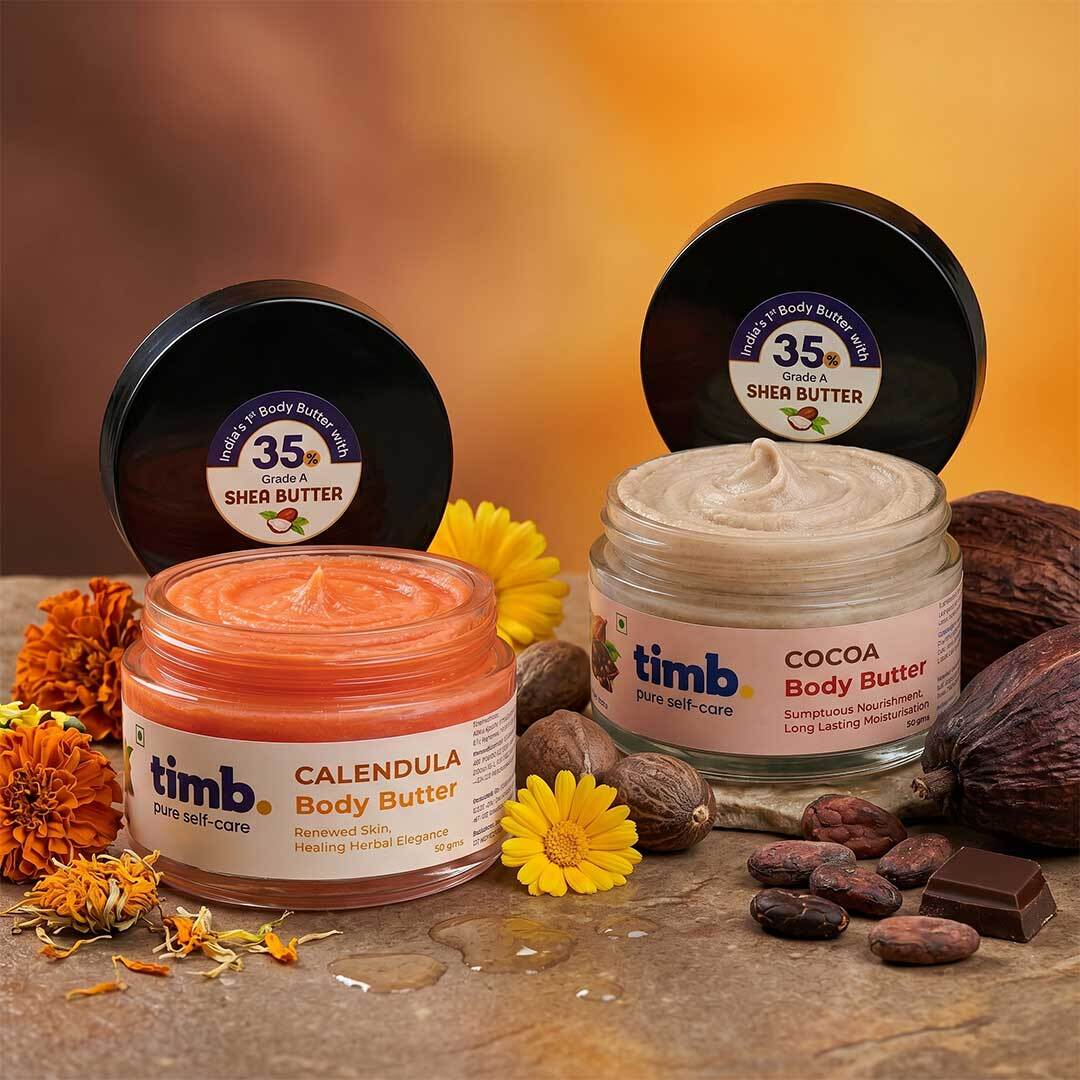
Calendula & Cocoa Body Duo with 35% Grade A Shea Butter | Deep Moisture | 50gm Each
Rated 5.00 out of 5₹758.00Original price was: ₹758.00.₹679.00Current price is: ₹679.00.MRP (incl. of all taxes) Add to cartAbhyangam Ubtan Powder | Natural Face & Body Brightening Mask | 75gms
Rated 4.53 out of 5₹199.00Original price was: ₹199.00.₹179.00Current price is: ₹179.00.MRP (incl. of all taxes) Add to cartDeTan: Tan Removal Bath Soap Bar | Handmade Cold Processed Skin Brightening Bathing Soap | 100% Chemical Free | 100g (Pack of 1)
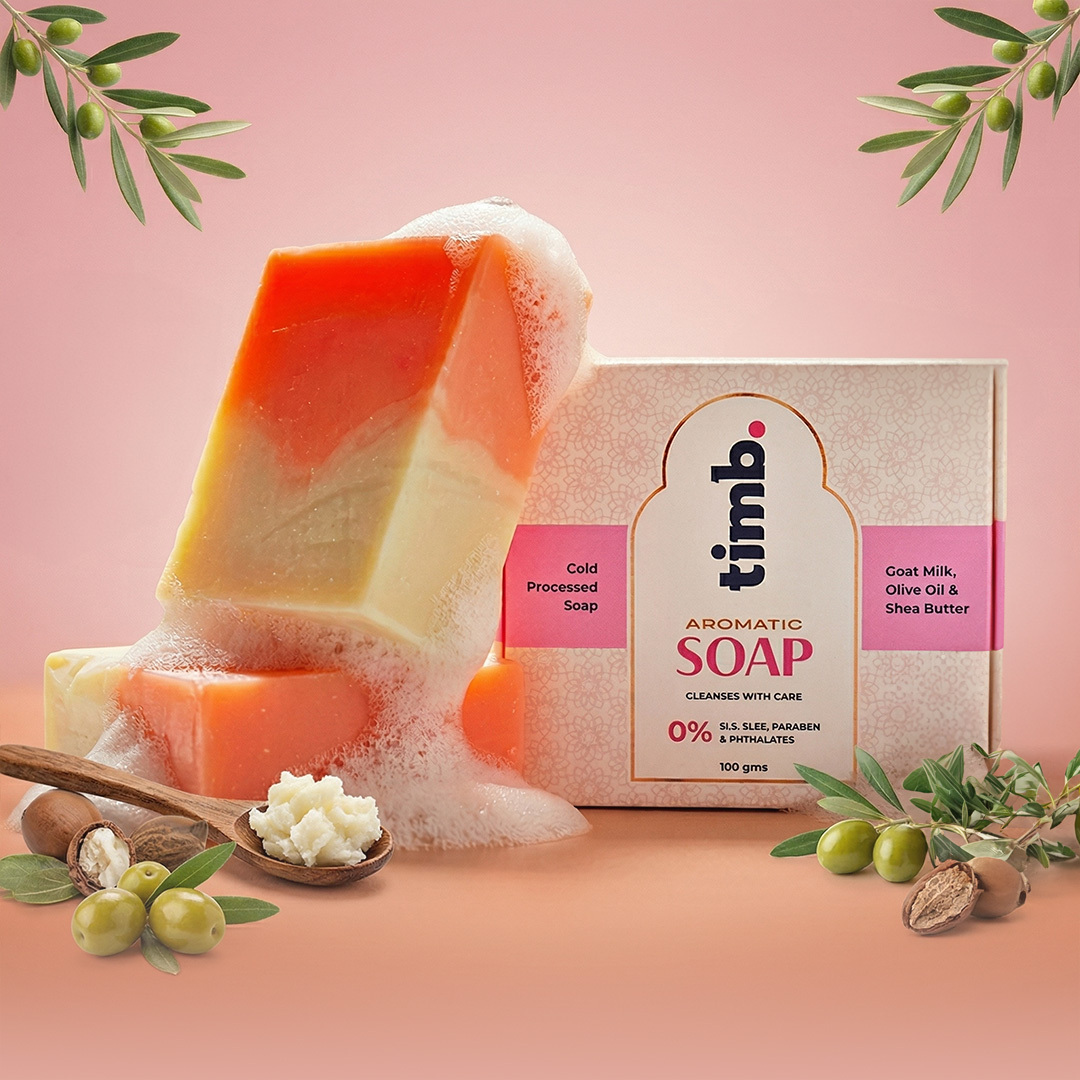
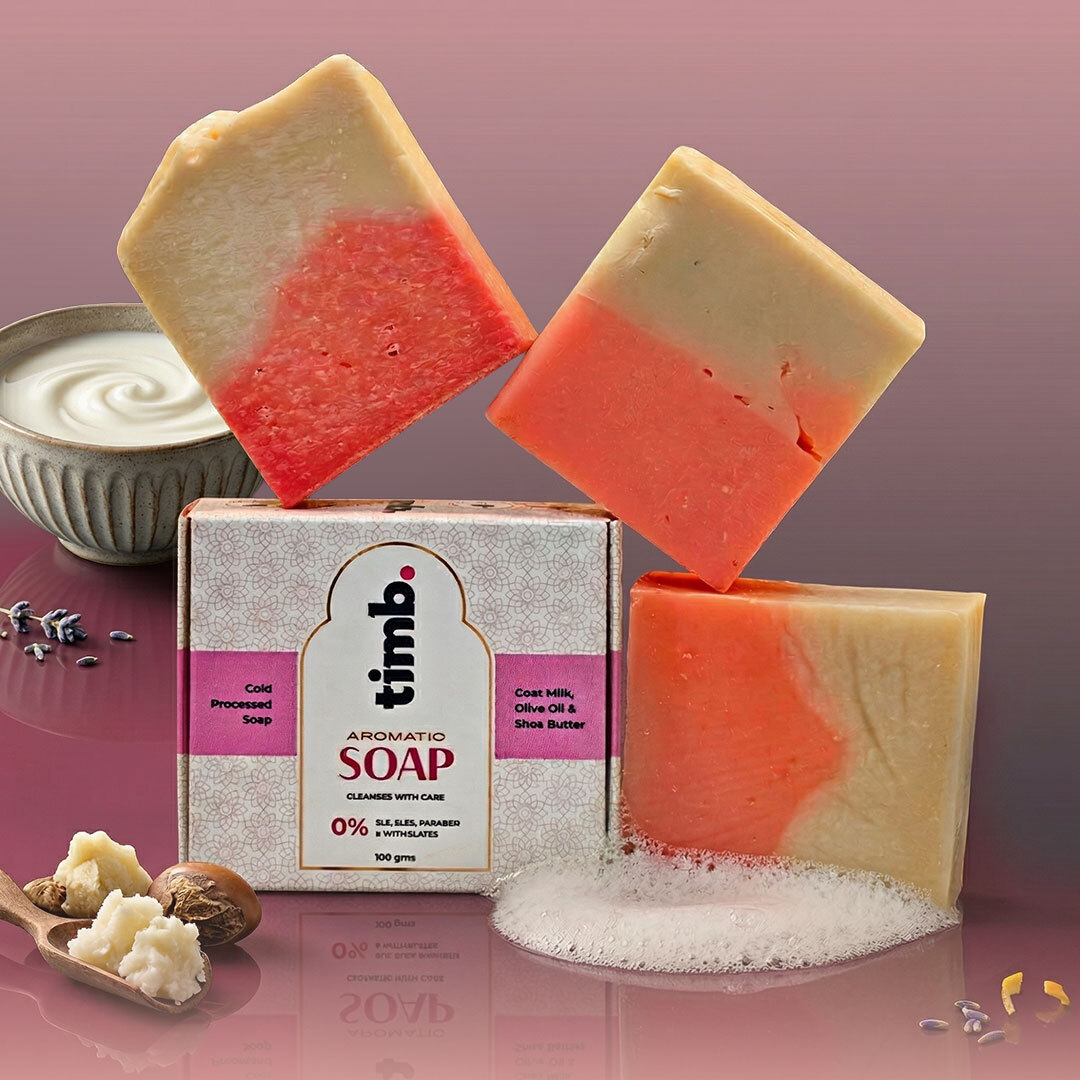
Rated 4.50 out of 5₹379.00Original price was: ₹379.00.₹341.00Current price is: ₹341.00.MRP (incl. of all taxes) Add to cartAromatic: Goat Milk Bath Soap Bar | Handmade Cold Processed Bathing Soap | With Shea Butter & Coconut Oil | 100g (Pack of 1)
Rated 4.63 out of 5₹379.00Original price was: ₹379.00.₹341.00Current price is: ₹341.00.MRP (incl. of all taxes) Add to cart