
Key Takeaways
- Foot salt for cracked heels can help soften rough skin, reduce discomfort, and prepare feet for exfoliation, but it is not a standalone cure for deep cracks.
- Regular foot soaks combined with moisturizing and gentle exfoliation provide better and longer-lasting results.
- Cracked heels are commonly caused by dry skin, prolonged standing, improper footwear, dehydration, aging, and certain medical conditions.
- Choosing the right type of foot salt and following the correct soaking routine can improve foot health significantly.
- For severe heel cracks, bleeding, or signs of infection, professional medical care is necessary.
Introduction
Cracked heels are one of the most common foot problems affecting people of all ages. What often starts as mild dryness and roughness can gradually develop into painful cracks that make walking uncomfortable and even increase the risk of infections. While many people invest in expensive creams and treatments, others prefer simple home remedies that promise softer, healthier feet.
One remedy that has gained popularity is foot salt for cracked heels. From Epsom salt to mineral-rich soaking salts infused with essential oils, these products are widely recommended as an easy way to relax tired feet while improving skin texture. But the important question remains: does foot salt actually heal cracked heels, or is it simply a temporary solution?
The answer lies in understanding what causes cracked heels in the first place. Dry skin, constant pressure, friction, lack of moisture, and poor foot care habits all contribute to the problem. A foot salt soak can help by softening hardened skin, cleansing the feet, and making exfoliation easier. However, it cannot replace hydration or repair severely damaged skin on its own.
This means that while foot salt can become an effective part of your foot care routine, the best results come from combining it with proper moisturizing, gentle exfoliation, and daily care.
In this guide, we’ll explore everything you need to know about using foot salt for cracked heels. You’ll learn how it works, its benefits and limitations, the different types of foot salts available, expert recommendations, and how to build a simple routine that keeps your heels soft, healthy, and crack-free.
Whether you’re dealing with occasional dryness or persistent heel cracks, understanding the role of foot salt will help you make informed decisions for healthier feet.
Understanding the Problem
Many people assume cracked heels are only a cosmetic concern. In reality, they can become painful and may even interfere with daily activities if ignored.
The skin on our heels naturally supports the body’s weight and experiences continuous pressure whenever we stand or walk. Unlike many other areas of the body, the heels contain fewer oil glands, making them more prone to dryness. When the skin loses moisture, it becomes less flexible. Repeated pressure causes this dry skin to split, leading to visible cracks known as heel fissures.
Initially, these cracks may appear as fine lines accompanied by rough, flaky skin. Over time, they can deepen and become painful, especially during prolonged standing or walking. In severe cases, deep fissures may bleed and become vulnerable to bacterial infections.
Fortunately, cracked heels are often preventable with consistent foot care.
Signs You May Have Cracked Heels
Common symptoms include:
- Dry, rough skin around the heel
- White or yellow thickened skin
- Flaking and peeling
- Hard calluses
- Visible cracks or fissures
- Pain while walking
- Itching around the heel
- Bleeding in severe cases
Ignoring these early signs often allows the condition to worsen over time.
Why Do Heels Crack?
Understanding the causes helps you choose the right treatment rather than relying on temporary fixes.
1. Dry Skin
The most common cause is dehydration of the skin. Without enough moisture, the heel loses elasticity and eventually cracks under pressure.
Factors contributing to dry skin include:
- Cold weather
- Low humidity
- Hot showers
- Harsh soaps
- Aging
2. Standing for Long Hours
People who stand throughout the day place continuous pressure on their heels.
Examples include:
- Teachers
- Healthcare workers
- Factory workers
- Retail staff
- Chefs
Over time, this constant stress contributes to thick calluses and cracked skin.
3. Walking Barefoot
Walking barefoot increases friction between the heel and hard surfaces.
Repeated friction encourages thick skin formation, which later becomes dry and prone to cracking.
4. Poor Footwear
Open-back sandals and worn-out footwear fail to support the heel properly.
This allows the fat pad beneath the heel to expand sideways during walking, increasing pressure on dry skin and leading to fissures.
5. Lack of Moisturizing
Many people care for their face and hands daily but neglect their feet.
Without regular moisturization, the heels gradually become rough and dehydrated.
6. Aging
As we age, our skin naturally loses collagen, elasticity, and moisture.
This makes older adults more susceptible to cracked heels even with normal daily activities.
7. Medical Conditions
Sometimes cracked heels may indicate an underlying health issue, such as:
- Diabetes
- Eczema
- Psoriasis
- Hypothyroidism
- Obesity
- Peripheral vascular disease
People with diabetes should pay particular attention to heel cracks, as reduced sensation and slower wound healing can increase the risk of complications.
What Is Foot Salt?
Foot salt is a specially formulated soaking salt designed to cleanse, refresh, and soften the feet. Unlike regular table salt, foot salts often contain beneficial minerals, essential oils, botanical extracts, or skin-conditioning ingredients that enhance the soaking experience.
When dissolved in warm water, foot salt creates a relaxing foot bath that helps loosen dead skin, cleanse the feet, reduce odors, and improve overall foot comfort.
While foot salts come in many formulations, they generally aim to:
- Relax tired muscles
- Soften hard skin
- Prepare feet for exfoliation
- Refresh aching feet
- Improve the overall appearance of dry heels
Foot salts are available in various types, each offering unique benefits.
Common Types of Foot Salt
1. Epsom Salt
Epsom salt is made of magnesium sulfate and is one of the most popular choices for foot soaks.
Many people use it to:
- Relax tired feet
- Reduce soreness after prolonged standing
- Soften rough skin
- Prepare calluses for exfoliation
Although scientific evidence for magnesium absorption through the skin is limited, warm Epsom salt soaks are widely appreciated for their soothing effect.
2. Sea Salt
Sea salt contains naturally occurring minerals such as magnesium, calcium, and potassium.
Its benefits may include:
- Gentle cleansing
- Mild exfoliation
- Refreshing tired feet
- Supporting skin softness
Sea salt is often included in spa-quality foot soaks because of its mineral content.
3. Himalayan Pink Salt
Rich in trace minerals, Himalayan pink salt is commonly used in premium foot soak products.
It is often marketed for:
Although many of its health claims are not strongly supported by clinical evidence, users often enjoy its luxurious feel.
4. Herbal Foot Salts
Many commercial foot salts combine mineral salts with herbs and essential oils such as:
- Peppermint
- Lavender
- Tea tree
- Eucalyptus
- Rosemary
These ingredients help create a refreshing soaking experience while improving the fragrance and comfort of the foot bath.
Does Foot Salt Really Work for Cracked Heels?
The short answer is yes but only as part of a complete foot care routine.
Many people expect a foot salt soak to heal cracked heels overnight. Unfortunately, that isn’t how the skin repairs itself. Foot salt doesn’t “seal” cracks or replace the skin’s natural moisture barrier. Instead, it works by creating the ideal conditions for healing.
Here’s how it helps:
Softens Hard Skin
Warm water combined with foot salt helps loosen thickened, rough skin around the heels.
This makes dead skin easier to remove using a pumice stone or foot file without excessive force.
Improves Cleansing
A foot soak helps wash away dirt, sweat, bacteria, and debris trapped around cracked skin.
Keeping the feet clean supports healthier skin and reduces the chance of irritation.
Makes Moisturizers More Effective
One of the biggest advantages of soaking is that softened skin absorbs moisturizers much better.
After a foot soak, applying a rich foot cream, shea butter, or nourishing balm helps lock moisture into the skin, supporting the natural healing process.
Provides Temporary Relief
Many people notice immediate comfort after soaking because warm water relaxes tired feet and softens dry skin.
However, the effect is temporary unless followed by proper moisturizing and consistent care.
What Foot Salt Cannot Do
It’s equally important to understand its limitations.
Foot salt cannot:
- Instantly heal deep cracks
- Replace moisturizers
- Treat infections
- Cure underlying medical conditions
- Prevent cracked heels without daily maintenance
Think of foot salt as the first step in an effective foot care routine rather than the complete solution.
Benefits of Using Foot Salt for Cracked Heels
When used correctly, foot salt for cracked heels offers several benefits beyond simple relaxation.
1. Softens Thick Calluses
One of the biggest challenges in treating cracked heels is removing hardened skin without causing injury.
A warm foot salt soak softens calluses, making gentle exfoliation easier and safer.
2. Enhances Relaxation
After a long day of standing or walking, soaking your feet in warm mineral-rich water provides a calming experience that can reduce foot fatigue and improve overall comfort.
3. Reduces Foot Odor
Many foot salts contain ingredients that help cleanse the skin and reduce odor-causing bacteria, leaving feet feeling fresher.
4. Supports Better Foot Hygiene
Regular soaking removes dirt, sweat, and dead skin buildup, helping maintain cleaner and healthier feet.
5. Prepares Skin for Hydration
Perhaps its most valuable benefit is preparing the skin to absorb nourishing creams and moisturizers more effectively, which is essential for repairing dry, cracked heels.
Who Is This For?
Using foot salt for cracked heels may be particularly beneficial for:
- Individuals with dry, rough feet
- People who stand for long hours at work
- Athletes and fitness enthusiasts
- Older adults experiencing age-related skin dryness
- Individuals who frequently wear open-back footwear
- Anyone looking to include a relaxing foot soak in their weekly self-care routine
However, people with diabetes, poor circulation, open wounds, or infected heel cracks should consult a healthcare professional before using foot soaks.
What Experts Say
Many dermatologists agree that treating cracked heels requires more than simply removing dry skin. The primary goal is to restore the skin’s natural moisture barrier while reducing excessive thickening of the heel.
According to Dr. Rashmi, Consultant Dermatologist and Cosmetic Physician, consistent hydration is the cornerstone of healthy skin. While soaking the feet can soften hardened skin and improve comfort, long-term improvement comes from following the soak with a rich moisturizer that helps repair the skin barrier.
Similarly, foot care specialists recommend limiting foot soaks to 10–15 minutes. Soaking for too long may actually dry out the skin by stripping away natural oils, especially if very hot water is used.
Experts also advise avoiding aggressive scraping of calluses. Instead, gently exfoliate softened skin after soaking and immediately apply an emollient-rich foot cream or natural moisturizer to lock in hydration.
The consensus is clear foot salt for cracked heels works best as one part of a complete foot care routine not as a standalone treatment.
Suggestions & Recommendations
Using foot salt for cracked heels can become an effective part of your weekly self-care routine, but the key is using it correctly and consistently. A simple soak once in a while may feel relaxing, but lasting improvements come from combining soaking, exfoliation, moisturization, and daily protection.
Here are practical recommendations that dermatologists and foot care experts commonly suggest.
1. Choose the Right Foot Salt
Not all foot salts are created equal. Look for products that contain skin-friendly ingredients rather than artificial fragrances or harsh chemicals.
Good ingredients include:
- Epsom salt
- Sea salt
- Himalayan pink salt
- Lavender
- Peppermint
- Tea tree oil
- Chamomile
- Aloe vera extracts
If you have sensitive skin, choose fragrance-free or dermatologist-tested formulations.
2. Use Warm Water, Not Hot Water
Very hot water may feel soothing initially, but it strips away the skin’s natural oils and can worsen dryness over time.
Instead:
- Use comfortably warm water.
- Keep the temperature between 37–40°C (98–104°F).
- Avoid soaking in steaming hot water.
Warm water softens hardened skin without damaging the skin barrier.
3. Limit Soaking Time
More isn’t always better.
Experts recommend soaking feet for 10–15 minutes. Longer soaks can leave the skin dehydrated and more prone to cracking.
A short, regular routine is far more effective than occasional long soaks.
4. Exfoliate Gently
After soaking, dead skin becomes softer and easier to remove.
Use:
- A pumice stone
- A gentle foot file
- A soft exfoliating brush
Avoid metal scrapers or aggressive rubbing, as these can create micro-injuries and worsen cracks.
5. Moisturize Immediately
This is the most important step.
After drying your feet:
- Apply a rich moisturizer while the skin is still slightly damp.
- Focus especially on the heels.
- Massage the cream thoroughly into the skin.
Ingredients that work particularly well include:
- Shea butter
- Cocoa butter
- Glycerin
- Urea
- Lactic acid
- Ceramides
- Coconut oil
Applying moisturizer immediately after soaking helps lock in hydration.
6. Wear Cotton Socks Overnight
After applying moisturizer, wear clean cotton socks.
This helps:
- Reduce moisture loss
- Improve cream absorption
- Keep bedding clean
- Speed up skin recovery
Many people notice softer heels within a week of following this habit consistently.
7. Stay Hydrated
Healthy skin begins from within.
Drink enough water throughout the day and eat foods rich in:
- Omega-3 fatty acids
- Vitamin E
- Vitamin C
- Zinc
- Protein
Proper nutrition supports healthy skin repair.
Step-by-Step Foot Salt Routine for Cracked Heels
Following the right routine can maximize the benefits of foot salt for cracked heels.
Step 1: Fill a Basin
Fill a clean basin with warm water.
Avoid excessively hot water.
Step 2: Add Foot Salt
Add the amount recommended on the product label.
Typically:
- 2–3 tablespoons for a small basin
- Mix well until dissolved
Step 3: Soak Your Feet
Relax for 10–15 minutes.
During this time:
Step 4: Dry Thoroughly
Pat your feet dry with a clean towel.
Pay extra attention between the toes to prevent fungal infections.
Step 5: Exfoliate
Use a pumice stone gently over rough areas.
Never forcefully remove thick skin.
Step 6: Moisturize
Apply a generous layer of nourishing foot cream or body butter.
Massage for 2–3 minutes.
Step 7: Wear Socks
Cotton socks help retain moisture overnight.
Repeat this routine 2–3 times per week for best results.
Solutions & Pro Tips
If your goal is permanently healthier heels rather than temporary softness, combine foot salt with these expert-backed habits.
Maintain a Daily Moisturizing Routine
Even on days you don’t soak your feet, moisturize them every night.
Consistency matters more than expensive products.
Avoid Walking Barefoot
Walking barefoot increases pressure and friction on dry heels.
Wear:
- Cushioned slippers indoors
- Comfortable shoes outdoors
Supportive footwear helps reduce heel stress.
Choose Proper Footwear
Shoes should:
- Fit correctly
- Cushion the heel
- Support the arch
- Reduce pressure points
Avoid worn-out sandals with little heel support.
Don’t Peel Dead Skin
Never pull loose skin by hand.
Doing so may create deeper cracks and increase infection risk.
Use Gentle Cleansers
Harsh soaps remove protective oils.
Instead, wash your feet with a mild, moisturizing cleanser that supports the skin barrier.
Consider Weekly Exfoliation
A gentle exfoliation once or twice a week is enough for most people.
Over-exfoliating can irritate the skin and delay healing.
Protect Your Feet During Winter
Cold weather reduces skin moisture.
During winter:
- Increase moisturizer use.
- Wear socks more often.
- Avoid prolonged exposure to cold, dry air.
Include Nourishing Products in Your Routine
For long-term heel care, combine your foot salt soak with deeply moisturizing skincare products.
A simple routine could look like this:
- Soak your feet using a gentle foot salt.
- Gently exfoliate rough skin.
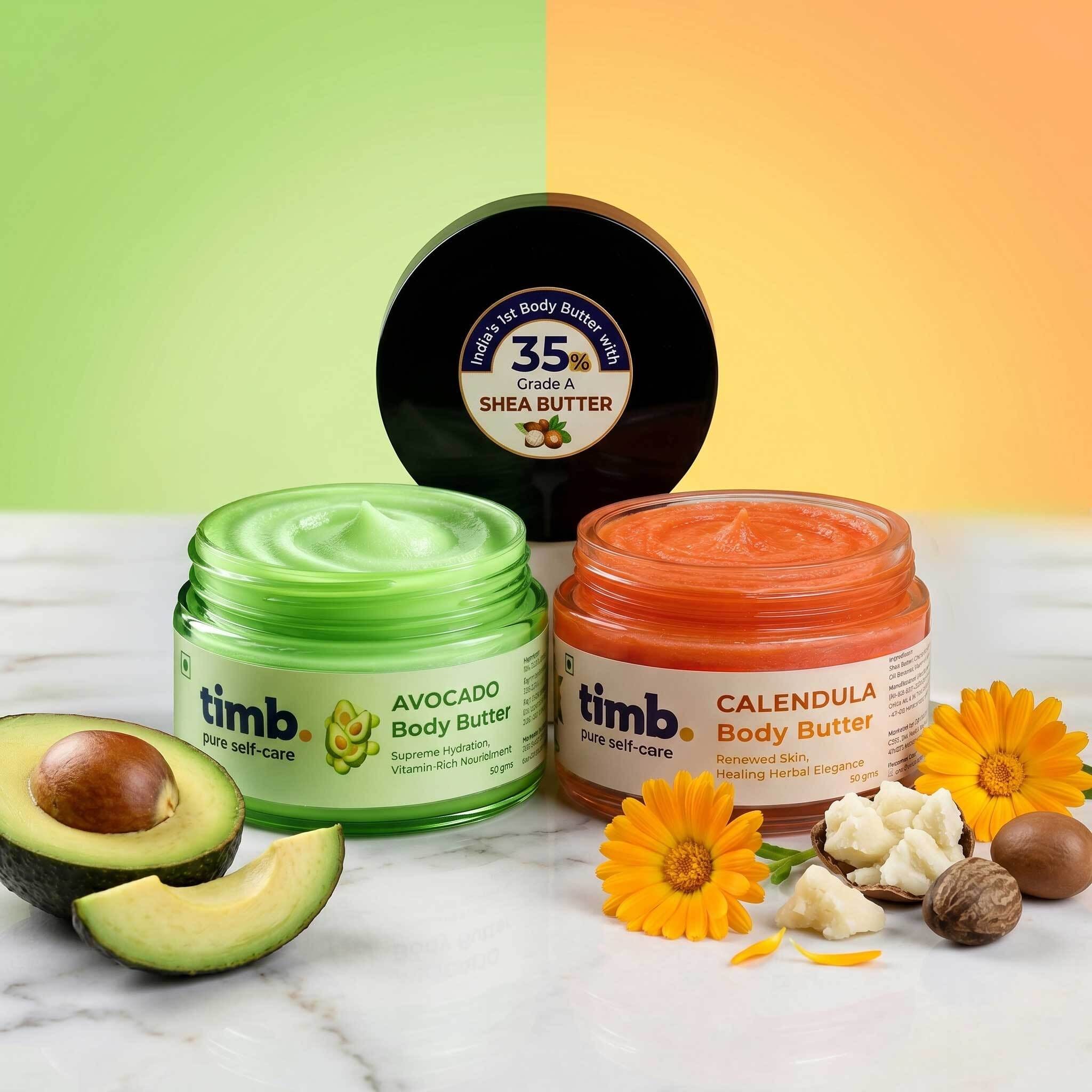
- Apply a rich moisturizer such as Timb Shea Butter to lock in hydration and soften dry heels.
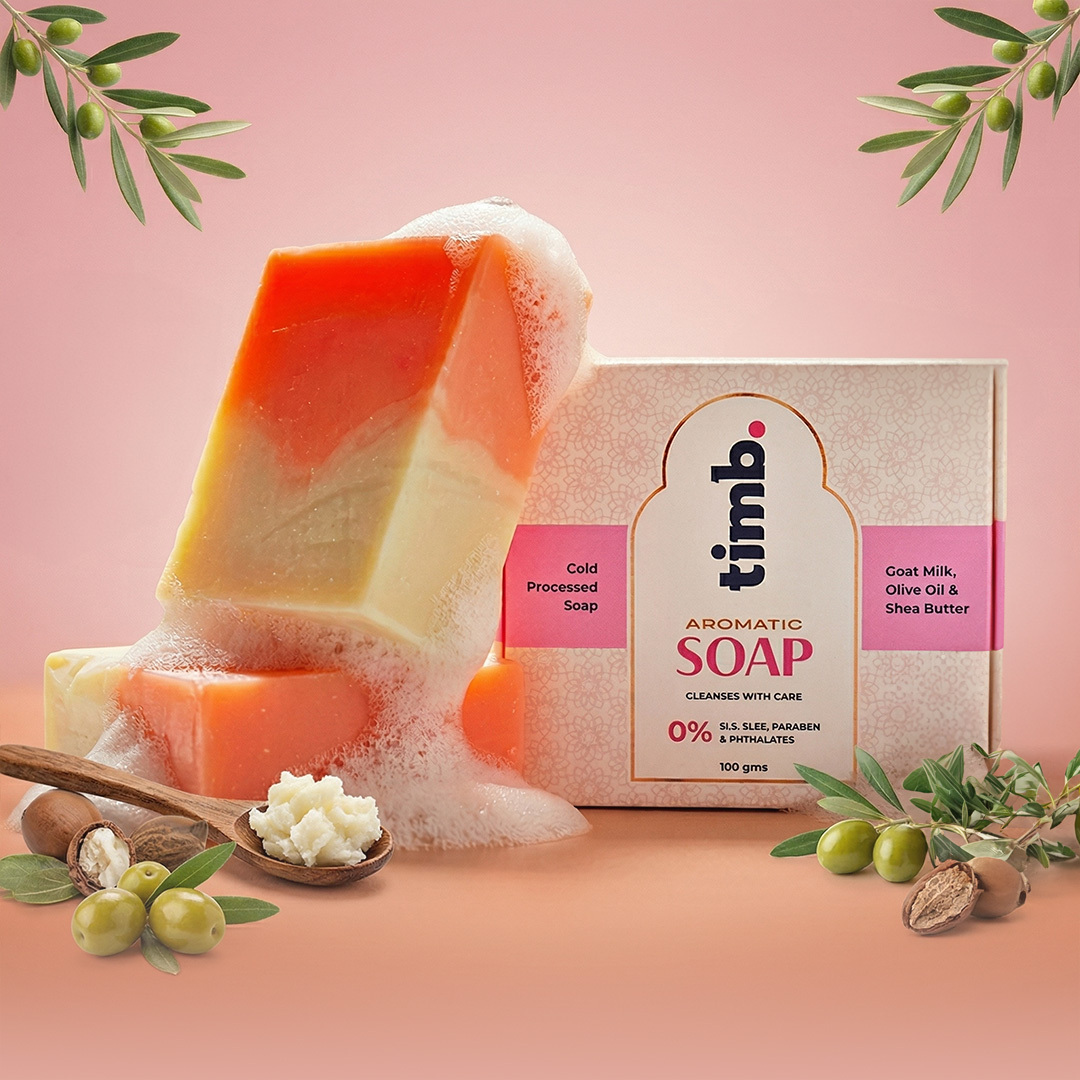
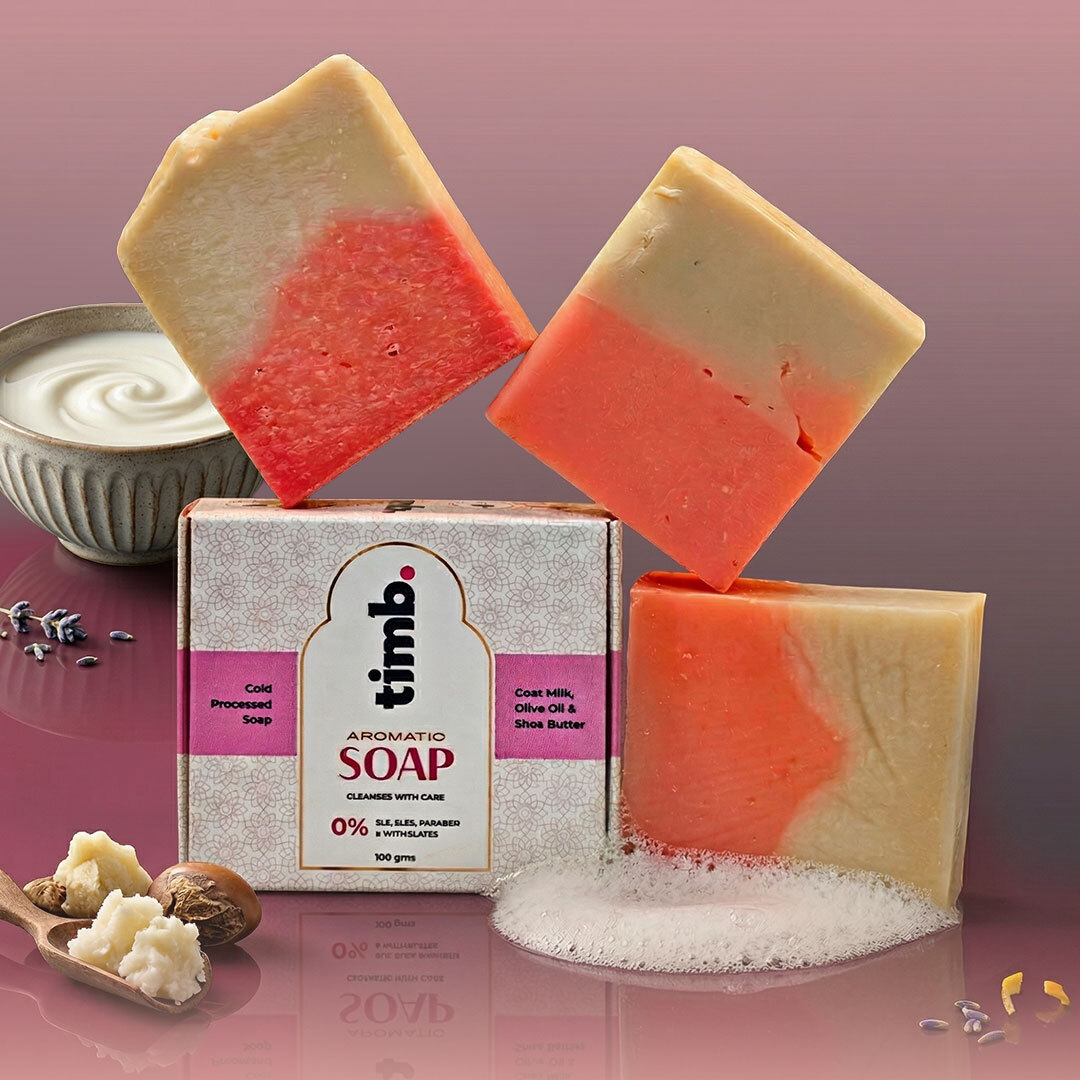
- Use a mild cleansing soap like the Timb Handmade Cold Process Soap during your bath to help cleanse without stripping away the skin’s natural moisture.
Following this routine consistently can help maintain smoother, healthier-looking feet over time.
Common Mistakes to Avoid
Many people unknowingly make mistakes that slow down healing.
Soaking Too Frequently
Daily soaking may actually dry the skin.
Stick to 2–3 sessions per week.
Using Extremely Hot Water
Hot water removes natural oils and weakens the skin barrier.
Warm water is always the better option.
Skipping Moisturizer
Without moisturizer, softened skin quickly dries again.
Never end a foot soak without hydrating your heels.
Over-Scrubbing
Aggressive exfoliation creates tiny injuries that may worsen cracking.
Be gentle.
Ignoring Deep Cracks
Painful, bleeding, or infected heel fissures should never be treated only with home remedies.
Seek medical advice promptly.
When Should You See a Doctor?
While mild cracked heels usually improve with home care, some situations require professional attention.
Consult a healthcare provider if you notice:
- Deep cracks that bleed
- Severe pain while walking
- Swelling
- Redness spreading around the heel
- Pus or signs of infection
- Fever along with heel wounds
- Cracks that don’t improve after several weeks of proper care
People with diabetes, poor circulation, or weakened immunity should never ignore cracked heels, as delayed healing may lead to serious complications.
Conclusion
So, does foot salt for cracked heels really work? The answer is yes but with realistic expectations.
Foot salt is an excellent addition to a regular foot care routine because it softens rough skin, cleanses the feet, reduces discomfort, and prepares the heels for exfoliation and moisturization. A warm foot soak can also provide a relaxing experience after long hours of standing or walking, making it both a skincare and self-care practice.
However, it’s important to understand that foot salt alone cannot repair deep cracks or restore the skin’s moisture barrier. Lasting results come from a complete routine that includes gentle exfoliation, daily moisturizing, wearing supportive footwear, staying hydrated, and protecting your feet from excessive dryness and friction.
If you’re looking for smoother, healthier heels, consistency is far more important than quick fixes. A simple weekly foot salt soak, combined with regular hydration and proper foot care, can gradually improve skin texture, reduce roughness, and help prevent future cracks.
For those looking to build a complete natural foot care routine, TimbStore offers a thoughtfully curated range of skincare and personal care products crafted with nature-inspired ingredients to support healthy, nourished skin. Incorporating high-quality skincare into your daily routine, along with proper foot care habits, can help keep your heels soft, comfortable, and healthy throughout the year.
Healthy feet support your entire body. Giving them just a few extra minutes of care each week can make a noticeable difference in comfort, appearance, and overall well-being.
FAQ's
Foot salt helps soften rough skin and prepares the heels for exfoliation and moisturization. While it supports healing, it does not repair deep cracks on its own.
Epsom salt, sea salt, and mineral-rich foot salts are popular options. Choose products with gentle ingredients and avoid those containing excessive artificial fragrances if you have sensitive skin.
For most people, soaking their feet 2-3 times a week is sufficient. Excessive soaking may dry out the skin.
Regular table salt lacks the mineral blends and skin-conditioning ingredients commonly found in foot salts. Products specifically designed for foot soaks generally provide a better experience.
Yes. Applying a rich moisturizer immediately after soaking is one of the most important steps for improving cracked heels.
People with diabetes should consult their healthcare provider before using foot soaks, especially if they have open wounds, poor circulation, or reduced sensation in their feet.
Foot salt softens callused skin, making it easier to remove gently with a pumice stone or foot file. It does not dissolve or remove calluses by itself.
Daily use is generally unnecessary and may contribute to dryness. Limiting soaks to 2–3 times per week is recommended for most people.
With consistent soaking, gentle exfoliation, and daily moisturization, many people notice softer heels within one to two weeks. Deeper cracks may require more time and, in some cases, medical treatment.
The most effective routine includes regular foot salt soaks, gentle exfoliation, daily moisturization, wearing supportive footwear, staying hydrated, and avoiding prolonged walking barefoot.
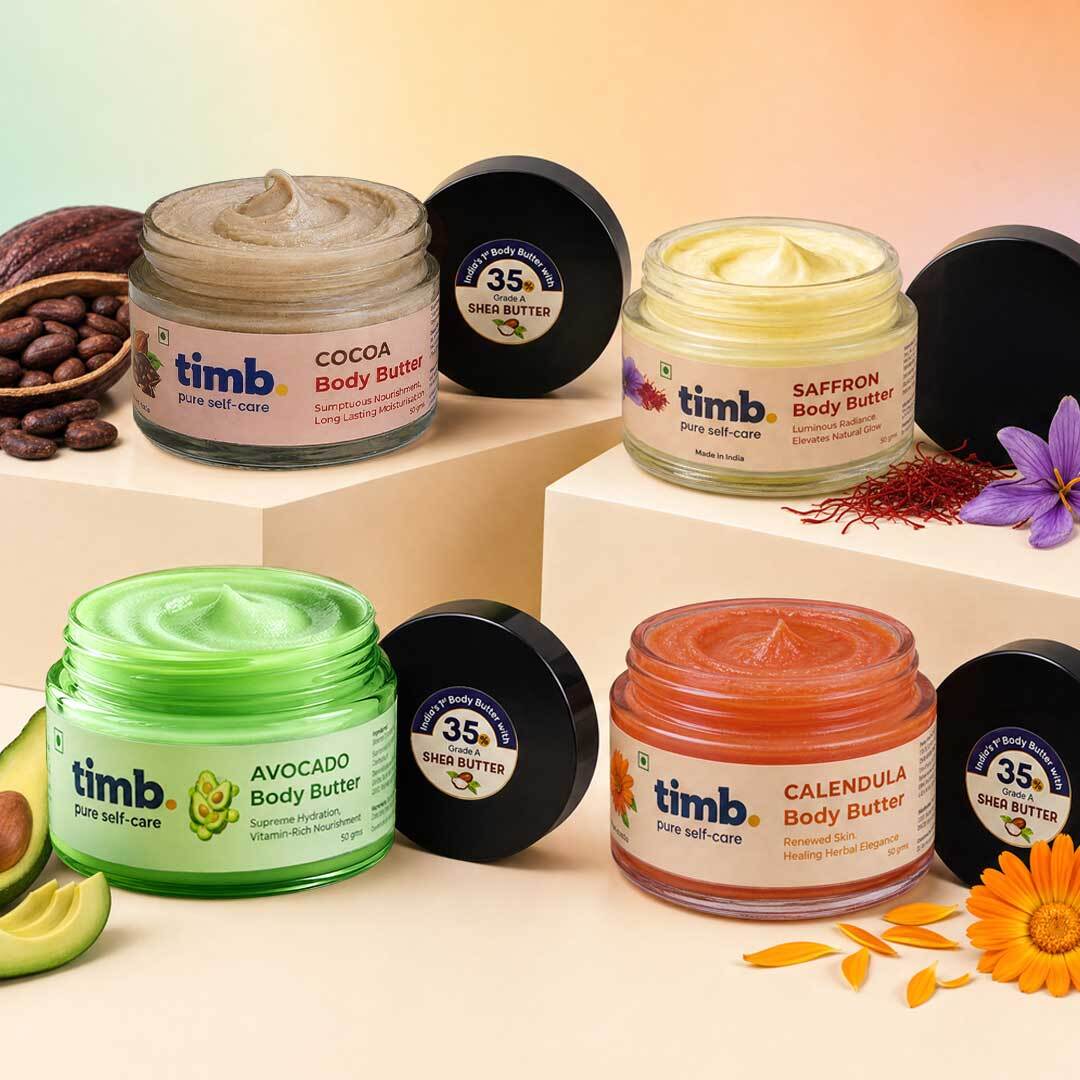
Calendula, Avocado, Cocoa, Saffron Body Butter with Shea | Dry Skin | Men & Women | All Seasons | 50gm Each
Rated 4.52 out of 5₹1,516.00Original price was: ₹1,516.00.₹1,349.00Current price is: ₹1,349.00.MRP (incl. of all taxes) Add to cartDeTan: Tan Removal Bath Soap Bar | Handmade Cold Processed Skin Brightening Bathing Soap | 100% Chemical Free | 100g (Pack of 1)
Rated 4.50 out of 5₹379.00Original price was: ₹379.00.₹341.00Current price is: ₹341.00.MRP (incl. of all taxes) Add to cartAromatic: Goat Milk Bath Soap Bar | Handmade Cold Processed Bathing Soap | With Shea Butter & Coconut Oil | 100g (Pack of 1)
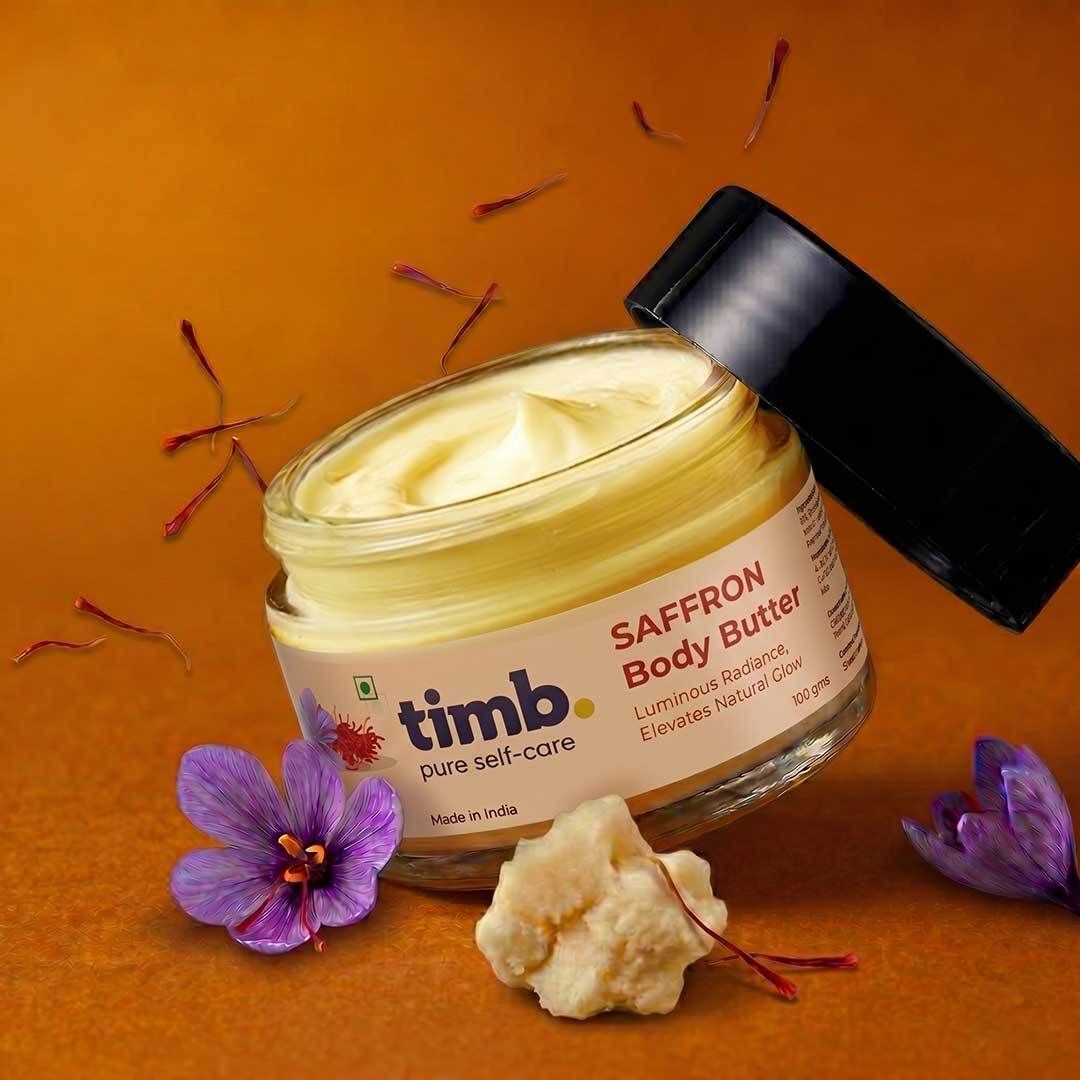
Rated 4.63 out of 5₹379.00Original price was: ₹379.00.₹341.00Current price is: ₹341.00.MRP (incl. of all taxes) Add to cartSaffron Body Butter with Shea | Aromatic Glow | Skin Moisturizer | Unisex | All Seasons | 100gm
Rated 4.50 out of 5₹649.00Original price was: ₹649.00.₹589.00Current price is: ₹589.00.MRP (incl. of all taxes) Add to cart