
Key Takeaways
- The debate around Ubtan vs face wash isn’t about choosing a winner; it’s about understanding what suits your skin.
- Ubtan acts as a traditional natural cleanser that gently exfoliates and nourishes the skin.
- Modern face washes provide targeted solutions for concerns like acne, oiliness, and dryness.
- People looking for chemical-free skincare often prefer ubtan and other plant-based alternatives.
- Combining herbal skincare traditions with modern skincare science can help create a balanced routine.
Introduction
Taking care of the skin is an essential part of maintaining overall health and confidence. Every day, our skin is exposed to dust, pollution, sweat, excess oil, harmful UV rays, and other environmental factors that can affect its appearance and health. Without proper cleansing, these impurities can accumulate on the skin’s surface, leading to clogged pores, acne, dullness, uneven texture, and premature signs of ageing. As a result, choosing the right cleansing method has become one of the most important steps in any skincare routine.
Today, face washes are among the most commonly used skincare products. They are specifically formulated to remove dirt, oil, makeup residue, and impurities while being quick and convenient for everyday use. Available in a wide range of formulations for different skin types, modern face washes often contain active ingredients that target specific concerns such as acne, dryness, excess oil, sensitivity, or pigmentation. Their ease of use and scientifically developed formulas have made them a preferred choice for millions of people around the world.
On the other hand, traditional skincare practices continue to hold an important place in many households. One such time-tested remedy is ubtan, a natural herbal paste prepared using ingredients such as gram flour (besan), turmeric, sandalwood powder, rose water, milk, curd, and various herbs. For generations, ubtan has been used not only as a cleanser but also as a natural exfoliator and skin-nourishing treatment. It is widely known for helping remove dead skin cells, improve skin texture, enhance the complexion, and promote a healthy, natural glow without relying on harsh chemicals.
As awareness about natural and sustainable skincare continues to grow, many people are beginning to question whether traditional remedies like ubtan can be as effective or even more effective than modern cleansing products. While face washes provide immediate freshness and convenience, ubtan is often believed to offer gradual, long-term benefits by nourishing the skin naturally. However, each method has its own advantages, limitations, and suitability depending on an individual’s skin type, lifestyle, and skincare needs.
A comparison over an extended period provides a more realistic understanding of how these two cleansing methods perform in daily life. Short-term results may highlight immediate cleansing effects, but consistent use over several weeks can reveal changes in skin texture, brightness, hydration, oil balance, and overall skin health. Observing these changes over a period of 90 days allows for a comprehensive evaluation of both approaches.
This article explores the differences between ubtan and face wash by examining their ingredients, working mechanisms, benefits, drawbacks, and the effects of regular use over 90 days. It aims to provide an objective comparison that helps readers understand what to expect from each option and make an informed decision based on their personal skincare goals, lifestyle, and skin type. Whether someone prefers the convenience of modern skincare products or the simplicity of traditional natural remedies, understanding their long-term impact is essential for building an effective and sustainable skincare routine.
Interesting Fact
“Ubtan has been a part of Indian herbal skincare traditions for centuries and was traditionally used by brides and grooms before weddings to enhance the skin’s natural glow.”
This raised an important question:
When it comes to Ubtan vs face wash, which option delivers better results after 90 days?
Let’s find out.
Understanding the Problem
Our skin faces multiple challenges every day.
What Causes Common Skin Problems?
- Pollution and environmental stress
- Excess oil production
- Dead skin cell buildup
- Stress and hormonal changes
- Irregular cleansing habits
- Prolonged exposure to air conditioning
As a result, many people are now turning towards herbal skincare and chemical-free skincare solutions to maintain healthy skin.
Common Misconceptions
- Natural products are always suitable for everyone.
- More foam means deeper cleansing.
- Ubtan alone can replace an entire skincare routine.
- Face washes always contain harmful chemicals.
Signs Your Skin May Need Better Cleansing
- Frequent breakouts
- Dull-looking skin
- Rough texture
- Clogged pores
- Excess oiliness
- Dry patches
Interesting Fact
“Your skin naturally sheds around 30,000 to 40,000 dead skin cells every minute. Gentle exfoliation through a natural cleanser like Ubtan can help remove some of these dead cells and improve skin texture.”
Ubtan vs Face Wash: Understanding the Difference
The discussion around Ubtan vs face wash has become increasingly popular as consumers seek more chemical-free skincare options.
Ubtan has been an integral part of Indian herbal skincare traditions for centuries. Made from ingredients like gram flour, turmeric, sandalwood, and herbs, it functions as a gentle natural cleanser while also providing mild exfoliation.
Modern face washes, on the other hand, are scientifically formulated to remove dirt, oil, makeup, and pollutants while addressing specific concerns such as acne, sensitivity, or dryness.
Both approaches have unique advantages.
What Happens After 90 Days?
Days 1–30: Initial Changes
Using Ubtan
- Skin feels smoother immediately after application.
- As a natural cleanser, ubtan gently removes dead skin cells.
- Some individuals may experience slight dryness if used too frequently.
Using Modern Face Wash
- Skin feels instantly fresh and clean.
- Oil control improves, especially with active ingredients like salicylic acid.
- Certain formulations may leave the skin feeling tight if they are not suitable for your skin type.
Days 31–60: Visible Improvements
With Ubtan
- Skin texture gradually becomes smoother.
- Mild tan reduction may become noticeable.
- Regular use as part of a herbal skincare routine may improve overall radiance.
With Face Wash
- Breakouts may begin to reduce.
- Skin appears clearer and less congested.
- Consistent cleansing helps keep pores clean.
Days 61–90: Long-Term Results
By the end of 90 days, Sneha noticed that both methods had benefits.
Her facial cleanser continued to provide convenience and effective cleansing after long workdays.
However, Ubtan delivered something different. As a traditional natural cleanser, it improved her skin texture and gave her a healthy glow.
Eventually, Sneha realised that the debate around Ubtan vs face wash wasn’t about replacing one with the other. Instead, it was about understanding when and how to use each effectively.
Who Is This For?
Ubtan May Suit:
- People looking for chemical-free skincare solutions.
- Individuals interested in traditional herbal skincare rituals.
- People with normal to dry skin.
- Those seeking gentle exfoliation.
Modern Face Wash May Suit:
- Busy professionals.
- People exposed to pollution daily.
- Individuals with oily or acne-prone skin.
- Fitness enthusiasts who cleanse frequently.
What Experts Say
According to Dr. Sharad, one of India’s leading cosmetic dermatologists, skincare should be based on an individual’s skin type and specific concerns rather than popular trends or home remedies alone. She emphasises that cleansing is the foundation of a healthy skincare routine and that using products suited to your skin helps maintain its natural protective barrier.
Dr. Sharad explains that traditional remedies like ubtan can provide gentle exfoliation and may improve skin texture thanks to ingredients such as gram flour, turmeric, and sandalwood. However, she also cautions that frequent or vigorous scrubbing with homemade preparations can irritate the skin, especially for people with sensitive or acne-prone skin.
She further notes that modern face washes formulated with dermatologist-recommended ingredients such as salicylic acid, niacinamide, ceramides, or gentle surfactants can effectively address concerns like acne, excess oil, dryness, and skin sensitivity when selected according to an individual’s skin type.
The key takeaway from experts is that neither ubtan nor face wash is universally better for everyone. The best choice depends on your skin type, lifestyle, and skincare goals. Consistent cleansing, avoiding excessive exfoliation, and using products that support the skin barrier are more important than simply following trends or relying solely on traditional or modern skincare methods.
Interesting Fact
“Modern face washes are typically formulated to match the skin’s natural pH level, which usually ranges between 4.5 and 5.5. Maintaining this pH helps support a healthy skin barrier.”
Example
Imagine two individuals.
Ananya uses a strong face wash four times a day because she believes frequent cleansing will keep her skin free from acne. Meanwhile, Priya applies ubtan every evening, assuming that because it is made from natural ingredients, it can be used without any limitations. After a few weeks, both begin to notice problems. Ananya’s skin becomes dry, tight, and sensitive as its natural oils are stripped away. Priya experiences redness and irritation because daily exfoliation with ubtan has weakened her skin’s protective barrier.
According to Dr. Jaishree Sharad, healthy skin depends on maintaining the skin barrier rather than over-cleansing or over-exfoliating. She emphasises that skincare products, whether traditional or modern, should be chosen according to an individual’s skin type and used in moderation. This example illustrates that both ubtan and face wash can be beneficial when used correctly, but excessive use of either can do more harm than good.
“Whether you prefer a natural cleanser like ubtan or a modern face wash, the goal should always be healthy skin, not excessive cleansing.”
Recommended Ingredients:
For Oily Skin:
- Salicylic Acid
- Niacinamide
For Dry Skin:
- Hyaluronic Acid
- Ceramides
For Sensitive Skin:
- Aloe Vera
- Oat Extract
Common Mistakes Experts Advise Against
- Scrubbing aggressively.
- Using ubtan daily.
- Over-cleansing the skin.
- Skipping moisturiser after cleansing.
Ubtan vs Face Wash: A Comparison
Factor | Modern Face Wash | |
Gentle | Deep & Targeted | |
Type | Natural Cleanser | Scientific Cleanser |
Natural | Formula dependent | |
Convenience | Time consuming | Quick & Easy |
Acne Control | Limited | More Effective |
Skin Brightening | Moderate | Ingredient dependent |
Suitability | Normal to Dry Skin | All Skin Types |
Interesting Fact
“Turmeric, one of the most common ingredients in ubtan, contains curcumin, a natural compound known for its antioxidant and soothing properties.”
Suggestions & Recommendations
What To Look For
✔ Mild formulations
✔ Skin-friendly ingredients
✔ Products suited to your skin type
✔ Balanced pH levels
Ingredients That Help
✔ Turmeric
✔ Aloe Vera
✔ Oat Extract
Ingredients to Avoid
- Excess fragrance
- Harsh sulfates
- Excess lemon juice in homemade ubtan
- Over-exfoliation
People following chemical-free skincare routines should always patch-test new ingredients before use.
Solutions & Pro Tips
✔ Cleanse your face twice daily: Wash your face every morning and night to remove dirt, excess oil, and impurities, helping keep your skin fresh and healthy.
✔ Use ubtan only 2–3 times a week: While Timb’s Ubtan is a great natural cleanser in herbal skincare, overusing it may cause dryness or irritation.
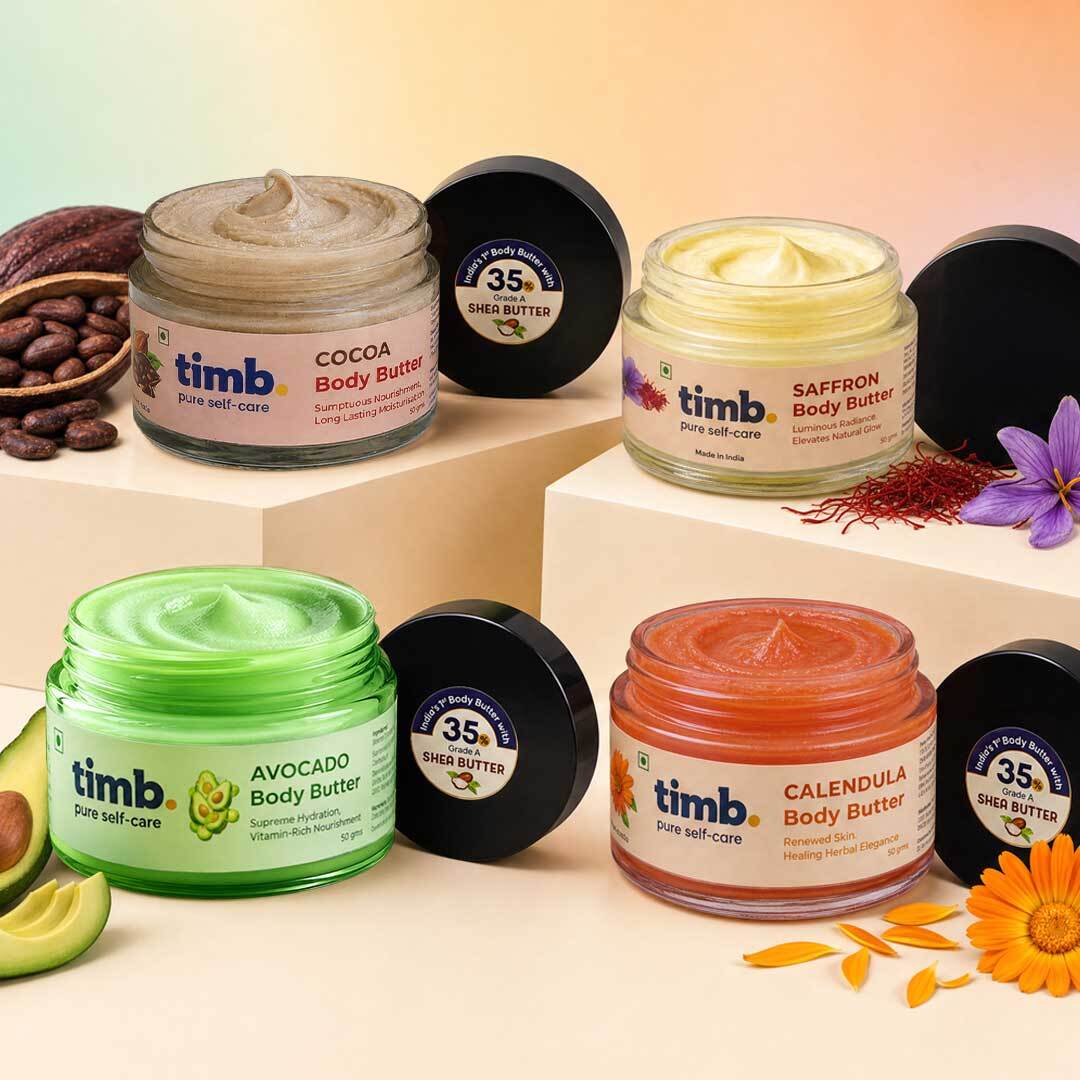
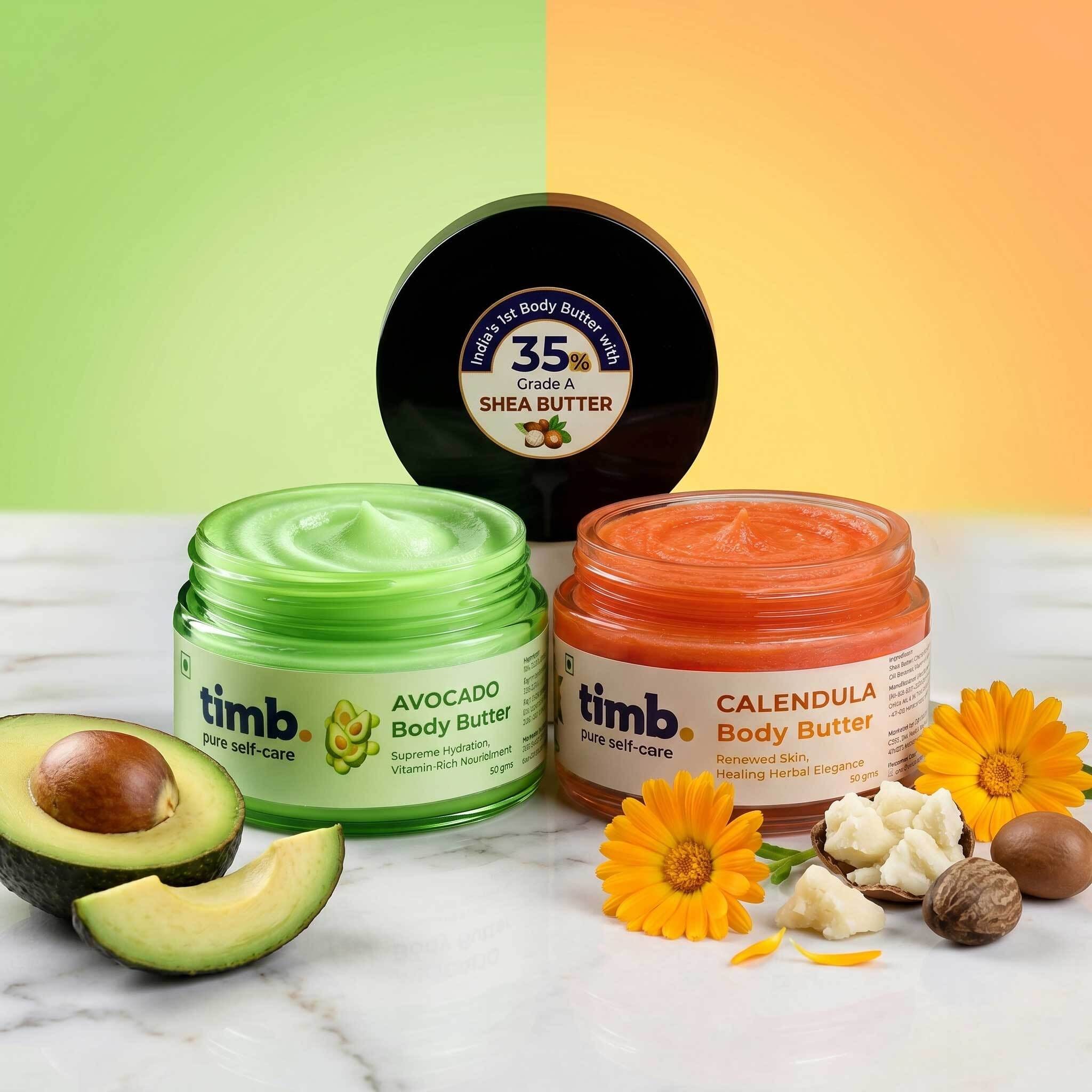
✔ Always apply moisturiser after cleansing: Moisturising helps restore hydration and strengthen the skin barrier, regardless of whether you use ubtan or a face wash. For deep nourishment, you can use natural body butters such as Timb’s Avocado, Calendula, or Saffron Body Butter, which are enriched with shea butter and vitamin E to provide long-lasting hydration and keep the skin soft and healthy.
✔ Wear sunscreen every day: Daily sunscreen protects your skin from harmful UV rays, preventing tanning, pigmentation, and premature ageing.
Interesting Fact
“Using a natural cleanser such as ubtan just two to three times a week is often enough for gentle exfoliation without over-scrubbing the skin.”
Pro Tip 1: Avoid Over-Exfoliation
Even if you prefer herbal skincare, avoid using ubtan every day. Since ubtan naturally exfoliates the skin, overuse can weaken the skin’s protective barrier, leading to redness, irritation, dryness, and increased sensitivity. A balanced approach works best – alternate between ubtan and a gentle face wash to maintain healthy skin.
Pro Tip 2: Choose Products Based on Your Skin Type
When comparing ubtan vs face wash, there is no universal answer because every skin type has unique needs. Instead of following social media trends, select products that suit your skin concerns:
- Oily skin: Use oil-control or salicylic acid-based face washes.
- Dry skin: Choose hydrating cleansers with ingredients like glycerin or ceramides.
- Sensitive skin: Opt for fragrance-free and mild formulations.
- Combination skin: Use balanced, gentle cleansers that neither over-dry nor leave excess oil.
Understanding your skin type is the foundation of an effective skincare routine.
Pro Tip 3: Blend Tradition with Modern Science
The debate around ubtan vs face wash doesn’t have to be an either-or choice. Many skincare experts suggest combining traditional remedies with scientifically formulated products. For example, you can use a face wash for daily cleansing and include ubtan once or twice a week for gentle exfoliation and nourishment. This balanced approach allows you to enjoy the benefits of both herbal skincare and modern skincare science while maintaining healthy, glowing skin.
Skin Type Guide
This section will help readers decide what suits them best.
Which Option Suits Your Skin Type?
Skin Type | Recommended Option |
Oily Skin | A gentle natural cleanser like Timb Ubtan 2–3 times a week, along with a hydrating face wash |
Dry Skin | A mild face wash with oil-controlling ingredients for daily use; use Timb Ubtan occasionally for gentle exfoliation |
Sensitive Skin | Daily face wash with Timb Ubtan once or twice a week |
Combination Skin | Patch-test Timb Ubtan first and use fragrance-free cleansers |
Acne-Prone Skin | Alternate between a gentle face wash and Timb Ubtan for balanced care |
Conclusion
The debate around Ubtan vs face wash does not have a single winner.
Ubtan remains a trusted natural cleanser and an important part of traditional herbal skincare. Modern face washes, meanwhile, provide convenience, consistency, and science-backed solutions.
For people seeking chemical-free skincare, combining the wisdom of traditional remedies with modern skincare practices can offer the best of both worlds.
Ultimately, healthy skin isn’t about choosing tradition or science. It’s about understanding your skin and building habits that support long-term skin health.
FAQs
Yes. Ubtan is considered a traditional natural cleanser because it uses ingredients like gram flour, turmeric, and herbs to cleanse and exfoliate the skin.
The answer depends on your skin type and lifestyle. Both options offer unique benefits.
Yes. Many dermatologists recommend using a face wash daily and ubtan occasionally for gentle exfoliation.
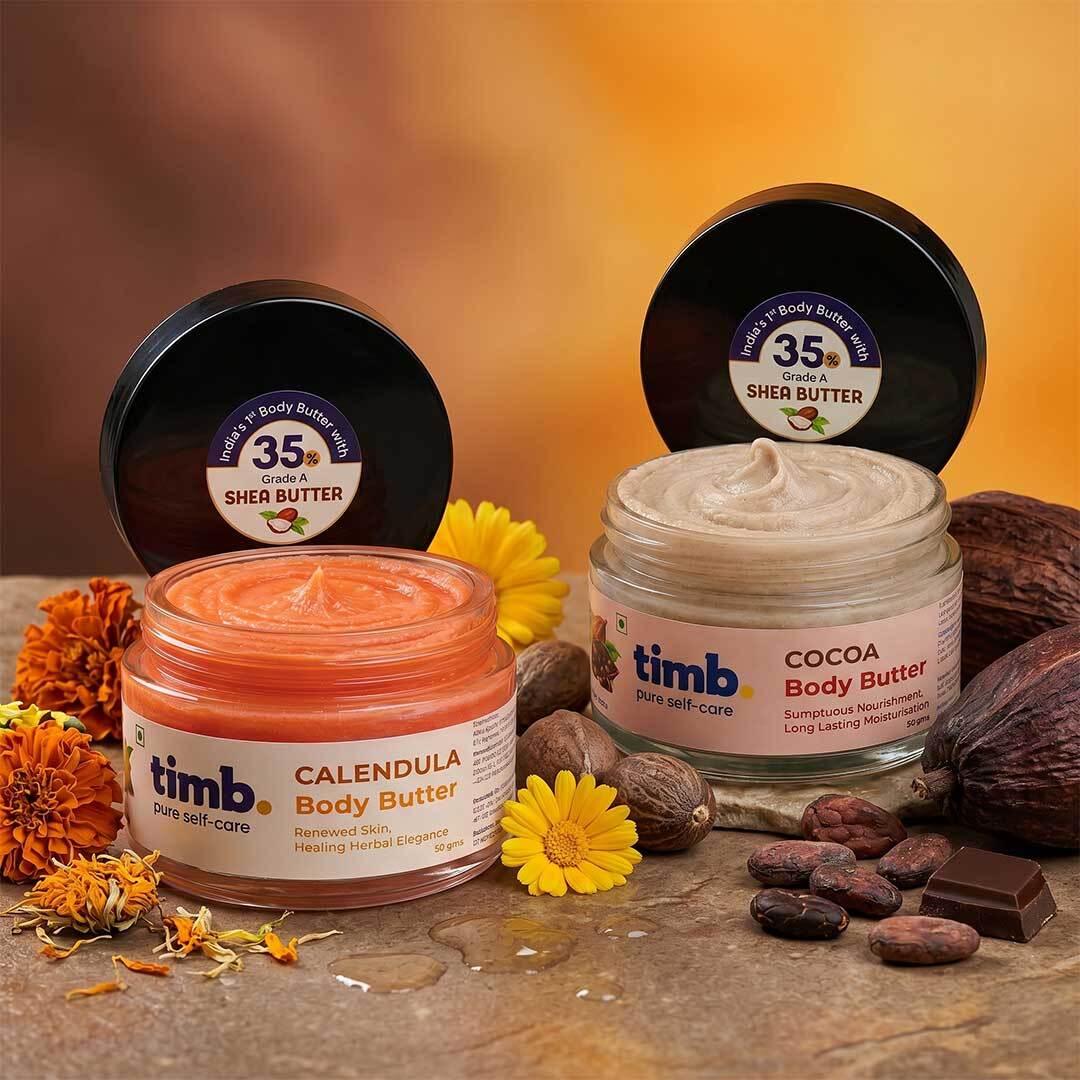
Calendula & Cocoa Body Duo with 35% Grade A Shea Butter | Deep Moisture | 50gm Each
Rated 5.00 out of 5₹758.00Original price was: ₹758.00.₹679.00Current price is: ₹679.00.MRP (incl. of all taxes) Add to cartCalendula, Avocado, Cocoa, Saffron Body Butter with Shea | Dry Skin | Men & Women | All Seasons | 50gm Each
Rated 4.52 out of 5₹1,516.00Original price was: ₹1,516.00.₹1,349.00Current price is: ₹1,349.00.MRP (incl. of all taxes) Add to cartDe-tan & Aromatic Bath Soap Combo | Handmade Cold Processed | Brightens | 100gms
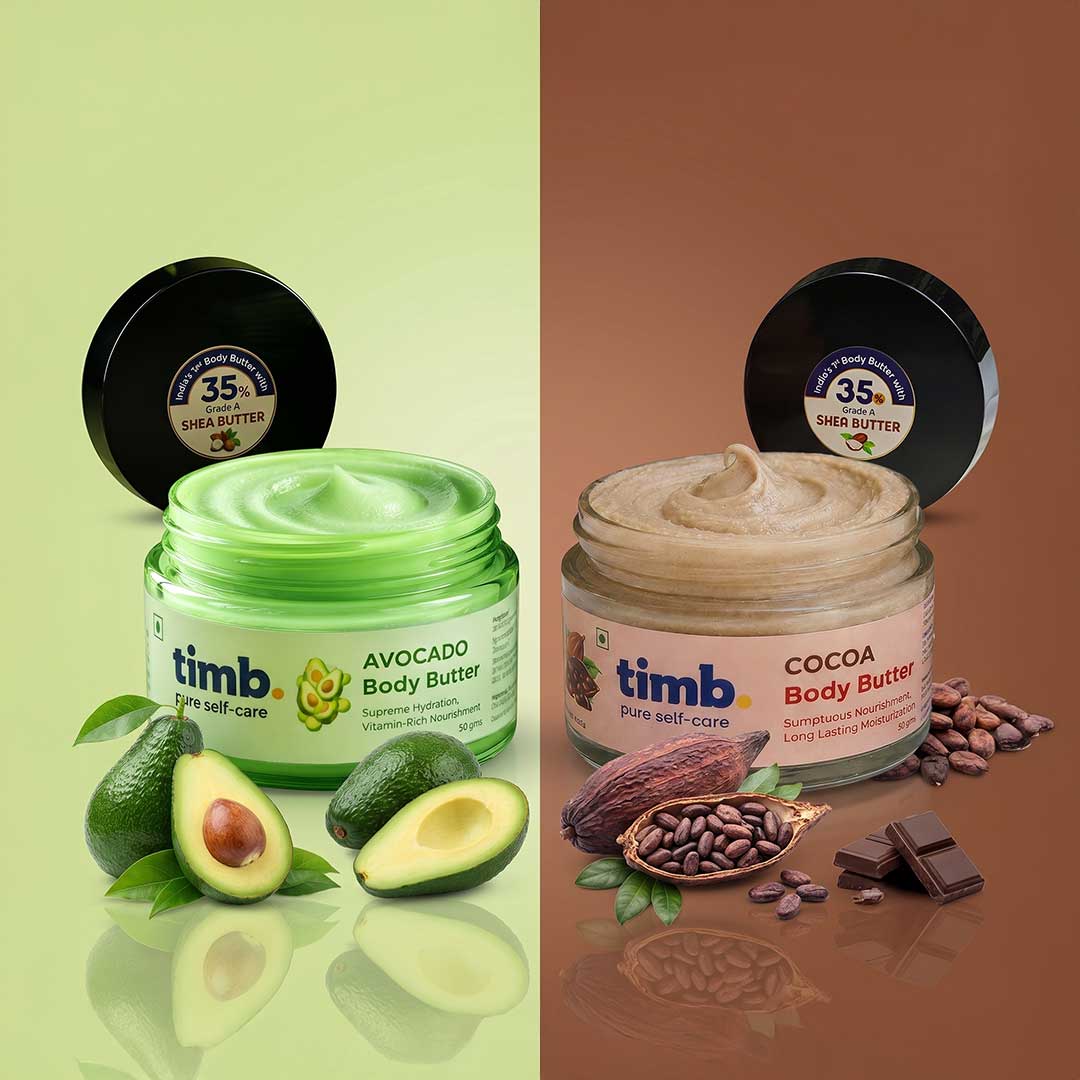
Rated 4.59 out of 5₹758.00Original price was: ₹758.00.₹659.00Current price is: ₹659.00.MRP (incl. of all taxes) Add to cartAvocado & Cocoa Body Butter Duo with 35% Grade A Shea Butter | Deep Moisture | 50gm Each
Rated 4.00 out of 5₹758.00Original price was: ₹758.00.₹679.00Current price is: ₹679.00.MRP (incl. of all taxes) Add to cart