

Key Takeaways
- Cracked heels are commonly caused by dry skin, prolonged standing, harsh weather, improper footwear, and an inconsistent foot care routine.
- Following a regular foot care routine with gentle cleansing, exfoliation, and daily moisturizing can help heal and prevent cracked heels naturally.
- Natural ingredients like shea butter, glycerine, aloe vera, coconut oil, and vitamin E help nourish the skin and promote soft heels.
- Healthy lifestyle habits, including staying hydrated, wearing supportive footwear, and protecting your feet from excessive dryness, play an important role in maintaining healthy feet.
- Consistency is the key to long term results with regular care and the right cracked heels treatment, you can achieve smoother, healthier, and softer heels naturally.
Introduction
Do your heels feel rough, dry, or painful every time you walk barefoot? If you’re searching for an effective cracked heels treatment, you’re certainly not alone. The good news is that the right cracked heels treatment doesn’t always require expensive products or salon visits. In many cases, simple lifestyle changes, consistent heel care, and natural remedies can help restore your feet and keep them healthy.
Our feet carry us through thousands of steps every day, yet they often receive the least attention in our skincare routine. Over time, everyday habits such as standing for long hours, wearing open back footwear, walking barefoot, or neglecting regular moisturizing can lead to cracked heels and dry, rough skin. Weather conditions, aging, and dehydration can make the problem even worse.
The encouraging news is that healthy, soft heels are achievable with a consistent routine. In this guide, you’ll learn what causes cracked heels, who is most likely to experience them, what dermatologists recommend, and the best natural remedies and foot care tips to help your heels stay smooth and comfortable all year round.
What Are Cracked Heels?
Cracked heels, medically known as heel fissures, develop when the skin around the heel becomes excessively dry and loses its flexibility. As pressure builds while walking or standing, the dry skin begins to split, forming small cracks. In the early stages, these cracks may only be a cosmetic concern. However, if ignored, they can deepen and become uncomfortable during daily activities.
Fortunately, most cases respond well to a consistent skincare routine and natural remedies.
Why Do Heels Crack?
There isn’t a single cause behind cracked heels. Instead, several everyday habits and environmental factors work together to dry out the skin and weaken its protective barrier.
One of the biggest contributors is dry skin. When the skin lacks moisture, it becomes less elastic and more likely to split under pressure. This is why cracked heels are more common during winter or in dry climates where humidity levels are lower.
Walking barefoot or wearing open back sandals also increases friction while exposing the heels to dirt and dry air. Without the protection of supportive footwear, moisture escapes more quickly, making the skin rougher.
Other common causes include:
- Aging, as mature skin naturally produces less oil.
- Frequent use of harsh soaps that strip away natural moisture.
- Hot showers that dry out the skin.
- Carrying excess body weight, which places additional pressure on the heels.
- Inconsistent foot care routine and infrequent moisturizing.
Most of these factors are manageable, which is why regular care is the foundation of an effective cracked heels treatment.
Signs Your Heels Need Attention
Your heels usually show clear warning signs before deep cracks develop. Paying attention to these early symptoms allows you to start caring for your feet before the condition worsens.
Common signs include:
- Dry, rough patches around the heel.
- Thickened or hardened skin.
- Flaky or peeling skin.
- Small visible cracks.
- Mild tenderness while walking.
- Tightness after bathing.
- Skin that catches on socks or bedsheets.
If these symptoms are addressed early with proper heel moisturizer and regular heel care, the skin often becomes noticeably softer within a few weeks.
What Experts Say
Dermatologists often emphasize that healthy heels begin with protecting the skin’s natural barrier. When the outer layer of the skin loses too much moisture, it becomes dry, thick, and less flexible. Under the pressure of everyday walking and standing, this dry skin is more likely to crack.
Experts generally recommend focusing on two key principles: hydration and barrier repair. Instead of trying to remove thick skin aggressively, they encourage gentle exfoliation followed by regular moisturizing to help soften rough areas over time.
Many skincare ingredients are well known for supporting dry heel care. Some commonly recommended ingredients include:
- Urea, which helps soften thick, rough skin while improving moisture retention.
- Shea Butter, known for its rich moisturizing properties that nourish dry skin.
- Glycerine, a humectant that attracts water into the skin, helping it stays hydrated.
- Coconut Oil, which helps reduce moisture loss and keeps the skin feeling soft.
- Aloe Vera, valued for its soothing and hydrating properties.
- Lactic Acid, which gently exfoliates dead skin cells without being overly harsh.
Experts also advise avoiding a few common mistakes. Scrubbing too aggressively with metal foot files, using very hot water, or skipping moisturizer after bathing can all make dryness worse instead of better.
Perhaps the most important takeaway from dermatologists is that consistency matters far more than using expensive products. Following a simple foot care routine every day is often more effective than trying multiple treatments occasionally.
Suggestions & Recommendations
Healing cracked heels isn’t about finding a miracle product it’s about building a simple routine that supports your skin’s natural healing process. Just like the skin on your face, the skin on your feet needs cleansing, hydration, and protection. When these steps become a regular habit, your heels are far more likely to stay smooth and healthy.
Build an Effective Foot Care Routine
A consistent foot care routine is one of the most effective ways to manage dry heels and prevent cracks from returning. You don’t need an elaborate regimen; a few minutes each day can make a noticeable difference.
Start by washing your feet with lukewarm water and a mild cleanser. Avoid very hot water, as it can strip away natural oils and leave the skin feeling even drier. After cleansing, gently pat your feet dry instead of rubbing them with a towel.
Exfoliating once or twice a week is another important step. Removing the layer of dead skin allows moisturizers to absorb more effectively. Use a pumice stone or a gentle foot file after soaking your feet, but avoid scrubbing aggressively, as excessive friction may irritate the skin.
Moisturizing is where consistency matters most. Apply a rich heel moisturizer immediately after bathing while your skin is still slightly damp. This helps seal in moisture and keeps the skin supple. For extra nourishment, apply another layer before bedtime and wear breathable cotton socks overnight. This simple habit allows the moisturizer to work while you sleep and supports the development of naturally soft heels.
Ingredients That Help
When choosing products for cracked heels treatment, it’s helpful to look for ingredients known for their moisturizing and skin softening properties.
Some of the most beneficial ingredients include:
- Shea Butter: Deeply nourishes dry, rough skin and improves softness.
- Glycerine: Draws moisture into the skin and helps maintain hydration.
- Coconut Oil: Helps reduce moisture loss while keeping the skin smooth.
- Aloe Vera: Soothes dry, irritated skin and provides lightweight hydration.
- Beeswax: Creates a protective barrier that locks in moisture.
- Vitamin E: Supports healthy skin and helps protect against dryness.
- Plant Oils such as almond, jojoba, or olive oil help improve skin flexibility and nourishment.
These ingredients work best when used consistently rather than occasionally. Healthy skin develops through regular care, not overnight solutions.
Ingredients and Habits to Avoid
While nourishing ingredients support healing, some products and habits can make dryness worse.
Try to avoid:
- Harsh alcohol based products that strip away moisture.
- Strong artificial fragrances if your skin is sensitive.
- Over exfoliating rough skin, which may increase irritation.
- Extremely hot water during showers or foot soaks.
- Walking barefoot on rough surfaces for extended periods.
- Ignoring dryness until deep cracks appear.
Protecting your skin is just as important as moisturizing it. Small changes in your daily routine can help prevent recurring dryness and reduce the need for frequent cracked heels treatment.
Solution
A Simple Daily Routine for Cracked Heels Treatment
✔ Wash your feet daily using lukewarm water and a gentle cleanser.
✔ Soak your feet for 10 -15 minutes two or three times a week.
✔ Gently exfoliate dead skin with a pumice stone once or twice weekly.
✔ Apply a rich heel moisturizer immediately after bathing.
✔ Wear cotton socks overnight to lock in moisture.
✔ Drink enough water throughout the day to support skin hydration.
✔ Choose supportive, closed back footwear whenever possible.
✔ Follow the same foot care routine consistently rather than only when your heels become dry.
Remember, healthy skin repairs itself gradually. Patience and consistency are often more effective than trying multiple treatments at once.
Pro Tip
One of the simplest ways to improve heel care is to moisturize immediately after your shower or bath while your skin is still slightly damp. This helps lock in moisture more effectively than applying cream to completely dry skin.
For an extra boost of hydration, treat your feet to a weekly selfcare session. Soak your feet, gently exfoliate, and finish by applying a rich moisturizer or body butter before wearing cotton socks overnight. Making this routine a weekly habit can help maintain naturally soft heels throughout the year. Add foot salt for cleaning and scrubbing your feet. Check out the product range of brands such as Timb For naturally treating your healing process.
Conclusion
Your feet work hard every day, yet they often receive the least attention in our skincare routine. When moisture is lost and pressure builds over time, cracked heels can develop, making everyday activities less comfortable. Fortunately, caring for your heels doesn’t have to be complicated.
A consistent routine that includes gentle cleansing, regular exfoliation, daily moisturizing, and protective footwear can significantly improve the condition of your heels. Combined with natural ingredients and healthy lifestyle habits, these simple practices support smoother skin and healthier feet over time.
The most effective cracked heels treatment isn’t about quick fixes it’s about consistency. By making heel care part of your everyday selfcare routine, you can reduce dryness, prevent future cracks, and enjoy naturally soft heels that feel as healthy as they look.
FAQ's
The best cracked heels treatment combines gentle cleansing, regular exfoliation, daily moisturizing, and protecting the heels from excessive dryness. Using products with hydrating ingredients such as shea butter, glycerine, or urea while following a consistent foot care routine can gradually improve rough, dry skin and help prevent future cracks.
Yes. Mild to moderate cracked heels often improve naturally when the skin is properly cared for. Regular moisturizing, gentle exfoliation, adequate hydration, and wearing supportive footwear allow the skin barrier to recover over time. Consistency is the most important factor in achieving lasting results.
The healing time depends on the severity of the dryness. Mild cases may begin to improve within one to two weeks of regular care, while deeper cracks can take several weeks. Following a consistent foot care routine every day usually provides better long term results than occasional treatments.
Cracked heels usually develop when dry skin loses its flexibility and splits under pressure. Common causes include standing for long hours, walking barefoot, aging, harsh weather, dehydration, wearing open back footwear, and neglecting regular moisturizing. Identifying and addressing these factors helps reduce the likelihood of recurring dryness.
Achieving naturally soft heels starts with simple daily habits. Cleanse your feet gently, exfoliate once or twice a week, apply a nourishing moisturizer every day, stay hydrated, and wear supportive footwear. Consistent care helps improve skin texture while keeping your heels smooth and comfortable.
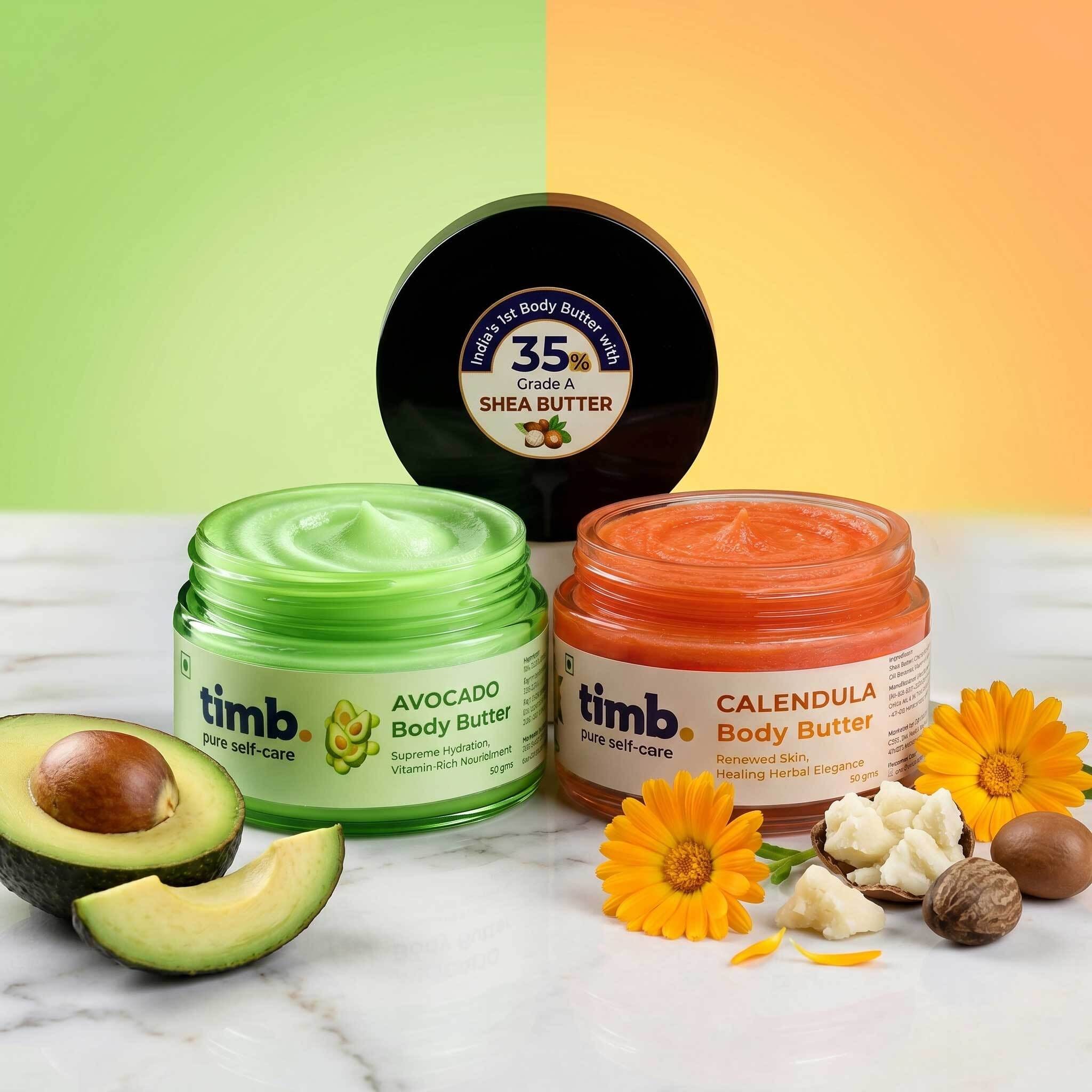
Avocado & Calendula Body Butter Duo with 35% Grade A Shea Butter | Deep Moisture | 50gm Each
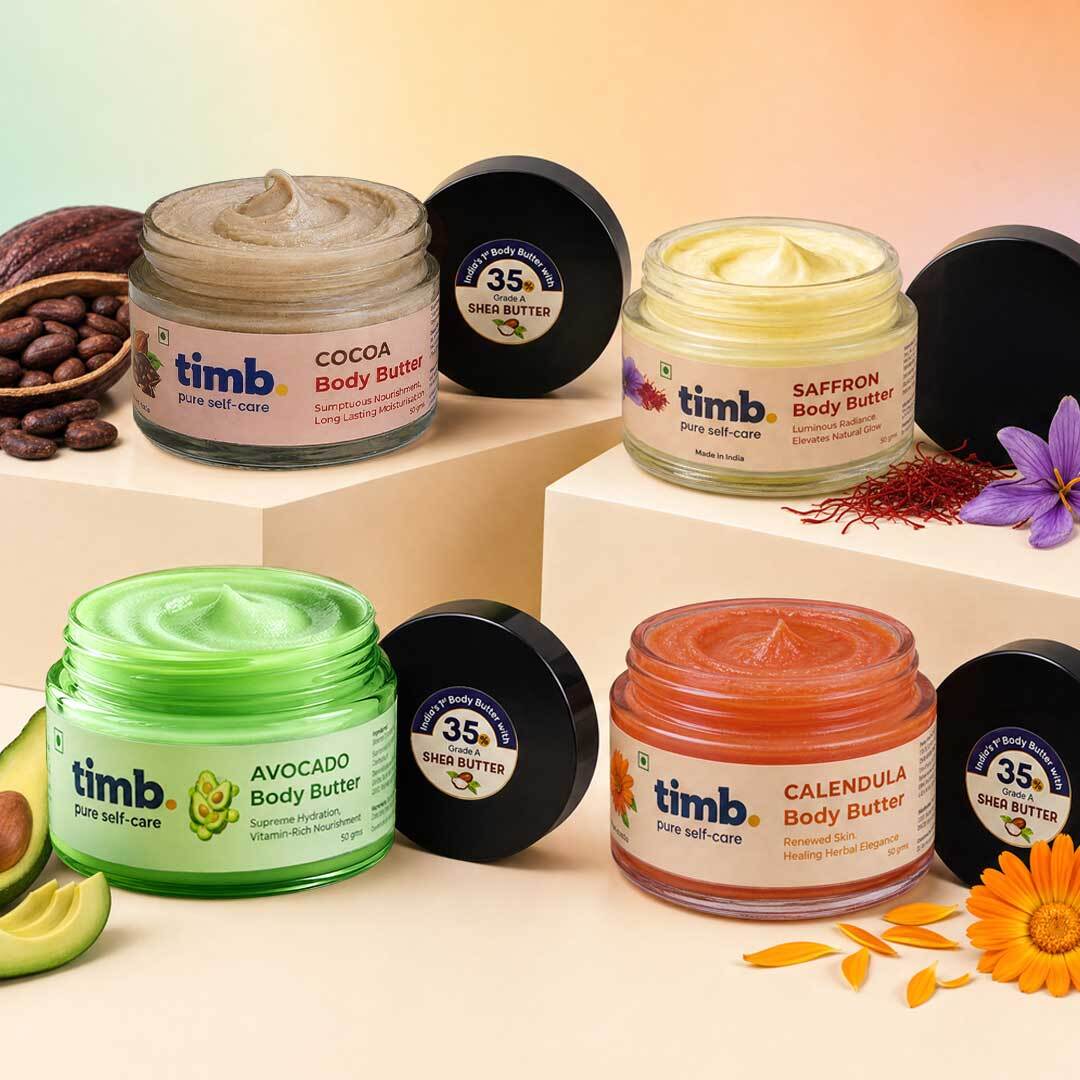
Rated 5.00 out of 5₹758.00Original price was: ₹758.00.₹679.00Current price is: ₹679.00.MRP (incl. of all taxes) Add to cartCalendula, Avocado, Cocoa, Saffron Body Butter with Shea | Dry Skin | Men & Women | All Seasons | 50gm Each
Rated 4.52 out of 5₹1,516.00Original price was: ₹1,516.00.₹1,349.00Current price is: ₹1,349.00.MRP (incl. of all taxes) Add to cartAbhyangam Ubtan Powder | Natural Face & Body Brightening Mask | 75gms
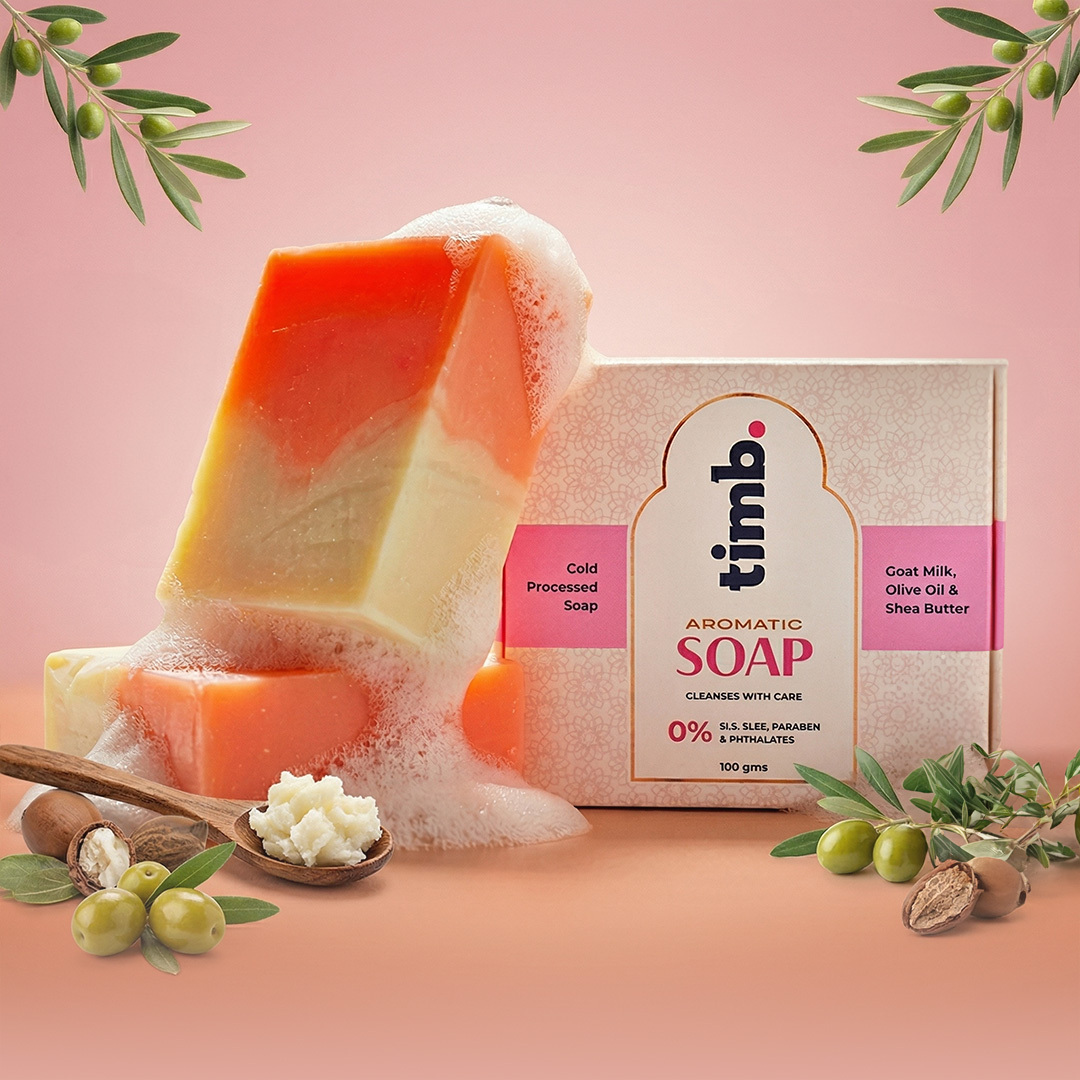
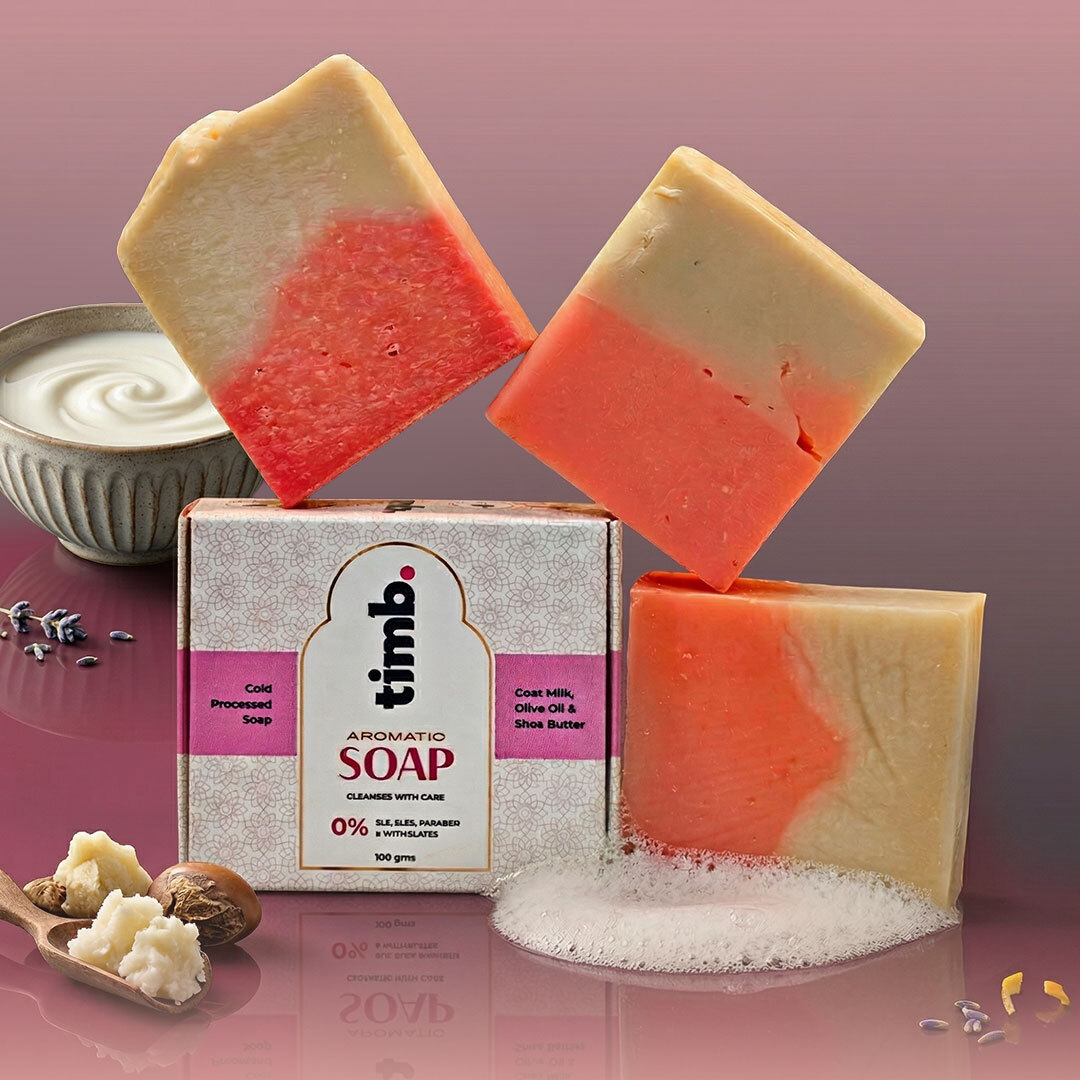
Rated 4.53 out of 5₹199.00Original price was: ₹199.00.₹179.00Current price is: ₹179.00.MRP (incl. of all taxes) Add to cartAromatic: Goat Milk Bath Soap Bar | Handmade Cold Processed Bathing Soap | With Shea Butter & Coconut Oil | 100g (Pack of 2)
Rated 4.29 out of 5₹758.00Original price was: ₹758.00.₹659.00Current price is: ₹659.00.MRP (incl. of all taxes) Add to cart